
In today’s fast-paced world, it’s easy to forget to stay hydrated. But did you know that dehydration can have serious consequences for your health? From headaches and dizziness to fatigue and confusion, the effects of not getting enough fluids can be debilitating. So, what can you do to prevent dehydration? In this article, we’ll explore some simple yet effective strategies to keep you feeling refreshed and revitalized. So grab a glass of water and let’s dive in!

Understanding Dehydration
What is dehydration?
Dehydration is a condition that occurs when you lose more fluids than you take in, resulting in a lack of water in your body. It can have serious consequences if left untreated and can affect people of all ages. Water is essential for the proper functioning of our body, and when we don’t drink enough water or lose it excessively through sweating, urination, or other factors, dehydration can occur.
Causes of dehydration
Dehydration can be caused by various factors, including inadequate fluid intake, excessive sweating due to intense physical activity or hot weather, vomiting, diarrhea, and certain medical conditions such as diabetes or kidney disease. In some cases, certain medications can also contribute to fluid loss in the body and lead to dehydration.
Effects of dehydration on the body
Dehydration can have detrimental effects on your body. Mild dehydration can result in symptoms such as dry mouth, thirst, dark urine, fatigue, and headache. If left untreated, it can progress to severe dehydration, which can cause dizziness, rapid heartbeat, low blood pressure, confusion, and even unconsciousness. Severe dehydration is a medical emergency and requires immediate attention.
Recognizing Dehydration Symptoms
Common signs of dehydration
It’s important to be able to recognize the signs of dehydration so that you can take prompt action. Common signs of dehydration include excessive thirst, dry mouth, reduced urine output, darker urine than usual, fatigue, headache, muscle weakness, and dizziness. If you experience any of these symptoms, it is important to increase your fluid intake and seek medical advice if the symptoms persist or worsen.
Symptoms of mild dehydration
When dehydration is mild, you may experience symptoms like dry lips and skin, mild thirst, a slightly reduced urine output, and a slightly darker urine color. These symptoms can often be relieved by drinking water or consuming other hydrating fluids.
Symptoms of severe dehydration
Severe dehydration is a serious condition that requires immediate medical attention. Symptoms of severe dehydration include extreme thirst, dry skin, sunken eyes, rapid heartbeat, rapid breathing, little or no urine output, confusion, and in severe cases, unconsciousness. If you or someone you know exhibits these symptoms, seek emergency medical care right away.

Maintaining Fluid Balance
Importance of staying hydrated
Staying hydrated is crucial for maintaining overall health and well-being. Water plays a vital role in various bodily functions, including digestion, circulation, temperature regulation, and the transportation of nutrients. Proper hydration helps to flush out toxins, support healthy skin, promote optimal organ function, and ensure the body’s cells are functioning efficiently. By staying hydrated, you can help prevent dehydration and maintain the balance of fluids in your body.
Recommended daily fluid intake
The amount of fluid you need to consume each day depends on several factors, including your age, sex, activity level, and overall health. Though individual fluid needs may vary, a general guideline is to drink at least 8 cups (64 ounces) of water per day. This can be achieved through a combination of water, other fluids, and the moisture content of foods in your diet.
Factors influencing fluid requirements
Several factors influence your fluid requirements. Intense physical activity, exposure to hot weather, pregnancy, breastfeeding, and certain medical conditions may increase your need for fluids. Additionally, older adults may require increased fluid intake due to age-related changes in the body’s ability to regulate fluid balance. It’s important to pay attention to your body’s signals and increase fluid intake accordingly during these circumstances.
Choosing Hydrating Beverages
Water: The best choice
When it comes to staying hydrated, water is the best choice. It is calorie-free, readily available, and essential for maintaining optimal health. Water helps replenish the fluids lost through everyday activities and aids in the regulation of body temperature. Make it a habit to carry a reusable water bottle with you and sip water throughout the day to ensure proper hydration.
Other beneficial beverages
Besides water, there are other hydrating beverages that can contribute to your daily fluid intake. Herbal teas, unsweetened iced tea, and diluted fruit juices can be good options, as they provide additional flavor while still hydrating your body. Additionally, low-fat milk and plant-based milk alternatives like almond or coconut milk can also be included as part of your overall fluid intake.
Beverages to avoid
While certain beverages can contribute to your daily fluid intake, others should be consumed in moderation or avoided altogether. Sugary sodas, energy drinks, and alcoholic beverages can actually dehydrate your body due to their diuretic effects. It’s best to limit these types of drinks and focus on hydrating options instead.
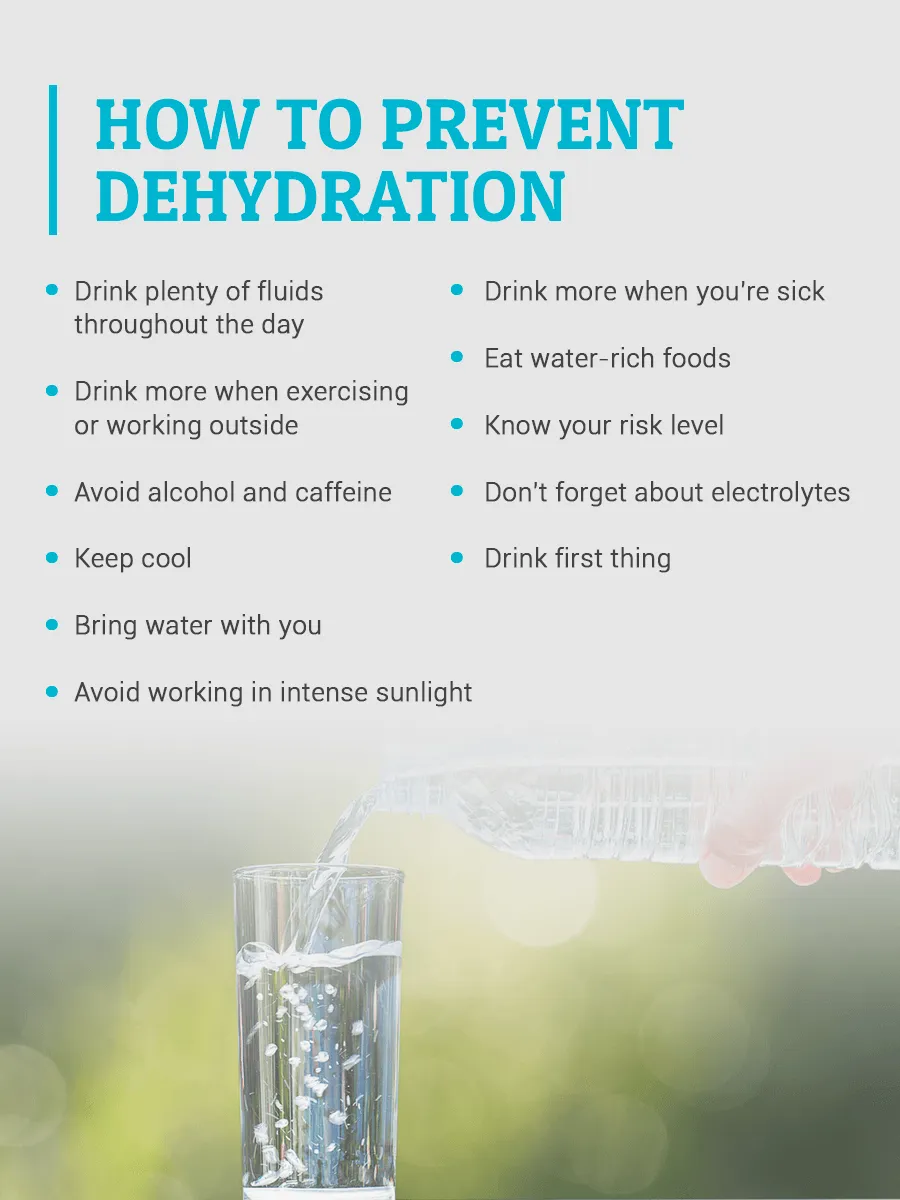
Eating Hydrating Foods
Fruits and vegetables with high water content
In addition to fluids, you can also increase your hydration by consuming fruits and vegetables with high water content. Refreshing fruits such as watermelon, strawberries, oranges, and grapes have a high water content and can help you stay hydrated. Vegetables like cucumber, celery, zucchini, and lettuce also contain a significant amount of water and can contribute to your overall fluid intake. Including these hydrating foods in your diet can provide additional moisture to your body.
Refreshing summer salads
During hotter months, summer salads can be a delicious and hydrating option. Incorporate hydrating fruits and vegetables, such as cucumber, watermelon, tomatoes, and leafy greens, into your salads. Add a light dressing or vinaigrette to enhance the flavors while maintaining the hydration benefits.
Hydrating snacks to include in your diet
Snacking on hydrating foods can also help you maintain fluid balance. Opt for snacks like sliced cucumbers, cherry tomatoes, water-rich berries, and yogurt, which contains both fluids and electrolytes. These snacks can be a tasty way to increase your fluid intake while keeping hunger at bay.
Managing Physical Activity
Hydration and exercise
Proper hydration is essential when engaging in physical activity. As you exercise, your body loses water through sweat, and if you don’t replace those fluids, dehydration can occur. Hydrating adequately before, during, and after exercise can help optimize performance, prevent muscle cramps, and support recovery.
Pre-workout hydration
Before starting your workout, it’s important to ensure that you are adequately hydrated. Drink about 16 ounces of water or a hydrating beverage 1-2 hours before exercising. If you’re engaging in intense exercise or exercising in hot weather, consider consuming a sports drink that contains electrolytes to replenish those lost through sweat.
Fluid replacement during and after exercise
During exercise, it’s crucial to drink fluids to replace those lost through sweating. Aim to drink about 7-10 ounces of water every 10-20 minutes during physical activity. After your workout, be sure to rehydrate by drinking enough fluids to replace the fluids lost during exercise. This will help restore your body’s water balance and aid in recovery.

Creating Hydration Habits
Carrying a water bottle
A simple yet effective habit to maintain hydration is to carry a reusable water bottle with you wherever you go. Having water readily available will serve as a reminder to drink and make it easier to reach your daily fluid intake goal. Choose a bottle that holds an adequate amount of water and is convenient to carry, whether you’re at work, running errands, or exercising.
Setting reminders to drink water
Sometimes, we get caught up in our daily routines and forget to drink water. Setting reminders on your phone or using hydration apps can help you remember to pause and hydrate throughout the day. These reminders can be especially useful for those with busy schedules or who struggle to prioritize drinking water.
Incorporating hydrating habits into daily routine
To make hydration a habit, try incorporating it into your daily routine. Start your day with a glass of water before breakfast, have a glass of water with each meal, and make it a goal to drink water before and after any physical activity. By making these habits part of your routine, staying hydrated will become second nature.
Water Intake Strategies for Different Ages
Hydration needs in children
Children have unique hydration needs to support their growth and development. Proper hydration is crucial for their overall health, as they are more susceptible to dehydration due to their smaller body size and higher water requirements per unit of body weight. Encourage children to drink water throughout the day and provide them with water-rich snacks such as fruits and vegetables.
Hydration tips for teenagers
Teenagers are often engaged in physical activities and may be prone to dehydration if they don’t consume enough fluids. Encourage teenagers to drink water before, during, and after sports or other physical activities. Avoid sugary drinks and energy drinks, as they can lead to excess sugar intake and dehydration. Be a role model by making hydration a priority in your own daily routine.
Hydration guidelines for adults
Just like children and teenagers, adults need to ensure they stay hydrated throughout the day. Remember to drink water regularly, especially in hot weather or when engaging in physical activities. Make it a habit to consume hydrating foods and carry a water bottle with you to meet your daily fluid intake goals. Listen to your body and drink when you are thirsty, as thirst is a sign that your body needs water.

Avoiding Dehydration in Specific Situations
Hot weather precautions
Hot weather can increase the risk of dehydration due to excessive sweating and increased water loss. When the temperatures rise, take extra precautions to stay hydrated. Drink water before you feel thirsty, wear lightweight and breathable clothing, and seek shade or air-conditioned environments when possible. If you’re engaging in outdoor activities, make sure to take breaks and drink water regularly.
Hydration during illness
Illnesses such as fever, vomiting, or diarrhea can lead to fluid loss and increase the risk of dehydration. It’s important to stay hydrated when you’re feeling unwell. Sip on fluids throughout the day, including water, herbal teas, or clear broths. If you’re unable to keep fluids down, or if your symptoms worsen, seek medical attention.
Tips for preventing dehydration during travel
Traveling, especially by air, can contribute to dehydration due to the dry air in planes and the disruption of normal routines. To prevent dehydration while traveling, drink water before, during, and after your journey. Avoid excessive consumption of alcohol or caffeine, as they can contribute to dehydration. Consider bringing a reusable water bottle and filling it up whenever possible to ensure you have access to fluids during your trip.
Understanding Electrolytes and Rehydration Solutions
Importance of electrolytes
Electrolytes are minerals that help maintain fluid balance in your body and play a crucial role in various bodily functions, including muscle contractions and nerve impulses. When you become dehydrated, you not only lose water but also essential electrolytes. Replenishing electrolytes is important, especially during periods of prolonged or intense physical activity.
Commercial rehydration solutions
Commercial rehydration solutions, such as oral rehydration salts, are formulated to replenish lost fluids and electrolytes. These solutions are readily available at pharmacies and can be useful in cases of mild to moderate dehydration. They typically contain a balance of electrolytes such as sodium, potassium, and chloride, as well as glucose to enhance absorption.
Homemade rehydration remedies
In some situations, homemade rehydration remedies can be a viable option to restore fluid balance. A simple homemade rehydration drink can be made by combining water, a pinch of salt, and a small amount of sugar or honey to add flavor. While this may help in mild cases of dehydration, it is important to seek professional medical advice in severe cases or when symptoms persist.
By understanding dehydration, recognizing its symptoms, and implementing strategies to maintain fluid balance, you can proactively prevent dehydration and safeguard your overall health. Stay hydrated, be mindful of your fluid intake, and prioritize your well-being by making hydration a daily habit. Remember, your body relies on water to function optimally, and by taking care of your hydration needs, you’re taking a vital step towards a healthier, more vibrant you.