
You will learn about the nursing considerations and management strategies for brucellosis, a bacterial infection commonly transmitted to humans from animals. This article will outline the important points that nurses need to be aware of when caring for patients with brucellosis, including the signs and symptoms to watch out for, the diagnostic tests used, and the treatment options available. Additionally, you will discover the crucial role that nurses play in educating patients about the prevention and control measures necessary to prevent the spread of this potentially debilitating disease.
Nursing Diagnosis
Assessment
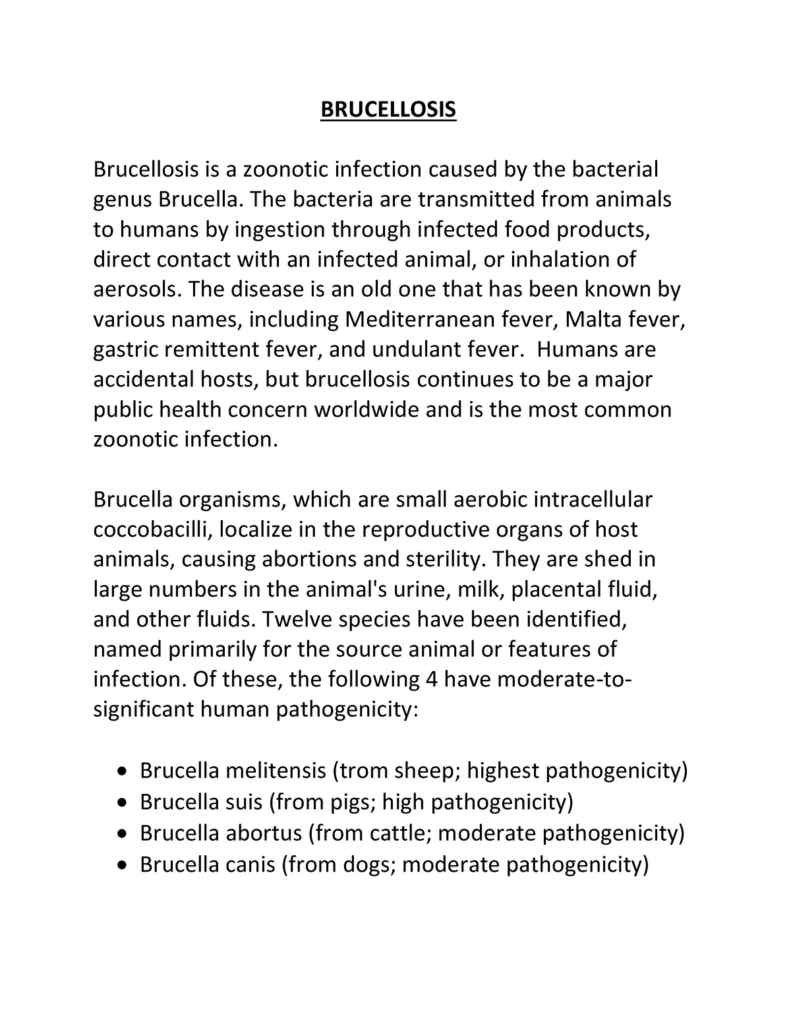
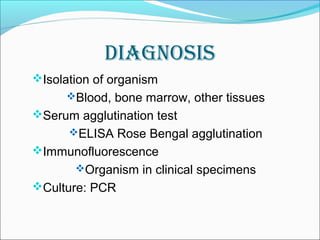
In the assessment phase, the nurse collects data on the patient’s symptoms, medical history, and physical examination findings. Specific assessments for brucellosis include asking the patient about travel to endemic areas, consumption of unpasteurized dairy products, and contact with animals such as livestock or pets. The nurse also assesses for symptoms such as fever, chills, headache, muscle and joint pain, and fatigue. It is important to identify any potential complications, such as endocarditis or neurobrucellosis, which may require immediate medical attention.
Risk factors
Brucellosis is more commonly found in individuals who work with animals or in agricultural settings. People who consume unpasteurized dairy products or come into contact with infected animals are also at higher risk. Other risk factors include living in or traveling to endemic areas where brucellosis is prevalent. The nurse should assess these risk factors in order to identify individuals who may be more susceptible to contracting the disease.
Manifestations
The manifestations of brucellosis can vary among individuals. Common symptoms include fever, chills, sweating, fatigue, and muscle and joint pain. Patients may also experience headache, loss of appetite, weight loss, and gastrointestinal symptoms such as nausea, vomiting, and abdominal pain. In some cases, brucellosis can lead to complications such as endocarditis, neurobrucellosis, or osteoarticular complications. Identifying and monitoring these manifestations is crucial for effective nursing care.
Collaborative problems
Collaborative problems in brucellosis may include the development of complications such as endocarditis, neurobrucellosis, or osteoarticular complications. These problems require close collaboration with the healthcare team, including infectious disease specialists and other specialists as necessary. The nurse plays a key role in early detection and management of these collaborative problems, ensuring timely interventions and appropriate medical management.
Nursing Interventions
Prevention
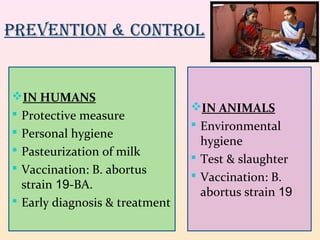
Prevention is an essential nursing intervention for brucellosis. The nurse should educate individuals at risk about the importance of avoiding unpasteurized dairy products, practicing good hygiene, and taking appropriate precautions when handling animals or animal products. Additionally, the nurse should promote vaccination in high-risk individuals and communities, as preventive measures are crucial for reducing the incidence of brucellosis.
Patient education
Patient education is vital to prevent the transmission of brucellosis and to ensure optimal patient outcomes. The nurse should provide information on the transmission routes of the disease, including avoidance of contact with animals and consumption of untreated dairy products. Patients should be educated about the importance of completing their prescribed course of antibiotics and the risk of relapse if not adhered to. Additionally, the nurse should provide guidance on symptom management and when to seek medical attention.
Pharmacological management
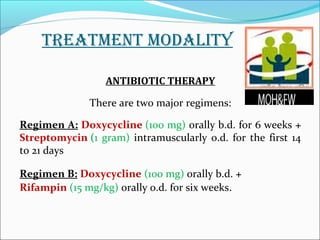
Pharmacological management of brucellosis primarily involves the use of antibiotics. The nurse should collaborate with the healthcare team to ensure timely administration of appropriate antibiotics and monitor the patient’s response to treatment. It is essential to educate patients on the importance of medication adherence and potential side effects. The nurse should also monitor for adverse drug reactions and intervene promptly if necessary.
Monitoring and evaluation
Close monitoring and evaluation are essential throughout the patient’s treatment for brucellosis. The nurse should assess the patient’s response to antibiotics, including the resolution of symptoms and any adverse reactions. Regular monitoring of vital signs, laboratory values, and imaging studies may be necessary to track the progress of the disease and detect any complications. The nurse plays a crucial role in ensuring ongoing assessment, monitoring, and evaluation to support optimal patient outcomes.
Patient Care
Isolation precautions
Isolation precautions are crucial to prevent the transmission of brucellosis to other individuals. The nurse should ensure that appropriate infection control measures, such as wearing personal protective equipment (PPE), are implemented when caring for patients with brucellosis. These precautions may include hand hygiene, wearing gloves, gowns, masks, and eye protection if necessary. Proper disposal of contaminated materials and cleaning and disinfection of the patient’s environment are also essential to minimize the risk of transmission.
Pain management
Pain management is an important aspect of patient care for individuals with brucellosis, as muscle and joint pain are common symptoms. The nurse should assess the patient’s pain level and implement appropriate pain management strategies, which may include the use of analgesics, heat or cold therapy, relaxation techniques, and positioning. By providing effective pain management, the nurse can help improve the patient’s comfort and overall well-being.
Nutritional support
Nutritional support is vital in brucellosis management, as patients may experience decreased appetite and weight loss. The nurse should collaborate with a dietitian to develop a nutrition plan that meets the patient’s individual needs and preferences. Providing small, frequent meals that are nutrient-dense can help ensure adequate caloric and protein intake. The nurse should also monitor the patient’s weight and nutritional status regularly and make appropriate adjustments to the nutrition plan as needed.
Health Promotion
Vaccination
Vaccination is an important component of health promotion in brucellosis. The nurse should educate individuals at risk about the availability and benefits of vaccination. In endemic areas or high-risk populations, vaccination campaigns may be organized to reduce the incidence of brucellosis. The nurse should actively promote vaccination through community outreach programs, educational sessions, and collaboration with public health agencies.
Education and awareness
Education and awareness play a significant role in preventing brucellosis. The nurse should engage in community education initiatives to increase awareness about the disease and its transmission routes. This may involve conducting workshops, distributing educational materials, and collaborating with local schools, workplaces, and community organizations. By promoting knowledge and understanding about brucellosis, the nurse can empower individuals to make informed decisions and take appropriate preventive measures.
Patient Education
Transmission prevention
Patient education on transmission prevention is crucial to reduce the spread of brucellosis. The nurse should provide detailed information on avoiding contact with animals or animal products, including the consumption of unpasteurized dairy products. Patients should be educated on practicing good hygiene, such as washing hands thoroughly after handling animals, animal products, or contaminated objects. By reinforcing these preventive measures, the nurse empowers patients to protect themselves and others from brucellosis.
Medication adherence
Medication adherence is essential in managing brucellosis effectively. The nurse should provide clear instructions on the proper administration of prescribed antibiotics and emphasize the importance of completing the full course of treatment. Patients should be educated about potential side effects of medications and encouraged to report any concerns or adverse reactions promptly. By promoting medication adherence, the nurse ensures the best chance of successful treatment outcomes.
Follow-up care
Follow-up care is crucial after the treatment of brucellosis to monitor for relapse and detect any complications. The nurse should collaborate with the healthcare team to schedule regular follow-up appointments and ensure that the patient adheres to these appointments. During follow-up visits, the nurse should assess the patient’s symptoms, perform physical examinations, and may order laboratory tests or imaging studies as indicated. By providing comprehensive follow-up care, the nurse supports the patient’s long-term health and well-being.
Interdisciplinary Collaborations
Infectious Disease Specialist
Collaboration with an infectious disease specialist is essential in managing brucellosis. The nurse should collaborate with the specialist to determine the appropriate antibiotics, duration of treatment, and management of complications if they arise. The infectious disease specialist can provide valuable expertise in the diagnosis, treatment, and prevention of brucellosis, and the nurse should actively engage in interdisciplinary collaborations to ensure optimal patient care.
Pharmacist
Collaboration with a pharmacist is important in brucellosis management to ensure appropriate medication selection, dose calculation, and monitoring for drug interactions or adverse effects. The nurse should engage in regular communication with the pharmacist, providing necessary patient information and seeking guidance on specific medication-related concerns. By working collaboratively with the pharmacist, the nurse can optimize medication therapy for individuals with brucellosis.
Evidence-Based Practice
Guidelines for prevention and treatment
Adhering to evidence-based guidelines is essential in managing brucellosis effectively. The nurse should stay updated with current guidelines from reputable sources, such as the Centers for Disease Control and Prevention (CDC) or World Health Organization (WHO). By following evidence-based practices, the nurse can ensure that interventions and treatments provided are based on the latest research and have been proven to be effective in preventing and treating brucellosis.
Research studies and findings
Keeping abreast of research studies and findings is important in providing high-quality nursing care for brucellosis. The nurse should access and evaluate current literature related to brucellosis to stay informed about emerging trends, treatment modalities, and prevention strategies. The nurse can use research findings to guide clinical practice, enhance patient education, and advocate for evidence-based changes in healthcare policies and protocols related to brucellosis.
Complications and Prognosis
Long-term effects
Brucellosis can have long-term effects on individuals, especially if complications arise. Endocarditis, neurobrucellosis, and osteoarticular complications are potential long-term effects that may require ongoing medical management. The nurse should educate patients about the potential long-term effects of brucellosis, including the need for regular follow-up care and monitoring to detect and manage any complications promptly. By providing comprehensive education and support, the nurse can help mitigate the long-term effects of brucellosis.
Prognostic factors
Prognostic factors in brucellosis can vary depending on the individual and the presence of complications. Patients who are diagnosed and treated early have a better prognosis compared to those with delayed diagnosis or treatment. The nurse should collaborate with the healthcare team to identify any specific risk factors or complications that may affect the patient’s prognosis. By recognizing these prognostic factors, the nurse can facilitate appropriate interventions and provide necessary support throughout the patient’s treatment and recovery.
Nursing Documentation
Accurate and timely documentation
Accurate and timely documentation is crucial for effective nursing care in brucellosis management. The nurse should document all assessments, interventions, and evaluations in a timely manner, ensuring that information is accurate, comprehensive, and objective. Documentation should include the patient’s symptoms, vital signs, medication administration, response to treatment, and any complications or concerns. Clear and concise documentation allows for continuity of care, communication among healthcare providers, and tracking of the patient’s progress over time.
Use of standardized language
The use of standardized language in nursing documentation enhances clarity, consistency, and accuracy of information. The nurse should utilize recognized nursing terminologies or standardized nursing language, such as NANDA International nursing diagnoses, to describe the patient’s condition, interventions, and outcomes. Standardized language ensures that nursing documentation is understood uniformly by other healthcare providers and facilitates effective communication. By utilizing standardized language, the nurse promotes effective interdisciplinary collaboration and supports evidence-based practice.
Self-Care for Nurses
Preventing occupational exposure
Preventing occupational exposure to brucellosis is crucial for the nurse’s safety and well-being. The nurse should follow infection control guidelines, such as wearing appropriate personal protective equipment (PPE), when providing care to patients with brucellosis. Proper hand hygiene, adherence to isolation precautions, and safe handling and disposal of contaminated materials are essential to minimize the risk of occupational exposure. By prioritizing self-care and taking necessary precautions, the nurse protects themselves and avoids potential occupational hazards.
Psychological support
Providing psychological support for nurses is important in managing the stress and emotional toll that caring for patients with brucellosis can bring. The nurse should have access to resources, such as counseling services or debriefing sessions, to address any emotional or psychological challenges encountered while caring for patients with brucellosis. By promoting self-care and psychological well-being, healthcare organizations can help nurses maintain their resilience and provide optimal care to patients with brucellosis.
In conclusion, nursing considerations for brucellosis encompass a comprehensive approach to assessment, prevention, patient care, health promotion, patient education, interdisciplinary collaborations, evidence-based practice, complications, nursing documentation, and self-care for nurses. By applying these nursing interventions and strategies, nurses can play a pivotal role in the management and prevention of brucellosis, ensuring optimal patient outcomes and promoting community health and well-being.