
In the world of healthcare, nursing plays a vital role in providing comprehensive care to patients with various medical conditions. When it comes to anorexia nervosa, a serious eating disorder, nurses are at the forefront of managing and supporting individuals on their road to recovery. With a deep understanding of the physical and psychological aspects of this condition, nurses implement crucial nursing considerations and strategies to ensure the well-being and safety of their patients. From creating a supportive environment to closely monitoring nutritional intake, these dedicated professionals navigate the challenges of anorexia nervosa with compassion and expertise, fostering hope and healing along the way.

Assessment
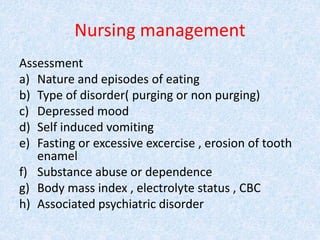
An essential part of caring for individuals with anorexia nervosa is a thorough assessment to gather information about the physical, psychological, and social aspects of their health. This comprehensive evaluation helps healthcare professionals develop an individualized treatment plan that addresses the specific needs of each patient.
Physical assessment
During the physical assessment, healthcare providers will conduct a comprehensive examination to assess the patient’s overall physical health. They will measure vital signs such as blood pressure, heart rate, and temperature, as well as evaluate the patient’s general appearance, body weight, and body mass index (BMI). Assessing the presence of physical complications related to anorexia nervosa, such as hair loss, dry skin, brittle nails, and muscle weakness, is also crucial in determining the severity of the condition and the necessary interventions.
Psychological assessment
In addition to the physical evaluation, a thorough psychological assessment is vital to understand the patient’s thoughts, feelings, and behaviors related to their eating disorder. This assessment may involve standardized questionnaires and interviews to gather information about body image dissatisfaction, distorted beliefs about food and weight, depressive symptoms, and anxiety levels. By gaining insight into the patient’s psychological state, healthcare providers can tailor interventions to address their specific needs and challenges.
Social assessment
Understanding the patient’s social context is essential for effective treatment planning. A social assessment involves exploring the patient’s relationships, support networks, and any external factors that may contribute to the development or perpetuation of anorexia nervosa. This assessment helps healthcare providers identify potential triggers or stressors and collaborate with the patient in developing strategies to address them. Additionally, understanding the patient’s social environment allows for the identification of external sources of support that can promote recovery.
Diagnostic Tests
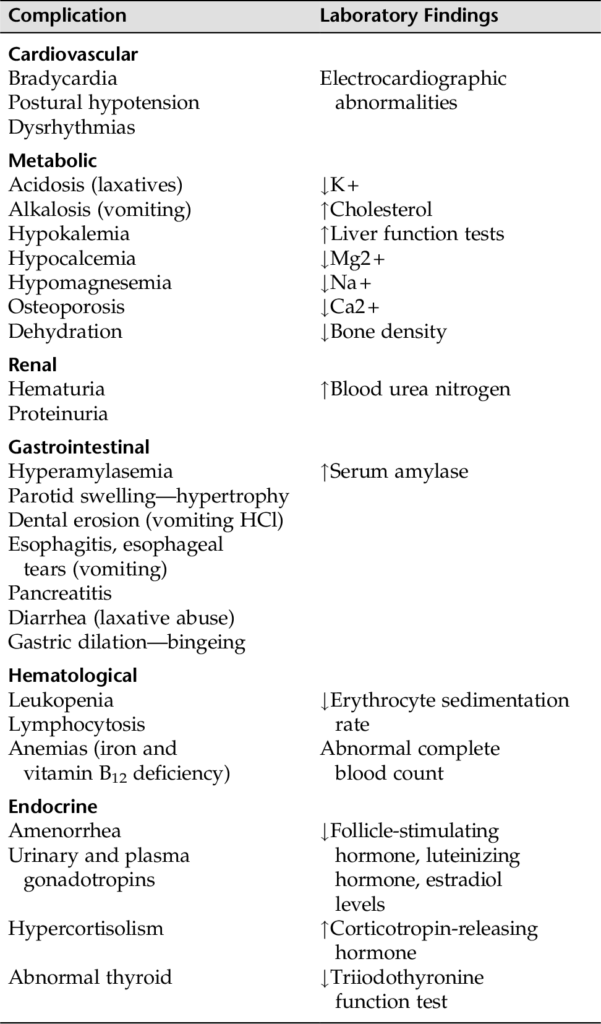
Diagnostic tests play a crucial role in confirming the diagnosis of anorexia nervosa and assessing its impact on various body systems. These tests help determine the severity of complications and inform the treatment plan.
Complete blood count (CBC)
CBC provides valuable information about the patient’s blood cell counts and can indicate potential complications associated with anorexia nervosa, such as anemia, leukopenia (low white blood cell count), and thrombocytopenia (low platelet count). Abnormalities in blood cell counts can guide healthcare professionals in managing these complications and monitoring the patient’s overall health.
Electrolyte panel
Anorexia nervosa can lead to electrolyte imbalances due to inadequate intake and malnutrition. Electrolyte panel tests provide information about serum electrolyte levels, such as sodium, potassium, and chloride. Monitoring these values is crucial as imbalances can affect various body functions, including cardiac and neuromuscular functions. Prompt identification and appropriate management of electrolyte imbalances are vital in preventing life-threatening complications.
Liver function tests
Liver function tests assess the overall health of the liver and detect any potential damage or dysfunction caused by anorexia nervosa. These tests check serum levels of liver enzymes, such as alanine aminotransferase (ALT) and aspartate aminotransferase (AST). Abnormal liver function can indicate liver damage, which requires immediate intervention and close monitoring.
Thyroid function tests
The thyroid gland plays a crucial role in regulating metabolism, and anorexia nervosa can disrupt its normal function. Thyroid function tests measure levels of thyroid-stimulating hormone (TSH), triiodothyronine (T3), and thyroxine (T4). Abnormal results can indicate thyroid dysfunction and guide healthcare providers in managing the patient’s metabolic health.
Bone density scan
Anorexia nervosa often leads to reduced bone mineral density (BMD), which increases the risk of osteoporosis and fractures. Bone density scans, such as dual-energy X-ray absorptiometry (DXA), help assess BMD and identify potential bone health issues. Regular monitoring of BMD is important in guiding interventions to prevent further bone loss and promote bone health restoration.
Electrocardiogram (ECG)
The cardiac complications associated with anorexia nervosa, such as arrhythmias and heart abnormalities, necessitate cardiac monitoring. An electrocardiogram (ECG) assesses the electrical activity of the heart and helps identify any abnormalities. Additionally, an ECG can aid in monitoring the patient’s response to treatment and guide interventions to address cardiac concerns.
Treatment Plan
The treatment plan for anorexia nervosa should be holistic, addressing the physical, psychological, and social aspects of the disorder. A multidisciplinary approach involving healthcare professionals from various specialties is often necessary to provide comprehensive care.
Nutritional therapy
Nutritional therapy is a cornerstone of anorexia nervosa treatment. It aims to restore a healthy and balanced diet to promote weight restoration and improve overall health. A registered dietitian collaborates with the patient to develop an individualized meal plan that addresses nutritional deficiencies and meets the patient’s specific needs. Nutritional therapy may involve regular monitoring of food intake, education on proper nutrition, and the gradual reintroduction of foods to ensure safe weight restoration.
Psychotherapy
Psychotherapy, also known as talk therapy, is an essential component of the treatment plan. Different types of therapy, such as cognitive-behavioral therapy (CBT), interpersonal therapy (IPT), and dialectical behavior therapy (DBT), can help patients address distorted beliefs, negative thoughts, and behavioral patterns associated with anorexia nervosa. Therapy sessions provide individuals with coping mechanisms, strategies for managing triggers, and tools for building a positive body image. The supportive therapeutic environment also allows patients to express their emotions and develop healthier ways of relating to food and their body.
Medical management
In some cases, medical management may be necessary to address specific complications or co-existing health conditions related to anorexia nervosa. Medications may be prescribed to manage comorbidities such as depression, anxiety, or gastrointestinal issues. Close monitoring of medication effectiveness and potential side effects is important to ensure optimal treatment outcomes.
Hospitalization
In severe cases of anorexia nervosa where outpatient treatment is insufficient, hospitalization may be necessary. Hospitalization provides a controlled environment where around-the-clock medical and psychological support can be provided. This level of care ensures nutritional rehabilitation, close monitoring of physical and mental health, and the management of any life-threatening complications.
Healthy Weight Restoration
Achieving and maintaining a healthy weight is crucial in the recovery process for individuals with anorexia nervosa. Healthcare professionals employ various strategies and interventions to support patients in their weight restoration journey.
Patient education
Educating patients about the importance of weight restoration and the long-term effects of anorexia nervosa is essential. Healthcare providers explain the risks associated with malnutrition, bone loss, and hormonal imbalances. By understanding the consequences of the disorder, patients are motivated to engage in a collaborative approach towards healthy weight restoration.
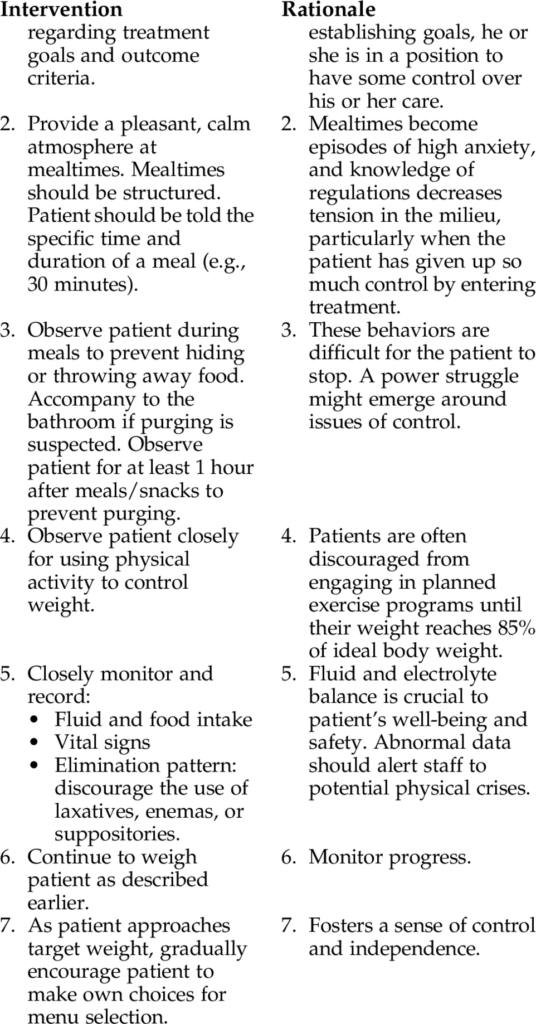
Meal planning and supervision
Structured meal planning and supervision play a significant role in helping patients restore their weight while managing any anxiety or resistance related to food. Guidance from a registered dietitian ensures that patients receive appropriate meal portions, nutritional variety, and balanced macronutrient intake. Healthcare providers may use meal support techniques, such as exposure therapy or mealtime contracts, to address the fear and discomfort surrounding food.
Monitoring weight gain
Monitoring weight gain is an essential part of healthy weight restoration. Healthcare providers regularly assess the patient’s weight, body mass index, and body composition. This allows for adjustments in the treatment plan to ensure consistent progress while minimizing the risk of refeeding syndrome.
Management of refeeding syndrome
Refeeding syndrome is a potential complication that occurs when severely malnourished individuals undergo rapid weight restoration. To prevent refeeding syndrome, healthcare providers follow a gradual and cautious approach to weight restoration. Electrolyte levels, organ function, and fluid balance are closely monitored during the process, and nutritional interventions are adjusted accordingly. This cautious approach minimizes the risk of complications associated with the reintroduction of nutrients.
Psychological Support
Providing psychological support is crucial in helping individuals with anorexia nervosa address the underlying psychological factors contributing to their disorder. Various therapeutic interventions can assist patients in developing a more positive relationship with themselves and their bodies.
Individual therapy
Individual therapy allows patients to work one-on-one with a mental health professional. It provides a safe space for individuals to explore their thoughts, emotions, and behaviors in a supportive and non-judgmental environment. Through individual therapy, patients can gain insights into the factors that contribute to their eating disorder and develop coping strategies to manage triggers and challenges.
Family therapy
Family therapy involves the patient’s loved ones in the treatment process. It aims to improve communication, enhance understanding, and foster supportive relationships within the family system. Family therapy helps address family dynamics that may contribute to the development or maintenance of anorexia nervosa. Engaging the family as a whole promotes a positive and sustainable recovery environment for the patient.
Group therapy
Group therapy provides individuals with anorexia nervosa the opportunity to connect with peers who may be experiencing similar challenges. Participating in group therapy sessions fosters a sense of belonging and reduces feelings of isolation. Patients can share their experiences, provide support to others, and learn from each other’s perspectives. Group therapy also allows for the development of social skills, empathy, and a sense of community, which can be beneficial on the path to recovery.
Cognitive-behavioral therapy
Cognitive-behavioral therapy (CBT) is a proven effective approach in the treatment of anorexia nervosa. CBT helps patients identify and challenge distorted beliefs and thoughts related to food, weight, and body image. By addressing cognitive distortions and implementing behavioral changes, CBT assists individuals in developing healthy attitudes towards food, their bodies, and themselves. CBT techniques may include thought records, exposure therapy, and cognitive restructuring.
Medical Monitoring
Close medical monitoring is essential in managing the physical health of individuals with anorexia nervosa. Regular assessment and interventions help identify and address potential complications associated with the eating disorder.
Vital signs monitoring
Monitoring vital signs, including blood pressure, heart rate, and temperature, is crucial in evaluating the patient’s overall physiological well-being. Vital signs provide essential information about cardiac function, circulatory status, and general stability. Abnormalities in vital signs can indicate underlying complications or the need for immediate medical intervention.
Monitoring lab values
Regular monitoring of lab values, including electrolyte levels, liver function tests, and thyroid function tests, allows healthcare providers to track the patient’s response to treatment and identify any potential abnormalities. These lab values give insight into the patient’s overall health status and aid in detecting early signs of complications.
Cardiac monitoring
Given the increased risk of cardiovascular complications in individuals with anorexia nervosa, cardiac monitoring plays a vital role in ensuring the patient’s well-being. Regular electrocardiograms (ECGs) and continuous cardiac monitoring help detect any changes in heart rhythm or signs of cardiac compromise. Monitoring cardiac function is crucial, as abnormalities can carry life-threatening consequences.
Gastrointestinal monitoring
Anorexia nervosa can lead to gastrointestinal complications such as gastroparesis, constipation, and impaired nutrient absorption. Regular gastrointestinal monitoring aims to identify any signs of distress or dysfunction in the digestive system. Monitoring includes assessing bowel movements, nutritional intake, and the presence of any gastrointestinal symptoms such as bloating or abdominal pain.
Bone health monitoring
Individuals with anorexia nervosa are at increased risk of bone loss and osteoporosis. Regular monitoring of bone health through bone density scans allows healthcare providers to assess the impact of the disorder on the patient’s skeletal system. Monitoring bone health helps guide interventions to prevent further bone loss and promote bone health restoration through appropriate nutritional and physical interventions.
Complications and Interventions
Anorexia nervosa can give rise to various complications that require prompt intervention to prevent further deterioration of the patient’s health.
Electrolyte imbalances
Imbalances in electrolyte levels can arise due to malnutrition and can have severe consequences on multiple body systems. Healthcare providers closely monitor electrolyte levels and intervene promptly with appropriate management strategies when imbalances occur. Treatments may include electrolyte replacement, nutritional adjustments, and intravenous fluid administration.
Cardiovascular complications
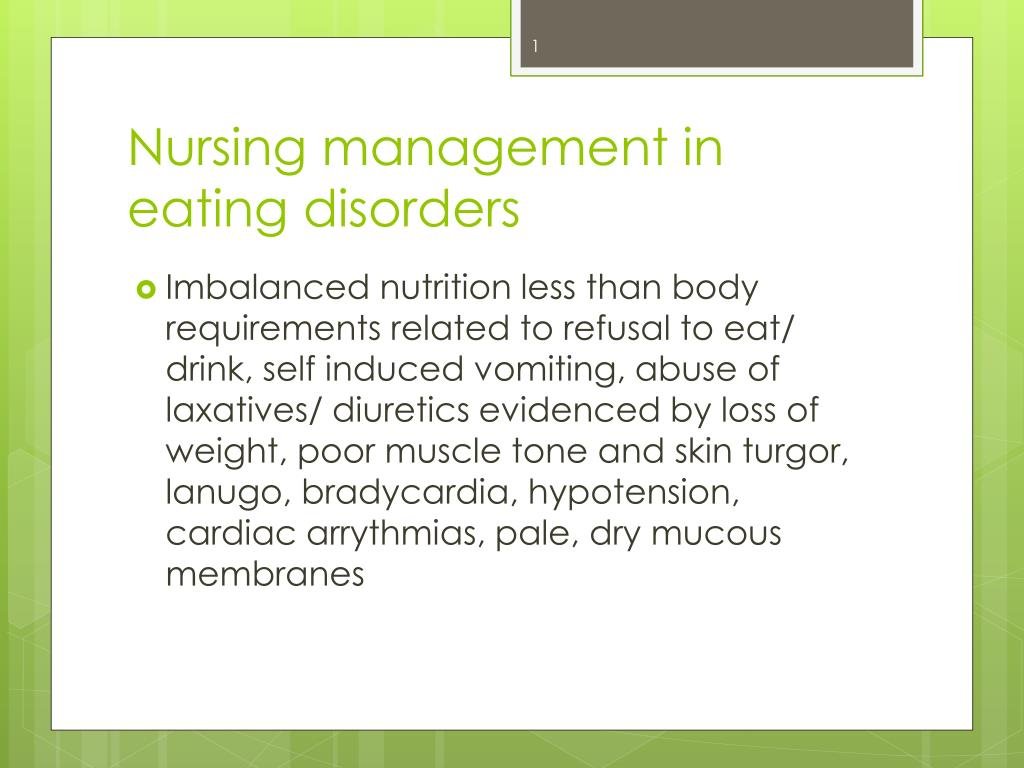
The cardiac complications associated with anorexia nervosa, such as arrhythmias, bradycardia, and hypotension, require immediate intervention. Healthcare providers carefully monitor cardiac function and intervene when abnormalities arise. Interventions may include cardiac medications, intravenous fluids, and close monitoring in an intensive care setting when necessary.
Gastrointestinal complications
Anorexia nervosa can lead to gastrointestinal issues such as gastroparesis, constipation, and gastric dilation. These complications require intervention to address symptoms and prevent further complications. Treatments may involve dietary modifications, medication management, and bowel management techniques.
Depression and suicide risk
Depression is commonly associated with anorexia nervosa and poses a significant risk to patients’ overall well-being. Healthcare providers closely monitor the patient’s mental health and intervene promptly if signs of depression or suicide risk are present. Interventions may include therapy adjustment, medication management, and implementing safety measures to ensure the patient’s safety.
Self-harm behaviors
Individuals with anorexia nervosa may engage in self-harm behaviors as a way to cope with emotional distress. Recognizing and addressing self-harm behaviors is crucial in promoting patient safety and recovery. Healthcare providers employ interventions such as therapy, close monitoring, and creating a supportive environment to address the underlying emotional causes and teach healthier coping mechanisms.
Collaboration and Referrals
Caring for individuals with anorexia nervosa often requires collaboration and referrals to various healthcare professionals and community resources.
Interdisciplinary team involvement
Anorexia nervosa treatment benefits from a multidisciplinary team approach. Collaborations between physicians, registered dietitians, psychologists, psychiatric nurses, and other healthcare professionals ensure comprehensive care and address the different aspects of the disorder. Regular communication and coordination among team members enhance treatment outcomes and provide holistic support to the patient.
Referral to specialists
In complex cases or when specific complications arise, healthcare providers may refer patients to specialists with expertise in specific areas. This ensures that patients receive specialized care tailored to their unique needs. Specialists may include endocrinologists, cardiologists, gastroenterologists, and psychiatrists, among others.
Community support resources
Access to community support resources is crucial in promoting long-term recovery and maintaining a healthy lifestyle. Healthcare providers can connect patients with local support groups, nonprofit organizations, and community-based services that specialize in eating disorder recovery. These resources offer ongoing support and education, providing a strong foundation for sustained recovery.
Self-Care and Coping Strategies
Empowering individuals with anorexia nervosa with self-care activities and coping strategies is vital in helping them develop a healthier relationship with themselves and their bodies.
Promoting self-care activities
Encouraging specific self-care activities tailored to the patient’s interests helps in building a positive self-image and promoting overall well-being. Encouraging patients to engage in activities such as journaling, art therapy, mindfulness exercises, and physical exercise within healthy limits can enhance self-esteem, reduce stress, and boost self-care habits.
Stress management techniques
Teaching stress management techniques equips individuals with anorexia nervosa with the skills to cope with triggers and high-stress situations. Techniques such as deep breathing exercises, progressive muscle relaxation, and guided imagery can help reduce anxiety levels and promote a more balanced mental state.
Encouraging positive coping strategies
Replacing maladaptive coping mechanisms with healthier alternatives is essential in the recovery process. Healthcare providers work with patients to identify positive coping strategies that can take the place of destructive behaviors. These strategies may include engaging in hobbies, practicing self-compassion, seeking social support, and practicing relaxation techniques. Encouraging positive coping strategies fosters resilience and provides alternatives to harmful behaviors.
Education and Advocacy
Education and advocacy efforts are crucial in raising awareness, preventing the development of eating disorders, and promoting comprehensive care for individuals with anorexia nervosa.
Educating patients and families
Providing education to patients and their families about anorexia nervosa helps them understand the causes and consequences of the disorder. Education can encompass topics such as the signs and symptoms of anorexia nervosa, treatment options, and the importance of seeking early intervention. Empowering patients and families with knowledge enables them to actively engage in the treatment process and support the recovery journey.
Promoting awareness and prevention
Raising awareness about anorexia nervosa in schools, communities, and healthcare settings is crucial in preventing its development and early intervention. Educational campaigns, presentations, and workshops that focus on healthy body image, balanced nutrition, and the dangers of extreme dieting can address underlying risk factors and promote positive mental health.
Advocating for policy changes
Advocacy plays a vital role in improving access to quality care for individuals with anorexia nervosa. Healthcare professionals can advocate for policy changes that address insurance coverage for eating disorder treatment, increase funding for research and prevention efforts, and promote the inclusion of eating disorder education in school curricula. By advocating for policy changes, healthcare providers contribute to a more supportive environment for individuals with anorexia nervosa and advance the prevention and treatment of eating disorders as a whole.
In conclusion, caring for individuals with anorexia nervosa requires a comprehensive approach that addresses the physical, psychological, and social aspects of the disorder. Through thorough assessment, diagnostic tests, and close monitoring, healthcare professionals can tailor individualized treatment plans that promote healthy weight restoration, psychological support, and overall well-being. Collaboration, referrals, and community support resources play vital roles in providing holistic care, while self-care activities, stress management techniques, and positive coping strategies empower individuals with anorexia nervosa on their path to recovery. Education and advocacy efforts further enhance prevention, awareness, and access to quality care for individuals affected by anorexia nervosa.