
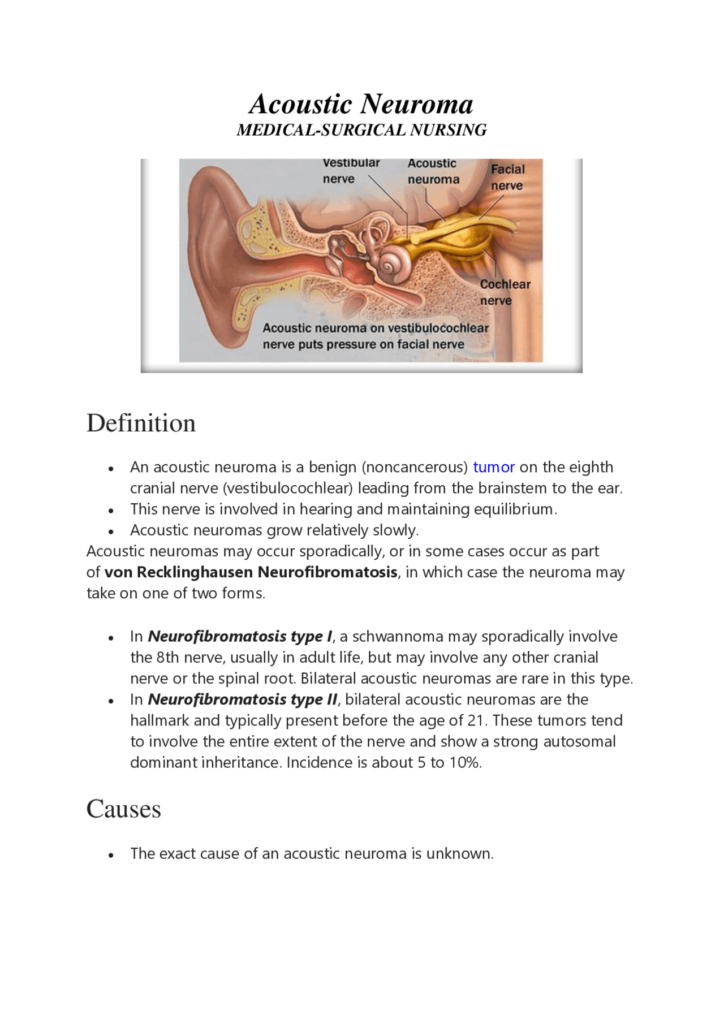
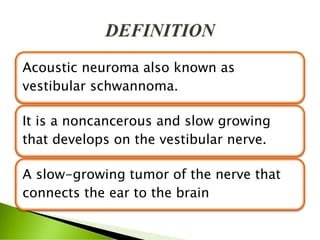
Acoustic neuroma is an uncommon, noncancerous tumor that grows slowly on the main nerve leading from the inner ear to the brain. If you or someone you know has been diagnosed with this condition, it is important to be aware of the nursing considerations and management strategies that can help provide optimal care. From monitoring vital signs to ensuring patient comfort, this article explores the key aspects that nurses need to consider when caring for individuals with acoustic neuroma.
Preoperative Nursing Considerations
Assessment of patient’s medical history
Before the surgery, it is crucial for the nurse to conduct a comprehensive assessment of the patient’s medical history. This includes gathering information about any pre-existing medical conditions, allergies, previous surgeries, and medications the patient is currently taking. Understanding the patient’s medical history will help identify any potential risks or complications that may arise during or after the surgery.
Physical assessment of the patient
In addition to assessing the patient’s medical history, a thorough physical assessment is also necessary. The nurse should perform a head-to-toe examination, paying special attention to the patient’s neurological status, vital signs, and any specific neurologic abnormalities related to the acoustic neuroma. This assessment will assist in determining the patient’s baseline health status and identifying any preoperative factors that may impact the surgical procedure.
Psychosocial assessment
Assessing the patient’s psychosocial well-being is essential to providing holistic care. The nurse should evaluate the patient’s emotional state, support system, and coping mechanisms. The diagnosis of an acoustic neuroma can be emotionally distressing for the patient and their family, and it is important to provide emotional support and address any concerns or fears they may have. Understanding the patient’s psychosocial needs will help tailor the nursing care to meet their individual requirements.
Educating the patient and family about the surgery
Patient and family education is a crucial aspect of preoperative nursing care. The nurse plays a vital role in providing information about the surgery, its potential risks and benefits, and what to expect during the postoperative period. This includes explaining the specific details of the acoustic neuroma surgery, the expected recovery process, and any limitations or restrictions that may be placed on the patient’s activities. Educating the patient and their family empowers them to make informed decisions and promotes their active participation in their care.
Preoperative medication administration
Prior to surgery, the administration of preoperative medications is often necessary to ensure the patient’s safety and comfort. The nurse must adhere to the physician’s orders and accurately administer medications, such as preoperative antibiotics or sedatives, as prescribed. It is crucial for the nurse to consider any allergies or sensitivities the patient may have when administering these medications. Additionally, the nurse should closely monitor the patient’s response to the medications and report any adverse reactions to the healthcare team.
Intraoperative Nursing Considerations
Preparing the patient for surgery
Before entering the operating room, the nurse plays a crucial role in preparing the patient for surgery. This includes ensuring the patient follows the necessary preoperative fasting guidelines and properly prepares their surgical site, such as shaving or disinfecting the area as needed. The nurse should also ensure that the patient is appropriately dressed in a surgical gown and that all necessary documentation and consent forms are in order. Preparing the patient adequately will contribute to a smooth transition into the operating room and promote the patient’s safety and well-being.
Assistance with anesthesia management
During the surgery, the nurse collaborates closely with the anesthesia team to provide support and assistance. This involves monitoring the patient’s vital signs, such as blood pressure, heart rate, and oxygen saturation, and relaying this information to the anesthesia provider. The nurse should also assist with the administration of any necessary medications or fluids and ensure that the anesthesia equipment is functioning properly. Clear and effective communication between the surgical team members is essential to ensure patient safety and optimize surgical outcomes.
Monitoring patient during surgery
Continuous monitoring of the patient is vital during the surgical procedure. The nurse should closely observe the patient’s vital signs, including blood pressure, heart rate, respiratory rate, and oxygen saturation. Additionally, the nurse should monitor the patient’s level of consciousness and awareness, as well as their response to anesthesia. Any significant changes or deviations from the expected parameters should be promptly reported and addressed to prevent potential complications.
Providing surgical instruments and equipment
During the surgery, the nurse plays a crucial role in providing the necessary surgical instruments and equipment to the surgeon and the surgical team. This requires meticulous attention to detail and the ability to anticipate the surgeon’s needs. The nurse should ensure that the surgical instruments are properly sterilized and organized, ready for use when needed. Additionally, the nurse should be knowledgeable about the different surgical procedures and techniques used for acoustic neuroma removal, enabling them to provide the appropriate instruments and equipment throughout the surgery.
Assisting the surgeon during the procedure
The nurse serves as an integral member of the surgical team, providing assistance to the surgeon during the procedure. This assistance may include positioning the patient for optimal access to the surgical site, handing instruments and sutures to the surgeon, and maintaining the sterile field. The nurse should be knowledgeable about surgical techniques and protocols specific to acoustic neuroma removal to effectively assist the surgeon and contribute to a successful surgery. Clear communication and coordination between the nurse and surgeon are essential to ensure a safe and efficient surgical experience.
Postoperative Nursing Considerations
Monitoring vital signs and neurological status
After the surgery, close monitoring of the patient’s vital signs and neurologic status is essential. The nurse should regularly assess the patient’s blood pressure, heart rate, respiratory rate, oxygen saturation, and temperature. Additionally, the nurse should carefully evaluate the patient’s level of consciousness, pupil reaction, and motor responses. Any significant changes or abnormalities should be promptly reported to the healthcare team to ensure early intervention and prevent complications.
Managing pain and discomfort
Postoperative pain management is a priority in nursing care. The nurse should assess the patient’s pain intensity using appropriate pain scales and administer medications as prescribed. It is important for the nurse to closely monitor the patient’s response to pain medication and adjust the dosage as needed. Non-pharmacological pain management strategies, such as positioning, relaxation techniques, and heat therapy, may also be implemented to enhance the patient’s comfort and promote a smooth recovery.
Assisting with wound care and dressing changes
Proper wound care and dressing changes are essential to prevent infection and promote wound healing. The nurse should assess the surgical site for any signs of redness, swelling, or discharge and ensure that the dressing is secure and intact. The nurse should follow strict aseptic technique when handling the wound and changing the dressing to minimize the risk of contamination. Educating the patient and their family on proper wound care techniques and signs of infection is crucial for their active participation in their recovery process.
Monitoring for potential complications
The nurse should closely monitor the patient for any potential postoperative complications related to acoustic neuroma surgery. This includes monitoring for signs of infection, such as fever, increased pain, or purulent drainage from the surgical site. The nurse should also be vigilant for any signs of cerebrospinal fluid leakage, which may present as clear fluid oozing from the wound. Additionally, the nurse should monitor for signs of meningitis, such as severe headaches, neck stiffness, and changes in mental status. Early recognition and prompt intervention are vital in managing and preventing complications.
Educating patient and family about postoperative care
Patient and family education continues in the postoperative period and is crucial for promoting successful recovery. The nurse should provide clear instructions on postoperative care, including wound care, activity restrictions, medication management, and signs of potential complications. This education should be tailored to the individual patient’s needs and preferences, ensuring that they have a comprehensive understanding of the postoperative care plan. Clear and effective communication is essential to empower the patient and their family to actively participate in their recovery process.
Nursing Considerations for Hearing Loss
Assessing hearing abilities preoperatively
Before the surgery, it is essential for the nurse to assess the patient’s hearing abilities. This can be done through a comprehensive hearing evaluation, which may include audiometry, speech audiometry, and auditory brainstem response testing. By understanding the patient’s baseline hearing function, the nurse can plan appropriate interventions and educate the patient on potential changes in hearing that may occur after acoustic neuroma surgery.
Managing hearing loss postoperatively
Following acoustic neuroma surgery, temporary or permanent hearing loss may occur. The nurse plays a pivotal role in managing hearing loss during the postoperative period. This may include providing assistive devices, such as hearing aids or cochlear implants, to enhance communication and improve quality of life. The nurse should educate the patient and their family on the use and care of these devices and provide support and resources to help them adapt to the changes in hearing.
Providing necessary assistive devices
In cases of permanent hearing loss postoperatively, the nurse should collaborate with the audiologist and other members of the healthcare team to assist the patient in obtaining necessary assistive devices. These can include hearing aids, amplifiers, or assistive listening devices. The nurse should provide instructions on the proper use and maintenance of these devices and ensure that the patient has access to ongoing audiological support and follow-up care.
Referring patients for audiological evaluation
The nurse should be proactive in referring patients for audiological evaluation after acoustic neuroma surgery. This may involve collaborating with the audiologist or the hearing loss rehabilitation team to schedule and coordinate appropriate assessments. Regular audiological evaluations enable the healthcare team to monitor the patient’s hearing function, identify any changes or deterioration, and make necessary adjustments to the patient’s management plan.
Educating patient on communication strategies
Hearing loss can significantly impact a patient’s ability to communicate effectively. The nurse should educate the patient and their family on strategies to enhance communication, such as using visual cues, speaking clearly and facing the patient directly, and utilizing communication aids or sign language if necessary. Providing education on effective communication strategies empowers the patient and their family to adapt to the changes in hearing and maintain meaningful connections with others.
Nursing Considerations for Balance Issues
Assessing balance and coordination preoperatively
Preoperatively, the nurse should assess the patient’s balance and coordination abilities. This can be done through various assessments, such as the Romberg test, tandem gait test, and coordination tests. Recognizing any preexisting balance issues helps set a baseline for postoperative comparison and guides the nursing care plan.
Implementing fall prevention measures
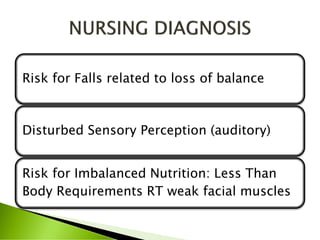
Patients with balance issues are at an increased risk of falls, especially during the postoperative period. The nurse should implement fall prevention measures to ensure the patient’s safety. This may involve making environmental modifications, such as removing trip hazards and providing non-slip surfaces, as well as educating the patient and their family on proper body mechanics and safe ambulation techniques. Regularly assessing the patient’s gait and balance and providing mobility aids, if needed, can also prevent falls and promote healing.
Assisting with physical therapy and rehabilitation
Physical therapy plays a vital role in addressing balance issues and promoting a patient’s overall recovery. The nurse should collaborate with the physical therapist to assist the patient with prescribed exercises and rehabilitation activities. This may include providing support during therapeutic exercises, monitoring the patient’s response to therapy, and reinforcing proper body mechanics or positioning. The nurse’s involvement in the rehabilitation process ensures a comprehensive approach to addressing balance issues and facilitates the patient’s return to optimal functioning.
Educating patient on strategies to improve balance
As part of the nursing care plan, the nurse should educate the patient on strategies to improve balance. This may include providing guidance on exercises that target balance and coordination, promoting regular physical activity, and discussing the importance of maintaining a healthy lifestyle. Additionally, the nurse should educate the patient on proper footwear and assistive devices, if needed, to enhance stability and minimize the risk of falls. Patient education empowers individuals to take an active role in their recovery and helps optimize outcomes.
Monitoring for signs of vertigo or dizziness
Patients with balance issues, specifically those related to the acoustic neuroma, may experience episodes of vertigo or dizziness. The nurse should closely monitor the patient for any signs or symptoms of these conditions, such as lightheadedness, unsteadiness, or spinning sensations. Prompt identification and management of vertigo or dizziness are crucial for the patient’s overall well-being and can prevent further complications. The nurse should report any significant changes to the healthcare team for appropriate intervention.
Psychosocial Nursing Considerations
Assessing patient and family coping mechanisms
Understanding the patient and their family’s coping mechanisms is essential in providing effective psychosocial care. The nurse should assess the patient and their family’s emotional response to the diagnosis and treatment of the acoustic neuroma. This may involve utilizing appropriate assessment tools, conducting interviews, and promoting open communication. Identifying the patient and their family’s coping strengths and challenges helps tailor the nursing interventions to meet their specific psychosocial needs.
Providing emotional support
The nurse serves as a reliable source of emotional support for both the patient and their family. It is important to create a safe and non-judgmental environment where the patient and their family can express their emotions and concerns. Active listening, empathy, and therapeutic communication techniques are essential in providing effective emotional support. The nurse should validate the patient and their family’s feelings, provide reassurance, and offer appropriate coping strategies to help them navigate the emotional challenges they may encounter.
Referring patient and family to support resources
For patients and their families dealing with the diagnosis of an acoustic neuroma, connecting them to support resources is essential. The nurse should be knowledgeable about local support groups, online communities, and counseling services that can provide further assistance. Referring the patient and their family to these resources helps them access additional support, educational materials, and a network of individuals who understand their experiences. This multidimensional support system contributes to the patient’s overall well-being and enhances their coping abilities.
Educating patients and family on long-term psychological impact
Nursing care should extend beyond the immediate postoperative period and acknowledge the potential long-term psychological impact of acoustic neuroma diagnosis and surgery. The nurse should educate the patient and their family on potential psychological sequelae, such as anxiety, depression, or adjustment disorders, that may arise throughout the patient’s recovery journey. By providing this education, the nurse enables the patient and their family to recognize and seek appropriate support if needed. Regular monitoring for signs of depression, anxiety, or other mental health concerns is also essential to ensure timely intervention when necessary.
Monitoring for signs of depression or anxiety
Depression and anxiety are common psychological challenges that patients may face during their acoustic neuroma journey. The nurse should monitor the patient for any signs or symptoms of depression or anxiety, such as persistent sadness, changes in appetite or sleep patterns, feelings of hopelessness, or excessive worry. Open communication and rapport-building with the patient and their family are vital in identifying these psychological concerns. The nurse should promptly report any significant changes or signs of distress to the healthcare team, facilitating appropriate interventions and support.
Nursing Considerations for Facial Nerve Function
Assessing facial nerve function preoperatively
Evaluating the patient’s facial nerve function before the surgery is crucial in determining the baseline and potential outcomes related to the acoustic neuroma. The nurse should assess facial symmetry, the ability to move the face, and any sensory or motor deficits associated with facial nerve dysfunction. This assessment provides an essential foundation for postoperative care planning and allows for accurate comparison post-surgery.
Providing facial exercises and massage postoperatively
After acoustic neuroma surgery, the patient may experience facial weakness or paralysis due to surgical manipulation of the facial nerve. The nurse plays a vital role in providing postoperative care to improve facial muscle strength and function. This may involve teaching the patient facial exercises, including gentle stretching and resistance exercises, to restore muscle tone and mobility. Facial massage techniques may also be beneficial in improving circulation and reducing muscle tension. Close collaboration with the rehabilitation team and regular reassessment of facial nerve function help ensure individualized and targeted interventions.
Monitoring for signs of facial weakness or paralysis
Postoperatively, the nurse should closely monitor the patient for any signs of facial weakness or paralysis. This may include assessing facial symmetry, the ability to smile, blink, or close the eye fully, and the patient’s ability to move the forehead or lips. Timely recognition of facial weakness or paralysis is crucial for early intervention and guiding appropriate treatment strategies. The nurse should document any changes in facial nerve function, communicate these findings to the healthcare team, and implement necessary interventions to support facial nerve recovery.
Assisting with administration of facial nerve medications
In some cases, the healthcare team may prescribe medications to support facial nerve rehabilitation following acoustic neuroma surgery. As part of the nursing care plan, the nurse may assist in the administration of these medications, such as corticosteroids or antiviral medications, as prescribed. The nurse should be knowledgeable about the specific medications, their dosage, and potential side effects to ensure safe and accurate administration. Monitoring the patient’s response to medication and promptly reporting any adverse reactions are essential components of nursing care.
Educating patient on facial nerve rehabilitation
Patient education plays a significant role in promoting facial nerve rehabilitation. The nurse should educate the patient on the importance of participating in facial exercises, adhering to prescribed medications, and maintaining proper facial hygiene. Additionally, the nurse should provide emotional support and reassurance to the patient and their family, as the facial changes following acoustic neuroma surgery can be distressing. Education on the predicted recovery timeline and potential outcomes helps manage expectations and facilitates the patient’s active engagement in their rehabilitation process.
Nursing Considerations for Speech and Swallowing
Assessing speech and swallowing abilities preoperatively
Assessing the patient’s speech and swallowing abilities preoperatively is essential to establish a baseline and identify potential impairments related to the acoustic neuroma. The nurse should utilize appropriate assessment tools and techniques, such as speech-language evaluations and swallowing assessments. This assessment helps guide the nursing care plan and enables the identification of any postoperative changes in speech or swallowing function.
Assisting with speech therapy and swallow evaluations
Collaboration with the speech-language pathology team is crucial in addressing any speech or swallowing difficulties following acoustic neuroma surgery. The nurse should assist in scheduling and facilitating speech therapy sessions and swallow evaluations for the patient. This may include coordinating appointments, providing support during therapy sessions, and reinforcing the recommendations and exercises prescribed by the speech-language pathologist. Regular communication and joint goal-setting with the speech-language pathology team enhance the patient’s outcomes.
Monitoring for signs of dysphagia or dysarthria
Postoperatively, the patient may experience swallowing difficulties, known as dysphagia, or speech difficulties, referred to as dysarthria. The nurse should closely monitor for any signs or symptoms of these conditions, such as difficulty swallowing, choking, hoarseness, or slurred speech. Prompt recognition and reporting of any changes in speech or swallowing function are essential for initiating timely interventions and preventing potential complications. The nurse should collaborate with the speech-language pathology team and other members of the healthcare team to address these issues effectively.
Educating patient on swallowing precautions
To promote safe and effective swallowing postoperatively, the nurse should educate the patient on swallowing precautions. This may include discussing the importance of a modified diet, such as soft or pureed foods, and the avoidance of certain food textures or consistencies that may pose a choking risk. In addition, the nurse should educate the patient on appropriate sitting positions, swallowing techniques, and the importance of taking their time while eating. Patient education on swallowing precautions empowers individuals to actively participate in their recovery and minimize the risk of complications.
Assisting with dietary modifications if needed
For patients experiencing swallowing difficulties, dietary modifications may be necessary to ensure safe and comfortable eating. This may involve providing guidance on appropriate food choices, meal preparation methods, and portion sizes. The nurse should collaborate with the registered dietitian to develop a nutritionally balanced meal plan that meets the patient’s specific dietary and swallowing needs. Regular reassessment of swallowing function and ongoing communication with the healthcare team are vital in tailoring dietary modifications to the patient’s evolving needs.

Nursing Considerations for Postoperative Complications
Monitoring for cerebrospinal fluid leakage
Cerebrospinal fluid leakage is a potential complication following acoustic neuroma surgery. The nurse should closely monitor the patient for any signs or symptoms of cerebrospinal fluid leakage, such as clear or watery drainage from the surgical site, severe headaches, or a salty taste in the mouth. Prompt recognition and reporting of these signs are crucial to prevent complications, such as meningitis or wound infection. Close collaboration with the healthcare team ensures timely interventions and appropriate management strategies.
Recognizing signs of infection
Postoperative wound infection is another possible complication that requires vigilant monitoring. The nurse should assess the surgical site regularly for any signs of infection, such as redness, swelling, increased pain, or the presence of purulent discharge. Additionally, the nurse should monitor the patient for systemic signs of infection, including fever, malaise, or elevated white blood cell count. Early identification and prompt treatment of infection are essential in preventing further complications and promoting optimal wound healing.
Managing headache and nausea
Following acoustic neuroma surgery, it is not uncommon for patients to experience headaches and nausea. The nurse should assess the patient’s pain level and administer appropriate pain medications as prescribed. Additionally, the nurse should implement non-pharmacological strategies, such as relaxation techniques or guided imagery, to manage headaches and promote patient comfort. Medications to alleviate nausea, such as antiemetics, may also be administered as prescribed. Regular reassessment of symptoms and communication with the healthcare team enable effective management of these common postoperative symptoms.
Assisting with pain management
Effective pain management is a crucial aspect of nursing care following acoustic neuroma surgery. The nurse should assess the patient’s pain intensity using appropriate pain scales and administer analgesics as prescribed. It is important to regularly reassess the patient’s pain level and response to medication to ensure optimal pain control. Non-pharmacological pain management strategies, including positioning, cold or heat therapy, or relaxation techniques, may also be implemented to enhance the patient’s comfort. Open communication with the patient and their family facilitates individualized pain management and promotes overall well-being.
Monitoring for signs of meningitis
Meningitis is a potentially life-threatening complication that can occur following acoustic neuroma surgery. The nurse should closely monitor the patient for any signs or symptoms of meningitis, including severe headaches, neck stiffness, photophobia, or changes in mental status. The prompt recognition of these signs is essential for the timely initiation of appropriate interventions, such as antibiotic therapy. Close collaboration with the healthcare team and ongoing monitoring of the patient’s neurological status help ensure optimal patient outcomes.
Ethical and Legal Considerations for Nursing Care
Respecting patient autonomy and informed consent
Respecting the patient’s autonomy and upholding their rights are fundamental ethical principles in nursing care. The nurse should ensure that the patient is fully informed about their condition, treatment options, risks, and benefits before obtaining their informed consent. Patient autonomy should be respected throughout the entire treatment process, allowing them to actively participate in decision-making and express their preferences. The nurse should be knowledgeable about legal and ethical guidelines regarding informed consent and advocate for the patient’s right to be fully informed.
Ensuring patient confidentiality
Protecting patient confidentiality is an ethical and legal requirement in nursing practice. The nurse must uphold professional standards by ensuring that all patient information is kept private and confidential. This includes securing patient records, not discussing patient information in public areas, and adhering to HIPAA regulations. Respecting patient confidentiality builds trust and fosters a safe environment for the patient to share sensitive information. The nurse should prioritize patient privacy and maintain confidentiality at all times.
Advocating for patients’ rights and wishes
As a patient advocate, the nurse plays a vital role in ensuring that the patient’s rights and wishes are respected. This involves actively listening to the patient, respecting their values and beliefs, and advocating for their needs. The nurse should communicate and collaborate with the healthcare team to ensure that the patient’s preferences and decisions are honored. Advocating for patients’ rights involves addressing any concerns or conflicts that may arise and seeking resolutions that align with the patient’s best interests.
Documenting accurately and comprehensively
Accurate and comprehensive documentation is essential to provide quality nursing care and support legal and ethical standards. The nurse should document all nursing assessments, interventions, and patient responses accurately and in a timely manner. Proper documentation should include objective and subjective data, observations, and any changes in the patient’s condition. Additionally, the nurse should adhere to facility-specific documentation guidelines and utilize standardized terminology to ensure consistency and clarity of the documented information.
Adhering to professional and ethical nursing standards
The nurse should uphold professional and ethical nursing standards throughout the entire care process. This includes maintaining competence in nursing practice, maintaining a professional demeanor and appearance, and engaging in ongoing professional development. The nurse should adhere to the code of ethics for nurses, as outlined by professional nursing organizations, and promote ethical decision-making in nursing care. By adhering to these standards, the nurse contributes to the provision of safe and ethical care to the patient.