
Are you a nurse looking for valuable insights and guidance on managing cannabis addiction? Look no further! In this article, we will explore the nursing considerations and management strategies specifically tailored for individuals struggling with cannabis addiction. Gain a comprehensive understanding of the unique challenges and important factors to consider when providing care, as we delve into the crucial role that nurses play in supporting patients on their journey towards recovery. Let’s embark on this informative journey together and equip ourselves with the necessary knowledge to make a positive impact on the lives of those affected by cannabis addiction.

Assessing Cannabis Addiction
Understanding the risk factors
When assessing cannabis addiction, it is essential to understand the factors that contribute to its development. Risk factors for cannabis addiction can include a personal or family history of substance abuse, trauma, mental health disorders, peer influence, and easy access to marijuana. Recognizing these risk factors can help healthcare professionals identify individuals who may be more susceptible to developing cannabis addiction and provide appropriate interventions and support.
Identifying signs and symptoms
To effectively assess cannabis addiction, it is crucial to be familiar with the signs and symptoms associated with its use. Common symptoms may include increased tolerance, cravings, inability to control use, neglecting responsibilities, withdrawal symptoms, and continued use despite negative consequences. Additionally, it is essential to be aware of physical and psychological manifestations, such as bloodshot eyes, impaired cognition, memory problems, and impaired judgment. Recognizing these signs and symptoms early on can help healthcare professionals intervene and provide appropriate treatment.
Conducting a thorough assessment
When conducting a thorough assessment of cannabis addiction, healthcare professionals should gather comprehensive information about the patient’s substance use history, co-occurring disorders, and psychosocial factors. The assessment should include evaluating the frequency and duration of cannabis use, the amount of cannabis used, patterns of use, and the impact it has on the patient’s overall functioning and well-being. It is also important to enquire about any previous attempts at quitting or seeking treatment, as well as the patient’s motivation for change. A thorough assessment will guide healthcare professionals in developing an individualized treatment plan tailored to the patient’s specific needs.
Collaborative Treatment Approach
Working with the interdisciplinary team
A collaborative treatment approach is essential for effectively managing cannabis addiction. Healthcare professionals, including nurses, should work closely with a multidisciplinary team, which may include physicians, psychologists, social workers, and addiction specialists. Each team member brings unique expertise and perspectives, contributing to a holistic and comprehensive treatment plan. Collaboration ensures that all aspects of the patient’s care are addressed, leading to better outcomes.
Incorporating psychosocial interventions
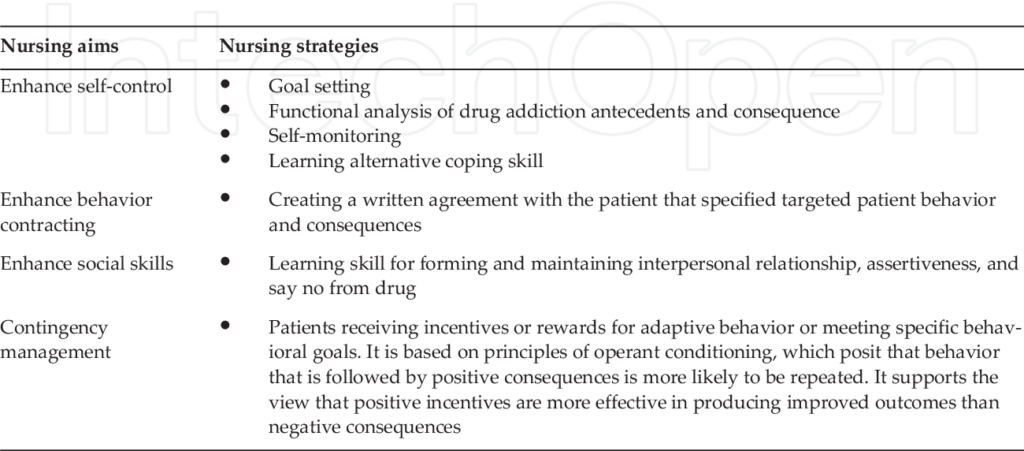
In addition to medication-based treatments, psychosocial interventions play a crucial role in the treatment of cannabis addiction. Approaches such as cognitive-behavioral therapy (CBT), motivational interviewing, and contingency management can be effective in helping individuals overcome addiction. These interventions aim to identify and modify maladaptive thoughts and behaviors, enhance motivation for change, and reinforce positive behaviors. By incorporating psychosocial interventions into the treatment plan, healthcare professionals can support patients in developing healthy coping mechanisms and achieving long-term recovery.
Providing education and counseling
Education and counseling are integral components of the treatment approach for cannabis addiction. Healthcare professionals should provide patients and their families with accurate information about the effects of cannabis use and the risks associated with addiction. By educating patients about the potential consequences of their cannabis use and teaching them strategies to manage cravings and triggers, healthcare professionals can empower them to make informed decisions and take control of their recovery journey. Counseling sessions also offer a safe space for patients to address underlying emotional and psychological issues that may contribute to their addiction.
Pharmacological Interventions
Exploring medication options
Pharmacological interventions can be utilized as part of a comprehensive treatment approach for cannabis addiction. Although there is no FDA-approved medication specifically for cannabis addiction, certain medications may be used off-label to manage withdrawal symptoms and cravings. For example, dronabinol, a synthetic form of THC, may be prescribed to help individuals gradually reduce cannabis use. Additionally, medications that alleviate comorbid mental health symptoms, such as anxiety or depression, may also be prescribed. However, it is essential to consider the individual patient’s needs and carefully weigh the potential benefits and risks of medication interventions.
Assessing potential side effects
When considering pharmacological interventions for cannabis addiction, healthcare professionals must assess potential side effects associated with the medications. Side effects can vary depending on the specific medication prescribed and the individual patient’s response. Common side effects may include drowsiness, dizziness, nausea, headache, and cognitive impairment. Close monitoring and collaboration with the patient are crucial to identify and manage any adverse effects that may occur during the treatment process.
Promoting medication adherence
Promoting medication adherence is essential for the success of pharmacological interventions in managing cannabis addiction. Healthcare professionals should work closely with patients to ensure they understand the importance of taking medications as prescribed and are aware of any potential interactions or restrictions. Regular follow-up appointments, clear instructions, and ongoing support are vital to help patients remain compliant with their medication regimen. Additionally, establishing a trusting and collaborative relationship with patients can foster open communication and address any concerns or challenges they may face.
Relapse Prevention Strategies
Developing an individualized plan
Relapse prevention strategies are crucial in supporting long-term recovery from cannabis addiction. When developing an individualized plan, healthcare professionals should work collaboratively with patients to identify their triggers, stressors, and high-risk situations. The plan should include strategies to cope with cravings, alternative activities to replace drug use, and healthy coping mechanisms. By tailoring the plan to the patient’s specific needs and preferences, healthcare professionals can increase the likelihood of success and reduce the risk of relapse.
Teaching coping mechanisms
Coping mechanisms are essential tools in preventing relapse and promoting sustainable recovery. Healthcare professionals should teach patients a variety of coping strategies, such as relaxation techniques, mindfulness, stress management, and problem-solving skills. By equipping patients with effective coping mechanisms, they can manage cravings, navigate challenging situations, and cope with the underlying issues that may contribute to their addiction. Ongoing support and reinforcement are essential in helping patients build resilience and maintain their recovery journey.
Providing ongoing support and follow-up
Support and follow-up are crucial components of relapse prevention strategies. Healthcare professionals should maintain regular contact with patients to monitor their progress, address any concerns or challenges that arise, and provide ongoing support. Regular check-ins, individual or group therapy sessions, and community support programs can all contribute to an environment of support and accountability. By providing consistent support and follow-up, healthcare professionals can help patients stay motivated, address any potential relapse warning signs, and make adjustments to the treatment plan as needed.
Addressing Co-occurring Disorders
Identifying and treating mental health conditions
Addressing co-occurring mental health conditions is vital in managing cannabis addiction effectively. Many individuals with cannabis addiction also experience comorbid conditions, such as depression, anxiety, or trauma-related disorders. Healthcare professionals must conduct a comprehensive assessment to identify any underlying mental health conditions that may contribute to the addiction. Treatment should then be tailored to address both cannabis addiction and the co-occurring mental health condition simultaneously. Integrated treatment approaches that combine medication, therapy, and support can provide a comprehensive and holistic approach to care.
Understanding the relationship between addiction and mental health
Understanding the complex relationship between addiction and mental health is essential for healthcare professionals managing cannabis addiction. Substance abuse can exacerbate existing mental health conditions and vice versa, creating a cycle of dependency and deteriorating mental well-being. Healthcare professionals should be aware of the reciprocal nature of addiction and mental health and provide interventions that address both aspects of a patient’s well-being. By treating cannabis addiction and co-occurring mental health conditions concurrently, healthcare professionals can assist patients in achieving lasting recovery and improved mental well-being.
Applying integrated treatment approaches
Integrated treatment approaches that address both cannabis addiction and co-occurring mental health conditions are crucial for successful outcomes. By combining medication, therapy, and psychosocial interventions, healthcare professionals can provide a comprehensive and individualized treatment plan. Integrated treatment approaches aim to optimize patient outcomes by addressing the complex interaction between addiction and mental health. Collaborating with mental health specialists and utilizing evidence-based practices can enhance the effectiveness of integrated treatment approaches and improve patient outcomes.
Safe and Supportive Environment
Creating a non-judgmental atmosphere
Creating a non-judgmental atmosphere is essential when managing cannabis addiction. Healthcare professionals should establish an environment where patients feel safe and comfortable discussing their experiences with addiction. By adopting a non-judgmental approach, healthcare professionals can build trust, foster open communication, and reduce the stigma associated with addiction. This safe environment encourages patients to seek help, share their struggles, and actively engage in their treatment journey.
Promoting a sense of community
Promoting a sense of community is essential for individuals recovering from cannabis addiction. Healthcare professionals can facilitate peer support groups or connect patients with community resources where they can find support from others who have gone through similar experiences. Peer support groups offer a sense of belonging, validation, and understanding, which can enhance motivation and increase the likelihood of sustained recovery. Encouraging patients to engage with their treatment community can contribute to a more comprehensive and supportive recovery environment.
Implementing harm reduction strategies
Harm reduction strategies are crucial in managing cannabis addiction and promoting a safe environment for patients. Healthcare professionals should educate patients about harm reduction strategies, such as safe consumption practices, minimizing risky behaviors, and accessing harm reduction resources. By implementing harm reduction strategies, healthcare professionals can mitigate the potential negative consequences of substance use, reduce the risk of harm, and promote the overall well-being of individuals struggling with cannabis addiction.
Cultural Sensitivity
Recognizing cultural beliefs and practices
Recognizing and respecting cultural beliefs and practices is essential when providing care for individuals with cannabis addiction. Healthcare professionals should be aware of the diversity of cultural perspectives on substance use and understand that cultural values may influence an individual’s treatment preferences and decisions. By acknowledging and appreciating cultural diversity, healthcare professionals can provide culturally sensitive care that respects the values, beliefs, and needs of each patient.
Respecting individual values and traditions
Respecting individual values and traditions is crucial in developing a therapeutic relationship with patients. Healthcare professionals should take the time to understand and incorporate the individual values and traditions of each patient into their treatment plan. By respecting and honoring these values and traditions, healthcare professionals can foster trust, enhance engagement, and support patients in their recovery journey.
Providing culturally competent care
Providing culturally competent care requires healthcare professionals to continuously educate themselves about different cultural practices and beliefs. By being open-minded, non-judgmental, and willing to learn, healthcare professionals can provide care that is sensitive to the unique cultural needs of each patient. Culturally competent care not only promotes better patient outcomes but also ensures that healthcare services are accessible and equitable for all individuals.
Ethical and Legal Considerations
Understanding legal implications
Understanding the legal implications of cannabis addiction is essential for healthcare professionals. Laws regarding cannabis use and possession vary from country to country and even within different states or regions. Healthcare professionals should familiarize themselves with the applicable laws and regulations to ensure they provide care that is compliant and respectful of legal requirements. Additionally, healthcare professionals should be aware of their professional obligations and ethical responsibilities when managing cannabis addiction.
Respecting patient autonomy and confidentiality
Respecting patient autonomy and confidentiality is paramount when managing cannabis addiction. Healthcare professionals must obtain informed consent from patients before initiating any treatment interventions or sharing confidential information with other members of the healthcare team. Respecting patient autonomy means involving patients in decisions regarding their care, providing them with accurate information, and supporting their right to make choices about their treatment. Safeguarding patient confidentiality is crucial for maintaining trust and ensuring the privacy of sensitive information.
Navigating ethical dilemmas
Healthcare professionals may encounter ethical dilemmas when managing cannabis addiction. These dilemmas can arise when there is a conflict between the healthcare professional’s personal beliefs and values and the best interests and autonomy of the patient. It is essential for healthcare professionals to navigate these dilemmas by adhering to ethical principles, seeking guidance from colleagues or professional organizations, and engaging in ethical decision-making processes. Open communication, reflection, and consultation can help healthcare professionals make ethically sound decisions and provide optimal care for patients.
Family and Social Support
Involving the patient’s support system
Involving the patient’s support system, including family and close friends, is vital in managing cannabis addiction. Healthcare professionals should collaborate with the patient’s loved ones to provide education, support, and resources. Family members can play an essential role in the recovery process by providing emotional support, encouraging healthy behaviors, and reinforcing treatment goals. By involving the support system, healthcare professionals can create a more comprehensive and sustainable treatment plan.
Educating family members on addiction
Education plays a critical role in supporting the patient’s family members. Healthcare professionals should provide information about addiction, its impact on individuals and families, and strategies to support recovery. Educating family members about the dynamics of addiction can help them better understand and empathize with their loved one’s struggles. Additionally, family members can learn how to establish healthy boundaries, cope with their own emotions, and promote a supportive environment for the patient’s recovery.
Fostering healthy relationships
Building and fostering healthy relationships is crucial for individuals recovering from cannabis addiction. Healthcare professionals should support patients in developing healthy connections, whether through peer support groups, community activities, or family relationships. Strong social support systems can provide encouragement, accountability, and a sense of belonging, which can significantly contribute to sustained recovery. By fostering healthy relationships, healthcare professionals can help patients rebuild their support networks and reduce the risk of relapse.
Continuing Education and Professional Development
Staying updated on current research and treatment approaches
Continuing education is vital for healthcare professionals managing cannabis addiction. As research and treatment approaches evolve, healthcare professionals should stay updated on the latest evidence-based practices and guidelines. This includes regularly accessing reputable resources, attending conferences and workshops, and engaging in professional development activities. Staying informed allows healthcare professionals to provide the highest quality of care and make informed decisions regarding treatment interventions.
Attending workshops and conferences
Attending workshops and conferences can provide healthcare professionals with opportunities to expand their knowledge and skills in managing cannabis addiction. Workshops and conferences offer presentations by experts in the field, discussions on best practices, and opportunities for networking with colleagues. By participating in these educational events, healthcare professionals can enhance their competence and confidence in managing cannabis addiction effectively.
Engaging in self-reflection and self-improvement
Engaging in self-reflection and self-improvement is crucial for healthcare professionals managing cannabis addiction. Regularly assessing one’s own practice, seeking feedback, and engaging in self-directed learning can contribute to professional growth and the delivery of high-quality care. Healthcare professionals should reflect on their experiences, identify areas for improvement, and actively seek opportunities to enhance their skills and knowledge. By continually striving for self-improvement, healthcare professionals can provide the best possible care for individuals recovering from cannabis addiction.