
As a nurse, you play a crucial role in providing care and support for asbestos cancer patients. Understanding the unique needs and challenges they face is essential in delivering effective treatment. In this article, we will explore the important nursing considerations and management strategies that can help improve the quality of life for these patients. By staying informed and implementing the appropriate measures, you can make a significant difference in their journey towards recovery and well-being.
Diagnosis and Assessment

1.1 Obtaining a thorough medical history
When it comes to diagnosing asbestos cancer, obtaining a thorough medical history is crucial. As a nurse, it is essential to gather information about the patient’s past medical conditions, any asbestos exposure they may have had, and any other relevant details. This information can help the healthcare team understand the patient’s background and assess the possible risks and causes of their current condition. By carefully documenting the medical history, nurses play a vital role in supporting accurate diagnosis and appropriate treatment planning.
1.2 Conducting a physical examination
As a nurse, it is within your role to conduct a physical examination of patients suspected or diagnosed with asbestos cancer. During the examination, you will assess different aspects of the patient’s health, such as vital signs, respiratory function, and overall physical well-being. This thorough examination can help identify any signs or symptoms that may indicate the presence of asbestos-related conditions.
1.3 Ordering appropriate diagnostic tests
To confirm the diagnosis of asbestos cancer, further diagnostic tests may be necessary. As a nurse, you will work closely with the healthcare team to order and coordinate these tests for the patient. This may include imaging tests, such as X-rays, CT scans, or PET scans, to evaluate the extent of the cancer and identify any metastasis. Additionally, laboratory tests, such as blood work or biopsies, may be required to analyze the presence of asbestos-related markers. By ensuring timely and accurate diagnostic testing, nurses play a crucial role in ensuring effective management and treatment planning for asbestos cancer patients.
1.4 Identifying asbestos exposure history
Identifying the patient’s history of asbestos exposure is a crucial step in managing asbestos-related conditions. As a nurse, you will gather information about the patient’s occupational history, as asbestos exposure typically occurs in certain industries and occupations. Additionally, you will inquire about any other potential sources of exposure, such as living in or near areas with asbestos-containing materials. By identifying the extent of asbestos exposure, nurses can help in establishing a connection between the exposure and the development of asbestos-related conditions. This information will guide the healthcare team in providing appropriate care and treatment options for the patient.
Psychological Support
2.1 Recognizing emotional distress in patients
Receiving a diagnosis of asbestos cancer can be emotionally distressing for patients. As a nurse, it is vital to be attentive to the emotional well-being of the patient. Look for signs of anxiety, depression, fear, or other emotional distress. Be empathetic, listen actively, and create a safe space where patients can express their feelings. By recognizing and addressing their emotional distress, nurses can play a significant role in providing holistic care to asbestos cancer patients.
2.2 Providing counseling and emotional support
Patients with asbestos cancer may benefit from counseling and emotional support as they navigate their diagnosis and treatment. As a nurse, you can offer emotional support by actively listening, providing reassurance, and offering information about available resources. Collaborate with mental health professionals to provide counseling services or referrals for those in need. Creating a supportive environment can positively impact their emotional well-being and help them cope with the challenges they face.

2.3 Promoting a positive outlook
Maintaining a positive outlook can significantly impact a patient’s quality of life during their asbestos cancer journey. As a nurse, you can play an essential role in promoting a positive outlook by fostering hope and optimism. Encourage patients to focus on their strengths, engage in activities they enjoy, and connect with their loved ones. By providing continuous support and encouragement, nurses contribute to the overall well-being of patients and contribute to their emotional resilience.
2.4 Collaborating with mental health professionals
Asbestos cancer patients may require specialized mental health support at various stages of their illness. As a nurse, collaborating with mental health professionals is crucial to ensure comprehensive care. Discuss patient needs and work together to develop appropriate interventions that address the emotional, psychological, and social aspects of their well-being. By collaborating with mental health professionals, nurses contribute to a holistic approach to care for asbestos cancer patients.
Symptom Management
3.1 Addressing pain and discomfort
Pain and discomfort are common symptoms experienced by asbestos cancer patients. As a nurse, it is essential to assess and manage these symptoms effectively. Utilize appropriate pain assessment tools to evaluate the intensity and characteristics of the pain. Collaborate with the healthcare team to develop individualized pain management plans, which may include medication, physical therapy, relaxation techniques, or complementary therapies. Regularly assess the effectiveness of pain management strategies and adjust as needed to ensure optimal comfort and quality of life for patients.
3.2 Managing respiratory symptoms
Given that asbestos cancer primarily affects the respiratory system, it is crucial to effectively manage respiratory symptoms. As a nurse, closely monitor patients’ respiratory status, including their oxygen saturation levels, breathing patterns, and any signs of respiratory distress. Collaborate with healthcare professionals to develop personalized treatment plans, which may include bronchodilators, oxygen therapy, chest physiotherapy, or pulmonary rehabilitation. Educate patients on techniques to manage breathlessness, such as pursed-lip breathing and relaxation exercises, to enhance their ability to cope with respiratory symptoms.
3.3 Alleviating gastrointestinal symptoms
Asbestos cancer patients may experience gastrointestinal symptoms, such as nausea, vomiting, or changes in appetite. It is essential for nurses to address these symptoms to ensure patients receive proper nutrition and hydration. Assess the severity and impact of gastrointestinal symptoms and collaborate with the healthcare team to develop appropriate interventions, such as antiemetics, dietary modifications, or small and frequent meals. Consider consulting with a dietitian for tailored nutritional recommendations to accommodate any dietary restrictions or challenges associated with asbestos cancer.
3.4 Treating other comorbidities
Asbestos cancer patients may have additional comorbidities that require management alongside their primary condition. As a nurse, it is crucial to assess and address these comorbidities to ensure comprehensive care. Collaborate with the healthcare team to develop appropriate treatment plans, closely monitor symptoms, and provide necessary interventions. By managing and treating comorbidities effectively, nurses contribute to the overall well-being and enhanced quality of life for asbestos cancer patients.
Education and Information
4.1 Providing clear and accurate information about asbestos cancer
Education and information are essential components of nursing care for asbestos cancer patients. As a nurse, provide clear and accurate information about asbestos cancer, its causes, risk factors, treatment options, and prognosis. Help patients understand their diagnosis, investigation results, and the rationale behind recommended treatments. Offer educational materials, brochures, or reliable online resources to supplement discussions and empower patients to make informed decisions about their care.
4.2 Educating patients about treatment options
Empowering patients to actively participate in their treatment decisions is vital. As a nurse, educate patients about the available treatment options for asbestos cancer, their potential benefits, risks, and side effects. Explain the rationale behind the recommended treatment plan and address any concerns or questions patients may have. By providing comprehensive education on treatment options, nurses support patients in making informed choices that align with their goals and values.
4.3 Teaching self-care strategies
Encouraging self-care strategies can enhance the well-being and sense of control for asbestos cancer patients. As a nurse, educate patients about proper self-care techniques, including managing medication schedules, recognizing and managing treatment side effects, and maintaining a healthy lifestyle. Provide guidance on incorporating physical activity, good nutrition, stress management, and quality sleep into their routine. By promoting self-care, nurses empower patients to take an active role in managing their health and help enhance their overall well-being.
4.4 Offering resources for further learning
Asbestos cancer patients and their families may benefit from additional resources to further their understanding and cope with the challenges they face. As a nurse, provide information about support groups, online forums, and reputable organizations specializing in asbestos cancer support. Share educational materials, pamphlets, or websites that offer reliable and up-to-date information on asbestos cancer. By offering resources for further learning, nurses contribute to the ongoing support and education of patients and their families.
Palliative Care
5.1 Collaborating with the palliative care team
For patients with advanced asbestos cancer, palliative care becomes an essential aspect of their overall care. As a nurse, collaborate closely with the palliative care team to ensure a holistic approach to symptom management and psychosocial support. Work together to develop effective care plans that address pain relief, symptom control, psychological well-being, and spiritual needs. By integrating palliative care into the patient’s plan of care, nurses contribute to improving their quality of life and overall well-being.
5.2 Managing pain and other symptoms
In palliative care, the management of pain and other distressing symptoms becomes a priority. As a nurse, assess and manage pain and other symptoms effectively by employing a multidimensional approach. Utilize appropriate pain assessment tools, collaborate with the healthcare team to determine the optimal medication regimen, and implement non-pharmacological interventions to provide comfort and relief. Regularly evaluate the effectiveness of symptom management interventions and adjust the plan as needed to ensure optimal symptom control and improve the patient’s overall quality of life.
5.3 Addressing psychosocial and spiritual needs
In addition to physical symptoms, patients with asbestos cancer have unique psychosocial and spiritual needs. As a nurse, adopt a holistic approach to care by addressing these aspects of the patient’s well-being. Encourage open communication, active listening, and validation of their emotions and concerns. Collaborate with social workers, psychologists, or spiritual care providers to support patients and their families in finding meaning, coping with grief and loss, and enhancing their overall sense of well-being.
5.4 Facilitating end-of-life discussions
End-of-life discussions are sensitive but essential conversations to have with asbestos cancer patients and their families. As a nurse, facilitate these discussions by providing a safe and supportive environment for open communication. Offer information about advance care planning options, such as living wills or healthcare proxies, and help patients define their treatment preferences and goals. Collaborate with the palliative care team to ensure patients’ wishes are respected and documented in their care plan. By facilitating end-of-life discussions, nurses ensure patients are empowered to make decisions that align with their values, promote dignity, and enhance their overall end-of-life experience.
Medication Administration
6.1 Administering chemotherapy drugs
Chemotherapy is a common treatment modality for asbestos cancer. As a nurse, you play a crucial role in administering chemotherapy drugs to patients. Prioritize patient safety by adhering to medication administration protocols, verifying the correct chemotherapy regimen, and accessing appropriate infusion devices. Implement effective communication strategies with the healthcare team to ensure accurate medication orders and address any concerns or questions patients may have. By administering chemotherapy drugs safely and efficiently, nurses facilitate the effectiveness of treatment and support patient well-being.
6.2 Monitoring for adverse drug reactions
Asbestos cancer patients undergoing chemotherapy treatment may experience adverse drug reactions. As a nurse, closely monitor patients for any signs or symptoms of adverse reactions, such as hypersensitivity, neutropenia, or gastrointestinal disturbances. Promptly assess and report any changes to the healthcare team for timely intervention. Educate patients about common side effects, self-monitoring strategies, and when to seek medical attention. By monitoring for adverse drug reactions, nurses optimize patient safety and promote treatment adherence and tolerability.
6.3 Providing supportive care during treatment
Chemotherapy treatment can be physically and emotionally challenging for asbestos cancer patients. As a nurse, provide supportive care during treatment to minimize side effects and enhance patient comfort. Utilize evidence-based interventions to manage chemotherapy-induced nausea and vomiting, peripheral neuropathy, fatigue, or mucositis. Offer emotional support and education to help patients cope with treatment-related concerns. By delivering supportive care, nurses ensure patient well-being throughout the course of their treatment.
6.4 Educating patients about medication regimen
Patient education about their medication regimen is essential for treatment adherence and optimal outcomes. As a nurse, provide thorough education about chemotherapy medications, their purpose, administration schedules, potential side effects, and management strategies. Use patient-friendly language and visual aids to enhance understanding and adherence. Encourage open dialogue, answer questions, and address any concerns or misconceptions patients may have. By educating patients about their medication regimen, nurses empower patients to take an active role in their treatment and contribute to their overall well-being.
Nutritional Support
7.1 Assessing nutritional status
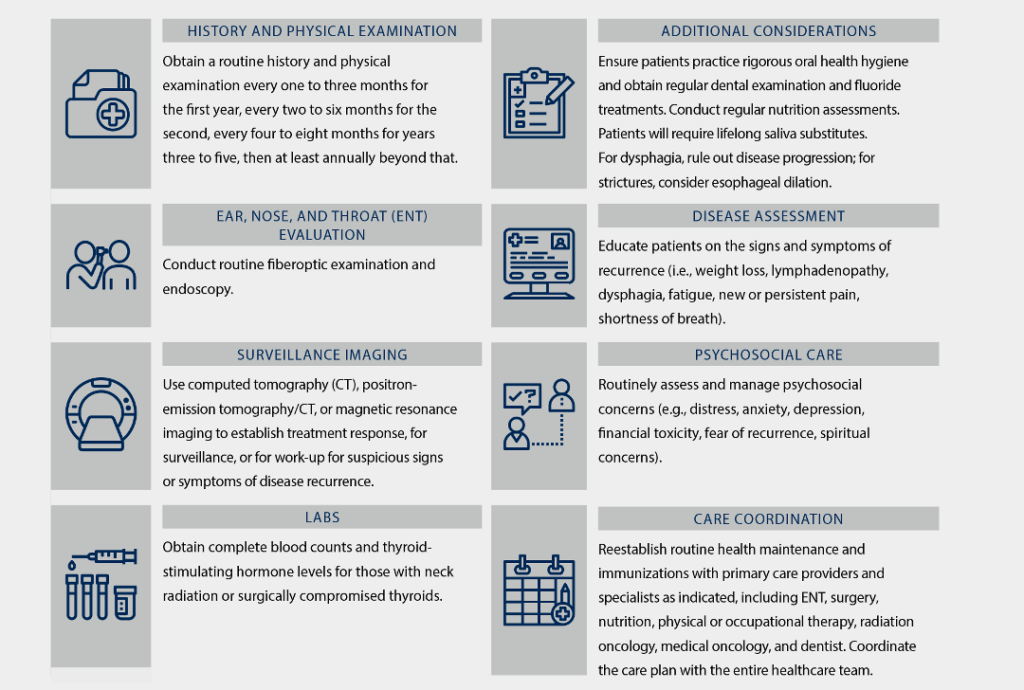
Asbestos cancer patients may experience nutritional challenges that can affect their overall health and treatment outcomes. As a nurse, assess their nutritional status by evaluating their dietary intake, weight changes, and nutritional deficiencies. Use validated tools, such as nutritional assessment scales, to identify areas that require intervention. Collaborate with dietitians to conduct a comprehensive assessment and develop individualized dietary plans.
7.2 Developing individualized dietary plans
Individualized dietary plans are crucial to meet the unique nutritional needs of asbestos cancer patients. Work collaboratively with dietitians to develop dietary plans that address nutritional deficiencies, optimize energy intake, and support treatment outcomes. Consider any dietary restrictions or specific needs related to the patient’s treatment, such as managing chemotherapy-induced taste changes or gastrointestinal side effects. Communicate the recommended dietary plans effectively to patients and their families, addressing any questions or concerns they may have.
7.3 Monitoring weight and addressing nutritional deficiencies
Regular monitoring of the patient’s weight is essential to assess nutritional status and identify any changes that may require intervention. As a nurse, ensure the accurate measurement of weight and collaborate with dietitians to interpret and address any significant weight changes. Monitor for signs of malnutrition or specific nutritional deficiencies, such as anemia or vitamin deficiencies, and collaborate with the healthcare team to intervene promptly through dietary adjustments or oral supplements. Educate patients about the importance of maintaining proper nutrition and provide resources for nutritional support as needed.
7.4 Collaborating with dietitians
Collaboration with dietitians is crucial for providing optimal nutritional support to asbestos cancer patients. Work closely with dietitians to ensure comprehensive nutritional assessments, individualized dietary plans, and ongoing monitoring of the patient’s nutritional status. Collaborate to address specific challenges patients may face, such as managing treatment-related dietary restrictions or addressing unique dietary preferences. By collaborating with dietitians, nurses contribute to the overall well-being and improved treatment outcomes of asbestos cancer patients.
Infection Control
8.1 Implementing strict infection control measures
Infection control is of utmost importance when caring for asbestos cancer patients, as they may be immunocompromised due to their underlying condition or treatment regimens. As a nurse, strictly adhere to infection control protocols, including proper hand hygiene, sterile procedures, and appropriate use of personal protective equipment. Ensure a clean and safe environment for patients by meticulously cleaning and disinfecting equipment and surfaces. By implementing strict infection control measures, nurses minimize the risk of nosocomial infections and promote patient safety.
8.2 Educating patients and family members about infection prevention
Education is key in preventing infections among asbestos cancer patients. As a nurse, educate patients and their family members about infection prevention strategies. This includes proper hand hygiene, respiratory etiquette, and recognizing signs of infection. Provide guidance on how to maintain a clean environment at home to minimize exposure to pathogens. By ensuring patients and their families are equipped with the necessary information, nurses empower them to actively participate in infection prevention measures.
8.3 Monitoring for signs of infection
Constant monitoring for signs and symptoms of infection is essential in identifying infections early and initiating prompt treatment. As a nurse, closely observe patients for any indications of infection, such as fever, increased respiratory rate, changes in wound appearance, or the presence of unusual discharge. Report any concerns promptly to the healthcare team and collaborate in conducting appropriate diagnostic tests to confirm or rule out infection. By vigilant monitoring for signs of infection, nurses contribute to timely intervention and improved patient outcomes.
8.4 Promptly initiating appropriate treatment
Timely initiation of appropriate treatment is critical in managing infections among asbestos cancer patients. As a nurse, collaborate with the healthcare team to develop protocols that guide the prompt initiation of appropriate treatment based on the type of infection. Administer prescribed antibiotics or antifungal medications as indicated, closely monitor patient response, and communicate any changes or concerns to the healthcare team. By promptly initiating appropriate treatment, nurses help contain and manage infections effectively, reducing potential complications and promoting patient well-being.
Collaboration with Multidisciplinary Team
9.1 Participating in interdisciplinary meetings and consultations
Collaboration with the multidisciplinary team is essential in the comprehensive care of asbestos cancer patients. As a nurse, actively participate in interdisciplinary meetings and consultations to ensure effective communication and coordination of care. Contribute your expertise, observations, and insights to the decision-making process, actively advocate for patients, and ensure their needs are addressed from a holistic standpoint.
9.2 Communicating with physicians, oncologists, and other healthcare professionals
Clear and effective communication with physicians, oncologists, and other healthcare professionals is paramount in the care of asbestos cancer patients. As a nurse, establish open lines of communication, share relevant information and patient updates, and seek clarification or further guidance when needed. Ensure accurate documentation of patient information and interventions to facilitate continuity of care across healthcare providers.
9.3 Coordinating care with other departments
Asbestos cancer patients often require care from multiple departments or specialties. As a nurse, take on the role of care coordinator, facilitating seamless collaboration among different departments involved in the patient’s care. Communicate relevant patient information, coordinate appointments, and ensure timely response to patient and healthcare team needs. By effectively coordinating care, nurses help optimize patient outcomes and ensure a comprehensive approach to their care.
9.4 Ensuring continuity of care
Maintaining continuity of care is crucial for asbestos cancer patients as they navigate their treatment journey. As a nurse, ensure the smooth transition of care across settings and healthcare providers. Facilitate the transfer of pertinent patient information, coordinate follow-up appointments, and provide patient education and instructions for continued care at home. By ensuring continuity of care, nurses support patients in receiving consistent and quality care throughout their asbestos cancer treatment.
Supportive Care Initiatives
10.1 Facilitating access to support groups
Support groups can provide invaluable emotional and psychosocial support for asbestos cancer patients. As a nurse, facilitate access to support groups, whether in-person or online, and provide information about relevant support group resources. Encourage patients to connect with individuals who share similar experiences, allowing them to gain a sense of belonging, share coping strategies, and learn from one another. By facilitating access to support groups, nurses contribute to the emotional well-being and peer support networks of asbestos cancer patients.
10.2 Encouraging patient involvement in decision-making
Encouraging patient involvement in decision-making fosters a sense of empowerment and autonomy in their asbestos cancer journey. As a nurse, actively engage patients in their care plans, explain treatment options, and seek their input in decision-making processes. Respect their choices and preferences, and provide the necessary support and information to help them make informed decisions. By encouraging patient involvement in decision-making, nurses empower patients to take an active role in their care and enhance their overall treatment experience.
10.3 Providing spiritual care
Spiritual care is important for many individuals facing asbestos cancer diagnosis and treatment. As a nurse, respect and support patients’ spiritual beliefs and practices. Provide a non-judgmental environment where patients can freely express their spiritual needs, concerns, or questions. Collaborate with spiritual care providers to offer prayer, meditation, or other spiritual resources as requested. By providing spiritual care, nurses address the holistic needs of asbestos cancer patients, offering comfort and support for their emotional and spiritual well-being.
10.4 Assisting with advance care planning
Advance care planning allows asbestos cancer patients to make informed decisions about their treatment preferences, values, and goals for future healthcare. As a nurse, facilitate advance care planning discussions and assist patients in documenting their preferences. Offer information about advance directives, living wills, and healthcare proxies, and ensure the patient’s wishes are communicated to the healthcare team and documented in their medical records. By assisting with advance care planning, nurses ensure that patients’ medical decisions align with their values, even if they become unable to express their wishes in the future.