
Bruxism, commonly referred to as teeth grinding, is a condition that affects many individuals across the globe. For nurses, it is crucial to have a comprehensive understanding of the implications and management strategies for this condition. In this article, we will explore the key nursing considerations for bruxism, highlighting the various factors that contribute to its development and discussing the nursing interventions that can effectively alleviate its symptoms. So, if you are a nurse seeking to enhance your knowledge and provide optimal care for patients with bruxism, this article is for you.
Definition of Bruxism
Bruxism as a Dental Condition
Bruxism is a dental condition characterized by the involuntary grinding or clenching of teeth. It often occurs during sleep but can also happen during waking hours. People with bruxism often unconsciously apply excessive force to their teeth, leading to various oral health issues. While occasional teeth grinding may not be a cause for concern, chronic bruxism can have significant implications for overall oral health if left untreated.
Types of Bruxism
There are two main types of bruxism: awake bruxism and sleep bruxism. Awake bruxism refers to teeth grinding or clenching that occurs while the individual is awake. This type of bruxism is typically associated with ongoing stress or anxiety. On the other hand, sleep bruxism occurs during sleep and is often related to sleep disorders such as sleep apnea. Both types of bruxism can have similar effects on oral health and may require appropriate management.
Prevalence of Bruxism
Bruxism is a relatively common condition that affects a significant portion of the population. It is estimated that approximately 8-10% of adults and up to 15% of children experience bruxism at some point in their lives. The prevalence of bruxism tends to vary among different age groups, with higher rates reported in children and adolescents. However, bruxism can persist into adulthood and may require ongoing management. Understanding the causes and impact of bruxism is essential for effective nursing considerations and management strategies.
Causes of Bruxism
Stress and Anxiety
Stress and anxiety are among the primary causes of bruxism. Individuals who are under significant emotional or psychological stress are more likely to grind their teeth or clench their jaw. The exact mechanisms linking stress and bruxism are not fully understood, but it is believed that the increased muscle tension and activation of the fight-or-flight response contribute to teeth grinding. Nursing professionals should be aware of the role of stress and anxiety in bruxism and explore appropriate management strategies with patients.
Malocclusion
Malocclusion refers to the misalignment of the teeth and jaws. It can be a contributing factor to bruxism, as the misalignment puts abnormal pressure on certain teeth, leading to grinding or clenching. Malocclusion can result from various factors, including genetics, childhood habits such as thumb sucking or pacifier use, or dental trauma. Identifying malocclusion as a potential cause of bruxism is crucial for nursing professionals in developing a comprehensive management plan.
Sleep Disorders
Bruxism is often associated with sleep disorders such as sleep apnea. Sleep apnea is a condition characterized by pauses in breathing during sleep, leading to fragmented sleep patterns and oxygen deprivation. Individuals with sleep apnea are more prone to bruxism, likely due to the disrupted sleep architecture and increased muscle tension. Nursing professionals should collaborate with sleep specialists to assess and manage sleep disorders in patients presenting with bruxism symptoms.
Medications and Substances
Certain medications and substances can also contribute to the development or exacerbation of bruxism. Stimulants such as caffeine and nicotine can increase muscle activity and promote teeth grinding. Additionally, some antidepressant medications have been associated with bruxism as a side effect. It is essential for nursing professionals to review a patient’s medication history and assess for any potential links between the use of specific substances or medications and the occurrence of bruxism.
Psychological Factors
Psychological factors, such as personality traits and coping mechanisms, can influence the occurrence and severity of bruxism. Individuals who exhibit type A personalities, characterized by competitiveness and high levels of stress, are more prone to bruxism. Furthermore, those who use clenching or grinding as a coping mechanism for stress or anger may develop bruxism. Identifying and addressing these psychological factors can be an essential component of nursing management for bruxism.

Impact of Bruxism on Oral Health
Tooth Wear and Damage
One of the most significant impacts of bruxism on oral health is tooth wear and damage. The excessive grinding or clenching of teeth can lead to the erosion of tooth enamel, exposing the sensitive dentin layer. As a result, affected individuals may experience tooth sensitivity, increased susceptibility to cavities, and changes in tooth shape or length. Nursing professionals should educate patients about the importance of regular dental check-ups and proper oral hygiene practices to minimize further tooth damage.
Temporomandibular Joint (TMJ) Disorders
Bruxism can also contribute to the development of temporomandibular joint (TMJ) disorders. The constant pressure exerted on the TMJ due to teeth grinding can lead to inflammation, pain, and dysfunction of the jaw joint. Common symptoms of TMJ disorders include jaw pain, popping or clicking sounds when opening or closing the mouth, and difficulty in chewing or speaking. Nursing professionals can support patients with TMJ disorders by providing pain management strategies and referring them to appropriate specialists if necessary.
Headaches and Facial Pain
Headaches and facial pain are common complaints among individuals with bruxism. The excessive muscle activity associated with teeth grinding can create tension and trigger headaches. Additionally, the constant pressure on the jaw muscles can cause facial pain, which may radiate to the temples or ears. Nursing professionals should assess the severity and frequency of headaches and facial pain in patients with bruxism and recommend appropriate pain relief measures.
Gum Recession
Bruxism can contribute to gum recession, where the gum tissue gradually pulls away from the tooth, exposing the tooth roots. The continuous grinding or clenching motion of the jaw places excessive pressure on the gums, leading to their recession. This can make the affected teeth more susceptible to decay and increase the risk of tooth loss. Nursing professionals should educate patients on proper oral hygiene techniques, including regular brushing and flossing, to minimize the risk of gum recession.
Diagnosing Bruxism
Patient History and Symptom Assessment
Diagnosing bruxism begins with obtaining a comprehensive patient history and assessing their symptoms. The nursing professional should ask the patient about any previous complaints of teeth grinding, jaw clenching, or related issues. Gathering information about the frequency, duration, and possible triggers of bruxism can help in determining the appropriate management approach. Additionally, exploring the presence of any associated symptoms such as headaches or TMJ pain is crucial for a thorough assessment.
Clinical Examination
A clinical examination is an essential component of diagnosing bruxism. The nursing professional should carefully observe the patient’s jaw movement and look for any signs of wear or damage on the teeth. Clenching or grinding sounds during the examination can also indicate the presence of bruxism. Additionally, the nursing professional should assess the muscles of the jaw and face for signs of hypertrophy or tenderness.
Polysomnography and Sleep Studies
Polysomnography and sleep studies may be necessary to diagnose sleep bruxism accurately. These tests involve monitoring various physiological parameters during sleep, including brain activity, breathing patterns, and muscle activity. Polysomnography can help differentiate between sleep bruxism and other sleep-related movement disorders. Collaborating with sleep specialists and assisting in the coordination of sleep studies can be beneficial for nursing professionals managing patients with suspected sleep bruxism.
Dental Records and Imaging
Dental records and imaging can provide valuable information in diagnosing and assessing the impact of bruxism on oral health. The nursing professional should collaborate with dental professionals to obtain dental X-rays or digital scans to evaluate the presence and extent of tooth wear or damage. Furthermore, dental records can help track changes in tooth structure or occlusion over time, providing a baseline for monitoring the effectiveness of management strategies.
Nursing Assessment for Bruxism
Patient Interviews and Surveys
Patient interviews and surveys are key components of the nursing assessment for bruxism. The nursing professional should conduct structured interviews, asking the patient about their oral habits, sleep patterns, and stress levels. Additionally, validated questionnaires or surveys assessing bruxism symptoms and their impact on daily life can help gather comprehensive information. It is crucial for nursing professionals to create a supportive and non-judgmental environment for patients to openly discuss their experiences and concerns.
Observing Symptoms and Behaviors
Observation of symptoms and behaviors related to bruxism is vital for nursing professionals. During interactions with the patient, the nursing professional should be attentive to signs such as jaw clenching, teeth grinding sounds, or muscle tension in the face and neck. Additionally, the nursing professional can collaborate with family members or caregivers to gather additional information on the occurrence of bruxism symptoms during sleep.
Collaboration with Dental Professionals
Collaboration with dental professionals is essential in conducting a comprehensive nursing assessment for bruxism. The nursing professional should work closely with dentists or orthodontists to review dental records, assess the presence of tooth wear or damage, and evaluate the patient’s occlusion. Additionally, dental professionals may provide insights into potential contributing factors, such as malocclusion or the need for orthodontic intervention.
Assessment of Oral Health
Assessing oral health is a crucial aspect of nursing management for bruxism. The nursing professional should evaluate the patient’s oral hygiene practices, including brushing and flossing techniques. Regular assessments of the patient’s gum health, including monitoring for signs of gum recession or inflammation, should be conducted. Furthermore, the nursing professional can provide guidance on maintaining oral health through regular dental visits and preventive measures such as fluoride treatments.
Nursing Management of Bruxism
Patient Education and Counseling
Patient education plays a central role in nursing management of bruxism. The nursing professional should provide patients with information about the causes and potential consequences of bruxism. This includes addressing the impact of stress and anxiety, promoting awareness of oral hygiene practices, and emphasizing the importance of regular dental check-ups. Additionally, counseling techniques can be employed to help patients develop effective coping strategies for stress and anxiety, reducing the likelihood of teeth grinding.
Stress and Anxiety Management
Stress and anxiety management strategies are essential components of nursing management for bruxism. The nursing professional should collaborate with patients to identify stressors and explore appropriate stress reduction techniques. This may include introducing relaxation exercises, promoting healthy sleep patterns, and encouraging the incorporation of stress-reducing activities into daily routines. By addressing underlying stress and anxiety, nursing professionals can play an integral role in minimizing bruxism episodes.
Sleep Hygiene Recommendations
Promoting good sleep hygiene practices is crucial for managing sleep bruxism. The nursing professional should educate patients about proper sleep habits, including maintaining a consistent sleep schedule, creating a comfortable sleep environment, and avoiding stimulating activities before bedtime. Additionally, addressing any underlying sleep disorders such as sleep apnea can significantly contribute to reducing bruxism episodes during sleep. Collaboration with sleep specialists may be necessary to develop individualized sleep hygiene recommendations.
Diet and Nutrition Guidance
Diet and nutrition can influence bruxism episodes in some individuals. The nursing professional should provide guidance on avoiding or reducing the consumption of known triggers such as caffeine or alcohol, which can exacerbate grinding or clenching behaviors. Additionally, promoting a balanced diet rich in vitamins and minerals that support oral health can contribute to overall well-being and potentially reduce bruxism symptoms.
Collaboration with Dental Team
Collaboration with the dental team is critical for comprehensive nursing management of bruxism. The nursing professional should work in close partnership with dentists or orthodontists to develop an individualized treatment plan for each patient. This may involve the use of oral appliances, such as mouthguards or splints, to protect the teeth and jaws during sleep. Regular communication and follow-up with the dental team ensure that the management strategies are meeting the patient’s needs effectively.
Use of Oral Appliances
Mouthguards and Splints
Oral appliances, such as mouthguards and splints, are commonly used to manage bruxism. These devices provide a protective barrier between the upper and lower teeth, preventing excessive wear and damage. Mouthguards are typically made of soft plastic and are worn during sleep. Splints, on the other hand, are custom-fitted dental devices that help maintain proper jaw alignment and reduce muscle tension. Nursing professionals should educate patients on the proper usage and maintenance of these devices to ensure their effectiveness.
Custom-fit vs. Over-the-counter Devices
Custom-fit oral appliances are designed specifically for each patient’s unique dental structure and needs. They are typically made by dental professionals using impressions of the patient’s teeth. On the other hand, over-the-counter devices are pre-made and available without a prescription. While over-the-counter devices may provide temporary relief, custom-fit appliances offer a more tailored and effective solution for long-term bruxism management. Nursing professionals should collaborate with dental professionals to assess the best option for each patient.
Instructions for Usage and Maintenance
Proper usage and maintenance of oral appliances are crucial for their effectiveness. The nursing professional should provide detailed instructions to patients on how to insert, remove, and clean the devices. Patients should be advised to keep their oral appliances in a clean, dry case when not in use and to regularly rinse them with water or mild cleansers. Regular follow-ups are recommended to assess the fit and condition of the appliances and ensure adequate patient compliance.
Monitoring and Follow-up
Regular monitoring and follow-up with patients using oral appliances are essential to evaluate their efficacy and address any issues or concerns. The nursing professional should assess the patient’s compliance with wearing the device and inquire about any changes in bruxism symptoms or oral health. Adjustments or modifications to the oral appliance may be necessary to optimize its fit and comfort. Collaboration with the dental team is vital in monitoring the progress and making any necessary adjustments to the treatment plan.
Pharmacological Interventions
Muscle Relaxants
Muscle relaxants are sometimes prescribed to manage bruxism, particularly in cases where muscle tension plays a significant role. These medications work by reducing muscle activity and promoting relaxation. Nursing professionals should collaborate with physicians to assess the potential benefits and risks of muscle relaxants for individual patients. Monitoring for any side effects or adverse reactions is crucial in managing the pharmacological intervention effectively.
Antidepressants
Certain classes of antidepressant medications have been used for managing bruxism due to their muscle-relaxing properties. Tricyclic antidepressants and selective serotonin reuptake inhibitors (SSRIs) are among the commonly prescribed antidepressants for bruxism. Nursing professionals should collaborate with physicians to assess the appropriateness of antidepressant use in managing bruxism symptoms. Close monitoring of the patient’s response to medication and any potential side effects is essential.
Botox Injections
In some cases, Botox injections may be considered as a treatment option for severe bruxism that does not respond to other management strategies. Botox works by reducing muscle activity and preventing excessive grinding or clenching. Nursing professionals should collaborate closely with physicians and oral maxillofacial surgeons to evaluate the suitability of Botox injections for individual patients. Monitoring for any adverse effects and assessing the long-term efficacy of the intervention is crucial.
Side Effects and Considerations
Pharmacological interventions for bruxism, such as muscle relaxants or antidepressants, may have potential side effects and considerations. It is essential for nursing professionals to provide patients with information about possible side effects, such as drowsiness or dry mouth, and to monitor for any adverse reactions. Assessing the patient’s medical history and medication profile is crucial to identify any contraindications or potential drug interactions.
Behavioral Therapy Approaches
Biofeedback
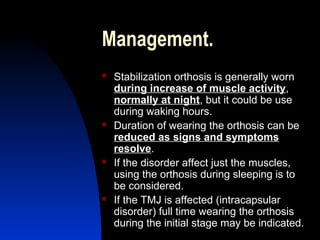
Biofeedback is a behavioral therapy approach that involves monitoring and providing real-time feedback on physiological functions such as muscle tension. This technique can be used to educate individuals with bruxism about their muscle activity patterns and help them learn to control muscle tension consciously. Nursing professionals can collaborate with psychologists or biofeedback specialists to guide patients in using biofeedback techniques as part of a comprehensive bruxism management plan.
Cognitive Behavioral Therapy (CBT)
Cognitive Behavioral Therapy (CBT) is a psychological intervention that focuses on identifying and modifying maladaptive thought patterns and behaviors. CBT can be beneficial for individuals with bruxism, as it helps address the underlying stress and anxiety that contribute to teeth grinding. Nursing professionals can assist in implementing CBT techniques, such as relaxation exercises and stress management strategies, to support patients in reducing bruxism episodes.
Relaxation Techniques
Relaxation techniques, such as deep breathing exercises, progressive muscle relaxation, or meditation, can be helpful in managing bruxism. These techniques promote overall relaxation and help reduce muscle tension, minimizing the likelihood of teeth grinding or clenching. Nursing professionals can teach patients various relaxation techniques and encourage their incorporation into daily routines. Regular practice of these techniques can contribute to long-term bruxism management.
Habit Reversal Training
Habit Reversal Training (HRT) is a behavioral therapy technique that aims to replace undesired habits with more desirable behaviors. It involves identifying the triggers and situations that lead to teeth grinding or clenching and developing alternative responses. Nursing professionals can collaborate with patients to implement HRT strategies, which may include awareness-building exercises, positive reinforcement, and competing responses. Monitoring progress and providing ongoing support are critical for the success of HRT.
Collaboration with Other Healthcare Professionals
Dentists and Orthodontists
Collaboration with dentists and orthodontists is essential in managing bruxism comprehensively. Dental professionals play a vital role in diagnosing and assessing the impact of bruxism on oral health, as well as in developing appropriate treatment plans. Nursing professionals should communicate regularly with dental professionals to share information, review patient progress, and discuss any necessary adjustments to the management strategies.
Maxillofacial Surgeons
In more severe or complex cases of bruxism, collaboration with maxillofacial surgeons may be necessary. Maxillofacial surgeons specialize in surgical interventions involving the face, mouth, and jaw. They can provide surgical management options, such as reshaping the jaw or adjusting the position of the teeth, to address underlying structural issues contributing to bruxism. Nursing professionals should collaborate closely with maxillofacial surgeons to support patients throughout the surgical process.
Sleep Specialists
Bruxism is often associated with sleep disorders, such as sleep apnea. Collaboration with sleep specialists is crucial in managing bruxism effectively, especially in cases of sleep-related bruxism. Sleep specialists can help diagnose and treat underlying sleep disorders, which can contribute to the occurrence of bruxism. Nursing professionals should work closely with sleep specialists to ensure a comprehensive approach to patient care and provide ongoing support in managing sleep-related bruxism.
Psychologists and Psychiatrists
Psychological factors, such as stress and anxiety, play a significant role in bruxism. Collaboration with psychologists or psychiatrists can help address these underlying psychological factors and provide appropriate interventions. Psychologists or psychiatrists can help individuals develop coping strategies for stress, manage anxiety, and address any associated mental health concerns. Nursing professionals should refer patients to psychologists or psychiatrists when necessary and collaborate closely in managing the psychological aspects of bruxism.
In conclusion, bruxism is a dental condition characterized by the involuntary grinding or clenching of teeth. It can have various causes, including stress, malocclusion, sleep disorders, medications, and psychological factors. Bruxism can significantly impact oral health, leading to tooth wear and damage, temporomandibular joint disorders, headaches, and gum recession. Nursing professionals play a crucial role in assessing and managing bruxism. This includes gathering a comprehensive patient history, conducting clinical examinations, collaborating with dental professionals, and assessing oral health. Nursing management strategies for bruxism involve patient education, stress and anxiety management, sleep hygiene recommendations, and collaboration with the dental team. Additionally, oral appliances, pharmacological interventions, behavioral therapy approaches, and collaboration with other healthcare professionals such as dentists, orthodontists, maxillofacial surgeons, sleep specialists, psychologists, and psychiatrists can contribute to effective bruxism management. By providing comprehensive care and support, nursing professionals can help individuals with bruxism improve their oral health and overall quality of life.