
In this article, we will explore the important nursing considerations for cavernous sinus thrombosis, a rare but potentially life-threatening condition. As a nurse, it is crucial to understand the unique challenges and care that this condition demands. We will discuss the clinical manifestations, diagnostic procedures, and nursing interventions that are essential in providing optimal care for patients with cavernous sinus thrombosis. By gaining a comprehensive understanding of this condition, you will be equipped with the necessary knowledge and skills to ensure the best possible outcomes for your patients.

Assessment
Patient history
When assessing a patient with cavernous sinus thrombosis (CST), obtaining a thorough patient history is crucial. You will want to inquire about the onset and progression of symptoms, as well as any factors that may contribute to the development of this condition, such as recent infections, sinusitis, trauma, or recent surgery. Other important information to gather includes the patient’s medical history, any medications they are currently taking, and any allergies they may have. By understanding the patient’s history, you can better plan and individualize their care.
Physical examination
Conducting a comprehensive physical examination is essential in the assessment of a patient with CST. You should pay close attention to the neurologic examination, as signs such as ophthalmoplegia, proptosis, and periorbital edema may be present. Additionally, palpation of the eyes and face for tenderness or warmth can provide important clues regarding the severity and extent of the infection. Other aspects of the physical examination, such as assessing vital signs, chest auscultation, and abdominal examination, can help identify any systemic complications or sources of infection that may have led to CST. A thorough physical assessment is essential for making an accurate diagnosis and guiding appropriate treatment.
Neurological assessment
Given that CST is a condition that affects the central nervous system, a careful neurological assessment is vital. You should assess the patient’s mental status, cranial nerves, motor function, sensory function, and coordination. Documenting any abnormalities such as confusion, altered level of consciousness, weakness, or sensory deficits will be important in monitoring the patient’s progression and response to treatment. Regular neurological assessments should be performed throughout the patient’s care to detect any neurological deterioration or improvement.
Diagnostic Evaluation
Laboratory tests
Laboratory tests play a crucial role in the diagnosis of CST. Complete blood count (CBC) with differential can reveal leukocytosis, suggesting an ongoing infection. Blood cultures should be obtained to identify the causative organism and guide antibiotic therapy. Additionally, inflammatory markers such as erythrocyte sedimentation rate (ESR) and C-reactive protein (CRP) can provide valuable information about the severity of the infection and the response to treatment. Coagulation studies, including prothrombin time (PT) and activated partial thromboplastin time (aPTT), are also important to evaluate the patient’s coagulation status. Laboratory tests are essential in confirming the diagnosis and guiding the appropriate management of CST.
Imaging studies
Imaging studies are crucial in the diagnosis and evaluation of CST. Magnetic resonance imaging (MRI) with contrast is considered the gold standard for diagnosing CST, as it allows for visualization of the thrombus within the cavernous sinus. MRI can also help identify complications such as abscess formation or extension of the thrombus into surrounding structures. Computed tomography (CT) scan may be used if MRI is contraindicated or not readily available, although it is less sensitive for detecting early-stage CST. Additionally, Doppler ultrasonography can be used to assess blood flow within the cavernous sinus. Imaging studies are essential in confirming the diagnosis, identifying complications, and guiding the management of CST.

Medical Management
Antimicrobial therapy
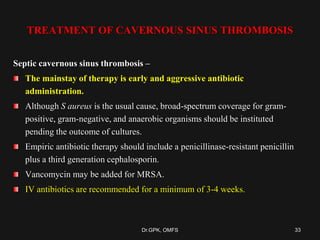
Appropriate antimicrobial therapy is a crucial component of the medical management of CST. Empiric therapy should be initiated promptly with broad-spectrum antibiotics targeting the likely causative organisms, such as Staphylococcus aureus or Streptococcus species. The choice of antibiotics should be guided by local antibiograms and culture results once available. Intravenous administration of antibiotics is typically necessary to achieve adequate drug levels in the bloodstream and CNS. In severe cases, combination therapy may be necessary to cover a broader spectrum of pathogens. Close monitoring of the patient’s response to antimicrobial therapy and adjusting the antibiotics as necessary is vital for successful treatment.
Anticoagulation therapy
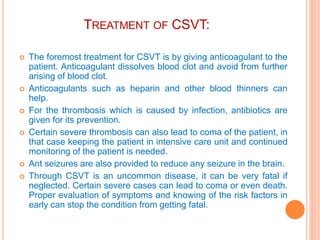
Anticoagulation therapy has been a topic of debate in the management of CST. While some studies support the use of anticoagulants to prevent thrombus extension, others caution against their routine use due to the risk of bleeding complications. The decision to initiate anticoagulation therapy should be made on a case-by-case basis, taking into consideration the patient’s individual risk factors and the severity of the thrombus. Consultation with a neurologist or hematologist is recommended to guide the initiation and monitoring of anticoagulation therapy in CST.
Pain management
CST can cause significant pain and discomfort for the patient. Adequate pain management is essential to improve the patient’s comfort and facilitate recovery. Nonsteroidal anti-inflammatory drugs (NSAIDs), acetaminophen, or opioid analgesics may be prescribed to alleviate pain. However, caution should be exercised when prescribing opioid analgesics due to their potential for respiratory depression and dependence. Non-pharmacological pain management strategies, such as heat or cold therapy, relaxation techniques, or distraction, can also be implemented to complement pharmacological interventions.
Supportive management
Supportive management plays a crucial role in the overall care of patients with CST. This includes ensuring adequate hydration and nutrition, monitoring and managing fever, and providing psychological support. Intravenous fluids may be necessary to maintain hydration and support normal physiological functioning. Fever management with antipyretics and tepid sponging can help alleviate discomfort and prevent complications. Offering emotional support and reassurance to the patient and their family can help reduce anxiety and promote healing. Supportive management should be individualized to meet the specific needs of each patient.
Nursing Interventions
Monitoring vital signs
As a nurse, you will play a vital role in monitoring your patients with CST. This includes checking and documenting their vital signs regularly. Monitoring blood pressure, heart rate, respiratory rate, and temperature can help identify any changes that may require immediate intervention. Paying close attention to trends in vital signs can alert you to potential complications or response to treatment. It is essential to document these findings accurately and communicate any abnormalities to the healthcare team.
Assessing neurologic status
Assessing and monitoring the patient’s neurologic status is a critical nursing intervention for those with CST. Regular neurologic assessments should include evaluating the patient’s level of consciousness, pupillary response, cranial nerve function, motor strength, and sensory function. Document any changes or abnormalities in these assessments promptly, as they can indicate worsening or improvement of the condition. Frequent neurologic checks are crucial in identifying potential complications or changes in the patient’s condition and guiding appropriate interventions.
Administering medications
As a nurse, you will be responsible for administering medications to patients with CST. This will include intravenous antibiotics, anticoagulants, analgesics, and any other prescribed medications. It is essential to adhere to the medication schedule, ensure accurate dosing, and document the administration appropriately. Close monitoring for any adverse effects or drug interactions is necessary to provide safe and effective care. Additionally, patient education regarding the purpose and potential side effects of these medications should be provided to promote understanding and adherence.
Providing pain relief
Pain management is a critical aspect of nursing care for patients with CST. You should regularly assess and document the patient’s pain levels using appropriate pain assessment tools. Administering analgesics as prescribed and implementing non-pharmacological pain relief measures can help alleviate the patient’s discomfort. It is essential to monitor the patient’s response to pain management interventions and adjust the plan accordingly. By providing effective pain relief, you can enhance the patient’s comfort and promote their overall well-being.
Implementing infection control measures
As a nurse, you will play a crucial role in implementing infection control measures to prevent the spread of infection and complications in patients with CST. This includes following strict hand hygiene protocols, implementing appropriate isolation precautions, and ensuring the proper disposal of infectious waste. Educating the patient and their family about infection control measures, such as proper hand hygiene and respiratory etiquette, can help minimize the risk of secondary infections. By diligently implementing infection control measures, you can contribute to the patient’s safety and reduce the risk of complications.
Ensuring patient safety
Ensuring the safety of patients with CST is of utmost importance. This includes implementing fall prevention measures, such as keeping the patient’s environment free of clutter and using appropriate assistive devices as needed. Patients with vision disturbances or cranial nerve palsies may be at an increased risk of falls and injury, so providing a safe and supportive environment is essential. Regularly assessing the patient’s mobility and coordination and implementing appropriate interventions can help reduce the risk of falls and enhance overall patient safety.
Patient Education
Medication management
Patient education regarding medication management is crucial for optimizing treatment outcomes in CST. You should provide the patient and their family with clear instructions on the purpose, dosage, frequency, and potential side effects of prescribed medications. Emphasize the importance of adhering to the prescribed medication schedule and completing the full course of antibiotics. Additionally, educate the patient about any necessary monitoring or follow-up appointments related to their medications. By ensuring the patient’s understanding and compliance with medication management, you can promote their recovery and prevent complications.
Signs and symptoms to report
Educating patients about the signs and symptoms to report is essential in CST. Encourage the patient to promptly report any worsening of their symptoms, such as severe headache, changes in vision, increased pain, fever, or neurological deficits. Emphasize the importance of seeking immediate medical attention if they experience any sudden onset or progression of symptoms. By educating the patient about the warning signs of complications, you can empower them to take an active role in their own care and seek timely intervention when needed.
Follow-up appointments
Proper patient education regarding follow-up appointments is crucial in the management of CST. Explain to the patient the need for regular follow-up visits and any specific tests or monitoring that may be required. Provide them with clear instructions on when and where to schedule their appointments and any documentation or records they may need to bring. Emphasize the importance of attending follow-up appointments to evaluate the response to treatment and ensure proper management of the condition. By promoting regular follow-up visits, you can support continuity of care and optimize the patient’s outcomes.
Prevention strategies
Educating patients about prevention strategies is key to minimizing the risk of developing CST. Emphasize the importance of good hygiene practices, such as regular handwashing and respiratory etiquette, to prevent the spread of infections. Educate the patient about the importance of treating any sinusitis or infections promptly to reduce the risk of complications. Additionally, provide information on lifestyle modifications and habits that can enhance immune function, such as maintaining a healthy diet, adequate hydration, regular exercise, and sufficient rest. By educating patients about prevention strategies, you can empower them to take proactive steps in maintaining their overall health and reducing the risk of CST.
Collaborative Care
Consulting with healthcare team
Collaboration with the healthcare team is essential in the management of patients with CST. Regular communication and consultation with physicians, neurologists, infectious disease specialists, and other healthcare providers involved in the patient’s care facilitate the sharing of information, coordination of treatment plans, and decision-making. As a nurse, you should actively engage in discussions and provide valuable input based on your assessments and observations. Collaborative care ensures a holistic approach to the patient’s management and promotes optimal outcomes.
Coordinating multidisciplinary care
Patients with CST often require care from multiple healthcare disciplines. Coordinating multidisciplinary care is essential to ensure seamless and comprehensive management. This may involve working closely with physicians, pharmacists, physical therapists, social workers, and other members of the healthcare team. By effectively coordinating care, you can ensure that the patient’s needs are addressed by the appropriate professionals and that interventions are delivered in a coordinated and timely manner. Regular communication, care conferences, and joint planning help facilitate collaborative care and improve patient outcomes.
Referring for additional interventions
In some cases, additional interventions or consultations may be necessary to optimize the management of CST. This may include referrals for surgical interventions, such as drainage of abscesses or debridement of infected tissues. Consultation with specialists, such as neurosurgeons or ophthalmologists, may be required for the management of specific complications or to address specific needs of the patient. As a nurse, you play a crucial role in identifying the need for additional interventions and advocating for the patient’s referral when appropriate.
Monitoring response to treatment
Monitoring the patient’s response to treatment is an ongoing collaborative effort between the healthcare team. This includes regular assessment of clinical signs and symptoms, laboratory results, and imaging studies. By closely monitoring the patient’s response to treatment, the healthcare team can evaluate the effectiveness of the chosen interventions and adjust the management plan as needed. Regular communication and documentation of the patient’s progress are crucial in ensuring that all members of the healthcare team are updated and can actively contribute to the patient’s care.
Complications
Cranial nerve palsies
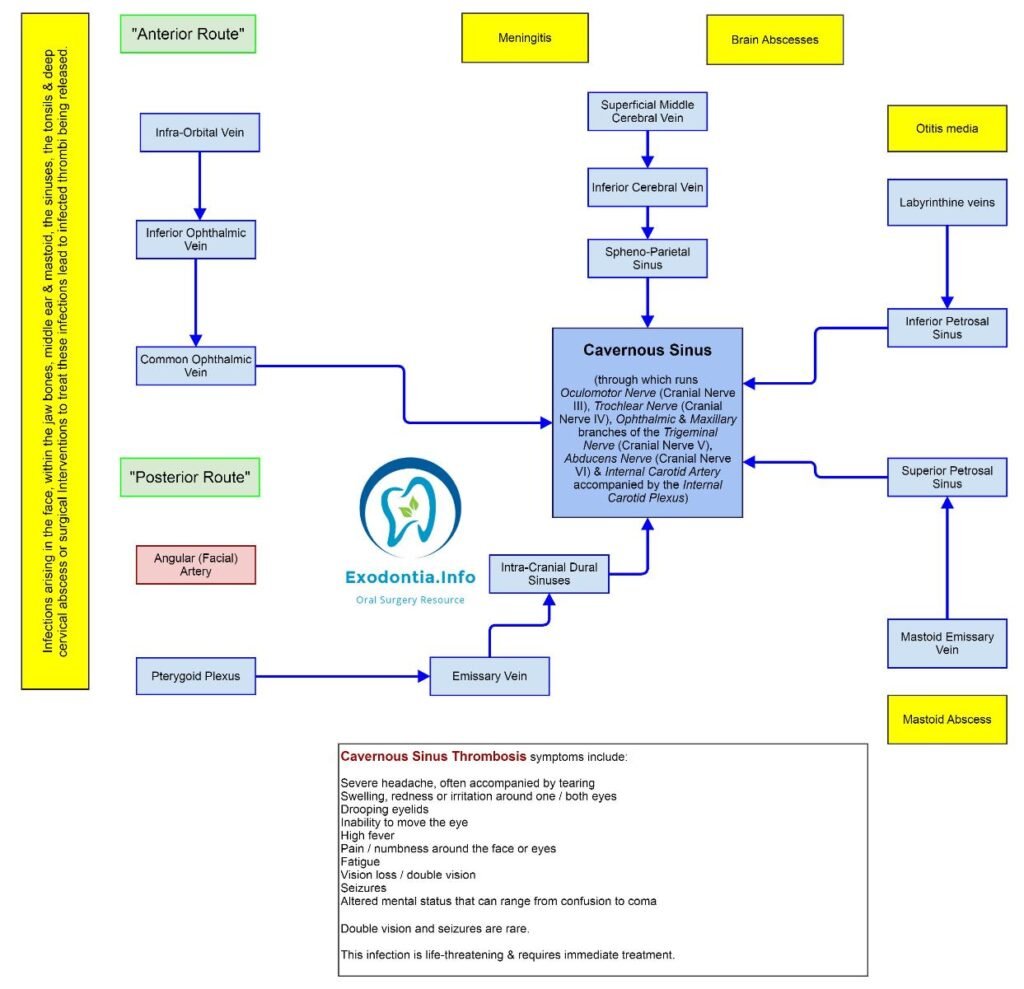
Cranial nerve palsies are a potential complication of CST. The cavernous sinus houses several cranial nerves, and the inflammation or thrombus formation in this area can lead to cranial nerve dysfunction. Patients may present with symptoms such as diplopia, ptosis, facial weakness, or impaired sensory function. Prompt recognition and appropriate management of cranial nerve palsies are crucial to prevent long-lasting complications and promote optimal outcomes for patients with CST. Collaboration with ophthalmologists, neurologists, and other specialists may be necessary to address specific cranial nerve deficits.
Visual disturbances
Visual disturbances can occur as a result of CST, particularly if the thrombus extends into the optic nerve or compresses the ophthalmic veins. Patients may experience blurred vision, visual field deficits, or even complete vision loss in severe cases. Early recognition and intervention are essential to prevent permanent visual impairment. Ophthalmologic consultation and close monitoring of visual acuity and visual fields are necessary to ensure timely intervention and appropriate management of visual disturbances associated with CST.
Intracranial hypertension
Intracranial hypertension, also known as increased intracranial pressure (ICP), can develop as a complication of CST. The presence of a thrombus within the cavernous sinus can obstruct venous drainage, leading to an increase in ICP. Symptoms may include severe headaches, nausea, vomiting, blurred vision, and altered level of consciousness. Close monitoring of the patient’s neurologic status and symptoms is essential to identify and manage intracranial hypertension promptly. Collaboration with neurologists, neurosurgeons, or critical care specialists may be required in severe cases for interventions such as lumbar puncture or placement of intracranial pressure monitoring devices.
Meningitis
Meningitis can be a severe complication of CST, particularly if the infection spreads to the meninges. Patients may present with symptoms such as severe headache, neck stiffness, photophobia, and altered mental status. It is crucial to recognize these signs and symptoms promptly and initiate appropriate antimicrobial therapy and supportive care. Collaboration with infectious disease specialists and neurologists is necessary to guide the management of meningitis and prevent further complications.
Documentation
Accurate charting
Accurate and detailed documentation is essential in the care of patients with CST. All assessments, interventions, and patient responses should be thoroughly documented in the patient’s medical record. This includes vital signs, neurologic assessments, medication administration, pain assessments, and any changes or abnormalities observed. Accurate charting allows for effective communication with other members of the healthcare team and ensures continuity of care. Documentation should be objective, clear, and legible, and follow the established guidelines and policies of the healthcare facility.
Consistent documentation
Consistency in documentation is crucial to ensure a standardized approach to care and accurate continuity of information. Clear terminology and common abbreviations should be used to facilitate understanding and prevent miscommunication. Consistent documentation also allows for easy retrieval of information for future reference, research, or legal purposes. Nurses should adhere to the established documentation protocols and guidelines of the healthcare facility and seek clarification or guidance as needed to ensure consistent and accurate documentation.
Informed consent
Informed consent is a vital aspect of patient care, particularly when it comes to invasive procedures or treatments. As a nurse, you may play a role in assisting with the informed consent process. This involves ensuring that the patient understands the proposed treatment or intervention, its risks and benefits, and any alternative options. It is essential to provide the patient with adequate information, answer their questions, and document their consent in the medical record. Informed consent promotes patient autonomy, respects the patient’s right to make healthcare decisions, and protects the healthcare provider from potential legal or ethical issues.
Ethical Considerations
Respecting patient autonomy
Respecting patient autonomy is a fundamental ethical principle in nursing care. When providing care for patients with CST, it is crucial to involve them in decision-making, respect their values, beliefs, and preferences, and obtain their informed consent for any interventions or treatments. Offering information and clear explanations empowers patients to actively participate in their care and make informed choices. Respect for patient autonomy promotes a collaborative and patient-centered approach to care and enhances the patient’s overall experience and satisfaction.
Balancing beneficence and non-maleficence
Balancing beneficence (promoting the patient’s well-being) and non-maleficence (preventing harm) is an ethical consideration in nursing care for patients with CST. Nurses must strive to provide the highest quality care while minimizing the risk of harm to the patient. This includes ensuring appropriate administration of medications, monitoring for adverse effects, and promptly addressing any concerns or complications. Regular communication with the healthcare team is essential in balancing beneficence and non-maleficence and ensuring the patient’s safety and well-being throughout their care.
Confidentiality and privacy
Respecting the patient’s confidentiality and privacy is of utmost importance in nursing care. Patients with CST may share sensitive medical information during their care, and it is essential to uphold their right to privacy and maintain the confidentiality of their personal health information. Nurses should ensure that patient conversations and medical records are secured and accessible only to those directly involved in the patient’s care. Maintaining confidentiality and privacy builds trust between the patient and the healthcare team and fosters a safe and supportive environment for the patient.
Continuing Education
Staying updated with evidence-based practices
Continuing education is vital in nursing practice to stay updated with the latest evidence-based practices and advancements in the management of CST. Nurses should actively seek opportunities for professional development, such as attending conferences, workshops, or webinars focused on infectious diseases, neurology, or critical care. Keeping up with current research and guidelines and applying evidence-based practices in daily care enhances the quality of patient care and promotes better outcomes.
Attending conferences and workshops
Attending conferences and workshops specific to CST provides valuable opportunities for nurses to expand their knowledge and skills in the management of this condition. These events often feature expert speakers, case presentations, and interactive sessions that allow for networking and sharing of best practices. By attending conferences and workshops, nurses can learn about the latest treatment strategies, research findings, and advancements in the field of CST. This knowledge can be applied directly to their practice and contribute to providing optimal care for patients with CST.
Participating in nursing research
Participating in nursing research related to CST can help expand the existing body of knowledge and improve patient outcomes. Nurses can actively contribute by participating in research studies, assisting with data collection, or collaborating with researchers. Engaging in nursing research allows nurses to gain a deeper understanding of the disease process, contribute to evidence-based practice, and ultimately provide better care for patients with CST. Participation in nursing research also promotes professional growth and development by honing research skills and fostering a culture of inquiry in nursing practice.