
Chronic pelvic pain can be a challenging condition to manage, but with the right nursing considerations and management, relief is possible. This article explores the various factors that nurses must consider when caring for patients with chronic pelvic pain, including assessing the pain’s severity and location, identifying potential causes, and implementing holistic approaches to alleviate discomfort. By understanding the unique needs of individuals with chronic pelvic pain, nurses can play a crucial role in providing compassionate care and improving patients’ quality of life.

Assessment of Chronic Pelvic Pain
Initial Assessment
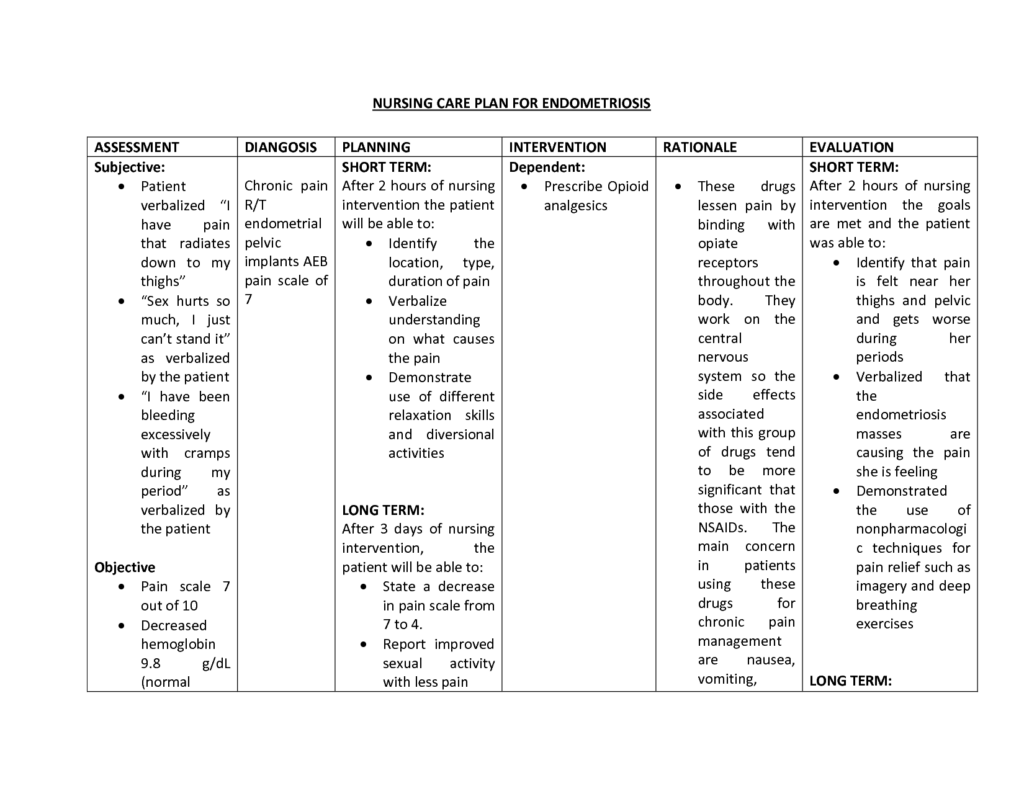
When assessing a patient with chronic pelvic pain, it is important to gather detailed information about their symptoms, medical history, and any previous treatments they have received. This initial assessment helps to establish a baseline and provides crucial information for developing an effective care plan. Nurses should ask open-ended questions to encourage the patient to discuss their pain, its duration, severity, and any exacerbating or relieving factors. Additionally, it is essential to assess for any accompanying symptoms such as urinary or bowel disturbances, sexual dysfunction, or psychological distress.
Detailed Medical History
The next step in the assessment process is to obtain a comprehensive medical history. This includes information about prior surgeries, gynecological conditions, reproductive history, and any relevant comorbidities. It is important to inquire about any previous imaging or diagnostic procedures, as well as any treatments the patient has tried in the past. Additionally, a thorough medication history should be obtained to identify any potential drug interactions or contraindications for certain treatments.
Physical Examination
A physical examination is a crucial component of the assessment of chronic pelvic pain. It should include a thorough examination of the pelvic area, including external inspection, palpation, and assessment of organ mobility. It is essential to check for any signs of inflammation, abnormal masses, or tenderness. Additionally, a general systemic examination should be conducted to identify any possible contributing factors to the pain.
Psychosocial Assessment
The impact of chronic pelvic pain goes beyond the physical symptoms and often affects a patient’s mental and emotional well-being. Therefore, a comprehensive psychosocial assessment is necessary to identify any psychological factors that may be contributing to or exacerbating the pain. This assessment should include screening for anxiety, depression, stress, and any past experiences of trauma or abuse. Understanding the patient’s psychosocial history helps to tailor the care plan to address both the physical and emotional aspects of chronic pelvic pain.
Use of Validated Pain Scales
To determine the severity of chronic pelvic pain and objectively monitor changes in pain over time, the use of validated pain scales is recommended. These scales allow healthcare providers to quantify pain intensity and evaluate the effectiveness of various interventions. Commonly used pain scales include the Visual Analog Scale (VAS), Numeric Rating Scale (NRS), and the Verbal Descriptor Scale (VDS). By incorporating these pain scales into the assessment process, healthcare professionals can better understand the patient’s experience and track progress throughout their treatment journey.
Diagnostic Procedures
Pelvic Ultrasound
Pelvic ultrasound is a non-invasive imaging modality that uses high-frequency sound waves to produce images of the pelvic organs. It is commonly used to assess the uterus, ovaries, fallopian tubes, and surrounding tissues. Pelvic ultrasound can help identify any structural abnormalities or abnormalities such as cysts, fibroids, or pelvic masses that may be causing or contributing to chronic pelvic pain. This procedure is safe, cost-effective, and does not involve radiation exposure.
Transvaginal Ultrasound
Transvaginal ultrasound is a specialized form of pelvic ultrasound that involves inserting a small ultrasound probe into the vagina to obtain detailed images of the pelvic structures. This procedure provides better visualization of certain organs, such as the ovaries, cervix, and uterus, and can help identify conditions such as endometriosis, pelvic inflammatory disease, or uterine abnormalities. Transvaginal ultrasound is particularly useful in cases where a standard pelvic ultrasound does not provide sufficient information.
Magnetic Resonance Imaging (MRI)
MRI is a valuable diagnostic tool for assessing chronic pelvic pain when the results of other imaging studies are inconclusive or further detail is needed. Unlike ultrasound, MRI uses a powerful magnetic field and radio waves to create detailed cross-sectional images of the pelvic region. It offers excellent visualization of soft tissues and can detect pelvic organ abnormalities, such as adhesions, tumors, or endometriosis. However, it is more expensive and time-consuming than other imaging techniques.
Laparoscopy
Laparoscopy is a surgical procedure that involves inserting a thin, lighted tube with a camera (laparoscope) through a small incision in the abdomen to visualize the pelvic organs. This minimally invasive procedure allows healthcare providers to directly visualize and assess the pelvic structures, as well as obtain tissue samples for further analysis. Laparoscopy is considered the gold standard for diagnosing conditions such as endometriosis, pelvic adhesions, and ovarian cysts. It provides a more comprehensive evaluation of the pelvic area but requires general anesthesia and carries some risks.
Cystoscopy
Cystoscopy is a diagnostic procedure that involves inserting a thin, flexible tube with a camera (cystoscope) through the urethra into the bladder to assess the urinary system. It is performed to evaluate urinary complaints or to rule out conditions that may mimic pelvic pain, such as interstitial cystitis. Cystoscopy can help identify bladder abnormalities, such as inflammation, strictures, or bladder stones. It may be performed under local or general anesthesia, depending on the patient’s comfort and the complexity of the procedure.
Colonoscopy
Colonoscopy is a procedure used to visualize and evaluate the colon and rectum. While it may not be directly related to pelvic pain, it is sometimes performed to rule out gastrointestinal causes of pain, such as inflammatory bowel disease, diverticulitis, or colorectal cancer. Colonoscopy allows for the identification of any abnormalities, such as polyps or tumors, and enables biopsies to be taken for further analysis. This procedure requires bowel preparation and is typically performed under sedation.

Medical Management
Pain Management Strategies
One of the primary goals in the medical management of chronic pelvic pain is to alleviate pain and improve the patient’s overall quality of life. Pain management strategies may include a combination of pharmacological and non-pharmacological interventions. Nurses play a key role in educating patients about these strategies, including the appropriate use of medications, lifestyle modifications, and complementary therapies.
Nonsteroidal Anti-Inflammatory Drugs (NSAIDs)
NSAIDs are commonly used to manage pain and inflammation associated with chronic pelvic pain. Drugs such as ibuprofen or naproxen sodium can help reduce discomfort by inhibiting the production of inflammatory chemicals in the body. However, it is essential to educate patients about the potential side effects of NSAIDs, such as gastrointestinal disturbances and increased risk of bleeding, particularly in those with a history of gastric ulcers or kidney problems.
Muscle Relaxants
Muscle relaxants, such as cyclobenzaprine or baclofen, may be prescribed to relax pelvic floor muscles and relieve tension. These medications target muscle spasms and can help alleviate pain caused by conditions such as pelvic floor dysfunction or myofascial pain syndrome. Nurses should educate patients about potential side effects, including drowsiness and dizziness, which may impact their ability to perform certain tasks or operate machinery.
Hormonal Therapies
In cases where hormonal imbalances or gynecological conditions are contributing to chronic pelvic pain, healthcare providers may recommend hormonal therapies. Hormonal contraceptives, such as combined oral contraceptives or progestin-only options, can help regulate menstrual cycles, reduce pain associated with conditions such as endometriosis or adenomyosis, and manage symptoms of premenstrual syndrome (PMS). It is essential to educate patients about the benefits and potential risks associated with hormonal therapies, including changes in bleeding patterns, mood fluctuations, and the potential for blood clots, particularly in patients with underlying risk factors.
Antidepressants or Anticonvulsants for Neuropathic Pain
Neuropathic pain, which may be present in some cases of chronic pelvic pain, can be managed with certain medications traditionally used for the treatment of depression or epilepsy. Tricyclic antidepressants, such as amitriptyline, can help relieve nerve-related pain by increasing the availability of certain neurotransmitters in the brain. Anticonvulsants, such as gabapentin or pregabalin, work by modulating the transmission of pain signals in the nervous system. Nurses should educate patients about the potential side effects of these medications, including drowsiness, dry mouth, and changes in appetite or weight.
Alternative Therapies (Acupuncture, Biofeedback)
In addition to pharmacological interventions, alternative therapies such as acupuncture and biofeedback may offer additional relief for patients with chronic pelvic pain. Acupuncture involves the insertion of thin needles at specific points on the body to stimulate nerve pathways and promote pain relief. Biofeedback techniques help patients learn to control certain bodily functions, such as muscle tension or relaxation, using sensory feedback. Nurses should educate patients about the potential benefits and limitations of these therapies and refer them to qualified practitioners as needed.
Psychological Support
Assessment of Psychological Impact
Chronic pelvic pain can have a significant psychological impact on patients, leading to increased levels of stress, anxiety, and depression. It is essential for healthcare providers to assess and address these psychological factors as part of the patient’s overall care. Nurses can use validated screening tools to assess the patient’s psychological well-being and identify those at risk of developing or worsening psychological symptoms. Regular assessment and open communication create opportunities for patients to express their emotions and concerns, enabling healthcare providers to provide appropriate support and interventions.
Referral to Mental Health Professionals
When psychological distress is identified, nurses should make appropriate referrals to mental health professionals, such as psychologists or psychiatrists, who specialize in chronic pain and behavioral health. These professionals can provide specialized counseling and therapy to address and manage the psychological impact of chronic pelvic pain. Additionally, they can assess and treat any comorbid mental health conditions, such as anxiety or depression, that may be exacerbating the patient’s pain experience.
Cognitive-Behavioral Therapy (CBT)
Cognitive-behavioral therapy (CBT) is a widely recognized treatment for chronic pain that focuses on identifying and changing negative thought patterns and beliefs that contribute to pain perception. This approach helps patients develop coping strategies, improve pain management skills, and enhance overall functioning. Nurses can educate patients about the benefits of CBT and encourage them to seek specialized therapy from qualified practitioners trained in pain management.
Relaxation Techniques
Various relaxation techniques, such as deep breathing exercises, progressive muscle relaxation, and guided imagery, can be effective in reducing pain and promoting overall relaxation. These techniques help patients manage stress, decrease muscle tension, and enhance their ability to cope with chronic pelvic pain. Nurses can teach and encourage patients to practice these techniques regularly, either through one-on-one instruction or by referring them to resources such as guided meditation recordings or relaxation apps.
Support Groups
Connecting with others who are experiencing similar challenges can be incredibly beneficial for patients with chronic pelvic pain. Support groups provide an opportunity for individuals to share their stories, exchange coping strategies, and offer each other emotional support. Nurses can help facilitate the formation of support groups within the healthcare setting or refer patients to local community organizations or online platforms where they can access peer support.
Lifestyle Modifications
Dietary Changes
Making appropriate dietary changes can play a significant role in managing chronic pelvic pain. Certain foods, such as caffeine, alcohol, spicy foods, and artificial sweeteners, may exacerbate symptoms and increase pain perception. Nurses should educate patients about potential trigger foods and encourage them to keep a food diary to identify personal triggers. Additionally, a diet rich in fruits, vegetables, whole grains, and lean proteins can promote overall well-being and help manage chronic pain.
Exercise and Physical Therapy
Regular exercise and physical therapy can have numerous benefits for patients with chronic pelvic pain. Engaging in low-impact activities, such as walking, swimming, or cycling, helps improve circulation, maintain muscle tone, and enhance overall mood. Physical therapy, specifically pelvic floor physical therapy, focuses on addressing muscle imbalances, improving pelvic floor function, and reducing pain. Nurses should emphasize the importance of regular exercise and provide resources for patients to access appropriate physical therapy services.
Stress Management
Stress has been shown to worsen pain perception and overall quality of life in individuals with chronic pain. Therefore, stress management techniques play a vital role in the management of chronic pelvic pain. Nurses can teach patients various stress management techniques, such as deep breathing, mindfulness meditation, and engaging in enjoyable activities. Encouraging patients to establish a regular self-care routine that includes stress-reducing activities can significantly impact their pain experience.
Smoking Cessation
Smoking has been linked to various health conditions that can contribute to and worsen chronic pelvic pain, such as endometriosis and certain bladder disorders. Therefore, smoking cessation is an essential lifestyle modification for patients with chronic pelvic pain. Nurses should educate patients about the detrimental effects of smoking on their health and provide resources to support smoking cessation, such as nicotine replacement therapy or referrals to smoking cessation programs.
Weight Management
Maintaining a healthy weight is essential for individuals with chronic pelvic pain, as excess weight can put added stress on the pelvic area and contribute to pain and inflammation. Nurses should provide guidance on the importance of maintaining a healthy weight through a balanced diet and regular physical activity. Additionally, they can refer patients to registered dietitians or weight management programs to receive appropriate support and guidance.
Patient Education
Understanding the Condition
Education is a crucial component of chronic pelvic pain management, as it empowers patients to actively participate in their care and make informed decisions. Nurses should ensure that patients have a clear understanding of their condition, including the potential underlying causes, contributing factors, and how it may impact their daily lives. Providing educational materials, such as pamphlets or online resources, can help reinforce key concepts and enable patients to access information at their convenience.
Management Strategies
Patients with chronic pelvic pain should be educated about the various management strategies available to alleviate their symptoms and improve their overall well-being. This includes information about pharmacological interventions, non-pharmacological approaches, and lifestyle modifications. Nurses should take a patient-centered approach, tailoring education to address individual needs and preferences. Patient education should also emphasize the importance of a multidisciplinary approach and the benefits of collaborating with healthcare professionals from different specialties.
Medication Regimen
When medications are prescribed to manage chronic pelvic pain, it is essential to provide patients with clear instructions on how to take their medications, including dosage, frequency, and potential side effects. Nurses should ensure that patients have a comprehensive understanding of their medication regimen and remind them of the importance of adherence. Patient education should also include information about potential drug interactions and the need to communicate with healthcare providers about any new medications or supplements.
Importance of Self-Care
Self-care plays a vital role in managing chronic pelvic pain and improving overall quality of life. Nurses should educate patients about the importance of self-care activities, such as stress reduction techniques, regular exercise, and maintaining a healthy lifestyle. Encouraging patients to prioritize their physical and mental well-being reinforces their ability to actively participate in their care and empowers them to make positive changes that can alleviate pain and enhance their overall well-being.
Identifying Triggers and Coping Mechanisms
Understanding personal triggers and developing effective coping mechanisms are essential for patients with chronic pelvic pain. Nurses should facilitate discussions with patients to identify their individual triggers, whether they be certain foods, activities, or emotional stressors. By identifying triggers, patients can take proactive steps to avoid or manage them. Furthermore, nurses can provide guidance on developing coping strategies, such as deep breathing exercises, mindfulness techniques, or engaging in pleasurable activities, to help patients manage pain flares and improve their overall resilience.

Collaborative Care
Interdisciplinary Team Involvement
Chronic pelvic pain often requires a multidisciplinary approach that involves collaboration among healthcare providers from various specialties. Nurses play a crucial role in facilitating communication and coordination among team members, ensuring that the patient receives comprehensive and holistic care. This interdisciplinary team may include gynecologists, urologists, gastroenterologists, pain specialists, psychologists, physical therapists, and other healthcare professionals. By working together, the team can address the multiple facets of chronic pelvic pain and develop a tailored care plan for each patient.
Referral to Specialists (Gynecologist, Urologist, Gastroenterologist)
Depending on the underlying causes and contributing factors of chronic pelvic pain, patients may require consultation with specialists in gynecology, urology, or gastroenterology. These specialists can provide further evaluation, perform specialized diagnostic procedures, and offer targeted treatments. Nurses should collaborate with the primary care provider to identify appropriate referrals and ensure timely access to specialist care. By involving specialists, the interdisciplinary team can optimize patient outcomes and improve the management of chronic pelvic pain.
Communication and Care Coordination
Effective communication and care coordination are paramount in providing optimal care for patients with chronic pelvic pain. Nurses should act as advocates for their patients, ensuring that information flows smoothly among team members and that all aspects of care are appropriately addressed. Regular team meetings and care conferences provide an opportunity to discuss patient progress, review treatment plans, and adjust interventions as necessary. By promoting seamless communication, nurses enhance continuity of care and promote a patient-centered approach.
Palliative Care
End-of-Life Care Considerations
In cases where chronic pelvic pain is a symptom of an advanced or terminal illness, palliative care becomes an essential component of the management plan. Palliative care focuses on optimizing the patient’s comfort, addressing physical and psychological symptoms, and supporting the patient’s overall well-being. Nurses should work closely with the palliative care team to ensure that patients receive appropriate end-of-life care considerations, such as advance care planning, pain management, and emotional support for both the patient and their family.
Symptom Management
The primary goal of palliative care is to alleviate physical and psychological symptoms associated with chronic pelvic pain. Nurses collaborate with the palliative care team to assess and manage symptoms effectively. Pain management is of utmost importance, and multimodal approaches that may include medications, physical therapy, and complementary therapies are typically employed. Additionally, symptom management strategies may target other distressing symptoms, such as gastrointestinal disturbances, urinary or sexual dysfunction, and treatment-related side effects.
Psychosocial Support for Patients and Families
Chronic pelvic pain can have a profound impact on patients and their family members. Palliative care teams, including nurses, are responsible for providing comprehensive psychosocial support to patients and families. This may involve addressing fears, concerns, and existential distress associated with chronic pain or discussing end-of-life planning. Nurses play a pivotal role in providing emotional support, facilitating family meetings, and connecting patients and families with appropriate counseling or support services.

Follow-up and Monitoring
Regular Follow-up Visits
Regular follow-up visits are crucial for monitoring the effectiveness of treatment interventions and ensuring ongoing support for patients with chronic pelvic pain. Nurses should schedule follow-up visits at appropriate intervals, depending on the severity of the pain and the treatment plan. During these visits, patients can discuss their progress, address any concerns or new symptoms, and receive ongoing education and support.
Evaluation of Treatment Effectiveness
The evaluation of treatment effectiveness involves assessing the patient’s response to various interventions, such as medications, physical therapy, or psychological support. Nurses should work closely with the healthcare team to document and monitor changes in pain levels, functional status, and overall well-being. This evaluation helps identify which interventions are most effective for individual patients and can guide modifications to the care plan if necessary.
Adherence to Medication Regimen
Medication adherence is critical in managing chronic pelvic pain effectively. Nurses should regularly assess a patient’s adherence to their medication regimen, address any barriers or concerns they may have, and provide education and support. This includes reminding patients about the importance of taking medications as prescribed, providing information about potential side effects and drug interactions, and involving pharmacists when needed to offer additional counseling or interventions to promote adherence.
Monitoring for Side Effects
Many medications used in the management of chronic pelvic pain have potential side effects. Nurses should educate patients about common side effects, teach them how to recognize and manage these side effects, and emphasize the importance of reporting any new or concerning symptoms to their healthcare provider promptly. Regular monitoring for side effects ensures that any unexpected reactions are detected early, allowing for prompt intervention and modification of the treatment plan if necessary.
Assessment of Quality of Life
Central to the management of chronic pelvic pain is the improvement of the patient’s quality of life. Nurses should regularly assess the patient’s quality of life, including physical, emotional, and social dimensions, to evaluate the impact of interventions and identify areas for further support. Validated quality of life assessment tools, such as the Short-Form Health Survey (SF-36) or the EuroQol-5D (EQ-5D), can be utilized to gather objective data and facilitate meaningful discussions with the patient.
Research and Evidence-Based Practice
Continual Review of Current Research
Chronic pelvic pain is a complex condition, and ongoing research is essential to deepen our understanding of its pathophysiology, risk factors, and treatment options. Nurses should stay updated on the latest research findings by reviewing relevant scientific literature, attending educational conferences, and engaging in continuous professional development. Being equipped with current evidence allows nurses to provide the most up-to-date and effective care to patients with chronic pelvic pain.
Implementing Evidence-Based Guidelines
Evidence-based guidelines are developed based on research evidence and expert consensus to guide clinical practice. Nurses should ensure that their care aligns with these guidelines, implementing evidence-supported interventions and avoiding practices that lack empirical support. By following evidence-based guidelines, nurses can provide consistent, high-quality care to patients with chronic pelvic pain and contribute to improving patient outcomes.
Participation in Research Studies
Nurses have a unique opportunity to contribute to the field of chronic pelvic pain by actively participating in research studies. Involvement in research allows nurses to gain firsthand experience in conducting studies, collecting data, and analyzing results. By participating in research studies, nurses contribute to the generation of new knowledge and the advancement of evidence-based practices in the management of chronic pelvic pain.
Sharing Knowledge and Best Practices
As healthcare professionals, nurses play a vital role in sharing knowledge and best practices with their colleagues, patients, and the broader healthcare community. By disseminating information about evidence-based interventions, current research findings, and successful approaches to managing chronic pelvic pain, nurses can empower others to provide optimal care. Nurses can share their expertise through various means, such as presenting at conferences, writing articles or blog posts, or providing education and mentorship to fellow nurses.