
Imagine enjoying a delightful meal with friends or family, savoring every bite. Suddenly, that euphoria is shattered by the unpleasant symptoms of food poisoning. In this article, we will explore the crucial nursing considerations and management strategies for dealing with food poisoning. From recognizing the symptoms to providing the necessary care, we have your back as you navigate through this unfortunate situation. So, grab a cup of tea, get comfortable, and let’s dive right in.

Assessment
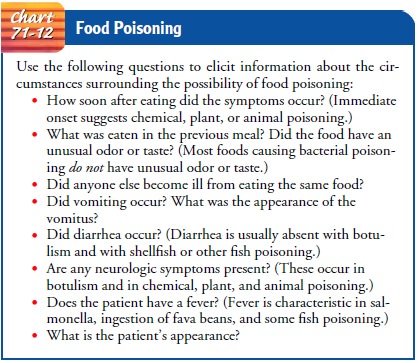
Food poisoning can cause a range of symptoms that can vary in severity depending on the type of bacteria or toxin involved. Identifying the symptoms is an important first step in the assessment process. Common symptoms of food poisoning include nausea, vomiting, diarrhea, abdominal pain, and fever. It is important to ask the patient about their recent food intake and any possible sources of contamination. Additionally, a physical examination should be conducted to assess the patient’s overall condition and specific signs, such as dehydration or abdominal tenderness.
Identifying symptoms
When assessing a patient with possible food poisoning, it is crucial to ask about their symptoms in a detailed and systematic manner. Some patients may experience mild symptoms that resolve on their own, while others may require medical intervention. By asking questions about the onset, frequency, and characteristics of symptoms, healthcare providers can gather important information that can assist in determining the appropriate course of treatment.
Conducting a physical examination
A physical examination is an essential aspect of assessing a patient with food poisoning. This examination helps healthcare providers assess the patient’s overall condition and provides valuable information about the severity of symptoms. During the examination, healthcare providers may take note of vital signs, such as body temperature, heart rate, and blood pressure. They may also check for signs of dehydration, such as dry mucous membranes or poor skin turgor. Abdominal palpation may reveal tenderness or other signs of inflammation that can help in diagnosing the specific type of food poisoning.
Assessing vital signs
Vital signs are important indicators of a patient’s overall health and can provide valuable information about the severity of food poisoning symptoms. When assessing vital signs, healthcare providers will typically measure the patient’s body temperature, heart rate, respiratory rate, and blood pressure. Elevated body temperature can be a sign of infection, while a rapid heart rate may indicate dehydration. It is important to establish a baseline for vital signs and monitor any changes over time to ensure appropriate interventions are implemented.
Initial Interventions
When a patient is diagnosed with food poisoning, a number of initial interventions may be necessary to alleviate symptoms and prevent complications.
Isolating the patient
One of the first interventions is to isolate the patient to prevent the spread of any potential pathogens to others. This is important to protect both the patient and those around them from further contamination. Isolation precautions may include wearing gloves and a gown, and following strict hand hygiene protocols. Healthcare providers should educate the patient and their family about the importance of isolation and provide clear instructions on how to prevent the spread of infection.
Ensuring hydration
Dehydration is a common complication of food poisoning, as vomiting and diarrhea can lead to fluid loss. Ensuring hydration is a crucial intervention to prevent the further deterioration of the patient’s condition. In mild cases, oral rehydration solutions may be recommended. In more severe cases, intravenous fluids may be necessary to replace lost fluids and electrolytes. Healthcare providers should monitor the patient’s intake and output, and adjust fluid administration as needed.
Providing antiemetic medication
Nausea and vomiting are common symptoms of food poisoning and can significantly impact a patient’s quality of life. Providing antiemetic medication can help relieve these symptoms and improve the patient’s comfort. Antiemetics work by blocking certain neurotransmitters in the brain that trigger nausea and vomiting. However, it is important to take the patient’s individual circumstances into consideration before administering any medication and to closely monitor for any potential side effects.

Laboratory Tests
Laboratory tests play a crucial role in the diagnosis and management of food poisoning. These tests help identify the specific pathogen responsible for the infection and guide appropriate treatment options.
Collecting stool sample
Collecting a stool sample is an important step in the laboratory testing process for food poisoning. This sample helps identify the presence of bacteria or toxins that may be responsible for the infection. Healthcare providers should provide clear instructions on how to collect the stool sample and ensure that it is properly labeled and transported to the laboratory for analysis. Prompt collection and processing of the sample is important to obtain accurate results.
Ordering blood tests
Blood tests can provide valuable information about the patient’s overall health status and can help identify potential complications associated with food poisoning. These tests may include a complete blood count (CBC) to assess for any signs of infection, as well as liver function tests to evaluate liver health. Additionally, specific blood tests may be ordered to detect the presence of certain pathogens or toxins in the bloodstream.
Performing urine analysis
While less common, urine analysis may be performed in cases where certain types of food poisoning, such as Escherichia coli (E. coli) infection, are suspected. Urine analysis can help identify any kidney or urinary tract involvement that may occur as a result of the infection. It is an important diagnostic tool that, when combined with stool and blood tests, provides a comprehensive view of the patient’s condition.
Fluid and Electrolyte Balance
Maintaining fluid and electrolyte balance is crucial for patients with food poisoning, as vomiting and diarrhea can lead to significant fluid and electrolyte loss.
Monitoring intake and output
Monitoring the patient’s intake and output is an essential part of maintaining fluid balance. Healthcare providers should closely monitor the volume and characteristics of the patient’s intake, including oral intake and any intravenous fluids administered. Additionally, monitoring the volume and frequency of the patient’s urinary output can provide important information about their fluid status.
Administering intravenous fluids
In cases of severe dehydration or when oral rehydration is not sufficient, intravenous fluids may be necessary to restore and maintain fluid balance. Intravenous fluids contain a balanced mix of electrolytes and can be administered directly into the patient’s bloodstream. The type and rate of fluid administration should be tailored to the patient’s individual needs, with close monitoring of vital signs and laboratory values.
Assessing electrolyte levels
Food poisoning can disrupt the balance of electrolytes in the body, leading to potentially serious complications. Regular assessment of electrolyte levels, including sodium, potassium, and chloride, is important to ensure appropriate interventions. Imbalances can be corrected through oral or intravenous supplementation, as directed by healthcare providers.
Nutritional Support
Maintaining proper nutrition is important for patients with food poisoning to support their recovery and prevent further complications.
Assessing dietary preferences
Assessing the patient’s dietary preferences and restrictions is crucial when developing a nutritional plan. While some patients may be able to tolerate their regular diet, others may have specific dietary restrictions or preferences. Understanding these factors allows healthcare providers to individualize the patient’s nutritional support and provide meals that are both palatable and nourishing.
Providing small, frequent meals
When it comes to providing nutritional support for patients with food poisoning, small, frequent meals are often recommended. This approach helps reduce the strain on the digestive system and allows for better absorption of nutrients. Offering a variety of easily digestible foods, such as broths, crackers, and light vegetables, can help replenish nutrients without overwhelming the digestive system.
Monitoring weight changes
Regular monitoring of the patient’s weight is an important part of nutritional support. Weight changes can indicate changes in fluid balance, hydration status, or overall nutritional status. Healthcare providers should document and track any significant weight changes, and adjust the patient’s nutritional plan accordingly.
Medication Administration
In certain cases of food poisoning, medication administration may be necessary to manage symptoms or target the underlying infection.
Prescribing antibiotics
Antibiotics are commonly prescribed when a bacterial infection is suspected or confirmed as the cause of food poisoning. They work by inhibiting the growth or killing the bacteria responsible for the infection. It is important to note that not all cases of food poisoning require antibiotics, as some infections are self-limiting and resolve on their own. The decision to prescribe antibiotics should be based on the type of bacteria involved and the severity of symptoms.
Administering anti-diarrheal medication
Anti-diarrheal medications may be used to alleviate symptoms of diarrhea in some cases of food poisoning. These medications work by slowing down the movement of the intestine, allowing for better absorption of fluids and nutrients. However, it is important to use caution when administering these medications, as they can potentially worsen symptoms if the underlying cause of the diarrhea is not properly addressed.
Monitoring medication side effects
When administering any medication, healthcare providers should closely monitor the patient for any potential side effects. This includes monitoring for allergic reactions or adverse interactions with other medications the patient may be taking. Regular assessment of the patient’s symptoms and vital signs can help identify and manage any medication-related complications.

Infection Prevention
Preventing the spread of infection is crucial to protect both the patient and others from the harmful effects of food poisoning.
Adhering to hand hygiene protocols
Effective hand hygiene is a fundamental aspect of infection prevention. Healthcare providers should follow strict hand hygiene protocols, including proper handwashing with soap and water or using hand sanitizers with at least 60% alcohol. Hand hygiene should be performed before and after every patient interaction and after handling potentially contaminated surfaces or materials.
Implementing precautions for infectious diarrhea
Proper precautions should be implemented to prevent the spread of infectious diarrhea. This may include using personal protective equipment, such as gloves and gowns, when caring for the patient. Additionally, healthcare providers should educate the patient and their family on proper hygiene practices, including the safe disposal of contaminated materials and the importance of frequent handwashing.
Educating patient and family about infection prevention
Patient education is a critical component of infection prevention. Healthcare providers should take the time to educate the patient and their family about the importance of infection prevention measures, including proper hand hygiene, safe food handling practices, and the importance of completing any prescribed medications. Clear and concise instructions should be provided, and any questions or concerns should be addressed.
Education and Discharge Planning
As the patient’s condition improves, education and discharge planning become important in ensuring a smooth transition from the healthcare setting to home.
Providing dietary education
Providing dietary education is crucial to help prevent future episodes of food poisoning. Healthcare providers should educate the patient and their family about safe food handling practices, such as proper cooking temperatures, storage techniques, and avoiding cross-contamination. Additionally, guidance on maintaining a balanced and nutritious diet to support overall health and prevent future infections should be provided.
Teaching prevention strategies
Teaching prevention strategies is an essential aspect of discharge planning for patients with food poisoning. Healthcare providers should educate the patient and their family about the importance of proper hand hygiene, safe food handling practices, and avoiding high-risk foods or establishments. Patients should be empowered with the knowledge and skills to prevent future episodes of food poisoning.
Arranging follow-up care
Arranging appropriate follow-up care is important to ensure the patient’s ongoing recovery and to address any lingering symptoms or concerns. This may involve scheduling a follow-up appointment with a healthcare provider or recommending a specific specialist, such as an infectious disease specialist or a dietitian. Providing clear instructions and contact information for follow-up care is crucial for the patient’s continued well-being.

Collaboration with Other Healthcare Providers
Collaboration with other healthcare providers is vital in providing comprehensive care for patients with food poisoning.
Consulting with infectious disease specialist
In complex cases or instances where the specific cause of food poisoning is unclear, consulting with an infectious disease specialist can offer valuable insights. The specialist can provide expertise in diagnosing and managing infectious diseases, including determining appropriate antibiotic therapy and identifying any potential complications or risk factors.
Collaborating with dietitian
A dietitian can play a crucial role in the care of patients with food poisoning by providing expert guidance on meeting nutritional requirements and managing any dietary restrictions or preferences. Collaborating with a dietitian can help ensure that the patient receives appropriate nutrition and support their overall recovery.
Communicating with healthcare team
Effective communication within the healthcare team is essential to provide coordinated care for patients with food poisoning. Clear and timely communication of relevant information, such as laboratory results, medication changes, or concerns about the patient’s condition, can help ensure that all members of the team are informed and can make informed decisions regarding the patient’s care.
Documentation
Accurate and thorough documentation is essential in the care of patients with food poisoning.
Recording symptoms and assessments
Documenting the patient’s symptoms and assessments is crucial for tracking the progression of their condition and evaluating the effectiveness of interventions. This includes documenting details such as the onset, duration, and severity of symptoms, as well as any notable physical findings or changes in vital signs.
Documenting interventions and outcomes
Accurate documentation of interventions and outcomes helps ensure continuity of care and provides a reference for future healthcare providers. It is important to document all medications administered, including the dosage and route of administration, as well as any interventions performed to manage symptoms or complications.
Maintaining accurate medical records
Maintaining accurate medical records is a legal and ethical responsibility of healthcare providers. These records serve as a comprehensive history of the patient’s care and provide important information for future reference. It is important to ensure that medical records are complete, legible, and stored securely to protect patient confidentiality. Regular review and updating of records is essential to ensure the accuracy and accessibility of information.