
Are you a nurse looking for valuable insights on managing excessive sweating in your patients? Look no further! In this article, we will explore important nursing considerations and management strategies for dealing with excessive sweating. From understanding the causes of excessive sweating to implementing effective treatment plans, we have got you covered. So, grab a cup of coffee and let’s dive into the world of nursing considerations for excessive sweating!

Assessment
Patient history and symptoms
In order to effectively assess and manage excessive sweating, a thorough patient history must be obtained. This includes identifying any previous medical conditions, such as hyperthyroidism, menopause, diabetes, obesity, or anxiety disorders, as these can contribute to excessive sweating. It is also important to discuss the duration and frequency of sweating episodes, as well as any patterns or triggers that may be associated with the sweating. It is essential to create a comfortable and non-judgmental environment for patients to openly discuss their symptoms and concerns.
Physical examination
A comprehensive physical examination should be conducted to evaluate the extent and location of sweating. The examination may include assessing the patient’s skin for any signs of infection related to excessive sweating, such as redness, swelling, or odorous discharge. Additionally, the clinician should examine the patient’s thyroid gland, as an overactive thyroid can lead to increased sweating. Other possible physical findings may include signs of menopause or hormonal imbalances in females, or signs of diabetic complications in patients with diabetes.
Assessment of sweating patterns and triggers
Understanding the patterns and triggers of excessive sweating is crucial in formulating an effective treatment plan. Patients may be asked to keep a diary documenting the occurrence and intensity of sweating episodes, as well as any contextual information like temperature, physical activity, or emotional state preceding the sweating. This can help identify any potential triggers such as stress, anxiety, specific foods or drinks, or certain environmental factors, allowing for more targeted interventions.
Diagnosis
Diagnostic criteria
Formal diagnosis of excessive sweating, or hyperhidrosis, is made based on specific diagnostic criteria. The International Hyperhidrosis Society provides guidelines for diagnosing primary focal hyperhidrosis, which is the most common form of excessive sweating. These criteria include a history of excessive sweating for at least six months without an apparent underlying cause, sweating that occurs bilaterally and symmetrically, and interference with daily activities or significant distress.
Laboratory tests
Laboratory tests may be ordered to help identify any underlying conditions that may be contributing to excessive sweating. Blood tests can be used to assess thyroid function, blood glucose levels, and hormone levels in menopausal women. These tests can provide valuable information to guide further management and treatment options.
Differential diagnosis
It is important to consider other possible causes of excessive sweating when evaluating a patient’s symptoms. Some conditions that can present with sweating as a symptom include infections, endocrine disorders, certain medications, and anxiety disorders. A thorough evaluation and workup will help distinguish primary focal hyperhidrosis from secondary hyperhidrosis and guide appropriate treatment strategies.

Medical Interventions
Topical antiperspirants
Topical antiperspirants are often the first-line treatment for excessive sweating. They work by blocking sweat ducts and reducing the amount of sweat produced. Over-the-counter antiperspirants containing aluminum chloride or aluminum chloride hexahydrate are typically recommended for mild to moderate cases. These can be applied to areas prone to sweating, such as the underarms, hands, or feet, on a daily basis. For more severe cases, prescription-strength antiperspirants may be necessary.
Oral medications
In some cases, oral medications may be prescribed to help control excessive sweating. Anticholinergic medications, such as glycopyrrolate or oxybutynin, can reduce sweating by blocking certain nerve signals. These medications are typically reserved for more severe cases of hyperhidrosis or when other treatment options have been ineffective. However, it is important to consider potential side effects and contraindications before initiating oral medications.
Botulinum toxin injections
Botulinum toxin injections, commonly known as Botox, can be a highly effective treatment option for excessive sweating. During the procedure, small amounts of the toxin are injected into the skin to block the release of acetylcholine, a neurotransmitter responsible for stimulating sweat glands. The effects of the injections typically last for several months before additional treatments are needed. This option is particularly effective for focal hyperhidrosis, such as sweaty palms or underarms.
Iontophoresis
Iontophoresis is a non-invasive treatment option that uses a mild electric current to temporarily block sweat glands. The affected area, such as hands or feet, is submerged in water while a small electrical current is passed through. The treatment typically takes 20-30 minutes and may need to be repeated several times a week initially, with maintenance treatments as needed. Iontophoresis is often effective for sweaty palms and soles.
Surgery
In severe cases of hyperhidrosis that have not responded to other treatment options, surgery may be considered. There are several surgical procedures available, including sympathectomy, sweat gland removal, and liposuction. These procedures should be reserved for patients who have tried and failed other interventions, as they carry potential risks and complications.
Nursing Interventions
Education and counseling
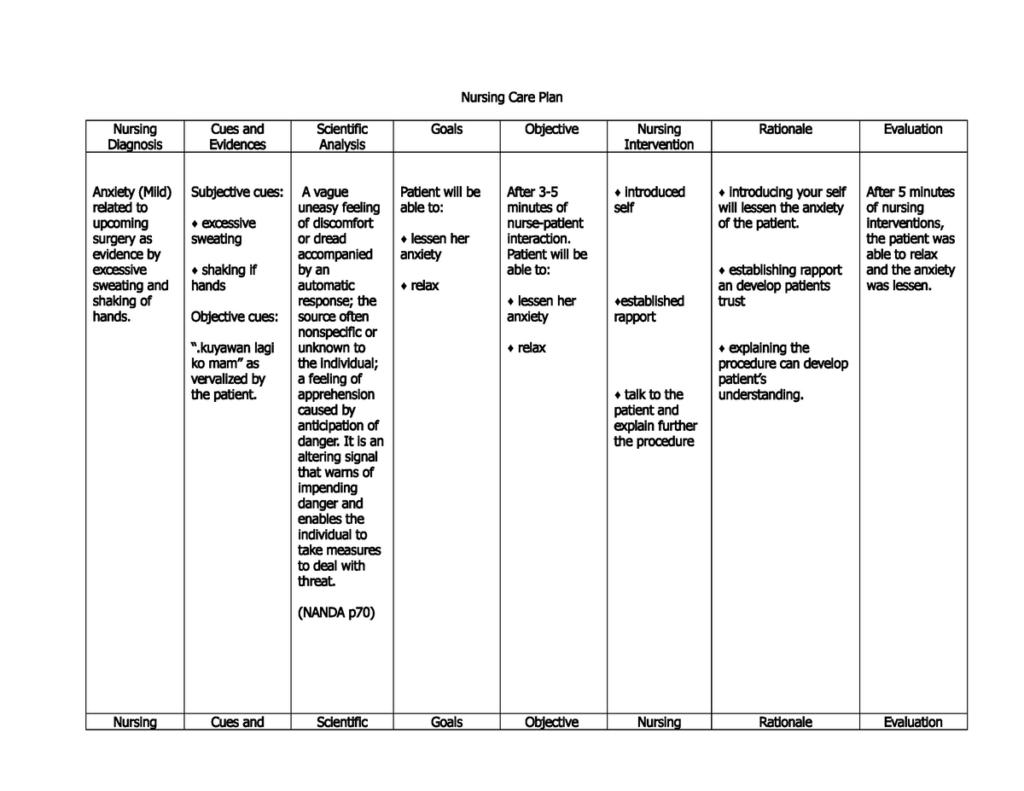
Nurses play a vital role in educating patients about excessive sweating, its causes, and available treatment options. It is important to explain that excessive sweating is a medical condition and not a result of poor hygiene. Nurses should provide information on lifestyle modifications, such as wearing breathable fabrics, avoiding triggers, and keeping cool, as well as proper hygiene practices to manage sweating. Counseling and emotional support should also be provided to address any psychological distress that may arise from excessive sweating.
Psychosocial support
Excessive sweating can have a significant psychosocial impact on individuals. Nurses should be empathetic and provide emotional support to patients who may be experiencing embarrassment, social anxiety, or depression as a result of their condition. Encouraging open communication and connecting patients with support groups or counseling services can help patients cope with the psychological impact of excessive sweating.
Assistance with daily activities
For patients with severe sweating, nurses may need to assist with daily activities that can be challenging due to excessive moisture. This may include helping patients with changing clothes, providing clean linens or clothing, and ensuring proper hygiene. Maintaining the patient’s comfort and dignity is essential while assisting them with activities that may be impacted by excessive sweating.
Promotion of skin integrity
Excessive sweating can increase the risk of skin infections and compromised skin integrity. Nurses should educate patients on proper skin care and hygiene practices to minimize these risks. This includes ensuring adequate cleansing of affected areas, using gentle cleansers, and applying moisturizers or barrier creams to protect the skin. Nurses should also monitor the patient’s skin for any signs of infection or irritation and promptly report any concerns to the healthcare team.
Hygiene and comfort measures
Supporting patients in managing their hygiene and comfort is paramount in the nursing care of excessive sweating. Encourage patients to shower or bathe regularly using mild soap and warm water to cleanse the skin and remove sweat and bacteria. Nurses can also suggest using absorbent pads, powders, or moisture-wicking clothing to help manage excessive sweating and maintain cleanliness throughout the day. Additionally, promoting comfort measures such as keeping the environment cool, using fans, or applying cool compresses can provide relief for patients experiencing excessive sweating.
Patient Education
Explanation of excessive sweating
When educating patients about excessive sweating, it is important to provide a clear and understandable explanation of the condition. Explaining that excessive sweating is caused by overactive sweat glands and is not within their control can help alleviate feelings of guilt or embarrassment. Emphasize that excessive sweating is a manageable medical condition and that there are various treatment options available to address their symptoms.
Triggers to avoid
Educating patients about potential triggers that can worsen excessive sweating is essential in managing the condition. Common triggers can include hot weather, anxiety, stress, certain foods or beverages (such as caffeine or spicy food), and tight or non-breathable clothing. Providing patients with a list of common triggers and strategies to avoid or minimize exposure to these triggers can help them better manage their condition.
Proper use of antiperspirants
Patients should be educated on the proper use of antiperspirants to maximize their effectiveness. Advise patients to apply antiperspirants to clean, dry skin before bed, as this allows for better absorption. Emphasize the importance of consistently using antiperspirants as directed, even on days when excessive sweating may not be noticeable. Educate patients about the difference between antiperspirants and deodorants, and clarify that antiperspirants specifically target sweat production, while deodorants primarily mask odor.
Self-care measures
In addition to medical interventions, patients can incorporate self-care measures into their daily routine to help manage excessive sweating. Educate patients on keeping well-hydrated, wearing loose-fitting and breathable clothing, and practicing stress management techniques such as deep breathing or meditation. Encourage patients to maintain a healthy lifestyle by exercising regularly, adopting a balanced diet, and getting adequate rest to support overall well-being.
When to seek medical help
Patients should be informed about when to seek medical help for their excessive sweating. If their symptoms worsen or significantly impact their daily activities and quality of life, it may be necessary to consult with a healthcare provider. Additionally, any signs of infection, such as redness, swelling, or pus at the site of sweating, should prompt immediate medical attention. Ensuring that patients are aware of when to seek help empowers them to take action in managing their condition effectively.
Psychosocial Impact
Embarrassment and social anxiety
Excessive sweating can often lead to feelings of embarrassment and social anxiety. Patients may feel self-conscious about visible sweat stains or offensive body odor, leading them to avoid social situations or develop a negative self-image. It is important for healthcare professionals to acknowledge these feelings and provide empathetic support. By normalizing the condition and offering strategies to manage excessive sweating, individuals can gain confidence and improve their overall quality of life.
Body image concerns
Excessive sweating can have a significant impact on body image. Patients may feel that their condition makes them less attractive or desirable. Nurses should provide reassurance that excessive sweating does not reflect personal hygiene habits and emphasize that seeking treatment options is a proactive step towards improving one’s well-being. Promoting positive body image and self-acceptance can help individuals cope with the potential negative impact of excessive sweating on their self-esteem.
Depression and isolation
Living with excessive sweating can lead to feelings of depression, isolation, or withdrawal from social activities. Nurses should be alert for signs of depression or other mental health concerns and facilitate appropriate referrals for counseling or therapy. Encouraging individuals to connect with support groups or online communities can help them realize that they are not alone in their experiences and provide a platform for sharing coping strategies and emotional support.
Coping strategies
Nurses can help patients develop coping strategies to manage the psychosocial impact of excessive sweating. This can include stress reduction techniques, such as deep breathing exercises or mindfulness, to help minimize sweating triggered by anxiety. Encourage individuals to practice self-compassion and engage in activities that boost self-confidence and self-esteem. By providing patients with tools to navigate the emotional challenges associated with excessive sweating, nurses play a crucial role in promoting holistic well-being.

Comorbidities
Hyperthyroidism
Hyperthyroidism, or overactive thyroid, is a common comorbidity associated with excessive sweating. It is important to assess for signs and symptoms of hyperthyroidism during the evaluation of excessive sweating. If suspected, prompt diagnosis and management of hyperthyroidism are necessary to effectively control excessive sweating and address the underlying thyroid dysfunction.
Menopause
Menopause is another potential comorbidity that can lead to excessive sweating in women. Fluctuations in estrogen levels during menopause can trigger hot flashes and night sweats. Nurses should consider menopause as a potential contributing factor for excessive sweating in women and provide appropriate support and education about managing the symptoms of menopause.
Diabetes
Diabetes is associated with various complications, including sweating abnormalities. Autonomic neuropathy, a common complication of diabetes, can result in excessive sweating or anhidrosis (reduced or absent sweating). Nurses should assess for signs and symptoms of diabetes and collaborate with the healthcare team to manage both the diabetes and excessive sweating effectively.
Obesity
Obesity is often linked to excessive sweating due to increased body mass and insulation. Nurses should be aware of the potential impact of obesity on excessive sweating and provide appropriate counseling and support to individuals who are overweight or obese. Encouraging weight management strategies, such as a balanced diet and regular exercise, can help in reducing excessive sweating in these individuals.
Anxiety disorders
Anxiety disorders can manifest with excessive perspiration as a common symptom. Individuals with anxiety disorders may experience excessive sweating during episodes of anxiety or panic attacks. Nurses should assess for signs and symptoms of anxiety disorders and collaborate with mental health professionals to provide a comprehensive treatment plan addressing both the anxiety and excessive sweating.
Complications
Skin infections
Excessive sweating can increase the risk of skin infections, particularly in areas prone to moisture accumulation, such as the underarms or groin. The warm and moist environment created by excessive sweating provides an ideal breeding ground for bacteria or fungal overgrowth, leading to infections such as intertrigo or candidiasis. Nurses should educate patients about proper hygiene practices and monitor for any signs of infection, so that prompt treatment can be initiated if necessary.
Interference with daily activities
Excessive sweating can significantly interfere with daily activities and quality of life. It may limit physical activities, impair work productivity, and disrupt personal relationships. Nurses should assess the impact of excessive sweating on a patient’s life and provide support and guidance on how to manage and adapt to these challenges. Encouraging patients to find alternative ways to engage in activities or modifying the environment to reduce discomfort can help minimize interference and enhance overall well-being.
Sleep disturbances
Excessive sweating can disrupt sleep patterns and lead to poor sleep quality. Night sweats can cause frequent awakening, discomfort, and subsequent daytime fatigue. Nurses should address these sleep disturbances and provide education on strategies for improving sleep hygiene. Recommending breathable sleepwear, keeping the room cool, and using moisture-wicking bedding can help create a more comfortable sleep environment for individuals experiencing excessive sweating.
Negative impact on quality of life
Excessive sweating can have a significant negative impact on quality of life, affecting both physical and psychological well-being. It can lead to feelings of embarrassment, frustration, and social isolation. Nurses should assess the overall impact of excessive sweating on an individual’s life and provide comprehensive support and interventions to address the concerns raised. By collaborating with the healthcare team and utilizing appropriate resources, nurses can assist individuals in improving their overall quality of life.

Collaborative Care
Consultation with dermatology
Collaboration with dermatology specialists is often crucial when managing excessive sweating. Dermatologists can provide expertise in diagnosing and assessing the severity of sweating disorders. They can offer advanced treatment options such as botulinum toxin injections or surgical interventions. By working together, nurses and dermatologists can create comprehensive treatment plans tailored to each patient’s needs.
Referral to endocrinology
When excessive sweating is suspected to be related to underlying endocrine disorders, a referral to an endocrinologist may be warranted. Endocrinologists specialize in diagnosing and treating hormonal imbalances that can contribute to excessive sweating, such as hyperthyroidism or menopause. Collaboration between nurses and endocrinologists ensures that patients receive appropriate diagnostic tests, hormonal management, and ongoing monitoring.
Multidisciplinary approach
Excessive sweating often requires a multidisciplinary approach to address both the medical and psychological aspects of the condition. Collaboration among healthcare professionals, such as dermatologists, endocrinologists, mental health specialists, and nurses, is essential for providing comprehensive care. A multidisciplinary team can work together to evaluate treatment options, develop personalized management plans, and provide ongoing support to individuals experiencing excessive sweating.
Coordination with primary care physician
Coordinating care with the primary care physician is essential to ensure continuity of care for individuals with excessive sweating. The primary care physician plays a crucial role in managing the overall health of the patient and may be the first point of contact for detecting and treating excessive sweating. Collaboration among nurses, primary care physicians, and other healthcare professionals ensures comprehensive care that addresses all aspects of the patient’s well-being.
Evidence-based Practice
Research on treatment options
Continued research on treatment options for excessive sweating is essential in providing evidence-based care. Ongoing studies investigate the efficacy and safety of various medical interventions, such as topical antiperspirants, oral medications, and surgical procedures. Nurses should stay updated with the latest research findings to ensure that they are providing the most current and evidence-based care to their patients.
Effectiveness of nursing interventions
Research has shown that nursing interventions can have significant positive effects on individuals experiencing excessive sweating. Studies have demonstrated that education, counseling, and psychosocial support from nurses contribute to improved patient outcomes, increased adherence to treatment plans, and enhanced quality of life. It is important for nurses to utilize evidence-based practices when providing care to individuals with excessive sweating.
Management of comorbidities
The management of comorbidities associated with excessive sweating, such as hyperthyroidism, menopause, diabetes, obesity, and anxiety disorders, requires evidence-based approaches. Continued research is necessary to better understand the relationship between these comorbidities and excessive sweating and to develop effective management strategies. Nurses should stay informed about current research in order to provide optimal care and facilitate appropriate referrals for individuals with comorbidities.
Long-term follow-up studies
Long-term follow-up studies are crucial to assess the long-term effectiveness and safety of various treatment options for excessive sweating. These studies provide valuable information on the durability of treatment outcomes, potential side effects, and the need for ongoing care. Nurses should encourage patients to participate in long-term follow-up studies to contribute to the advancement of knowledge in managing excessive sweating and to ensure the highest quality of care for future patients.