
Imagine a world where food is not just a means of sustenance, but a constant battle between your cravings and your well-being. In this article, we will explore the important role that nurses play in managing food addiction. From understanding the complexities of this condition to providing support and guidance, nurses are at the forefront of addressing the physical, emotional, and psychological aspects of food addiction. Join us as we delve into the nursing considerations and management strategies for this growing health issue.

Understanding Food Addiction
Food addiction is a complex and multifaceted condition characterized by a compulsive and uncontrollable desire to eat specific types of foods, often high in sugar, fat, and salt. Like other forms of addiction, food addiction can have a profound impact on an individual’s physical and emotional well-being. While not yet officially recognized as a standalone disorder in the Diagnostic and Statistical Manual of Mental Disorders (DSM-5), there is growing evidence to support the existence of food addiction as a distinct clinical entity.
Defining Food Addiction
Food addiction is commonly defined as a behavioral addiction where individuals exhibit compulsive and uncontrollable eating patterns, despite negative consequences. It is rooted in the brain’s reward system, and the consumption of highly palatable foods triggers the release of dopamine, a neurotransmitter associated with pleasure and reward. Over time, repeated exposure to these foods can lead to a dysregulation of the reward system, resulting in a loss of control and an increased drive to seek out and consume these foods.
Prevalence of Food Addiction
The prevalence of food addiction is difficult to determine due to the lack of a standardized diagnostic criteria. However, research suggests that a significant proportion of the population may be affected. One study found that approximately 20% of the general population may exhibit symptoms of food addiction. Furthermore, individuals with obesity or eating disorders, such as binge eating disorder, are more likely to experience food addiction.
Causes and Risk Factors
The development of food addiction is influenced by a combination of genetic, environmental, and psychological factors. Certain genetic variations have been associated with an increased susceptibility to developing addictive behaviors, including food addiction. Environmental factors, such as easy access to highly palatable foods and a culture that promotes overeating, can also contribute to the development of food addiction. Additionally, individuals with a history of trauma, stress, or mental health disorders, such as depression or anxiety, may be at a higher risk of developing food addiction.
Signs and Symptoms of Food Addiction
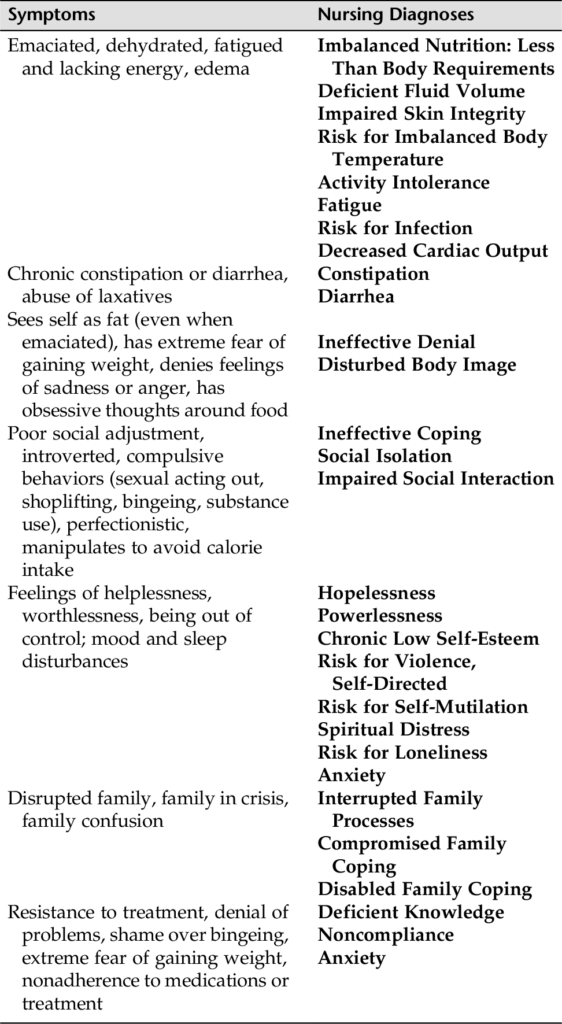
Recognizing the signs and symptoms of food addiction is crucial for early intervention and treatment. Some common signs and symptoms include:
- Frequent cravings for specific types of foods, especially those high in sugar, fat, and salt.
- Difficulty controlling or stopping the consumption of certain foods, even when feeling full or experiencing negative health effects.
- Preoccupation with food, including constant thoughts and planning around eating.
- Continuing to consume large quantities of food despite negative physical, emotional, or social consequences.
- Feelings of guilt, shame, or distress following episodes of overeating.
- Withdrawal symptoms, such as irritability or anxiety, when attempting to cut back or stop eating certain foods.
Assessment and Diagnosis
Accurate assessment and diagnosis of food addiction are crucial for developing appropriate treatment plans. Several tools and approaches can be utilized to aid in the evaluation process.
Screening Tools for Food Addiction
While no standardized diagnostic criteria exist, several screening tools have been developed to assess the presence and severity of food addiction. The Yale Food Addiction Scale (YFAS) is one commonly used tool that evaluates addictive-like eating behaviors. This self-report questionnaire assesses symptoms of food addiction, including cravings, loss of control, and continued consumption despite negative consequences.
Patient History and Self-Reporting
Gathering a comprehensive patient history is essential to identify potential risk factors and underlying psychological or emotional issues that may contribute to food addiction. It is important to create a safe and non-judgmental environment to encourage open communication. Additionally, self-reporting tools, such as food diaries or journals, can provide valuable insights into an individual’s eating patterns, emotional triggers, and coping mechanisms.
Physical and Psychological Assessment
Physical assessments, including measurements of weight, body mass index (BMI), and waist circumference, are essential to determine the individual’s current health status. Psychological assessments, such as structured interviews or questionnaires, can help identify co-occurring mental health issues, such as depression, anxiety, or trauma. Understanding the physical and psychological aspects of food addiction allows for a holistic approach to treatment.
Diagnosing Co-occurring Mental Health Issues
It is crucial to assess and diagnose any co-occurring mental health issues that may be exacerbating food addiction symptoms. Collaborating with psychiatrists and psychologists can help determine appropriate interventions and treatment plans. Treating both the food addiction and co-occurring mental health issues simultaneously is essential for achieving long-term recovery.

Nutritional Education and Counseling
Nutritional education and counseling play a vital role in the management and treatment of food addiction. By providing individuals with the knowledge and skills to make healthier food choices, they can gain control over their eating habits and develop a positive relationship with food.
Providing Education on Healthy Eating
Educating individuals about the principles of healthy eating, including the importance of a balanced diet, portion control, and nutrient-dense foods, is central to addressing food addiction. This education helps individuals understand the impact of their food choices on their overall health and well-being.
Understanding the Role of Emotional Eating
Emotional eating often plays a significant role in food addiction. Counseling sessions can help individuals identify emotional triggers for overeating and develop healthier coping mechanisms. By addressing the underlying emotional issues, individuals can learn to distinguish physical hunger from emotional hunger and develop alternative strategies to manage their emotions.
Teaching Portion Control and Mindful Eating
Teaching individuals about portion control and mindful eating is essential to help them regain control over their eating habits. By understanding appropriate portion sizes and learning to eat mindfully, individuals can develop healthier eating patterns and better respond to their body’s hunger and fullness cues.
Developing Individualized Meal Plans
Tailoring meal plans to each individual’s unique needs and preferences is crucial for sustained success. Registered dietitians and nutritionists can assist individuals in creating personalized meal plans that meet their nutritional requirements while addressing their specific food addiction challenges. These meal plans should be flexible, realistic, and enjoyable, promoting long-term adherence.
Behavioral Interventions
Behavioral interventions are essential components of food addiction treatment, focusing on modifying thought patterns, behaviors, and coping strategies to achieve sustained recovery.
Cognitive-behavioral Therapy Approaches
Cognitive-behavioral therapy (CBT) has been shown to be effective in treating food addiction. It helps individuals identify and challenge negative thoughts and beliefs surrounding food and eating, develop healthier coping strategies, and establish positive behavior change. CBT may be delivered in individual or group settings and is often combined with other therapeutic approaches for optimal results.
Identifying Triggers and Coping Strategies
Identifying triggers for overeating and developing healthy coping strategies is crucial in overcoming food addiction. By recognizing emotional, environmental, or situational triggers, individuals can implement alternative responses and healthier ways of managing stress or emotions. This may involve finding alternative activities, seeking social support, or practicing relaxation techniques.
Encouraging Self-monitoring and Food Diaries
Encouraging individuals to keep food diaries or engage in self-monitoring techniques can provide valuable insights into their eating patterns and behaviors. By tracking food intake, emotions, and cravings, individuals become more aware of their actions and can identify patterns or triggers that contribute to their food addiction. Self-monitoring also helps individuals hold themselves accountable and make more informed choices.
Developing Healthy Habits and Goal Setting
Developing healthy habits and setting achievable goals are key components of behavioral interventions. By gradually incorporating positive lifestyle changes, individuals can build sustainable habits and foster long-term recovery. These habits may include regular exercise, establishing consistent meal times, practicing stress management techniques, and engaging in enjoyable activities unrelated to food.

Pharmacological Approaches
In some cases, pharmacological interventions may be considered as part of a comprehensive treatment plan for food addiction. Medications can help individuals manage cravings, reduce the desire for high-reward foods, and address co-occurring mental health conditions that contribute to food addiction.
Medications for Food Addiction Management
There is limited research on specific medications for food addiction. However, certain medications used to treat substance addictions or psychiatric conditions may show potential in managing food addiction symptoms. These medications may include naltrexone, bupropion, topiramate, or selective serotonin reuptake inhibitors (SSRIs). The use of medication should be carefully evaluated, and collaboration with psychiatrists and physicians is crucial to assess potential benefits and monitor for side effects.
Usage, Benefits, and Potential Side Effects
The usage of medications in food addiction management should be individualized and based on a thorough assessment of the individual’s needs and risks. Benefits of pharmacological interventions may include reduced cravings, decreased binge eating episodes, and improved mood. However, potential side effects should be carefully monitored and addressed to ensure optimal treatment outcomes. Regular follow-ups with healthcare providers are essential to assess medication adherence and effectiveness.
Collaboration with Psychiatrists and Physicians
Collaboration with psychiatrists and physicians is essential in determining appropriate pharmacological interventions for individuals with food addiction. These healthcare professionals possess the expertise and knowledge to evaluate the need for medication and monitor its effects on the individual’s overall health. Multidisciplinary collaboration ensures a comprehensive approach to treatment and maximizes the individual’s chances of successful recovery.
Monitoring Medication Adherence and Effectiveness
Ongoing monitoring of medication adherence and effectiveness is crucial to ensure optimal treatment outcomes for individuals with food addiction. Regular follow-up appointments with healthcare providers allow for adjustments in medication dosage or possible changes in medication type to address any concerns or side effects. By closely monitoring adherence and effectiveness, healthcare providers can ensure that individuals receive the most appropriate treatment for their specific needs.
Supportive Interventions
Supportive interventions, such as individual and group therapy, peer support, family involvement, and addressing social determinants of health, play a vital role in the holistic management of food addiction.
Individual and Group Therapy Sessions
Individual and group therapy sessions provide individuals with a safe and supportive environment to share their experiences, challenges, and successes in overcoming food addiction. These sessions allow for personal reflection, the development of healthy coping strategies, and the building of a strong support network. Therapy sessions may include various therapeutic modalities, such as cognitive-behavioral therapy, dialectical behavior therapy, or motivational interviewing.
Peer Support and 12-Step Programs
Peer support and participation in 12-step programs, such as Overeaters Anonymous, can be valuable resources for individuals with food addiction. These programs provide a platform for individuals to connect with others who have faced similar challenges, share their stories, and learn from one another. These supportive communities foster a sense of belonging, accountability, and ongoing encouragement.
Family Involvement and Education
Involving family members in the treatment process can enhance support and understanding for individuals with food addiction. Family therapy sessions can help address any dysfunctional family dynamics that may contribute to or exacerbate the condition. Additionally, educating family members about food addiction, its signs and symptoms, and appropriate ways to provide support can strengthen the individual’s recovery journey.
Addressing Social Determinants of Health
Addressing social determinants of health is crucial in managing and preventing relapse in individuals with food addiction. Factors such as limited access to affordable and nutritious foods (food deserts), socioeconomic status, cultural beliefs, and educational opportunities can significantly impact an individual’s ability to overcome food addiction. Collaborating with social workers, community organizations, and policymakers can help identify and address these systemic barriers and create more supportive environments for individuals striving for recovery.
Preventing Relapse
Preventing relapse is a critical component of long-term recovery from food addiction. Identifying high-risk situations, developing relapse prevention plans, creating a supportive environment, and empowering individuals to seek ongoing support are key strategies in minimizing the likelihood of relapse.
Identifying High-Risk Situations
Identifying high-risk situations that may trigger a relapse is crucial for effective relapse prevention. These situations may include social events, emotional distress, or exposure to highly palatable foods. By recognizing these triggers, individuals can develop strategies to avoid or navigate these situations effectively. Strategies may include planning ahead, seeking support, and implementing alternative coping mechanisms.
Developing Relapse Prevention Plans
Developing relapse prevention plans involves creating a personalized roadmap that outlines strategies and resources to utilize in times of vulnerability. These plans typically include identifying warning signs, establishing emergency contacts, scheduling regular follow-ups, and implementing strategies for self-care and stress management. With a comprehensive and individualized plan in place, individuals can feel empowered and prepared to face potential challenges.
Creating a Supportive Environment
Creating a supportive environment is essential in preventing relapse and supporting long-term recovery. This environment includes relationships with family, friends, healthcare providers, and support groups that promote accountability, understanding, and encouragement. Removing or minimizing triggers and creating a safe space that fosters positive behavior change can significantly enhance an individual’s chances of sustained recovery.
Empowering Patients to Seek Ongoing Support
Empowering individuals to seek ongoing support is instrumental in preventing relapse. Encouraging individuals to engage in continued therapy, attend support group meetings, or participate in aftercare programs helps them stay connected to their recovery community. Regular check-ins with healthcare providers also provide opportunities for ongoing support, monitoring, and adjustment of treatment plans as needed.
Collaboration with Healthcare Team
Collaboration with the healthcare team is essential for providing comprehensive care to individuals with food addiction. Effective communication, referrals to registered dietitians and nutritionists, coordination with addiction specialists, and incorporating holistic healthcare approaches lead to optimal treatment outcomes.
Communication with Psychiatrists and Psychologists
Maintaining open and effective communication with psychiatrists and psychologists is crucial in managing food addiction. Regular updates, sharing treatment progress, and discussing any concerns or changes in the individual’s condition ensure that the entire healthcare team is working collaboratively towards the individual’s recovery goals. This communication also helps align treatment plans and interventions to address both food addiction and co-occurring mental health issues.
Referrals to Registered Dietitians and Nutritionists
Referring individuals to registered dietitians and nutritionists provides specialized expertise in nutrition education and planning. These professionals can create individualized meal plans, monitor nutritional status, address any nutrient deficiencies, and provide ongoing guidance and support. Collaboration between nurses, dietitians, and nutritionists ensures that individuals receive comprehensive care that addresses both their nutritional needs and their food addiction.
Coordinating Care with Addiction Specialists
Coordinating care with addiction specialists, such as substance abuse counselors or addiction psychiatrists, is crucial in managing food addiction effectively. These specialists possess expertise in treating addictive behaviors and can provide additional therapeutic interventions and support. Collaborative efforts between nurses, addiction specialists, and other healthcare professionals result in a well-rounded approach to food addiction treatment.
Incorporating Holistic Healthcare Approaches
Incorporating holistic healthcare approaches, such as complementary therapies or alternative modalities, can further enhance treatment outcomes for individuals with food addiction. These approaches may include mindfulness meditation, yoga, acupuncture, or art therapy. By addressing the individual’s physical, emotional, and spiritual well-being, holistic interventions promote comprehensive healing and sustained recovery.

Cultural Considerations
Understanding and respecting cultural influences on food addiction are essential for providing culturally sensitive care. Recognizing the impact of cultural beliefs, traditions, and practices on food choices and eating behaviors is crucial in tailoring interventions to meet the individual’s needs.
Understanding Cultural Influences on Food Addiction
Cultural influences can significantly impact an individual’s relationship with food and their susceptibility to food addiction. Cultural norms, traditions, and societal expectations around food consumption may play a role in the development and maintenance of food addiction. For example, cultures that celebrate with food may contribute to emotional eating patterns or overeating in social settings.
Respecting Patients’ Cultural Beliefs and Practices
Respecting and valuing patients’ cultural beliefs and practices are vital for effective and patient-centered care. Nurses should approach individuals with empathy and cultural humility, acknowledging that cultural factors may influence their food choices and eating behaviors. By engaging in a respectful and non-judgmental manner, nurses can foster trust and ensure that interventions align with the individual’s cultural values.
Adapting Interventions for Cultural Diversity
Adapting interventions to respect cultural diversity is essential in providing effective care for individuals with food addiction. Interventions should take into account cultural dietary patterns, preferences, and restrictions. Collaborating with cultural liaisons, interpreters, and offering educational resources in multiple languages can help bridge communication gaps and ensure that interventions are culturally appropriate and relevant.
Addressing Food Deserts and Access to Healthy Food
Addressing food deserts, areas with limited access to affordable and nutritious food, is crucial in combating food addiction. Nurses can advocate for policy changes, collaborate with community organizations, and support initiatives that increase access to healthy food options in underserved communities. Addressing systemic barriers to healthy food options ensures that individuals have the resources and support necessary for making positive lifestyle changes.
Ethical Considerations
Ethical considerations are paramount in providing compassionate and patient-centered care for individuals with food addiction. Nurses must uphold ethical principles to ensure the well-being, autonomy, and dignity of the individuals they care for.
Maintaining Patient Confidentiality
Maintaining patient confidentiality is essential in building trust and protecting the privacy of individuals with food addiction. Nurses must adhere to legal and ethical obligations to safeguard patient information and ensure that it is only shared on a need-to-know basis. Respecting patient confidentiality fosters an environment where individuals feel safe to disclose sensitive information and engage in open dialogue.
Respecting Patient Autonomy and Self-Determination
Respecting patient autonomy and self-determination is a fundamental ethical principle in caring for individuals with food addiction. Nurses should engage in shared decision-making, providing individuals with the necessary information, options, and support to make informed choices about their care. Respecting patient autonomy ensures that individuals are active participants in their recovery journey, enabling them to take ownership of their treatment decisions.
Avoiding Judgment and Stigma
Avoiding judgment and stigma is crucial in providing non-discriminatory and compassionate care. Nurses should approach individuals with empathy, free from preconceived notions or biases. By creating a safe and non-judgmental environment, nurses can promote trust, encourage open communication, and foster an atmosphere of acceptance and support.
Balancing Personal Beliefs with Professional Duty
Nurses must navigate the complexities of their personal beliefs while upholding their professional duty to provide patient-centered care. It is imperative to separate personal opinions and biases from the care provided, ensuring that individuals are treated with respect and dignity, regardless of their choices or circumstances. Nurses should continuously reflect on and challenge their own biases to ensure that their care remains unbiased and patient-focused.
In conclusion, managing food addiction requires a comprehensive and multidisciplinary approach. Understanding the complexity of this condition, utilizing appropriate assessment and diagnostic tools, providing nutritional education and counseling, implementing behavioral interventions, considering pharmacological approaches, offering supportive interventions, preventing relapse, collaborating with the healthcare team, addressing cultural considerations, and upholding ethical principles are crucial in providing effective care for individuals with food addiction. By recognizing the impact of food addiction and implementing evidence-based interventions, nurses play a vital role in promoting the physical and emotional well-being of individuals affected by this condition.