
Have you ever experienced the discomfort caused by halos and glare? In this article, we will explore the nursing considerations and management strategies for dealing with these visual disturbances. Whether you are a nurse caring for patients or someone who frequently encounters halos and glare, this article will provide you with valuable insights and practical tips to alleviate their impact on your daily life. So, let’s dive in and discover how we can effectively address these challenges together.
Understanding Halos and Glare
Definition of Halos
Halos refer to the phenomenon where circles or rings of blurred light appear around a source of light, such as headlights, streetlights, or bright lights in a room. These halos can vary in size and intensity, and they can cause visual disturbances and discomfort for individuals experiencing them.
Definition of Glare
Glare, on the other hand, occurs when there is an excessive brightness or a strong contrast of light, causing discomfort or difficulty in seeing clearly. It can be caused by direct or reflected light and can manifest as a bright spot or a hazy glow. Glare can significantly impact a person’s visual clarity and may interfere with their ability to perform daily activities.
Causes of Halos and Glare
Halos and glare can have multiple causes, including certain eye conditions, such as cataracts, astigmatism, or corneal irregularities. Additionally, certain medications and surgeries, such as LASIK, can also contribute to the development of halos and glare. Environmental factors, such as bright sunlight or poorly lit surroundings, can worsen the symptoms of halos and glare.
Effects of Halos and Glare on Patients
Halos and glare can have a significant impact on a patient’s quality of life. The visual disturbances caused by halos and glare can make it challenging for individuals to drive safely, perform daily activities, or even read. Patients may experience increased eye strain, headaches, and decreased visual acuity, leading to frustration, anxiety, and a decline in overall well-being.
Importance of Nursing Considerations
Nurses play a vital role in the assessment, management, and prevention of halos and glare. By being knowledgeable about the causes, symptoms, and treatment options related to halos and glare, nurses can provide comprehensive care and support to patients. Understanding and addressing the unique nursing considerations associated with halos and glare can significantly improve patient outcomes and promote their overall comfort and well-being.
Assessment of Halos and Glare
Symptoms of Halos and Glare
The symptoms of halos and glare can vary depending on the individual and the underlying cause. Common symptoms include blurred vision, sensitivity to light, seeing halos or rings around lights, and difficulty with night vision. Patients may also complain of eye strain, headaches, and reduced visual clarity. It is essential for nurses to carefully assess and document these symptoms to identify the appropriate interventions.
Patient History
Gathering a detailed patient history is crucial in assessing halos and glare. Nurses should inquire about the duration and frequency of symptoms, any previous eye conditions or surgeries, and the use of any medications that can contribute to visual disturbances. Understanding the patient’s medical history can help nurses identify potential causes and guide the appropriate diagnostic tests and treatment interventions.
Physical Examination
During the physical examination, nurses should assess the patient’s visual acuity, pupil response, and assess for any signs of eye inflammation or abnormalities. They can use ophthalmoscopes or other specialized equipment to examine the internal structures of the eye and assess the integrity of the cornea, lens, and retina. These examinations help nurses identify any physical factors contributing to halos and glare.
Diagnostic Tests
In some cases, additional diagnostic tests may be necessary to determine the underlying cause of halos and glare. These tests may include visual field testing, corneal topography, ultrasound imaging, or a detailed examination of the eye’s lens and retina. Nurses should collaborate with ophthalmologists or other healthcare professionals to ensure that these tests are promptly ordered and interpreted to guide appropriate interventions.
Management of Halos and Glare
Medical Interventions
Medical interventions for halos and glare aim to address the underlying conditions contributing to these symptoms. For example, if cataracts are the cause, cataract surgery may be recommended to remove the cloudy lens and replace it with an artificial lens. Other conditions may require medication or specialized treatments to alleviate the symptoms and improve visual clarity. Nurses should collaborate with healthcare providers to ensure that medical interventions are properly administered and monitored.
Surgical Interventions
In cases where surgical interventions are necessary, nurses play a crucial role in preparing the patient, providing education, and offering post-operative care. They should ensure that the patient receives appropriate pre-operative instructions, such as fasting guidelines and medication management. Additionally, nurses should closely monitor the patient’s vital signs, manage post-operative pain, and assess for any complications or adverse reactions.
Pharmacological Interventions
Certain medications can be prescribed to manage the symptoms of halos and glare. These may include topical eye drops to reduce inflammation or improve tear production, as well as medications to control underlying eye conditions. Nurses should educate patients on the proper administration technique, potential side effects, and the importance of adhering to the prescribed regimen. Regular monitoring for any adverse reactions is also essential.
Non-pharmacological Interventions
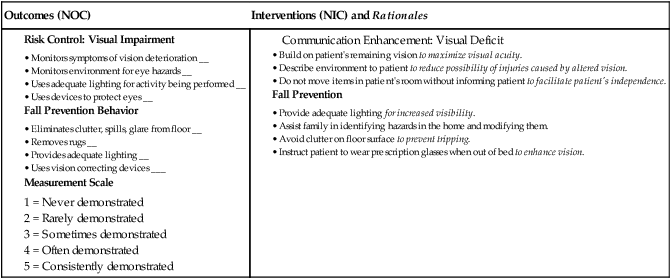
Non-pharmacological interventions can significantly alleviate the symptoms of halos and glare. These may include recommending the use of anti-glare filters or sunglasses, adjusting lighting conditions in the environment, and providing guidance on proper positioning or posture to minimize visual disturbances. Nurses should collaborate with occupational therapists and other healthcare professionals to implement these interventions effectively.
Nursing Considerations for Assessment
Assessing Patient’s Complaints
When assessing patients with halos and glare, nurses should prioritize active listening and effective communication. By actively listening to the patient’s complaints and concerns, nurses can gather critical information to guide their assessment and ensure that all symptoms are addressed and documented. Prompt and thorough assessment of the patient’s complaints can significantly impact the effectiveness of subsequent interventions.
Documenting Symptoms
Accurate and detailed documentation of symptoms is crucial for effective assessment and communication among healthcare professionals. Nurses should document the patient’s reported symptoms, their severity, duration, and any exacerbating or alleviating factors. Clear and concise documentation enhances continuity of care and facilitates interdisciplinary collaboration in the management of halos and glare.
Collaborating with Other Healthcare Professionals
Nursing care for patients with halos and glare often requires collaboration with other healthcare professionals, such as ophthalmologists, occupational therapists, or physical therapists. By establishing clear lines of communication, nurses can ensure that all aspects of the patient’s care are addressed comprehensively. Collaborating with other healthcare professionals promotes interdisciplinary care and enhances patient outcomes.
Nursing Considerations for Management
Administering Medications
When administering medications to manage halos and glare, nurses should follow safe medication administration practices. They should verify the prescribed medications, assess the patient for any contraindications or allergies, and closely monitor for any adverse reactions. Nurses should also educate patients about the medications they are receiving, including potential side effects and the importance of adherence to the prescribed regimen.
Monitoring for Adverse Reactions
Regular monitoring for adverse reactions is essential when managing halos and glare. Nurses should closely observe patients for any changes in vital signs, the presence of any new symptoms or worsening of existing symptoms, or signs of medication intolerance. Timely identification and appropriate management of adverse reactions can prevent complications and enhance the patient’s overall well-being.
Assisting with Surgical Interventions
Nurses play a critical role in assisting with surgical interventions for halos and glare. They should ensure that the necessary equipment is prepared and readily available, provide emotional support to the patient before and during the procedure, and assist the healthcare team during the surgery. Following the surgical intervention, nurses should closely monitor the patient for any complications and provide appropriate post-operative care.
Educating Patients and Families
Patient education is a vital aspect of nursing care for halos and glare. Nurses should provide comprehensive education to patients and their families regarding the underlying conditions contributing to halos and glare, the treatment options available, and strategies to manage and prevent symptoms. Clear and concise education empowers patients to actively participate in their care, make informed decisions, and adopt healthy behaviors.
Preventing Halos and Glare
Ensuring Proper Lighting
Proper lighting is essential in preventing halos and glare. Nurses should advise patients to ensure adequate lighting in their environments, especially during activities that require visual clarity. This may involve using task lighting, adjusting screen brightness, or avoiding excessively bright light sources. By promoting optimal lighting conditions, nurses can minimize the occurrence of halos and glare.
Optimizing Vision Correction
Optimizing vision correction is an important step in preventing halos and glare. Nurses should encourage patients to have regular eye examinations and wear corrective lenses as prescribed. Properly fitted and up-to-date glasses or contact lenses can significantly reduce the occurrence of halos and glare, ensuring clear vision and enhancing overall visual comfort.
Avoiding Triggering Factors
Certain triggering factors can exacerbate halos and glare. Nurses should educate patients on these factors and advise them to avoid or minimize exposure whenever possible. Triggering factors may include excessive sunlight, bright headlights when driving at night, or certain activities that strain the eyes, such as prolonged screen time. Awareness and avoidance of these factors can significantly contribute to the prevention of halos and glare.
Promoting Eye Health
Promoting overall eye health is crucial in preventing halos and glare. Nurses should educate patients on the importance of a healthy lifestyle, including a well-balanced diet rich in vitamins and antioxidants that support eye health. Encouraging regular exercise, adequate hydration, and proper eye hygiene can also help prevent eye conditions that contribute to halos and glare.
Nursing Considerations for Prevention
Educating Patients on Lighting
When educating patients on preventing halos and glare, nurses should emphasize the importance of proper lighting. They should guide patients on how to adjust lighting conditions in their homes or workplaces, provide tips for reducing glare from electronic devices, and educate them on the potential risks associated with poorly lit environments. Clear and concise education empowers patients to make informed choices and take an active role in preventing halos and glare.
Collaborating with Occupational Therapist
Collaboration with occupational therapists is essential in preventing halos and glare. Occupational therapists can provide valuable insights into enhancing the visual environment for patients, recommend adaptive devices, and suggest modifications to improve visual comfort during daily activities. By collaborating with occupational therapists, nurses can ensure that the patient’s visual needs are addressed holistically.
Providing Education on Vision Correction
Nurses should educate patients on the importance of regular eye examinations and proper vision correction. They should provide information on the benefits of wearing correctly prescribed glasses or contact lenses, including the reduction of halos and glare. Nurses should also educate patients on proper eyewear maintenance, such as cleaning techniques and storage guidelines, to promote optimal vision correction.
Promoting Eye Protection
Promoting eye protection measures is crucial in preventing halos and glare. Nurses should stress the importance of wearing appropriate eye protection, such as sunglasses with UV protection, during outdoor activities. Additionally, they should educate patients on workplace safety measures, including the use of safety glasses or goggles in environments with potential eye hazards. By promoting eye protection, nurses can significantly reduce the risk of eye conditions that contribute to halos and glare.
Promoting Patient Comfort
Assisting with Activities of Daily Living
Assisting patients with activities of daily living can significantly contribute to their comfort. Nurses should provide support and guidance in performing tasks that may be challenging due to halos and glare. This may include helping patients with meal preparation, personal hygiene, or organizing their living space to minimize visual disturbances. By assisting with activities of daily living, nurses can promote patient independence and enhance their overall comfort.
Implementing Pain Management Strategies
For patients experiencing discomfort or pain related to halos and glare, implementing pain management strategies is essential. Nurses should assess the severity and location of the pain and collaborate with healthcare providers to develop an individualized pain management plan. This may include administering appropriate pain medications, providing comfort measures such as ice packs or warm compresses, or utilizing relaxation techniques. Effective pain management enhances patient comfort and fosters a positive healing environment.
Implementing Comfort Measures
Comfort measures can greatly improve the well-being of patients with halos and glare. Nurses should assess individual patient preferences and provide comfort measures accordingly. This may include adjusting the lighting in the patient’s environment, providing soothing music or auditory distractions, or offering therapeutic massages. Individualized comfort measures help alleviate symptoms, reduce anxiety, and promote overall patient comfort.

Nursing Considerations for Patient Comfort
Assessing Patient’s Functional Independence
When considering patient comfort, nurses should assess the patient’s functional independence and capabilities. By understanding the patient’s physical limitations and any difficulties they may experience with daily activities, nurses can tailor their care to meet individual needs. Assessing functional independence promotes patient autonomy and ensures that comfort measures effectively address specific challenges related to halos and glare.
Collaborating with Physical Therapist
Collaboration with physical therapists is essential in promoting patient comfort. Physical therapists can provide valuable insights into techniques and exercises that can improve posture, reduce eye strain, and enhance overall physical well-being. By collaborating with physical therapists, nurses can ensure a comprehensive approach to patient care, addressing both the physical and visual challenges associated with halos and glare.
Administering Pain Medications
Administering pain medications is a crucial nursing consideration for promoting patient comfort. Nurses should carefully monitor the patient’s pain levels, administer prescribed pain medications promptly, and document their effectiveness. Regular assessment and communication with the patient regarding pain management allows for adjustments in medication dosage or alternative pain management strategies to optimize patient comfort.
Providing Emotional Support
Emotional support plays a significant role in promoting patient comfort. Nurses should provide a compassionate and empathetic approach during patient interactions and encourage open communication. Active listening, therapeutic communication techniques, and validation of the patient’s concerns can help alleviate anxiety and stress related to halos and glare. Emotional support fosters trust, instills confidence, and enhances the overall patient experience.
Evaluating Patient Outcomes
Monitoring Progress
Monitoring patient progress is crucial in evaluating the effectiveness of interventions for halos and glare. Nurses should regularly reassess the patient’s symptoms, functional abilities, and visual acuity to determine if there have been any improvements or changes. Comparison of baseline assessments with current findings helps evaluate the overall effectiveness of the nursing care provided.
Assessing Quality of Life
Assessing the patient’s quality of life is an important outcome measure in the management of halos and glare. Nurses should assess the patient’s ability to perform daily activities, engage in social interactions, and participate in hobbies or recreational activities. Patient feedback and self-reported quality of life indicators offer valuable insights into the impact of halos and glare on overall well-being.
Identifying Complications
Complications can arise during the management of halos and glare, requiring prompt identification and intervention. Nurses should closely monitor patients for any signs of infection, adverse reactions to medication or surgical interventions, or worsening of symptoms. Early identification and appropriate management of complications contribute to the overall success of nursing interventions and promote optimal patient outcomes.
Modifying Care Plan
Based on the ongoing assessment and evaluation of patient outcomes, nurses may need to modify the care plan accordingly. This may involve adjusting medication dosages or types, recommending additional non-pharmacological interventions, or seeking consultation from other healthcare professionals. Modifying the care plan ensures that nursing interventions are individualized, responsive to patient needs, and optimized for the management of halos and glare.
In conclusion, nursing considerations for halos and glare encompass a comprehensive approach aimed at understanding, assessing, managing, preventing, promoting comfort, and evaluating patient outcomes. By providing knowledgeable and empathetic care, nurses play a vital role in alleviating the symptoms and improving the quality of life for individuals experiencing halos and glare. Through interdisciplinary collaboration and patient education, nurses can enhance patient outcomes and ensure optimal visual comfort and well-being.