
So you’re considering a hair transplant? Well, before you make any decisions, it’s important to understand the nursing considerations and management that come along with it. From pre-operative assessments to post-operative care, nurses play a crucial role in ensuring the success of your hair transplant procedure. In this article, we will explore the various nursing considerations involved in hair transplants, providing you with the information you need to make an informed decision and enjoy a smooth recovery process. Get ready to discover the essential role that nurses play in the world of hair restoration!
Preoperative Considerations
Assessment of Patient’s Medical History
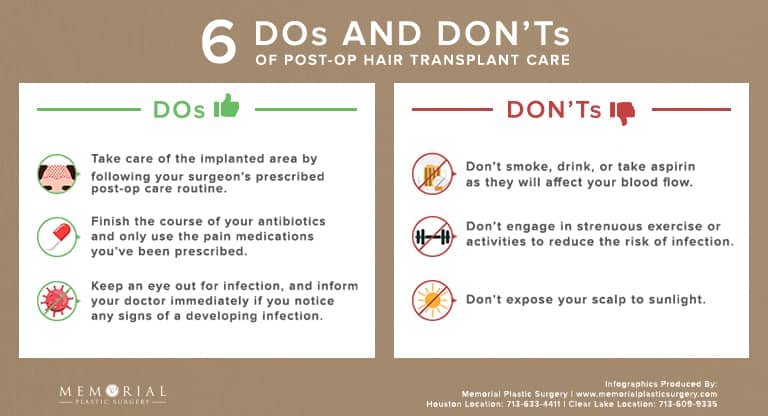
Before undergoing a hair transplant procedure, it is essential to assess the patient’s medical history comprehensively. This assessment helps identify any underlying medical conditions or risk factors that may affect the outcome of the surgery or increase the patient’s chances of complications. Nurses must review the patient’s medical records, including past surgeries, chronic illnesses, allergies, and medications. It is also crucial to inquire about any history of bleeding disorders, previous reactions to anesthesia, or adverse skin reactions.
Evaluation of Scalp Condition
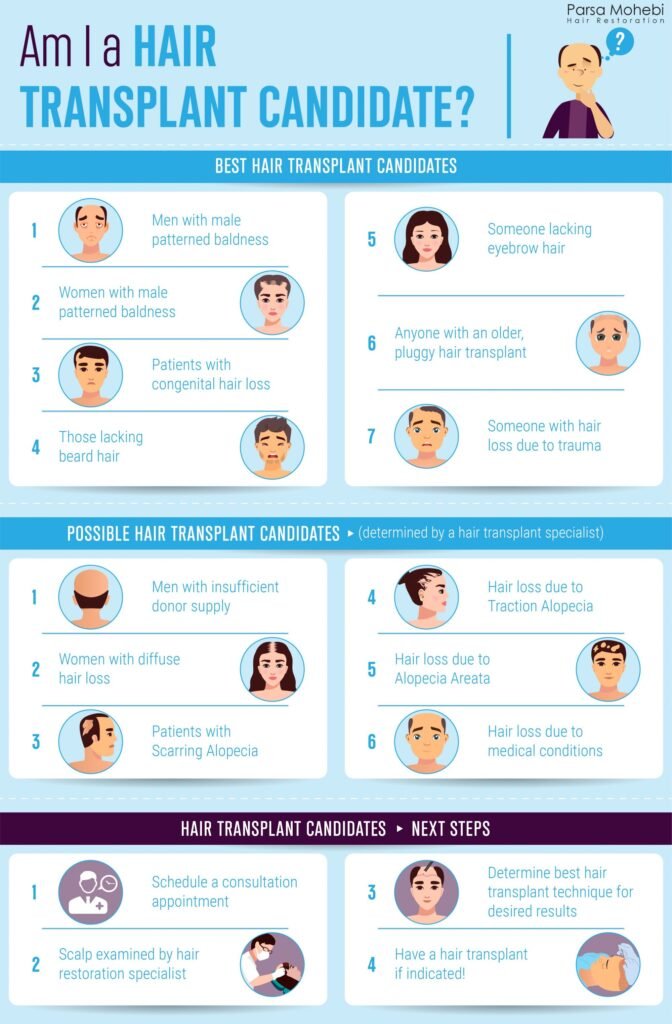
Assessing the patient’s scalp condition is another essential preoperative consideration. Nurses should examine the scalp for any signs of infection, inflammation, or scarring. They should also evaluate the quality and density of the patient’s hair, as this information can help determine the feasibility and expected outcome of the hair transplant procedure. In some cases, patients may require additional treatments or preparations, such as scalp conditioning therapies, to optimize the scalp condition before surgery.
Discussion of Patient’s Expectations
A crucial step in the preoperative process is engaging in thorough discussions with the patient about their expectations for the hair transplant procedure. Nurses should create a supportive environment that encourages open communication, allowing patients to share their desired hairline, density, and overall aesthetic goals. It is essential to manage realistic expectations, explaining the limitations of the procedure and the potential number of sessions required to achieve the desired results.
Arrangement of Blood Tests
To ensure patient safety and optimize surgical outcomes, arranging blood tests before the hair transplant procedure is essential. These tests typically include a complete blood count (CBC), coagulation profile, and liver function tests. By evaluating these laboratory results, nurses can identify any abnormalities or potential contraindications for surgery. Blood tests assist in minimizing the risk of excessive bleeding or undesirable complications during the procedure.
Review of Medications and Supplements
Nurses must thoroughly review the patient’s current medications and supplements to identify any that may interfere with the hair transplant procedure. Certain medications, such as anticoagulants or antiplatelet agents, may increase the risk of bleeding during the surgery. Additionally, some herbal supplements can affect blood clotting or interact with anesthesia. Nurses should collaborate with the surgical team and the patient’s healthcare provider to determine whether any adjustments or temporary cessation of medications and supplements are necessary prior to the procedure.
Surgical Considerations
Patient Preparation
Proper patient preparation is crucial for a successful hair transplant procedure. Nurses should ensure that patients follow any specific preoperative instructions, such as fasting requirements or restrictions on smoking or alcohol consumption. Additionally, preoperative preparations may include shaving or trimming the hair in the donor and recipient areas to facilitate the procedure. Nurses should provide clear instructions regarding these preparations and address any patient concerns or anxieties.
Preoperative Medications
To optimize patient comfort and reduce anxiety, preoperative medications may be administered as prescribed by the anesthesia provider. These medications may include anxiolytics or sedatives. Nurses must collaborate with the anesthesia provider to ensure that the appropriate medications are administered at the recommended times. It is crucial to monitor the patient closely, ensuring they are adequately prepared for the procedure while maintaining a calm and relaxed state.
Preoperative Scalp Cleaning
Prior to the hair transplant procedure, a thorough cleaning of the scalp is essential to reduce the risk of infection. Nurses are responsible for ensuring that the scalp is properly cleansed using an antiseptic solution. This includes carefully washing the donor and recipient areas, removing any debris or oil that may hinder the surgical process. By meticulously adhering to aseptic techniques during the preoperative scalp cleaning, nurses play a vital role in safeguarding patient safety.
Assistance during Anesthesia Administration
During the hair transplant procedure, anesthesia is typically administered to ensure patient comfort. Nurses play a supportive role in assisting the anesthesia provider with the administration of anesthesia. This may involve providing direct patient care, such as monitoring vital signs and ensuring the patient’s comfort during the anesthesia induction process. Nurses should possess a thorough understanding of the procedural steps and communicate effectively with the anesthesia team throughout the process.
Monitoring Vital Signs
Throughout the surgical procedure, nurses are responsible for continuously monitoring the patient’s vital signs to ensure their stability and safety. This includes monitoring blood pressure, heart rate, respiratory rate, and oxygen saturation levels. Vigilant monitoring allows nurses to promptly identify any deviations from normal values and take appropriate action. Nurses must communicate any significant changes in vital signs to the surgical team, enabling timely intervention if necessary.
Assisting with the Surgical Procedure
Nurses play a vital role in assisting the surgical team during the hair transplant procedure. This may involve tasks such as positioning the patient correctly, passing instruments to the surgeon, or providing suction as needed. Nurses should possess a comprehensive understanding of the procedure and anticipate the surgical team’s needs. By maintaining open communication and collaborating effectively with the surgical team, nurses contribute to the smooth progression of the surgical procedure.
Providing Comfort Measures for the Patient
During the surgical procedure, nurses should prioritize the patient’s comfort and well-being. This includes providing adequate pain management strategies, such as administering analgesics as prescribed, positioning the patient in a comfortable manner, and implementing measures to alleviate anxiety or discomfort. Nurses should also ensure that the patient’s body temperature is regulated, providing blankets or adjusting the room temperature if necessary. By providing holistic care, nurses enhance the patient’s overall surgical experience.
Management of Surgical Equipment and Supplies
Nurses are responsible for managing and organizing the surgical equipment and supplies necessary for the hair transplant procedure. This includes ensuring that sterile instruments are available, maintaining an adequate supply of sutures, and monitoring any other equipment required during the surgery. Nurses should anticipate the needs of the surgical team, promptly replacing any missing or contaminated items. Proper management of surgical equipment and supplies contributes to both patient safety and procedural efficiency.
Ensuring Sterile Environment
Maintaining a sterile environment is critical to minimize the risk of surgical site infections during a hair transplant procedure. Nurses must adhere to strict aseptic techniques, including proper hand hygiene, use of sterile gloves and gowns, and the appropriate cleaning and disinfection of equipment and surfaces. Nurses should collaborate closely with the surgical team to ensure all members are adhering to sterile protocols. By diligently maintaining a sterile environment, nurses play a vital role in preventing infections and promoting optimal patient outcomes.
Safeguarding against Infection
Nurses must be vigilant in safeguarding patients against infection throughout the hair transplant procedure. This includes closely monitoring the surgical site for any signs of infection, such as redness, swelling, or drainage. Nurses should educate patients on proper wound care techniques, emphasizing the importance of keeping the surgical site clean and dry. Additionally, nurses should incorporate evidence-based infection prevention practices, such as administering prophylactic antibiotics as prescribed. By implementing comprehensive infection control measures, nurses contribute to successful postoperative recovery and healing.
Postoperative Considerations
Monitoring Vital Signs
After the hair transplant procedure, it is crucial to continue monitoring the patient’s vital signs closely. This allows nurses to detect any signs of postoperative complications, such as hemorrhage or hypovolemia. Regular monitoring of blood pressure, heart rate, respiratory rate, and oxygen saturation levels enables prompt intervention if necessary. Nurses should collaborate with the surgical team to establish a postoperative monitoring plan and ensure that any significant changes in vital signs are communicated and addressed accordingly.
Assessment of Surgical Site
Assessing the surgical site is an essential postoperative consideration. Nurses should closely monitor the donor and recipient areas for any signs of infection, excessive bleeding, or poor wound healing. By inspecting the surgical site regularly, nurses can identify potential complications and initiate appropriate interventions. Additionally, nurses should document the characteristics and progress of the surgical site, ensuring accurate and comprehensive documentation of the patient’s postoperative status.
Management of Pain and Discomfort
Managing postoperative pain and discomfort is crucial to promote patient comfort and enable speedy recovery. Nurses should assess the patient’s pain level using appropriate pain scales and administer analgesics as prescribed. Non-pharmacological pain management strategies, such as cold compresses or relaxation techniques, may also be employed. Nurses should provide education and support to patients regarding pain management options and encourage open communication to ensure adequate pain relief.
Assessment and Care of Drainage
Depending on the surgical technique used, patients may have drains in place to assist with the removal of excess fluid or blood from the surgical site. Nurses should assess and monitor drainage outputs regularly, documenting the characteristics and volume of the drainage. It is crucial to maintain the integrity of the drains, ensuring they are functioning correctly and providing appropriate care to minimize the risk of infection or discomfort. Nurses should educate patients on drain care, including when and how to empty or flush the drains properly.
Patient Education and Instructions
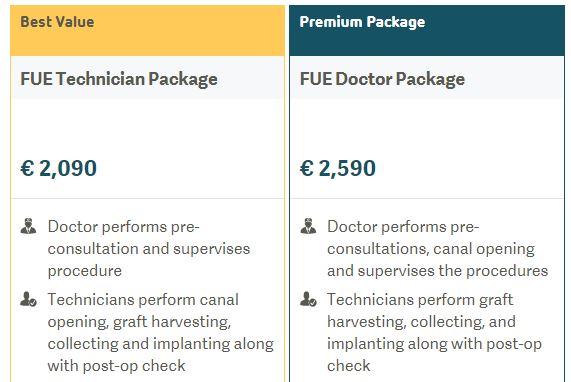
Patient education is a key component of postoperative care following a hair transplant procedure. Nurses should provide thorough instructions to patients and their caregivers regarding postoperative care routines, such as wound care, hair washing, and activity restrictions. Patients should also be educated about the expected healing process, including the timeline for hair growth and any potential temporary side effects or complications. By providing clear and comprehensive instructions, nurses empower patients to participate actively in their recovery and optimize the outcomes of the procedure.
Evaluation of Home Care Needs
Nurses should assess the patient’s home environment and support system to determine any additional care needs following discharge. This may include arranging home health services, providing recommendations for assistance with activities of daily living, or coordinating follow-up appointments. Assessing home care needs enables nurses to ensure a smooth transition from the hospital to the patient’s home, promoting continuity of care and supporting the patient’s ongoing recovery.
Encouragement of Proper Hygiene
Proper hygiene practices are essential for a successful recovery following a hair transplant procedure. Nurses should educate patients on appropriate hair washing techniques, emphasizing the need to keep the surgical site clean and free from contaminants. Patients should be instructed to avoid excessive manipulation or scratching of the surgical site and properly care for any dressings or bandages. By encouraging proper hygiene practices, nurses contribute to reducing the risk of infection and promoting optimal healing.
Management of Medications
Postoperative medication management is crucial to ensure patient comfort and promote healing. Nurses should review the patient’s prescribed medications and provide clear instructions on their administration, dosage, and potential side effects. This may include analgesics, antibiotics, or anti-inflammatory medications. Additionally, nurses should educate patients on the importance of adherence to their medication regimen and any specific precautions or restrictions related to their medications.
Addressing Potential Complications
While hair transplant procedures are generally safe, there is always a risk of potential complications. Nurses should be knowledgeable about common complications, such as excessive bleeding, infection, or scarring, and be prepared to identify and address these issues promptly. Prompt intervention can prevent complications from escalating and help ensure the best possible outcomes for the patient. Nurses should collaborate closely with the surgical team and follow evidence-based protocols when managing potential postoperative complications.
Evaluation of Surgical Outcome
After the hair transplant procedure, the evaluation of the surgical outcome is essential to gauge the success of the procedure and identify any areas for improvement. Nurses should monitor and document hair growth progress, comparing it to the patient’s expectations and the surgeon’s goals. This evaluation should be conducted in collaboration with the surgical team to gather comprehensive feedback and contribute to ongoing quality improvement efforts. By evaluating the surgical outcome, nurses contribute to the continuous enhancement of patient care and success in hair transplant procedures.
Patient Education
Overview of Hair Transplant Procedure
Patient education on the hair transplant procedure is critical to ensure clear understanding and manage expectations. Nurses should provide an overview of the procedure, explaining the different surgical techniques, the donor area extraction process, and the recipient site implantation. Visual aids or informational brochures may be useful tools to complement verbal explanations and enhance patient education.
Preoperative Preparation Instructions
To optimize the success of the hair transplant procedure, nurses should provide patients with clear preoperative preparation instructions. These instructions may include fasting requirements, guidelines for abstaining from alcohol or smoking, and specific instructions regarding the patient’s medications and supplements. Nurses should ensure that patients fully understand and adhere to these instructions, promoting optimal surgical outcomes.
Postoperative Care Instructions
Proper postoperative care is crucial for a successful recovery following a hair transplant procedure. Nurses should provide patients with detailed instructions on wound care, including how to gently cleanse the surgical site and apply any prescribed topical medications or dressings. Patients should also receive guidance on hair washing techniques, activity restrictions, and any potential side effects or complications they should monitor. Providing comprehensive postoperative care instructions empowers patients to actively participate in their recovery and enhance the surgical outcomes.
Instructions for Wound Care and Dressing
Nurses play a vital role in educating patients on proper wound care techniques following a hair transplant procedure. They should provide detailed instructions on how to cleanse the surgical site using gentle, non-abrasive techniques and the appropriate use of any prescribed topical medications or ointments. Nurses should emphasize the importance of maintaining a clean and dry wound site, avoiding excessive manipulation or scratching that could hinder proper healing.
Discussion of Expected Results and Healing Process
Educating patients on the expected results and healing process following a hair transplant procedure is crucial for managing their expectations. Nurses should engage in open and transparent discussions, providing realistic timelines for hair growth and emphasizing the need for patience throughout the healing process. This dialogue helps patients appreciate the gradual nature of hair growth and decreases their potential anxiety or concerns during the recovery period.
Education on Receiving Multiple Hair Transplants
In some cases, patients may require or desire multiple hair transplant sessions to achieve their desired results fully. Nurses should provide education on the benefits and considerations of multiple hair transplants, explaining the rationale behind spacing the procedures apart and the expected outcomes. This education enables patients to make informed decisions about their treatment plans and understand the potential time commitment required to achieve their aesthetic goals.
Guidance on Lifestyle Modifications
Nurses should provide guidance to patients on lifestyle modifications that may promote optimal healing and hair growth following a hair transplant procedure. This may include recommendations to avoid smoking, limit alcohol consumption, engage in regular exercise, and maintain a healthy diet. Patients should be educated on the importance of proper nutrition for hair health and its potential impact on the success of the transplant. Nurses should provide resources and referrals for additional support, such as nutritionists or smoking cessation programs, if appropriate.
Explanation of Potential Risks and Complications
Patient education should include a thorough explanation of potential risks and complications associated with the hair transplant procedure. Nurses should discuss common complications, such as infection, excessive bleeding, or scarring, while emphasizing that these risks are generally low. By providing accurate and realistic information, nurses enable patients to make informed decisions and alleviate any anxieties or uncertainties regarding the procedure.
Importance of Follow-Up Appointments
Nurses should emphasize the importance of attending scheduled follow-up appointments after a hair transplant procedure. These appointments allow the surgical team to assess the progress of hair growth, monitor for any complications, and address any patient concerns. Nurses should ensure that patients understand the significance of these follow-up visits and provide clear instructions on how to schedule and prepare for them.
Support and Counseling for Emotional Considerations
Undergoing a hair transplant procedure can have emotional implications for patients. Nurses should provide emotional support and counseling throughout the process, acknowledging and addressing any body image issues or concerns related to self-esteem. By creating a safe and non-judgmental space for open communication, nurses can help alleviate any emotional distress and promote a positive surgical experience for patients.

Psychosocial Considerations
Assessment of Emotional Readiness
Assessing the patient’s emotional readiness before a hair transplant procedure is essential to ensure their well-being and overall satisfaction with the outcomes. Nurses should engage in open conversations with patients, allowing them to express their emotions, concerns, and expectations. Assessing emotional readiness enables nurses to tailor their support and provide appropriate counseling, addressing any fears or anxieties the patient may have.
Addressing Body Image and Self-Esteem
Hair loss and subsequent treatment with hair transplant procedures can significantly impact a patient’s body image and self-esteem. Nurses should engage in sensitive discussions, exploring these feelings and validating the patient’s experiences. By demonstrating empathy and offering support, nurses play a vital role in helping patients navigate and overcome any negative body image or self-esteem issues. Referring patients to support groups or therapists specializing in body image concerns may also be beneficial.
Educating and Counseling on Realistic Expectations
Managing realistic patient expectations is crucial for both patient satisfaction and psychological well-being. Nurses should educate patients on the limitations of the hair transplant procedure, ensuring they understand that full results take time and may require multiple sessions. By providing accurate information and clarifying any misconceptions, nurses help patients establish realistic expectations, minimizing potential disappointments or psychological distress.
Providing Emotional Support Throughout the Process
Hair transplant procedures can be emotionally challenging for patients. Nurses should establish supportive and trusting relationships, being empathetic listeners and understanding the emotional impact of the procedure. Providing emotional support throughout the process helps patients cope with any anxieties, concerns, or unexpected emotional reactions. Nurses should be available to address questions, provide reassurance, and assist in resolving any emotional difficulties that may arise.
Reassurance and Encouragement during Recovery Period
The recovery period after a hair transplant procedure can be a critical time for patients, both physically and emotionally. Nurses should provide reassurance and encouragement, highlighting the positive aspects of the recovery process and emphasizing the potential for successful outcomes. Empowering patients with information on the expected healing progress and milestones helps alleviate anxiety and promotes a positive mindset during the recovery period.
Referral to Support Groups or Therapists
For patients experiencing significant emotional distress or struggling with body image concerns, nurses should consider referrals to support groups or therapists specializing in hair loss or body image issues. These resources can provide patients with additional avenues for emotional support, empowering them to navigate the psychological aspects of their hair transplant journey. By facilitating access to these support networks, nurses promote holistic patient care and overall well-being.
Cultural Considerations
Respecting and Incorporating Cultural Beliefs
Cultural beliefs and practices should be respected and incorporated into the care of patients undergoing hair transplant procedures. Nurses should approach each patient with cultural sensitivity, understanding that cultural background may influence their preferences, expectations, or decision-making process. By embracing the diversity of cultural perspectives, nurses contribute to creating an inclusive and patient-centered care environment.
Understanding Cultural Perspectives on Physical Appearance
Nurses should strive to understand the cultural perspectives on physical appearance, recognizing that different cultures may prioritize specific aesthetic attributes differently. By appreciating these perspectives, nurses can tailor their communication and education to align with the patient’s cultural background, ensuring their care is respectful and aligned with their personal values.
Adapting Care Plans to Reflect Cultural Preferences
Cultural preferences should be taken into account when developing individualized care plans. Nurses should collaborate with the patient and their caregivers to ensure the care plan reflects their cultural values and preferences. This may include modifications to hair care routines, consideration of religious or traditional practices, or accommodating specific dietary or hygiene requirements. By adapting care plans to reflect cultural preferences, nurses facilitate patient-centered care and enhance patient satisfaction.
Addressing Cultural Stigma or Taboos
Hair loss and hair transplant procedures may be associated with cultural stigma or taboos in certain communities. Nurses should be sensitive to these cultural dynamics and address any concerns or misconceptions patients may have. By providing accurate information, challenging stigmatizing beliefs, and promoting open discussion, nurses contribute to reducing the cultural stigma surrounding hair loss and creating a more inclusive care environment.
Ethical Considerations
Informed Consent Process
Obtaining informed consent is an essential ethical consideration before performing a hair transplant procedure. Nurses play a crucial role in ensuring that patients are adequately informed about the procedure, including potential risks, benefits, alternatives, and the expected outcomes. Nurses should verify that the patient fully understands this information, allowing them to make an informed decision about their treatment. Documenting the informed consent process accurately and thoroughly is vital in aligning with ethical standards.
Respecting Patient Autonomy
Respecting patient autonomy is a fundamental ethical principle in providing care to patients undergoing hair transplant procedures. Nurses should empower patients by engaging them in shared decision-making and actively involving them in their care. This involves respecting the patient’s individual preferences, values, and opinions throughout the treatment process. By prioritizing patient autonomy, nurses uphold ethical standards and promote patient-centered care.
Ensuring Confidentiality
Patient confidentiality is a critical ethical consideration in the context of hair transplant procedures. Nurses must adhere to strict privacy protocols and guidelines, ensuring that patient information remains confidential and is shared only with those directly involved in the patient’s care. By maintaining confidentiality, nurses foster trust and protect the patient’s privacy rights.
Avoiding Judgments or Biases
Nurses should approach patients without judgments or biases, recognizing that personal values or beliefs should not influence the delivery of care. It is essential to provide non-judgmental care to all patients, irrespective of their hair loss history, underlying causes of the hair loss, or personal choices regarding hair transplant procedures. By adopting an unbiased stance, nurses uphold ethical principles and promote respectful and inclusive care.
Balancing Patient Wishes with Professional Judgment
Balancing patient wishes with professional judgment is a delicate ethical consideration in the context of hair transplant procedures. Nurses should collaborate with the surgical team, providing critical insights and perspectives based on their professional knowledge and experience. While honoring patient autonomy, nurses may need to provide guidance or alternative perspectives to ensure patient safety and promote optimal outcomes. Striking a balance between patient wishes and professional judgment requires effective communication and collaboration with the patient and the surgical team.
Collaboration with the Surgical Team
Working with the Surgeon
Collaborating effectively with the surgeon is essential for smooth and successful hair transplant procedures. Nurses should establish clear lines of communication, ensuring that they understand the surgeon’s expectations and preferences. By maintaining a collaborative relationship, nurses can anticipate the surgeon’s needs, provide effective assistance during the procedure, and contribute to the overall efficiency and outcomes of the surgical team.
Coordinating Anesthesia Administration
Nurses play a pivotal role in coordinating anesthesia administration during a hair transplant procedure. This involves collaborating with the anesthesia provider, ensuring that the patient is adequately prepared for anesthesia induction and monitoring the patient’s safety during the procedure. Nurses should maintain open communication with the anesthesia team, sharing vital information regarding the patient’s medical history, preoperative medications, and any potential concerns or complications.
Communicating with Anesthesia Providers
Continual communication with anesthesia providers is crucial for patient safety during a hair transplant procedure. Nurses should ensure effective two-way communication, promptly reporting any changes in the patient’s condition or unexpected events. By maintaining open lines of communication, nurses contribute to a coordinated and cohesive approach to patient care.
Collaborating with Operating Room Staff
Collaborating with operating room staff is vital for the smooth functioning of the hair transplant procedure. Nurses should communicate clearly and efficiently with other team members, ensuring everyone understands their roles and responsibilities. This collaboration allows for effective coordination of care, minimizes errors or oversights, and enhances patient safety.
Ensuring Proper Instrumentation
Nurses are responsible for ensuring the availability and organizational integrity of the surgical instruments required for the hair transplant procedure. This involves regularly inspecting the instruments, verifying their sterility, and coordinating with the surgical team to ensure that the appropriate instruments are available in a timely manner. By ensuring proper instrumentation, nurses contribute to the smooth progression of the procedure and support the surgeon’s needs.
Providing Assistance during Graft Harvesting and Implantation
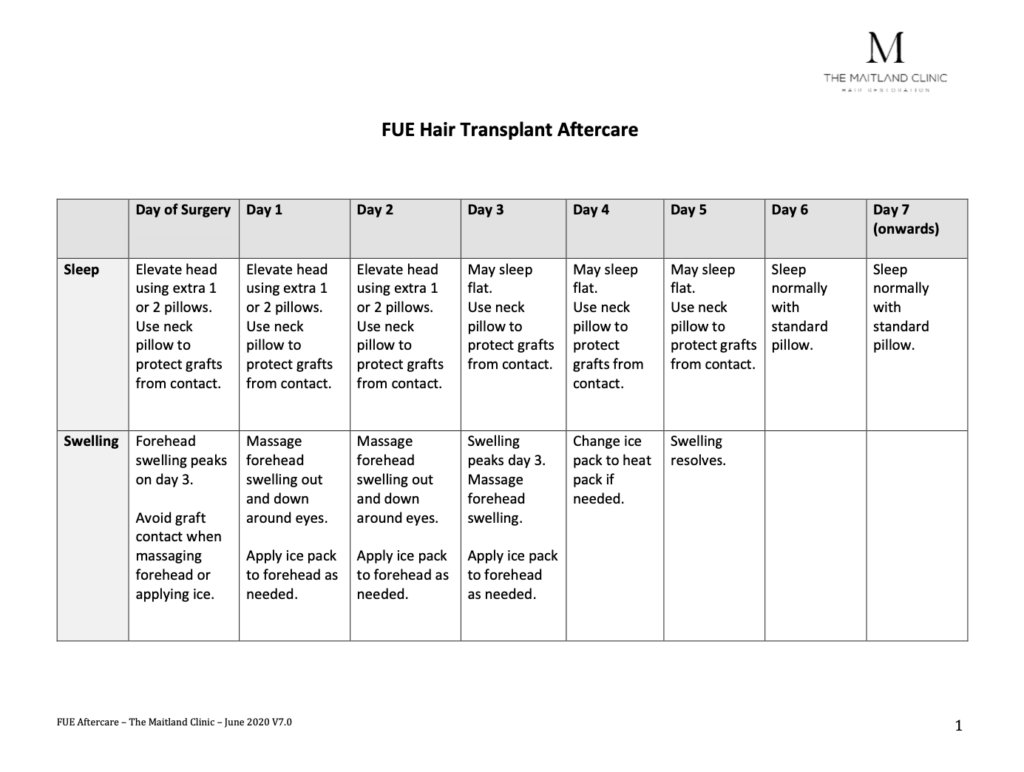
During the hair transplant procedure, nurses provide valuable assistance during both graft harvesting and implantation phases. They are responsible for preparing the grafts for implantation, ensuring proper storage and handling. Nurses should collaborate closely with the surgical team, anticipating their needs and assisting in the efficient transfer and placement of grafts. By providing effective assistance during graft harvesting and implantation, nurses contribute to the overall success of the procedure.
Ensuring Accurate Documentation
Accurate documentation is essential throughout the hair transplant procedure. Nurses should diligently record relevant patient information, including preoperative assessments, medications, surgical details, and postoperative progress. This documentation serves as a comprehensive and reliable record, facilitating continuity of care and supporting quality improvement initiatives. Nurses should ensure that their documentation adheres to institutional standards and legal requirements.
Handover and Transfer of Care
Handover and transfer of care between nursing teams are important components of the hair transplant procedure. Nurses should ensure that there is clear communication regarding the patient’s status, care plan, and any pertinent information for ongoing care. By providing accurate and concise handover, nurses facilitate the continuity and effectiveness of care, supporting optimal patient outcomes.
Infection Prevention and Control
Adhering to Aseptic Techniques
Adhering to aseptic techniques is crucial for preventing surgical site infections during a hair transplant procedure. Nurses must strictly follow infection control guidelines, including proper hand hygiene, wearing sterile gloves and gowns, and maintaining a sterile environment. By consistently adhering to aseptic techniques, nurses significantly reduce the risk of introducing contaminants and promote patient safety.
Proper Hand Hygiene
Proper hand hygiene is a critical infection prevention measure in hair transplant procedures. Nurses must perform hand hygiene according to established protocols, using appropriate techniques and products. Thorough handwashing or the use of alcohol-based hand sanitizers is essential before and after patient contact, before donning gloves, and after glove removal. By maintaining strict hand hygiene practices, nurses contribute to reducing the risk of infection transmission during the procedure.
Cleaning and Disinfection of Equipment
Nurses are responsible for ensuring the proper cleaning and disinfection of equipment used during the hair transplant procedure. This includes cleaning surgical instruments and accessories, as well as disinfecting surfaces and equipment in the operating room. Nurses should follow established protocols and use appropriate detergents, disinfectants, or sterilization techniques. By meticulously cleaning and disinfecting equipment, nurses minimize the risk of infection and maintain a safe care environment.
Appropriate Use of Personal Protective Equipment
Personal protective equipment (PPE) is essential for preventing infection transmission during a hair transplant procedure. Nurses should ensure the appropriate use of PPE, including wearing gloves, masks, and eye protection as necessary. Nurses should also educate patients and visitors on the importance of following PPE protocols to protect both themselves and others. By implementing appropriate use of PPE, nurses contribute to infection prevention and control efforts.
Managing Biohazard Waste
Proper management of biohazard waste is critical to maintain a safe and hygienic care environment during a hair transplant procedure. Nurses should ensure that biohazard waste, such as used gloves, dressings, or sharps, is disposed of according to established protocols. This includes using designated containers and following proper segregation and disposal procedures. By effectively managing biohazard waste, nurses minimize the risk of infection transmission and promote overall patient safety.
Preventing Surgical Site Infections
Preventing surgical site infections is a central goal of infection prevention in hair transplant procedures. Nurses should be vigilant in monitoring the surgical site for any signs of infection, such as redness, swelling, or drainage. Early identification and appropriate intervention, such as wound care and administration of prophylactic antibiotics as prescribed, are crucial in preventing or minimizing the severity of surgical site infections. Nurses should follow evidence-based guidelines to optimize infection prevention practices and enhance patient outcomes.
Evaluation of Infection Control Practices
Continuous evaluation of infection control practices is essential to identify areas for improvement and promote ongoing quality improvement in hair transplant procedures. Nurses should actively participate in quality improvement initiatives, staying updated on current infection prevention guidelines and evidence-based practices. By evaluating infection control practices, nurses contribute to the overall enhancement of patient care and minimize the risk of healthcare-associated infections.
Professional Development and Evidence-Based Practice
Staying Current with Advancements in Hair Transplant Procedures
Hair transplant procedures continue to advance, with new techniques and technologies emerging. Nurses should stay informed and continuously update their knowledge regarding these advancements. This includes attending conferences, workshops, or educational programs related to hair transplant procedures. By staying current with advancements, nurses enhance their professional competence and contribute to providing high-quality care.
Participating in Continuing Education Programs
Participating in continuing education programs is essential for ongoing professional development in the field of hair transplant procedures. Nurses should seek opportunities to enhance their knowledge and skills through formal education, online courses, or professional conferences. Continuing education helps nurses stay abreast of current research, guidelines, and best practices, enabling them to provide the most up-to-date and evidence-based care to patients.
Engaging in Peer-Reviewed Research
Engaging in peer-reviewed research allows nurses to contribute to the evidence base of hair transplant procedures. Nurses should consider participating in research studies or collaborating with researchers to explore new approaches, techniques, or outcomes in the field. By actively engaging in research, nurses contribute to advancing knowledge and improving patient care in hair transplant procedures.
Applying Evidence-Based Practice in Nursing Care
Applying evidence-based practice is crucial for providing optimal nursing care in hair transplant procedures. Nurses should critically appraise the available evidence, integrating it with their clinical expertise and patient preferences to guide their practice. By basing care decisions on the best available evidence, nurses promote patient safety and achieve the best outcomes for patients undergoing hair transplant procedures.
Sharing Knowledge with Colleagues
Nurses should actively participate in knowledge sharing initiatives to promote collaborative learning and professional growth. This may involve presenting case studies, sharing best practices, or facilitating discussions with colleagues. By sharing knowledge, nurses contribute to the professional development of their peers and foster a culture of continuous learning in the field of hair transplants.
Contributing to Nursing Research in Hair Transplants
Nurses should consider contributing to nursing research specific to hair transplant procedures. This may involve conducting original research studies, participating in research collaborations, or supporting data collection and analysis. By actively contributing to nursing research, nurses advance the field, improve patient outcomes, and inspire evidence-based innovations in hair transplant procedures.