
In this article, we will explore nursing considerations and management strategies for individuals experiencing incontinence due to an overactive bladder. We will discuss the importance of promoting patient comfort and dignity, as well as the various interventions available to help manage this condition effectively. By understanding the impact of incontinence on a person’s daily life and implementing appropriate nursing care, we can greatly improve their quality of life and overall well-being. So, let’s dive in and discover the essential nursing considerations for managing incontinence-overactive bladder.

Assessment
In order to effectively manage and treat incontinence-overactive bladder, a thorough assessment of the patient is essential. This includes reviewing the patient’s medical history, as well as conducting a physical examination. By gathering this information, healthcare professionals can gain valuable insights into the patient’s condition and tailor their interventions accordingly.
Patient History
When assessing a patient with incontinence-overactive bladder, it is important to gather information about their medical history. This may include previous diagnoses, past surgeries, current medications, and any known allergies. Additionally, it is important to assess the patient’s lifestyle and daily activities, as this can provide clues about potential contributing factors to their condition. Conducting a detailed interview with the patient can help reveal any patterns or triggers that may be exacerbating their symptoms.
Physical Examination
A thorough physical examination is crucial in assessing a patient with incontinence-overactive bladder. This examination may include checking the patient’s abdomen for any signs of distention or tenderness, as well as assessing the pelvic floor muscles for strength and coordination. Additionally, an examination of the genital area may be performed to check for any signs of infection or other abnormalities. By conducting a comprehensive physical examination, healthcare professionals can identify any physical factors that may be contributing to the patient’s symptoms.
Urinalysis and Culture
Urinalysis and culture are important diagnostic tests that can provide valuable information about a patient’s urinary health. Urinalysis involves analyzing a urine sample for the presence of blood, infection, or other abnormal substances. A urine culture, on the other hand, involves growing bacteria from a urine sample in a laboratory setting to identify any potential urinary tract infections. These tests can help healthcare professionals determine the underlying cause of a patient’s incontinence-overactive bladder symptoms and guide their treatment plan accordingly.
Bladder Diary
A bladder diary is a useful tool in assessing a patient’s urinary patterns and identifying potential triggers for their incontinence. In this diary, the patient records the volume and timing of each void, as well as any episodes of incontinence. They may also note their fluid intake, any medications they are taking, and any activities or events that may have affected their urinary patterns. By reviewing the bladder diary, healthcare professionals can gain insights into the patient’s urinary habits and identify any patterns that may be contributing to their symptoms.
Diagnostic Testing
In addition to the initial assessment, diagnostic testing may be necessary to further evaluate a patient with incontinence-overactive bladder. This can help healthcare professionals gain a more in-depth understanding of the underlying causes of the patient’s symptoms and guide their treatment plan.
Urodynamic Testing
Urodynamic testing is a series of procedures that evaluate the function of the urinary system. These tests can provide information about bladder capacity, the flow of urine, and the coordination between the bladder and the urethra. One common urodynamic test is cystometry, which measures the pressure inside the bladder as it is filled with urine. Another test, called uroflowmetry, measures the rate at which urine flows during voiding. By performing urodynamic testing, healthcare professionals can gather valuable information about the mechanics of the patient’s urinary system and determine the most appropriate treatment options.
Cystoscopy
Cystoscopy is a procedure that allows healthcare professionals to visually examine the inside of the bladder using a thin, flexible tube with a camera attached to it. This procedure can help identify any structural abnormalities or other issues that may be affecting the bladder’s function. During a cystoscopy, healthcare professionals may also collect tissue samples or perform other interventions, such as removing bladder stones or treating bladder tumors. Cystoscopy can provide important information about the state of the patient’s bladder and guide their treatment plan.

Urinary Catheterization
Urinary catheterization may be necessary in certain cases of incontinence-overactive bladder. This procedure involves inserting a catheter into the bladder to drain urine. There are different types of catheterization techniques available, depending on the patient’s needs and preferences.
Intermittent Catheterization
Intermittent catheterization involves inserting a catheter into the bladder at regular intervals to empty it completely. This technique is often used in patients who have difficulty emptying their bladder or have urinary retention. Intermittent catheterization allows for more control over voiding and can help reduce the risk of urinary tract infections.
Indwelling Catheter
An indwelling catheter, also known as a Foley catheter, is a type of catheter that remains in place for an extended period of time. It is inserted into the bladder and held in place by a small balloon that is filled with sterile water. Indwelling catheters are commonly used in patients who are unable to empty their bladder on their own or who require continuous urinary drainage. However, they carry a higher risk of infection and should only be used when necessary.
Suprapubic Catheter
A suprapubic catheter is a type of catheter that is inserted directly into the bladder through a small incision in the lower abdomen. This technique is typically used when other types of catheterization are not possible or when long-term catheterization is required. Suprapubic catheters bypass the urethra, reducing the risk of urinary tract infections and providing a more comfortable option for patients.
Behavioral Interventions
Behavioral interventions play a crucial role in the management and treatment of incontinence-overactive bladder. These interventions focus on modifying behaviors and habits that may be contributing to the patient’s symptoms and can be effective in reducing or eliminating incontinence episodes.
Bladder Training
Bladder training involves gradually increasing the time between voids to help increase bladder capacity and improve control over urination. Patients are encouraged to resist the urge to urinate when it first arises and gradually extend the time between each visit to the bathroom. Over time, bladder training can help decrease the frequency of incontinence episodes and allow patients to regain control over their bladder.
Scheduled Voiding
Scheduled voiding involves establishing a regular schedule for voiding, regardless of the presence of an urge to urinate. This technique can help retrain the bladder and create a more predictable pattern of urination. By sticking to a consistent voiding schedule, patients can reduce the frequency of incontinence episodes and regain control over their bladder.
Pelvic Floor Muscle Exercises
Pelvic floor muscle exercises, also known as Kegel exercises, involve contracting and relaxing the muscles of the pelvic floor. These exercises can help strengthen the muscles that support the bladder and improve control over urination. Patients are typically instructed to perform a series of repetitions several times a day to gradually strengthen the pelvic floor muscles. Pelvic floor muscle exercises can be an effective non-pharmacological intervention for incontinence-overactive bladder.
Biofeedback
Biofeedback is a technique that uses electronic devices to provide patients with real-time feedback about their body’s physiological responses. In the context of incontinence-overactive bladder, biofeedback can be used to help patients identify and strengthen their pelvic floor muscles. During a biofeedback session, patients may be connected to sensors that monitor muscle activity in the pelvic floor. By receiving immediate feedback about their muscle contractions, patients can learn to better control these muscles and improve their bladder function.
Pharmacologic Management
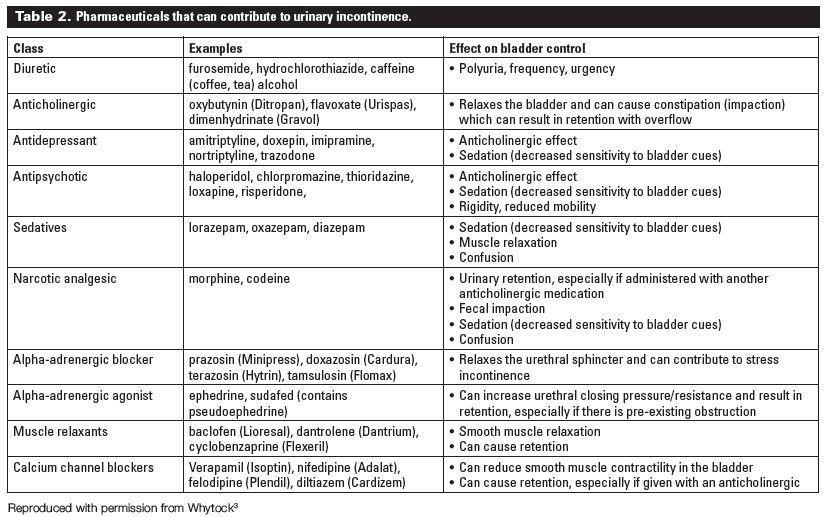
In addition to behavioral interventions, pharmacologic management may be necessary to effectively manage incontinence-overactive bladder. There are several medications available that can help alleviate symptoms and improve bladder control.
Anticholinergic Medications
Anticholinergic medications are commonly used to treat overactive bladder symptoms. These medications work by blocking the action of acetylcholine, a neurotransmitter that stimulates bladder contractions. By reducing bladder contractions, anticholinergic medications can help decrease urgency and frequency of urination. However, they can also cause side effects such as dry mouth, constipation, and blurred vision. Healthcare professionals should closely monitor patients who are on anticholinergic medications and adjust the dosage as needed.
Beta-3 Adrenergic Receptor Agonists
Beta-3 adrenergic receptor agonists are a newer class of medications that can help relax the bladder muscle and increase bladder capacity. These medications work by stimulating beta-3 adrenergic receptors, which are found in the bladder. By activating these receptors, beta-3 adrenergic receptor agonists can help reduce urgency and frequency of urination. Common side effects of these medications include increased blood pressure and headache. Healthcare professionals should carefully assess patients for any contraindications or potential drug interactions before prescribing beta-3 adrenergic receptor agonists.
Surgical Interventions
In some cases, surgical interventions may be necessary to effectively manage incontinence-overactive bladder. These interventions are typically considered when more conservative treatments have been unsuccessful or when the underlying cause of the condition requires surgical correction.
Sacral Nerve Stimulation
Sacral nerve stimulation is a surgical procedure that involves implanting a small device near the sacral nerves, which are located in the lower back. This device provides electrical stimulation to the nerves, helping to regulate bladder function. By stimulating the sacral nerves, this procedure can help reduce urgency and frequency of urination and improve bladder control. Sacral nerve stimulation is usually considered when other treatments have failed and can provide long-term relief for patients with incontinence-overactive bladder.
Bladder Augmentation
Bladder augmentation, also known as bladder enlargement, is a surgical procedure that involves enlarging the patient’s bladder by using tissue from another part of their body or a synthetic material. This procedure is typically reserved for patients with severely compromised bladder capacity or who have not responded well to other treatments. Bladder augmentation can increase the volume of the bladder, reducing the frequency of urination and improving bladder control. However, it is a complex procedure that carries risks and should only be considered after careful evaluation and discussion with the patient.
Urinary Diversion
Urinary diversion is a surgical procedure that involves redirecting urine from the bladder to a different exit point on the body. This procedure is typically considered when the bladder is severely damaged or needs to be removed. There are different types of urinary diversions, including ileal conduit diversion and continent urinary reservoir. These procedures can improve bladder control and quality of life for patients who are not candidates for other treatments. However, they require ongoing care and management to ensure proper function and prevent complications.
Non-pharmacological Therapies
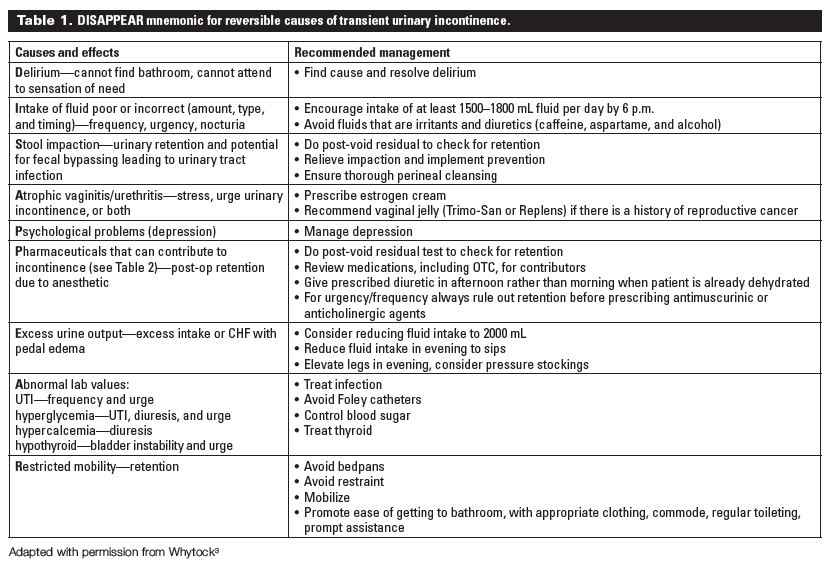
In addition to behavioral interventions and pharmacologic management, there are several non-pharmacological therapies that can be effective in managing incontinence-overactive bladder. These therapies focus on alternative treatment modalities and may be used alone or in combination with other interventions.
Botox Injections
Botox, or botulinum toxin, is a medication that can be injected into the bladder muscle to help relax it and reduce bladder contractions. By temporarily paralyzing the bladder muscle, Botox injections can decrease urgency and frequency of urination and improve bladder control. The effects of Botox injections typically last for several months, after which the treatment may need to be repeated. However, Botox injections carry the risk of urinary retention and urinary tract infections, and should only be administered by trained healthcare professionals.
Peripheral Tibial Nerve Stimulation
Peripheral tibial nerve stimulation involves delivering electrical impulses to the tibial nerve in the lower leg. These impulses travel along the nerve to the sacral nerves, helping to regulate bladder function. This therapy is typically performed by inserting a small needle near the ankle and attaching it to a stimulator device. By stimulating the tibial nerve, this therapy can help reduce urgency and frequency of urination and improve bladder control. Peripheral tibial nerve stimulation is usually performed in a series of sessions over several weeks, and its effectiveness may vary from patient to patient.
Intravesical Instillations
Intravesical instillations involve the direct administration of medications into the bladder through a catheter. These medications can help reduce inflammation, soothe the bladder lining, and improve bladder function. Common medications used in intravesical instillations include lidocaine, heparin, and dimethyl sulfoxide (DMSO). By delivering medications directly to the bladder, intravesical instillations can provide targeted relief for patients with incontinence-overactive bladder. However, this therapy may require multiple sessions and careful monitoring for any adverse effects.
Skin Care
Proper skin care is essential for patients with incontinence-overactive bladder, as frequent exposure to urine can lead to skin irritation and breakdown. To prevent these complications, it is important to implement a comprehensive skin care routine.
Regular Cleansing
Regular cleansing of the skin in the genital area is important to remove any urine or fecal matter that may be present. Patients should use mild, pH-balanced cleansers and avoid harsh soaps or scrubbing forcefully. It is important to gently pat the skin dry after cleansing to prevent further irritation.
Moisturizing
Moisturizing the skin in the genital area can help prevent dryness and skin breakdown. Patients should use gentle, fragrance-free moisturizers and apply them to the skin after cleansing. Moisturizers with ingredients such as aloe vera or lanolin can provide additional soothing properties.
Barrier Creams
Barrier creams can create a protective layer on the skin, helping to prevent moisture and irritants from coming into contact with the skin. These creams can be applied to the skin in the genital area before and after episodes of incontinence. Patients should look for barrier creams that are fragrance-free and hypoallergenic to minimize the risk of skin sensitivities.

Patient Education
Educating patients about the causes and management of incontinence-overactive bladder is essential for their understanding and engagement in their own care. By providing comprehensive patient education, healthcare professionals can empower patients to actively participate in their treatment and make informed decisions about their health.
Causes and Management of Incontinence-Overactive Bladder
Patients should be educated about the various factors that can contribute to the development of incontinence-overactive bladder. These may include age-related changes in bladder function, urinary tract infections, certain medications, and neurological conditions. By understanding the underlying causes of their symptoms, patients can better understand the rationale behind their treatment plan. Patients should also be educated about the various management strategies available, including behavioral interventions, pharmacologic management, and surgical interventions. This will help them make informed decisions about their treatment options and actively participate in their care.
Behavioral Modification Techniques
Patients should be educated about the importance of behavioral interventions in managing incontinence-overactive bladder. They should be provided with information on bladder training, scheduled voiding, pelvic floor muscle exercises, and biofeedback. Healthcare professionals should provide clear instructions on how to perform these techniques and offer ongoing support and encouragement as patients incorporate them into their daily routine. By engaging in these behavioral modification techniques, patients can take an active role in improving their bladder control and reducing their symptoms.
Medication Administration and Side Effects
If pharmacologic management is necessary, patients should be educated about the medications prescribed to them. Healthcare professionals should provide information on the purpose of each medication, how to take it, and any potential side effects. Patients should be encouraged to ask questions and voice any concerns they may have about their medications. By understanding the potential benefits and risks of their prescribed medications, patients can make informed decisions about their treatment.
Collaborative Care
Collaborative care is essential in the management of incontinence-overactive bladder, as it often requires input from various healthcare professionals and disciplines. By working together as a multidisciplinary team, healthcare professionals can provide comprehensive care and support for patients.
Referral to a Urologist
In cases where conservative treatments have been unsuccessful or when surgical interventions are being considered, a referral to a urologist may be necessary. Urologists are medical specialists who focus on the diagnosis and treatment of urinary system disorders. They have specialized knowledge and expertise in managing conditions such as incontinence-overactive bladder and can provide more targeted interventions and surgical options. By involving a urologist in the patient’s care, healthcare professionals can ensure that the patient receives specialized care tailored to their individual needs.
Multidisciplinary Team Involvement
The management of incontinence-overactive bladder often requires input from various healthcare professionals, including nurses, urologists, physiotherapists, and occupational therapists, among others. By involving a multidisciplinary team in the patient’s care, healthcare professionals can draw on their diverse expertise to develop a comprehensive treatment plan. Team members can collaborate to address different aspects of the patient’s needs, including behavioral interventions, pharmacologic management, surgical interventions, and overall support. This collaborative approach ensures that the patient receives holistic care and maximizes their chances of successful treatment outcomes.
Rehabilitation Services
Rehabilitation services can play an important role in the management of incontinence-overactive bladder, particularly after surgical interventions. These services may include physiotherapy, occupational therapy, and specialized nursing care. Rehabilitation professionals can provide guidance and support for patients as they recover from surgical procedures and help them regain optimal bladder control and overall function. By incorporating rehabilitation services into the patient’s care plan, healthcare professionals can facilitate the patient’s recovery and improve their long-term outcomes.