
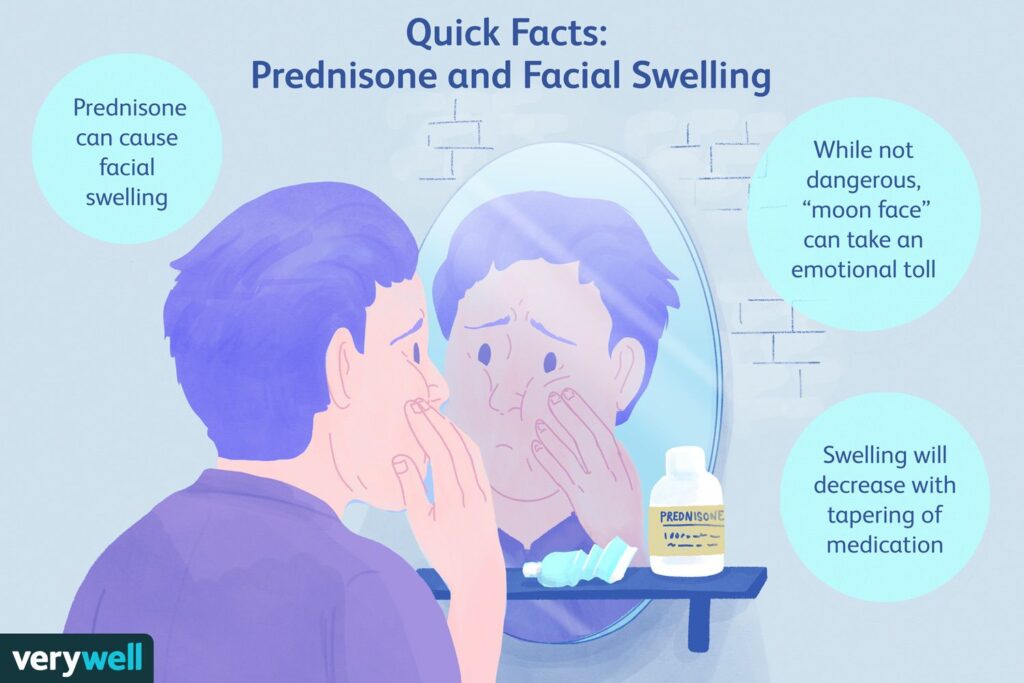
Have you ever encountered patients with the condition known as Moon Facies? Moon Facies, also known as rounded face or cushingoid facies, is a condition characterized by a rounded appearance of the face due to excessive weight gain and redistribution of fat. In this article, we will explore the nursing considerations and management strategies for patients with Moon Facies, providing valuable insights into how healthcare professionals can provide the best care and support for individuals dealing with this condition.
Assessment
History
When assessing a patient with moon facies, it is crucial to obtain their detailed medical history. Factors such as the duration and progression of the facial swelling, any recent changes in weight, and the presence of any underlying medical conditions should be explored. Additionally, a thorough medication history is necessary, including any current or previous use of corticosteroids. Understanding the patient’s medical and medication history will provide valuable information for determining the potential causes of moon facies and guiding further assessment and management.
Physical examination
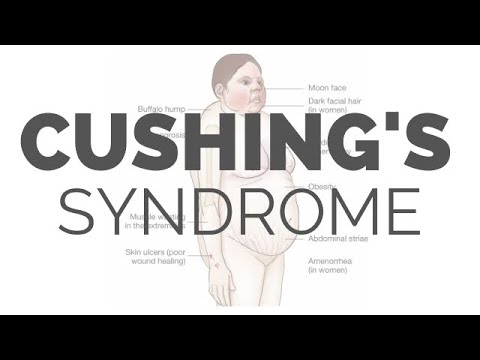
A comprehensive physical examination is an essential component of the assessment for moon facies. The nurse should pay particular attention to the patient’s facial appearance. Moon facies is characterized by facial swelling, especially affecting the cheeks, resulting in a round and full face. Furthermore, the patient’s weight should be assessed, as a sudden or significant weight gain can be associated with moon facies. The nurse should also assess for signs of endocrine dysfunction, such as hirsutism or striae, which may suggest Cushing’s syndrome. In addition to the facial changes, the nurse should evaluate the patient for any other signs or symptoms that may indicate the presence of underlying complications related to moon facies.
Pathophysiology
Endocrine dysfunction
Endocrine dysfunction can contribute to the development of moon facies. Specifically, conditions such as Cushing’s syndrome, which is characterized by hypercortisolism, can lead to facial swelling and the classic appearance of moon facies. In Cushing’s syndrome, the excessive production of cortisol by the adrenal glands alters the body’s response to stress and causes various metabolic abnormalities, including the redistribution of fat deposition, resulting in the characteristic round and full face.
Corticosteroid use
Another significant factor contributing to the development of moon facies is the use of corticosteroid medications. These medications, often prescribed to manage inflammatory conditions and immune-mediated diseases, may cause adverse effects such as fluid retention and altered fat distribution. Prolonged or high-dose corticosteroid therapy can lead to moon facies, as these medications mimic the effects of endogenous cortisol and disrupt the body’s natural hormonal balance.

Causes
Cushing’s syndrome
One of the primary causes of moon facies is Cushing’s syndrome. This condition can result from excessive production of cortisol by the adrenal glands (adrenal Cushing’s syndrome), excessive production of adrenocorticotropic hormone (ACTH) by the pituitary gland (pituitary Cushing’s syndrome), or excessive administration of exogenous corticosteroids (iatrogenic Cushing’s syndrome). Regardless of the cause, the increased levels of cortisol in the body lead to various manifestations, including the characteristic changes in facial appearance seen in moon facies.
Corticosteroid therapy
The use of corticosteroid medications, such as prednisone or dexamethasone, can also cause the development of moon facies. Patients who require long-term or high-dose corticosteroid therapy are at higher risk of experiencing this side effect. The mechanism behind corticosteroid-induced moon facies is similar to that seen in Cushing’s syndrome, with altered fat deposition and fluid retention contributing to the swelling and roundness of the face.
Adrenal tumors
In some cases, the presence of adrenal tumors can result in moon facies. Adrenal tumors, particularly those that secrete excessive cortisol (known as cortisol-secreting adrenal tumors or cortisolomas), can disrupt the body’s hormonal balance and lead to the development of Cushing’s syndrome. This, in turn, can cause facial swelling and the characteristic changes seen in moon facies.
Signs and Symptoms
Facial swelling
Facial swelling is the hallmark sign of moon facies. The face appears round and full, with noticeable puffiness in the cheeks. The swelling is most prominent in the middle of the face, giving the appearance of a full moon and earning the condition its name.
Fullness of cheeks
In addition to the overall facial swelling, patients with moon facies often exhibit increased fullness of the cheeks. The cheeks may appear chubby or puffy, with a loss of definition and contour.
Round face
One of the most distinct signs of moon facies is the development of a round face. This is characterized by a lack of angularity and sharpness in the facial contours, resulting in a more uniform and circular appearance. The roundness is particularly noticeable in the cheeks and lower face.

Complications
Delayed wound healing
Patients with moon facies may experience delayed wound healing due to various metabolic and hormonal imbalances. The increased levels of cortisol associated with moon facies can impair the body’s natural healing processes, making it more challenging for wounds to close and heal. Nurses should monitor any wounds closely and provide appropriate interventions to promote optimal healing.
Increased infection risk
The altered immune response seen in patients with moon facies puts them at a higher risk of infections. Cortisol is known to suppress immune function, leaving the body more vulnerable to bacterial, viral, and fungal infections. It is essential for nurses to educate patients about proper hygiene practices and encourage them to seek medical attention promptly if they develop any signs or symptoms of infection.
Obesity
Moon facies may contribute to or be associated with weight gain and obesity. The redistribution of fat and fluid retention seen in moon facies can lead to an overall increase in body weight. Obesity is a well-known risk factor for various health complications, including cardiovascular disease, diabetes, and musculoskeletal disorders. Nurses should address the issue of weight gain sensitively and provide guidance on healthy lifestyle practices to mitigate the risk of obesity-related complications.
Diagnostic Tests
24-hour urinary free cortisol test
The 24-hour urinary free cortisol test is a key diagnostic test for evaluating cortisol levels in patients with suspected moon facies. This test involves collecting urine samples over a 24-hour period to measure the amount of cortisol excreted. Elevated cortisol levels in the urine can indicate the presence of conditions such as Cushing’s syndrome, which can lead to moon facies.
Dexamethasone suppression test
The dexamethasone suppression test is another diagnostic test used to evaluate cortisol levels in patients with moon facies. This test involves administering a synthetic glucocorticoid medication called dexamethasone and measuring cortisol levels before and after administration. The test aims to assess the body’s ability to suppress cortisol production in response to synthetic glucocorticoids. Abnormal results may suggest the presence of a cortisol-secreting tumor or other causes of moon facies.
Adrenal imaging
Imaging studies, such as computed tomography (CT) or magnetic resonance imaging (MRI), may be performed to visualize the adrenal glands and assess for the presence of tumors. Adrenal imaging can help identify potential causes of moon facies, such as cortisol-secreting tumors or other structural abnormalities.
Medical Management
Treat underlying cause
The primary goal of medical management for moon facies is to address the underlying cause. If the cause is Cushing’s syndrome, treatment may involve surgical removal of adrenal or pituitary tumors, or the administration of medications to suppress cortisol production. In cases where corticosteroid therapy is responsible for moon facies, the healthcare provider may consider alternative treatment options or adjust the dosage to minimize side effects.
Reduce or taper corticosteroid use
For patients using corticosteroids, especially at high doses or for prolonged periods, an appropriate strategy is to gradually reduce or taper the medication to minimize the risk of moon facies and other adverse effects. Reducing corticosteroid use must be done under the supervision and guidance of a healthcare provider to ensure that underlying conditions are still adequately managed.
Surgical intervention
In some cases, surgical intervention may be necessary to remove adrenal tumors or other structural abnormalities that are contributing to moon facies. Surgical management should be performed by a specialist and is typically considered when conservative measures fail or when the underlying cause of moon facies requires invasive intervention.
Nursing Interventions
Monitor vital signs
As part of nursing interventions for moon facies, regular monitoring of vital signs is crucial. The nurse should monitor blood pressure, heart rate, and respiratory rate, as well as closely assess for any signs of hypervolemia or fluid overload. Changes in vital signs may indicate complications such as hypertension or fluid retention, which require prompt intervention.
Assess fluid balance
Monitoring the patient’s fluid balance is essential to identify any abnormalities or imbalances that may contribute to the development or worsening of moon facies. The nurse should assess for signs of edema, such as peripheral swelling, as well as changes in weight and urine output. Regular assessment of fluid balance will guide appropriate interventions, such as fluid restriction or diuretic therapy, as indicated.
Manage medications
Nurses play a vital role in managing the medications of patients with moon facies. This includes ensuring accurate and timely administration of prescribed medications and monitoring for potential adverse effects. For patients on corticosteroid therapy, the nurse should provide education on proper medication use and side effect management. Additionally, the nurse should monitor for any medication interactions that may affect the patient’s treatment plan.

Patient Education
Importance of adherence to treatment plan
Patient education is crucial to promote adherence to the treatment plan and optimize outcomes for moon facies. The nurse should explain the underlying cause of moon facies and the importance of following the prescribed treatment regimen. Emphasizing the need for regular follow-up appointments with healthcare providers and adherence to medication schedules can help patients take an active role in their care.
Healthy lifestyle practices
Educating patients about healthy lifestyle practices is an essential component of managing moon facies. This includes providing guidance on maintaining a balanced diet, engaging in regular exercise, and managing stress. Encouraging patients to make lifestyle modifications can support overall health and wellbeing.
Self-monitoring
Empowering patients to monitor their symptoms and recognize potential complications is crucial. Nurses should educate patients about self-monitoring techniques, such as checking blood pressure and weight regularly, and provide clear instructions on when to seek medical attention if any concerning signs or symptoms arise. This can help patients take a proactive approach in managing their condition and prevent complications.
Psychosocial Support
Address body image concerns
Moon facies can significantly impact a patient’s body image and self-esteem. Nurses should address these concerns sensitively, providing support and reassurance. Encouraging open communication about body image and providing resources for counseling or support groups can help patients cope with these emotional challenges.
Assist with coping strategies
Patients with moon facies may experience emotional distress due to the physical changes and the underlying conditions contributing to their appearance. Nurses should assist patients in developing effective coping strategies to manage stress and emotional challenges. This may involve implementing relaxation techniques, encouraging engagement in enjoyable activities, or referring patients to mental health professionals for additional support.
Referral to support groups
Referring patients to support groups or online communities can offer valuable emotional support and a sense of belonging for individuals with moon facies. Connecting patients with others who are experiencing similar challenges can provide a safe space for sharing experiences, exchanging advice, and receiving emotional support. Nurses should provide patients with information about relevant support groups and resources available to them.