
Hey there! If you’re looking for some valuable insights on managing meningitis, you’ve come to the right place. In this article, we’ll delve into the world of nursing considerations and management strategies for this serious illness. So, whether you’re a healthcare professional, a patient, or simply interested in learning more, get ready to explore the key factors that can make a real difference in meningitis management. Trust us, you won’t want to miss this!

Assessment and Diagnosis
Clinical Assessment
During the assessment of a patient suspected of having meningitis, the nurse should gather a comprehensive medical history, including the onset and progression of symptoms, recent illnesses or infections, and any potential risk factors. The nurse should also perform a thorough physical examination, paying particular attention to signs of meningeal irritation such as neck stiffness, altered mental status, and the presence of a rash.
Diagnostic Tests
To confirm the diagnosis of meningitis, several diagnostic tests may be performed. One of the most common tests is a lumbar puncture, which involves inserting a needle into the subarachnoid space to collect cerebrospinal fluid (CSF) for analysis. This test can help determine the presence of bacteria, viruses, or other pathogens in the CSF.
Additionally, laboratory tests such as blood cultures, complete blood count (CBC), and C-reactive protein (CRP) may be conducted to identify the causative agent of the infection and evaluate the patient’s inflammatory response.
Infection Control
Isolation Precautions
In order to prevent the spread of meningitis, proper isolation precautions must be implemented. Depending on the causative organism, droplet precautions or airborne precautions may be necessary. Isolation precautions include wearing personal protective equipment (PPE), such as gloves and masks, and ensuring that the patient is placed in a private room whenever possible.
Hand Hygiene
Hand hygiene is crucial in the prevention of healthcare-associated infections, including meningitis. Nurses should wash their hands thoroughly and frequently using soap and water, especially before and after contact with the patient or any potentially contaminated surfaces.
Personal Protective Equipment (PPE)
Wearing appropriate personal protective equipment (PPE) is vital to protect both the nurse and the patient from the spread of infection. This may include gloves, masks, gowns, and eye protection. Nurses should ensure that PPE is used correctly, and that it is disposed of properly after each use.
Visitor Restrictions
In order to prevent the spread of meningitis within the healthcare facility, visitor restrictions may be implemented. Restricting the number of visitors and implementing screening measures can help reduce the risk of transmission. It is important for nurses to communicate these restrictions effectively to visitors and provide them with alternative ways to support the patient, such as through virtual visits or phone calls.

Vital Signs Monitoring
Temperature
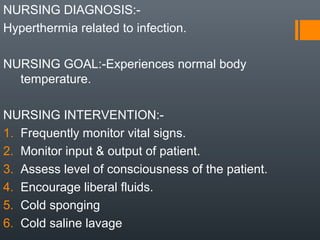
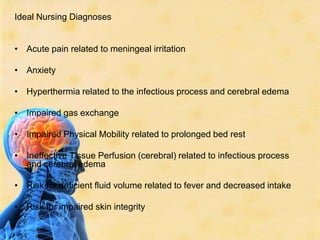
Monitoring the patient’s temperature is essential in assessing the progress of the infection and monitoring for complications. Elevated temperatures may indicate the presence of an ongoing infection, while a sudden drop in temperature may signal worsening sepsis or a potential neurological crisis. The nurse should regularly measure the patient’s temperature and report any significant changes to the healthcare team.
Heart Rate
An increased heart rate can be indicative of an elevated body temperature, dehydration, or sepsis. Conversely, a decreased heart rate may indicate increased intracranial pressure or other neurological dysfunction. By monitoring the patient’s heart rate, the nurse can identify any abnormal cardiac rhythms or changes that may require further investigation or intervention.
Respiratory Rate
Changes in respiratory rate can provide valuable insight into the patient’s clinical condition. Elevated respiratory rates may suggest respiratory distress or the presence of hypoxia, which can be an indication of worsening infection. On the other hand, a decreased respiratory rate may signify neurological compromise or impending respiratory failure. Regular monitoring of respiratory rate is vital in ensuring prompt identification and treatment of any respiratory complications.
Blood Pressure
Monitoring the patient’s blood pressure is crucial to evaluate cardiovascular function and assess the adequacy of tissue perfusion. Hypotension may indicate septic shock, while hypertension can be a result of increased intracranial pressure. The nurse should closely monitor the patient’s blood pressure and promptly report any significant changes to the healthcare team for appropriate intervention.
Fluid and Electrolyte Balance
Intravenous Fluids
Intravenous (IV) fluids play a vital role in maintaining fluid and electrolyte balance in patients with meningitis. Depending on the patient’s clinical condition and fluid status, different types of IV fluids may be administered, such as isotonic solutions or solutions with added electrolytes. Nurses should closely monitor fluid intake and output, assess for signs of fluid overload or dehydration, and document these findings accordingly.
Maintenance Fluids
Maintenance fluids are essential to meet the patient’s basic hydration needs. The nurse should calculate the appropriate rate of maintenance fluids based on the patient’s age, weight, and clinical condition. It is important to closely monitor the patient’s fluid balance to ensure that they are receiving adequate hydration without developing fluid overload.
Electrolyte Monitoring
Regular monitoring of electrolyte levels is crucial in patients with meningitis, as imbalances can lead to various complications. Serum electrolyte levels, such as sodium, potassium, and magnesium, should be assessed and closely monitored. The nurse should report any significant abnormalities to the healthcare team for appropriate management.
Fluid Restriction
In some cases, fluid restriction may be necessary to manage specific complications, such as cerebral edema or intracranial hypertension. The nurse should closely monitor the patient’s fluid intake and output and strictly adhere to the prescribed fluid restriction orders. It is important to educate both the patient and their family about the importance of adhering to the fluid restriction regimen.
Neurological Assessment
Glasgow Coma Scale (GCS)
The Glasgow Coma Scale (GCS) is a widely used tool to assess the level of consciousness and neurological function. It evaluates three domains – eye-opening, verbal response, and motor response – and assigns a score ranging from 3 (indicating severe neurological impairment) to 15 (indicating normal neurological function). The nurse should regularly perform GCS assessments to monitor any changes in the patient’s neurological status.
Pupillary Response
Assessing the patient’s pupillary response is a crucial component of the neurological assessment. The nurse should observe the size, equality, and reactivity of the pupils to light. Changes in pupillary size or reactivity may indicate increased intracranial pressure or neurological deterioration and should be promptly reported.
Motor Function
Evaluating motor function is important to assess the patient’s neurological status. The nurse should assess muscle strength, tone, and coordination, as well as the presence of any abnormal movements or posturing. Any changes in motor function should be documented and reported to the healthcare team for further assessment and intervention.
Mental Status
Evaluating the patient’s mental status is vital in assessing cognitive function and detecting any changes in neurological status. The nurse should assess the patient’s orientation, memory, attention span, and ability to follow commands. Changes in mental status, such as confusion or disorientation, may indicate worsening infection or complications and should be reported promptly.
Pain Management
Assessment of Pain
Assessing and effectively managing pain is an essential aspect of nursing care for patients with meningitis. The nurse should use appropriate pain assessment tools to evaluate the intensity and characteristics of the patient’s pain. This may include the use of verbal pain scales, numeric pain scales, or facial expression scales. Regular pain assessments should be conducted to ensure adequate pain relief.
Pharmacological Interventions
Pharmacological interventions are frequently used to manage pain in patients with meningitis. Analgesic medications, such as nonsteroidal anti-inflammatory drugs (NSAIDs) or opioids, may be prescribed to provide pain relief. The nurse should closely monitor the patient’s response to analgesics and assess for any potential side effects or adverse reactions.
Non-pharmacological Interventions
In addition to pharmacological interventions, non-pharmacological techniques can also be employed to manage pain in patients with meningitis. These may include the use of relaxation techniques, distraction techniques, application of heat or cold packs, or the provision of a calm and supportive environment. The nurse should assess the patient’s individual preferences and comfort measures and implement appropriate non-pharmacological interventions accordingly.
Pain Scale Assessment
Regularly assessing the patient’s pain level using standardized pain scales is important to ensure optimal pain management. The nurse should document the patient’s pain scores before and after interventions and communicate this information to the healthcare team. This helps ensure appropriate adjustments to the pain management plan and evaluate the effectiveness of pain relief measures.

Antibiotic Therapy
Administration
Antibiotic therapy is a crucial component of the treatment for bacterial meningitis. The nurse plays a vital role in ensuring the appropriate administration of antibiotics. This includes administering antibiotics at the prescribed doses and intervals, monitoring the patient for any potential adverse reactions, and ensuring that the full course of antibiotics is completed. It is important to educate the patient and their family about the importance of medication adherence and provide any necessary instructions for home administration, if applicable.
Monitoring for Side Effects
Antibiotic therapy may be associated with certain side effects, such as allergic reactions, gastrointestinal disturbances, or drug interactions. The nurse should closely monitor the patient for any signs of adverse reactions and promptly report them to the healthcare team for appropriate management. This includes assessing for symptoms such as rash, fever, vomiting, diarrhea, and changes in medication efficacy or toxicity.
Cultures and Sensitivity Testing
Cultures and sensitivity testing are important in identifying the causative organism and determining appropriate antibiotic therapy. The nurse should collaborate with the healthcare team to ensure that all necessary specimens are collected, labeled correctly, and promptly sent to the laboratory for analysis. Timely communication of the results to the healthcare team is essential for appropriate adjustment of antibiotic therapy.
Duration of Treatment
The duration of antibiotic treatment for meningitis depends on the causative organism and the patient’s clinical response. The nurse should collaborate with the healthcare team to ensure that the prescribed duration of antibiotic therapy is completed. Any changes to the antibiotic regimen, such as dose adjustments or discontinuation, should be communicated and documented appropriately.
Seizure Management
Assessment of Seizure Activity
Patients with meningitis are at risk for seizures due to the inflammation and irritation of the brain tissue. The nurse should carefully assess the patient for any signs of seizure activity, such as abnormal movements, loss of consciousness, or altered mental status. Prompt recognition and documentation of seizure activity are essential for appropriate seizure management.
Administration of Antiepileptic Drugs (AEDs)
Antiepileptic drugs (AEDs) may be prescribed to manage and prevent seizures in patients with meningitis. The nurse should ensure that AEDs are administered at the prescribed doses and intervals to maintain therapeutic blood levels. Close monitoring of the patient’s response to AEDs and assessment for any potential side effects or adverse reactions are essential.
Monitoring for Adverse Effects
AEDs may have side effects, such as drowsiness, dizziness, or gastrointestinal disturbances. The nurse should closely monitor the patient for any signs of adverse effects and promptly report them to the healthcare team for appropriate management. It is important to educate the patient and their family about the potential side effects of AED therapy and provide instructions for managing them at home.
Seizure Precautions
To minimize the risk of injury during seizures, seizure precautions should be implemented. This may include padding the side rails and bed, ensuring a clear and safe environment, and providing close supervision. The nurse should educate the patient and their family about seizure precautions and encourage their active participation in promoting a safe environment.
Nutritional Support
Assessment of Nutritional Needs
Assessing the patient’s nutritional needs is important to ensure optimal recovery and prevent complications. The nurse should assess the patient’s dietary preferences, food allergies or intolerances, and any specific nutritional requirements. This information will help guide the development of an appropriate nutritional plan.
Enteral Feeding
In some cases, enteral feeding may be necessary to provide adequate nutrition to patients with meningitis who are unable to meet their nutritional needs orally. The nurse should collaborate with the healthcare team to determine the appropriate type of enteral feeding and the placement of a feeding tube, if necessary. Regular monitoring of enteral feedings, including tube site assessment and gastric residual volume measurement, is essential to prevent complications.
Monitoring Adequacy of Intake
Monitoring the patient’s intake and output is crucial for assessing the adequacy of nutrition and hydration. The nurse should measure and record the patient’s daily oral intake, enteral feedings if applicable, and intravenous fluids. Additionally, the nurse should assess for signs of malnutrition, such as weight loss or muscle wasting, and report any significant changes to the healthcare team.
Supplements and Vitamins
Depending on the patient’s nutritional needs and deficiencies, supplements and vitamins may be prescribed. The nurse should ensure that these are administered at the prescribed doses and intervals. Regular monitoring for any signs of adverse effects or interactions with other medications is essential.
Patient Education and Discharge Planning
Disease Process Understanding
Patient education is a crucial component of meningitis management. The nurse should provide appropriate information to the patient and their family regarding the nature of the disease, its causes, transmission, and prevention strategies. This includes educating them about the importance of completing the full course of antibiotics, recognizing signs and symptoms of complications, and seeking prompt medical attention when necessary.
Medication Compliance
Ensuring medication compliance is important to prevent relapse or complications. The nurse should educate the patient and their family about the prescribed medications, their intended effects, and potential side effects. Additionally, the nurse should provide instructions on how to properly store and administer medications, and emphasize the importance of adhering to the prescribed medication regimen.
Signs and Symptoms of Complications
The nurse should educate the patient and their family about the signs and symptoms of potential complications of meningitis. This may include neurologic symptoms such as severe headaches, worsening mental status, or seizures, as well as signs of infection such as high fever, chills, or worsening rash. Reinforcing the importance of seeking immediate medical attention if these symptoms arise is crucial to prevent delays in diagnosis and treatment.
Follow-up Appointments
Collaborating with the healthcare team, the nurse should ensure that the patient has appropriate follow-up appointments scheduled. These appointments may include visits with primary care providers, neurologists, or infectious disease specialists. Reinforcing the importance of attending follow-up appointments can help ensure continuity of care and early detection of any potential complications or relapses.
In conclusion, nursing considerations for meningitis management encompass a range of key areas such as assessment and diagnosis, infection control, vital signs monitoring, fluid and electrolyte balance, neurological assessment, pain management, antibiotic therapy, seizure management, nutritional support, as well as patient education and discharge planning. By addressing these aspects comprehensively, nurses play a vital role in ensuring the safety and well-being of patients with meningitis.