
Neutropenia can be a challenging condition for both patients and healthcare professionals. In this article, we will explore the important nursing considerations and management strategies that can help ensure the well-being and safety of patients with neutropenia. From identifying potential complications to implementing infection control measures, these nursing interventions are vital in providing the best care possible for individuals experiencing neutropenia. Let’s dive into the essential aspects of nursing care for this condition.
Assessment
Patient history
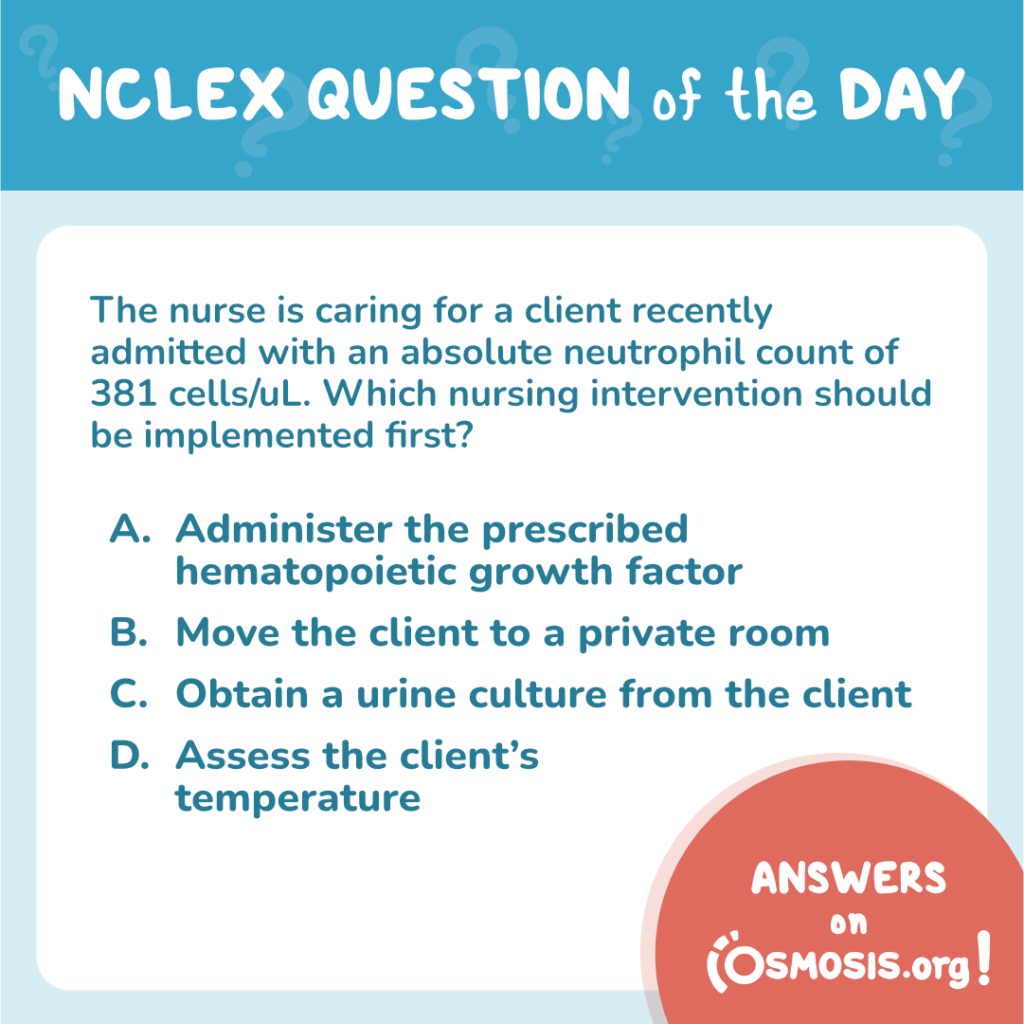
In assessing a patient with neutropenia, obtaining a thorough patient history is crucial. This includes information regarding the onset and duration of symptoms, any recent infections or illnesses, and any known underlying conditions or medication use that may affect the immune system. It is important to gather information about the patient’s exposure to potential sources of infection, such as travel, healthcare settings, or close contact with individuals who are ill. A detailed patient history will help the healthcare team to determine the potential cause of neutropenia and guide further evaluation and management.
Physical examination
A comprehensive physical examination is essential to detect any signs or symptoms of infection in a patient with neutropenia. The nurse should thoroughly assess vital signs, paying close attention to any changes that may indicate infection, such as fever, tachycardia, or hypotension. The nurse should examine the skin for any signs of infection or inflammation, including redness, warmth, or swelling. The oral cavity should be examined for any lesions or areas of erythema, as oral mucositis is a common complication of neutropenia. Additionally, the nurse should assess other body systems, including the respiratory, gastrointestinal, and genitourinary systems, for any signs of infection or abnormalities.
Laboratory tests
Laboratory testing is crucial in the assessment of neutropenia. A complete blood count (CBC) with differential is essential to determine the severity of neutropenia and to differentiate between different types of white blood cells. Additionally, blood cultures should be obtained to identify any potential bacterial or fungal infections. Other laboratory tests, such as a chest x-ray or urine culture, may be ordered based on the patient’s symptoms and clinical presentation. These tests help to identify any underlying infections or complications and guide appropriate management strategies. Regular monitoring of laboratory values is important to track any changes and ensure timely interventions.
Monitoring
Vital signs
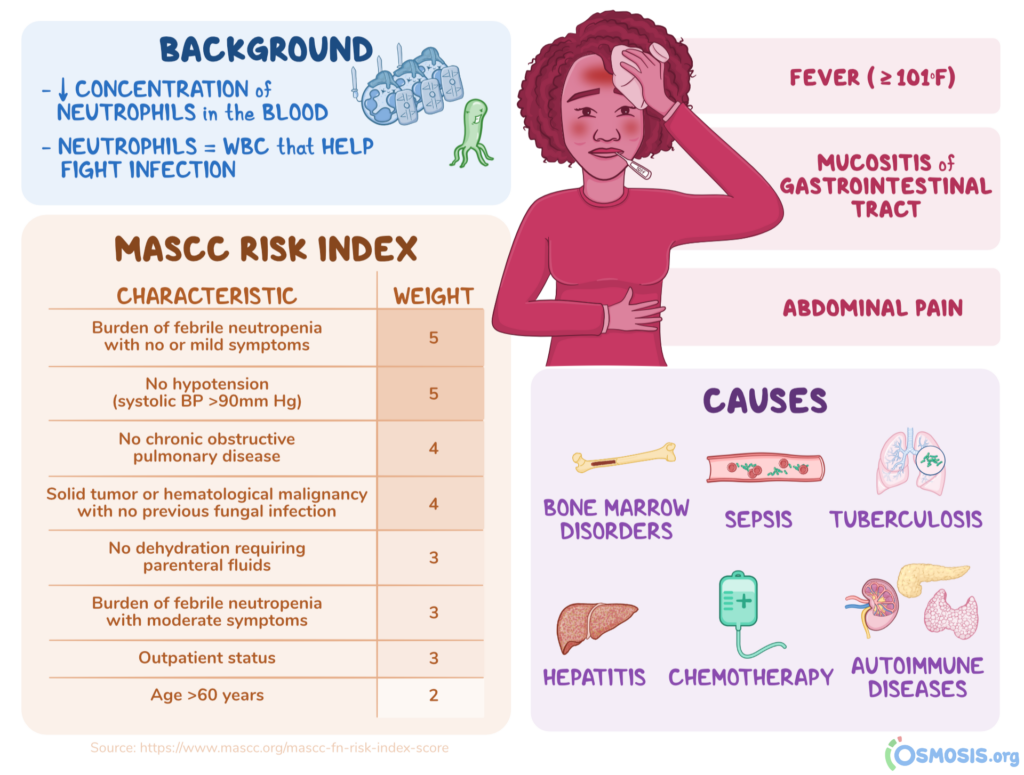
Regular monitoring of vital signs is an essential part of the nursing care for neutropenic patients. Vital signs, including temperature, heart rate, blood pressure, and respiratory rate, should be monitored at least every 4 hours or more frequently if indicated. Fever is a significant sign of infection in neutropenic patients and should be promptly assessed and addressed. Close monitoring of vital signs allows for the early detection of any changes that may indicate the development of an infection or other complications.
Symptom assessment
In addition to vital sign monitoring, ongoing assessment of the patient’s symptoms is crucial. Neutropenic patients may experience non-specific symptoms such as fatigue, malaise, or generalized weakness. However, any new or worsening symptoms should be promptly evaluated, as they may indicate an underlying infection or other complications. The nurse should assess for symptoms such as cough, shortness of breath, abdominal pain, diarrhea, or changes in mental status. Regular communication with the patient regarding their symptoms will facilitate early detection and appropriate management.
Infection monitoring
Monitoring for signs and symptoms of infection is a key aspect of nursing care for neutropenic patients. The nurse should be vigilant in assessing for any signs of infection, such as localized erythema, purulent drainage, or increased pain at a site of infection. Additionally, the nurse should closely monitor laboratory results, such as white blood cell counts and cultures, for any indications of infection. Close collaboration with the healthcare team is essential for identifying and managing infections promptly to prevent further complications.
Prevention and Education
Hand hygiene
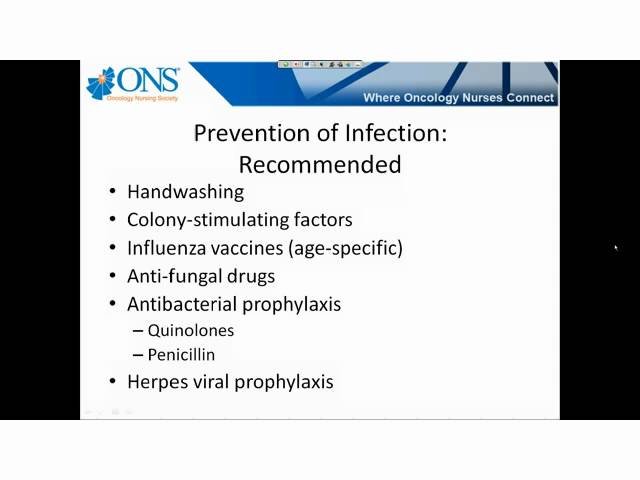
One of the most effective ways to prevent infections in neutropenic patients is through proper hand hygiene. The nurse should educate the patient, their family, and other healthcare providers on the importance of frequent handwashing with soap and water or using an alcohol-based hand sanitizer. It is crucial to establish a culture of hand hygiene in all care settings to reduce the risk of introducing or spreading infections.
Infection control measures
Implementing appropriate infection control measures is crucial in preventing infections in neutropenic patients. This includes strict adherence to standard precautions, such as wearing personal protective equipment (PPE) when necessary, disinfecting patient care equipment, and maintaining a clean and safe environment. The nurse should educate the patient and their caregivers on infection control measures, including proper disposal of infectious waste, avoiding crowded or high-risk areas, and practicing good respiratory hygiene, such as covering the mouth and nose when coughing or sneezing.

Vaccinations
Vaccinations play a crucial role in preventing infections in neutropenic patients. The nurse should ensure that the patient is up to date with their recommended vaccinations before initiating treatment or transplantation. However, live vaccines should be avoided during neutropenia, as they may pose a risk to the patient’s weakened immune system. The nurse should coordinate with the healthcare team to develop a vaccination plan that meets the patient’s specific needs and timing.
Patient education
Patient education is a vital component of nursing care for neutropenia. Patients and their families should be educated on the signs and symptoms of infection, the importance of adhering to neutropenic precautions, and when to seek medical attention. The nurse should provide clear and concise instructions on hand hygiene, infection control measures, and the proper care of central venous access devices or other indwelling catheters. Additionally, the nurse should ensure that patients and their families understand their medications, including any potential side effects or interactions, and the importance of medication adherence.
Neutropenic Precautions
Protective isolation measures
Protective isolation measures are essential in preventing infections in neutropenic patients. The nurse should ensure that the patient is placed in a private room with appropriate ventilation and regular cleaning to minimize the risk of exposure to infectious agents. Visitors should be screened for any signs or symptoms of illness and should follow the recommended infection control measures. Additionally, the nurse should implement strict hand hygiene protocols for all individuals entering the patient’s room.
Personal protective equipment
Proper use of personal protective equipment (PPE) is crucial when caring for neutropenic patients. The nurse should educate patients, their families, and healthcare providers on the appropriate use of PPE, including gloves, gowns, masks, and eye protection. PPE should be worn during all patient care activities that may involve contact with blood, body fluids, or contaminated surfaces. The nurse should ensure that PPE is readily available and that individuals are properly trained on its correct use and disposal.
Environmental control
Maintaining a clean and safe environment is essential in preventing infections in neutropenic patients. The nurse should ensure that the patient’s room is cleaned regularly with appropriate disinfectants and that any potentially infectious materials are properly disposed of. Surfaces that are frequently touched, such as bedrails, call buttons, and doorknobs, should be cleaned and disinfected regularly. The nurse should also monitor air quality and ventilation systems to minimize the risk of airborne transmission of infections.
Medication Management
Administration of growth factors
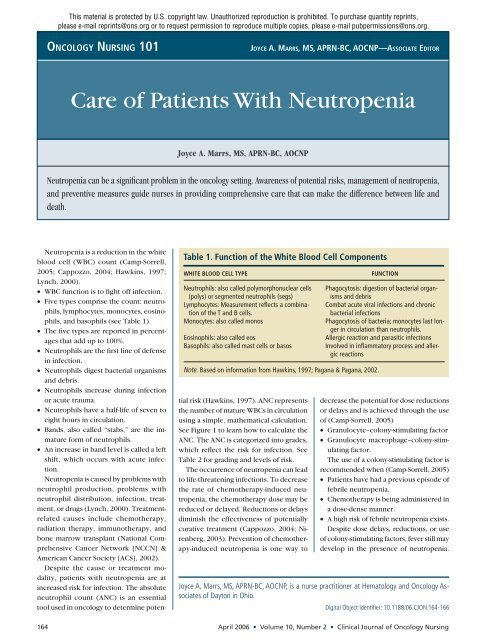
In the management of neutropenia, the nurse may be responsible for administering growth factors, such as granulocyte colony-stimulating factor (G-CSF), to stimulate the production of white blood cells. The nurse should follow the prescribed administration guidelines, including the route of administration, dosage, and frequency. Close monitoring of the patient’s response to the growth factors is essential, as well as assessing for any adverse reactions or side effects.
Antibiotic therapy
In the presence of infection or suspected infection, antibiotic therapy may be initiated in neutropenic patients. The nurse should ensure that antibiotics are administered according to the prescribed regimen, including the correct dosage and frequency. Close monitoring of the patient’s response to antibiotics is crucial, including assessing for any signs or symptoms of improvement or worsening infection. The nurse should also educate the patient on the importance of completing the full course of antibiotics and any potential side effects to watch for.
Antifungal therapy
In patients at high risk of fungal infections, antifungal therapy may be initiated. The nurse should ensure that antifungal medications are administered correctly and according to the prescribed regimen. Close monitoring for any signs or symptoms of fungal infection, as well as the patient’s response to antifungal therapy, is crucial. The nurse should educate the patient on the importance of adhering to antifungal therapy and reporting any new or worsening symptoms to the healthcare team.
Nutritional Considerations
Increased calorie and protein intake
Neutropenic patients often have increased nutritional needs to support their weakened immune system and aid in tissue healing and repair. The nurse should collaborate with a registered dietitian to develop a nutritional plan that provides adequate calories and protein. This may involve modifying the patient’s diet to include nutrient-dense foods, such as lean meats, dairy products, whole grains, and fruits and vegetables. In some cases, oral nutritional supplements or enteral nutrition may be necessary to meet the patient’s nutritional needs.
Oral care
Maintaining good oral hygiene is crucial in preventing infections in neutropenic patients. The nurse should educate the patient on the importance of regular oral care, including brushing the teeth and tongue at least twice a day with a soft toothbrush and using a gentle mouthwash or saline solution for rinsing. The nurse should also closely monitor for any signs or symptoms of oral mucositis, such as mouth sores or pain, and provide appropriate interventions, such as topical numbing agents or mouth rinses, as prescribed.
Monitoring for gastrointestinal complications
Neutropenic patients are at an increased risk of gastrointestinal complications, such as diarrhea or gastrointestinal mucositis. The nurse should closely monitor the patient for any signs or symptoms of gastrointestinal complications, including changes in bowel habits, abdominal pain, or nausea and vomiting. Close collaboration with the healthcare team, including the oncology or transplant team, is essential to manage these complications promptly and provide appropriate interventions, such as antimotility agents or antiemetics.
Psychosocial Support
Assessing emotional well-being
Neutropenia and its associated treatments can have a significant impact on a patient’s emotional well-being. The nurse should assess the patient’s emotional state regularly, using appropriate screening tools if available. This may involve asking the patient about their mood, anxiety levels, or any concerns or fears they may have. The nurse should create a safe and supportive environment for the patient to express their emotions and provide appropriate interventions or referrals as needed.
Providing counseling and support
The nurse plays a crucial role in providing counseling and support to patients with neutropenia. This may involve providing education and support regarding the patient’s diagnosis, treatment options, and potential side effects. The nurse should address any concerns or fears the patient may have and provide appropriate resources or referrals for additional support, such as counseling services or support groups. Regular communication and follow-up with the patient can help identify ongoing psychosocial needs and ensure that appropriate interventions are provided.
Referring to support groups or psychotherapist
Neutropenia can be a challenging and isolating condition, and patients may benefit from the support of others who are going through similar experiences. The nurse should inform patients and their families about support groups or organizations that provide resources, information, and emotional support for individuals with neutropenia. Additionally, if necessary, the nurse should refer patients to a psychotherapist or counselor who specializes in supporting individuals with chronic illnesses or psychological distress.
Pain Management
Assessing and managing pain
Pain management is an important aspect of nursing care for neutropenic patients. The nurse should regularly assess the patient’s pain level using appropriate pain assessment tools and consider the patient’s self-report, behavioral cues, and physiological indicators. The nurse should collaborate with the healthcare team, including pain management specialists, to develop an individualized pain management plan that includes appropriate pharmacological and non-pharmacological interventions. Regular reassessment of pain and the patient’s response to interventions is crucial to ensure adequate pain relief.
Administration of analgesics
The nurse may be responsible for administering analgesic medications to manage pain in neutropenic patients. The nurse should follow the prescribed medication orders, ensuring the correct dosage, route, and frequency of administration. The nurse should closely monitor the patient for any adverse effects or complications associated with analgesic medications, such as respiratory depression or gastrointestinal disturbances. Proper education regarding the use of analgesics, including any potential side effects or precautions, should be provided to the patient and their caregivers.
Hematopoietic Stem Cell Transplant Specific Considerations
Assessing engraftment
In patients undergoing hematopoietic stem cell transplantation (HSCT), assessing engraftment is a critical part of nursing care. The nurse should closely monitor the patient’s complete blood counts, including the absolute neutrophil count, to determine if engraftment has occurred. Signs of engraftment may include a consistent increase in white blood cell counts and the presence of donor cells in the patient’s blood or bone marrow. The nurse should collaborate with the healthcare team, including the transplant team, to ensure appropriate monitoring and interventions are provided during the engraftment process.
Preventing and managing graft-versus-host disease (GVHD)
GVHD is a potential complication of HSCT and requires careful monitoring and management. The nurse should assess the patient for any signs or symptoms of acute or chronic GVHD, such as skin rash, gastrointestinal symptoms, or liver involvement. Early detection of GVHD and prompt intervention are crucial to minimize complications and improve outcomes. The nurse should collaborate closely with the healthcare team, providing ongoing assessments, administering prescribed medications, and educating the patient and their caregivers about GVHD prevention and management strategies.
Collaborative Care and Communication
Interdisciplinary collaboration
Neutropenic patients require close collaboration and coordination of care among healthcare professionals from various disciplines. The nurse should actively participate in interdisciplinary rounds, meetings, and discussions to ensure continuity of care and optimal patient outcomes. Collaborative care involves effective communication, sharing of information, and joint decision-making, which ultimately leads to comprehensive and individualized patient-centered care.
Effective communication with healthcare team
Effective communication is essential in the care of neutropenic patients. The nurse should ensure clear and timely communication with members of the healthcare team, including physicians, pharmacists, dietitians, and other ancillary staff. The nurse should relay important information, such as changes in the patient’s condition or response to treatment, and ensure that all healthcare providers are informed of any specific precautions or interventions that need to be implemented. Regular multidisciplinary meetings or huddles can facilitate communication and collaboration among the entire healthcare team.
Coordination of care
The nurse plays a vital role in coordinating the care of neutropenic patients. This involves ensuring that all aspects of the patient’s care are seamlessly integrated, including medications, laboratory tests, procedures, and interventions. The nurse should collaborate with the healthcare team to develop an individualized care plan that addresses the patient’s specific needs and goals. The nurse should also coordinate with other healthcare settings, such as home care providers or outpatient clinics, to ensure continuity of care and effective transition between different care settings.
In conclusion, nursing considerations for neutropenia encompass a comprehensive approach to patient care. Assessment, monitoring, prevention, medication management, nutritional considerations, psychosocial support, pain management, specific considerations related to hematopoietic stem cell transplantation, and collaborative care and communication are all vital aspects of nursing care for neutropenic patients. By implementing evidence-based practices and providing patient-centered care, nurses can play a crucial role in improving the outcomes and quality of life for individuals with neutropenia.