
Are you a nurse looking to enhance your knowledge on providing nutritional support to patients? Look no further! In this article, we will explore the important nursing considerations and management strategies for ensuring proper nutrition for patients. By understanding the essential factors involved in delivering nutritional support, you will be equipped with the skills and knowledge to provide optimal care and support to your patients. So, let’s dive into the world of nursing considerations for nutritional support and discover how you can make a significant difference in your patients’ wellbeing.

1. Importance of Nutritional Support
1.1 Impact of nutrition on patient outcomes
Proper nutrition plays a vital role in the overall health and well-being of patients. The impact of nutrition on patient outcomes cannot be underestimated. Adequate nutrition promotes wound healing, enhances immune function, prevents malnutrition, and supports the body’s ability to fight off infections and diseases. Poor nutrition can lead to delayed healing, compromised immune function, increased risk of infections, and slower recovery. Therefore, ensuring that patients receive appropriate nutritional support is crucial for improving their overall outcomes and quality of life.
1.2 Role of nursing in nutritional support
Nursing professionals play a critical role in providing nutritional support to patients. They are responsible for assessing nutritional needs, implementing appropriate diet plans, monitoring food intake and digestion, and administering supplements or enteral feedings when necessary. Nurses also collaborate with the interdisciplinary healthcare team to develop comprehensive nutritional interventions. Furthermore, they educate patients and their families on the importance of proper nutrition and provide ongoing monitoring and evaluation of the effectiveness of nutritional interventions. By actively engaging in nutritional support, nurses contribute to the improved outcomes and well-being of their patients.
2. Assessing Nutritional Needs
2.1 Collecting patient history
Collecting a comprehensive patient history is essential in assessing nutritional needs. By gathering information about the patient’s dietary habits, food preferences, allergies, and any existing medical conditions, nurses can gain valuable insights into the patient’s nutritional requirements. Additionally, obtaining details about weight changes, appetite, and any recent surgeries or illnesses can help identify potential nutritional deficiencies or challenges that need to be addressed. A thorough patient history serves as a foundation for developing personalized nutritional interventions and tailoring dietary plans accordingly.
2.2 Conducting nutritional assessments
Nutritional assessments are crucial for identifying any existing or potential nutritional deficiencies in patients. Through assessments, nurses evaluate factors such as body weight, body mass index (BMI), laboratory results, nutrient intake, and any signs of malnutrition. Using a combination of objective measurements and clinical observations, nurses can determine the patient’s nutritional status accurately. This information guides the development of appropriate interventions and helps measure the effectiveness of nutritional support over time.
2.3 Identifying high-risk patients
Certain patient populations may have a higher risk of malnutrition or nutritional deficiencies. Nurses must be able to identify these high-risk patients promptly. High-risk patients may include older adults, individuals with chronic illnesses, hospitalized patients, and those with specific medical conditions that affect nutrient absorption or metabolism. By identifying high-risk patients, nurses can prioritize their nutritional needs and provide the necessary support to prevent complications associated with malnutrition.

3. Maintaining Adequate Nutrition
3.1 Implementing appropriate diet plans
Once nutritional needs are assessed, nurses play a crucial role in implementing appropriate diet plans. These plans take into consideration the patient’s specific dietary requirements and any restrictions or preferences they may have. Nurses work closely with dietitians to ensure that diet plans meet the patient’s nutritional needs while considering factors such as food allergies, intolerances, cultural preferences, and ethical considerations. Through collaboration with the interdisciplinary healthcare team, nurses ensure that diet plans are well-balanced, promote optimal nutrition, and support the patient’s overall health and recovery.
3.2 Monitoring food intake and digestion
Nurses actively monitor their patients’ food intake and digestion to ensure adequate nutrition is being received. They observe meals, record portion sizes, encourage adequate fluid intake, and assess the patient’s ability to digest and tolerate food. Monitoring food intake allows nurses to identify any challenges or barriers to optimal nutrition and make timely adjustments to the diet plan or provide additional support when necessary. By closely monitoring food intake and digestion, nurses can ensure that patients are receiving the necessary nutrients for their healing and recovery processes.
3.3 Administering supplements or enteral feedings
In some cases, patients may require additional nutritional support in the form of supplements or enteral feedings. Nurses are responsible for administering these interventions and monitoring their effectiveness. They ensure that patients receive the appropriate dosage and frequency of supplements and follow the prescribed guidelines for enteral feedings. Nurses also closely monitor the patient’s response to these interventions and make adjustments as needed. By administering supplements or enteral feedings, nurses help maintain optimal nutrition in patients who may have difficulty meeting their nutritional needs through oral intake alone.
4. Addressing Nutritional Challenges
4.1 Managing dysphagia and swallowing difficulties
Dysphagia, or difficulty swallowing, can pose a significant challenge to maintaining adequate nutrition. Nurses play a pivotal role in managing dysphagia and ensuring that patients receive the appropriate nutrition despite their swallowing difficulties. They collaborate with speech-language pathologists and dietitians to develop dysphagia-safe diets that meet the patient’s nutritional needs while reducing the risk of aspiration. Nurses also provide education and support to patients and their families on proper swallowing techniques, use of assistive devices, and strategies to prevent choking during mealtimes.
4.2 Handling food allergies or intolerances
Food allergies and intolerances can complicate nutritional support for patients. Nurses must be vigilant in identifying any food allergies or intolerances that patients may have and take necessary precautions to avoid triggering allergic reactions. They collaborate closely with dietitians to develop individualized diet plans that eliminate or substitute allergenic foods without compromising the patient’s nutritional needs. Nurses also educate patients and their families about recognizing potential allergens and provide guidance on reading food labels to ensure they make informed choices. By effectively handling food allergies or intolerances, nurses enable patients to maintain a safe and nutritious diet.
4.3 Supporting patients with special dietary requirements
Certain patient populations, such as those with specific medical conditions or cultural dietary preferences, may have unique dietary requirements. Nurses must be equipped to support these patients and provide appropriate nutritional guidance. They collaborate with dietitians to develop specialized dietary plans that meet the unique needs of these patients. For individuals with religious or cultural dietary restrictions, nurses show respect and understanding by accommodating their dietary preferences while ensuring adequate nutrition. By addressing special dietary requirements, nurses promote patient satisfaction and overall well-being.

5. Promoting Optimal Nutritional Support
5.1 Collaborating with interdisciplinary healthcare team
Collaboration with the interdisciplinary healthcare team is vital in providing optimal nutritional support to patients. Nurses work closely with dietitians, physicians, speech-language pathologists, and other healthcare professionals to develop comprehensive nutritional interventions. Through regular communication and interdisciplinary meetings, nurses contribute their expertise and insights to ensure that all aspects of a patient’s nutritional needs are addressed. Collaborative efforts enhance the effectiveness of nutritional support and promote positive patient outcomes.
5.2 Educating patients and their families
Education plays a crucial role in promoting optimal nutritional support. Nurses play a key role in educating patients and their families about the importance of proper nutrition, the impact of nutrition on health outcomes, and ways to maintain a nutritious diet. They provide guidance on portion control, label reading, balanced meal planning, and strategies for incorporating healthy food choices into daily routines. Nurses also address any misconceptions or concerns that patients or their families may have regarding nutrition. By providing comprehensive education, nurses empower patients and their families to actively participate in their nutritional care.
5.3 Monitoring and evaluating nutritional interventions
Regular monitoring and evaluation of nutritional interventions are essential to ensure their effectiveness. Nurses closely monitor patients’ nutritional status, assess for any changes or improvements, and evaluate their overall response to interventions. They may measure key indicators such as weight, BMI, laboratory results, and clinical assessments to determine the impact of nutritional support. By consistently monitoring and evaluating nutritional interventions, nurses can make timely adjustments and modifications to optimize patient outcomes and ensure continued progress in their nutritional goals.
6. Considering Cultural and Ethical Factors
6.1 Respecting cultural dietary preferences
Nurses must respect and accommodate cultural dietary preferences when providing nutritional support to patients. They recognize that food is deeply tied to cultural identity and preferences, and strive to develop diet plans that align with these preferences while ensuring adequate nutrition. By considering cultural dietary preferences, nurses foster a sense of respect and understanding, which positively impacts patient satisfaction and compliance with their dietary recommendations.
6.2 Addressing ethical dilemmas related to nutrition
Ethical issues related to nutrition may arise in certain situations, such as end-of-life care or patients refusing necessary nutritional interventions. Nurses must navigate these dilemmas with sensitivity and ensure that ethical principles and the patient’s wishes are respected. They collaborate with the interdisciplinary healthcare team, including ethicists or social workers when necessary, to discuss and make informed decisions regarding nutrition-related ethical issues. By addressing ethical dilemmas, nurses uphold the principles of autonomy, beneficence, and non-maleficence, promoting ethical and patient-centered care.
7. Prevention and Management of Malnutrition
7.1 Identifying signs and symptoms of malnutrition
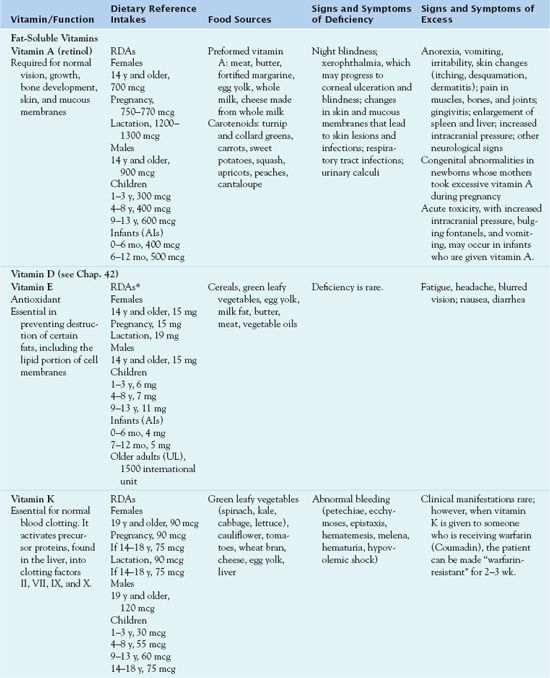
Early identification of malnutrition is crucial for timely intervention and prevention of complications. Nurses are skilled in recognizing the signs and symptoms of malnutrition, such as unintended weight loss, muscle wasting, dry or pale skin, and impaired wound healing. Through regular assessments and close observation, nurses can quickly identify patients at risk of malnutrition and initiate appropriate interventions to prevent further deterioration of their nutritional status.
7.2 Developing appropriate interventions
To prevent and manage malnutrition, nurses collaborate with dietitians and other healthcare professionals to develop appropriate interventions. These interventions may include dietary modifications, oral nutritional supplements, enteral feedings, or referral to specialized care if needed. Nurses ensure that interventions are tailored to the individual patient’s needs and nutritional goals. By developing comprehensive interventions, nurses promote optimal nutrition and prevent complications associated with malnutrition.
7.3 Monitoring and managing malnutrition
Nurses play a key role in the ongoing monitoring and management of malnutrition. They closely monitor the patient’s nutritional status, regular weight and anthropometric measurements, and biochemical markers to gauge the effectiveness of interventions. Nurses make timely adjustments to the nutritional plan and engage in multidisciplinary discussions to address any challenges or barriers to achieving optimal nutrition. By providing continuous monitoring and management, nurses contribute to a patient’s recovery and mitigate the long-term effects of malnutrition.
8. Providing Nutritional Support in Various Healthcare Settings
8.1 Acute care settings
In acute care settings, nurses face unique challenges in providing nutritional support due to patients’ acute illnesses and clinical conditions. They collaborate closely with other healthcare professionals, such as dietitians and physicians, to develop and implement appropriate nutritional interventions. Nurses ensure that patients receive optimal nutrition despite potential barriers, such as restrictions before surgeries or invasive procedures. They monitor patients’ nutritional status closely, administer oral nutritional supplements or enteral feedings as needed, and provide ongoing education and support to patients and their families. By providing nutritional support in acute care settings, nurses contribute to improved patient outcomes and facilitate a faster recovery.
8.2 Long-term care facilities
In long-term care facilities, nurses play a vital role in ensuring residents’ nutritional needs are met. They assess residents’ nutritional status regularly, develop individualized care plans, and collaborate with dietitians to provide appropriate nutrition. Nurses frequently monitor food intake, provide assistance with feeding when necessary, and coordinate with the interdisciplinary team to make any necessary modifications to the diet plan. They also provide education and support to residents and their families, empowering them to make informed choices regarding their nutritional care. By providing nutritional support in long-term care facilities, nurses contribute to the overall health and well-being of residents.
8.3 Home healthcare
In home healthcare settings, nurses provide vital nutritional support to patients who receive care at home. They assess patients’ nutritional needs and develop personalized dietary plans based on their unique circumstances and preferences. Nurses ensure that patients have access to appropriate food resources and educate them and their families on meal planning, portion control, and maintaining a nutritious diet at home. They make regular home visits to monitor patients’ food intake, assess their nutritional status, and address any challenges or concerns that arise. By providing nutritional support in home healthcare settings, nurses enable patients to maintain their health and independence outside of traditional healthcare settings.

9. Handling Nutritional Support in Special Patient Populations
9.1 Pediatric patients
Nutritional support for pediatric patients requires specialized knowledge and considerations. Nurses play a critical role in assessing the nutritional needs of children and infants, ensuring that they receive appropriate nutrition for their growth and development. They collaborate with pediatric dietitians to develop individualized diet plans that meet the unique needs of each child. Nurses closely monitor their patients’ growth, establish feeding schedules, and educate parents or caregivers on age-appropriate feeding techniques. By providing nutritional support to pediatric patients, nurses contribute to their healthy development and overall well-being.
9.2 Pregnant and lactating women
Pregnancy and lactation require specific nutritional support for the well-being of both the mother and the developing fetus or infant. Nurses assist pregnant and lactating women by providing education on optimal nutrition during these stages. They collaborate with obstetricians and dietitians to develop personalized meal plans that meet the increased nutritional demands of pregnancy and breastfeeding. Nurses monitor weight gain, assess nutrient intake, and address any concerns or complications that may arise, such as gestational diabetes. By supporting the nutritional needs of pregnant and lactating women, nurses contribute to healthy pregnancies and successful breastfeeding journeys.
9.3 Geriatric patients
Geriatric patients require special attention to their nutritional needs due to age-related changes and potential comorbidities. Nurses assess the nutritional status of elderly patients and develop personalized care plans that address their unique needs. They consider factors such as reduced appetite, dental health, medication interactions, and age-related changes in nutrient absorption. Nurses collaborate with dietitians and other healthcare professionals to ensure that geriatric patients receive appropriate nutrition to maintain their health and prevent complications associated with malnutrition. By providing nutritional support to geriatric patients, nurses optimize their quality of life and promote healthy aging.
10. Adapting Nutritional Support for Patients with Specific Medical Conditions
10.1 Diabetes
Patients with diabetes require specialized nutritional support to manage their blood sugar levels effectively. Nurses educate patients on the principles of diabetic nutrition, including portion control, carbohydrate counting, and meal timing. They collaborate with dietitians and diabetes educators to develop individualized meal plans that align with the patient’s diabetes management goals. Nurses monitor patients’ blood sugar levels closely, assess the impact of dietary choices, and make appropriate adjustments to the meal plan. By adapting nutritional support for patients with diabetes, nurses help them achieve optimal blood sugar control and minimize the risk of complications.
10.2 Cardiovascular diseases
Proper nutrition plays a crucial role in managing and preventing cardiovascular diseases. Nurses assess the nutritional needs of patients with cardiovascular diseases and develop personalized meal plans that promote heart health. They educate patients on reducing sodium intake, consuming heart-healthy fats, and increasing fiber-rich foods. Nurses monitor patients’ cholesterol levels, blood pressure, and weight, and collaborate with dietitians and cardiologists to make necessary modifications to the diet plan. By providing nutritional support tailored to cardiovascular diseases, nurses contribute to better heart health outcomes and reduce the risk of cardiovascular events.
10.3 Cancer
Cancer patients often experience nutritional challenges due to the disease itself and its treatments. Nurses play a critical role in adapting nutritional support for patients undergoing cancer treatment. They assess patients’ nutritional needs, manage treatment side effects such as nausea and taste changes, and collaborate with dietitians to develop individualized meal plans. Nurses monitor patients’ weight, assess their ability to tolerate food, and provide education and support regarding strategies to maintain adequate nutrition during treatment. By providing appropriate nutritional support to cancer patients, nurses help optimize their treatment outcomes and overall well-being.
In conclusion, nutritional support is of utmost importance in nursing care. Through assessing nutritional needs, maintaining adequate nutrition, addressing challenges, promoting optimal support, considering cultural and ethical factors, preventing and managing malnutrition, providing support in different healthcare settings, handling special patient populations, and adapting nutritional support for specific medical conditions, nurses play a vital role in ensuring patients receive the necessary nutrition for their overall health and well-being.