
Are you a nurse looking for valuable insights into managing pseudocysts? Look no further! This article will provide you with essential nursing considerations and management strategies for dealing with pseudocysts. From understanding the nature of pseudocysts to implementing effective interventions, we’ve got you covered. So, let’s dive in and equip you with the knowledge and skills needed to optimize patient care in pseudocyst management.
Nursing Considerations for Pseudocyst Management
Pseudocysts are fluid-filled sacs that develop in the pancreas due to various conditions, such as pancreatitis or trauma. As a nurse, it is essential to understand the nursing considerations and management strategies that are crucial in providing optimal care for patients with pseudocysts. This article aims to provide a comprehensive guide on the different aspects nurses should consider when managing patients with pseudocysts.

Assessment
The first step in managing patients with pseudocysts is a thorough and comprehensive assessment. This includes gathering detailed information about the patient’s medical history, current symptoms, and any underlying conditions. It is crucial to assess for signs of infection, such as fever, as well as the presence of pain or discomfort. Additionally, a physical examination and diagnostic tests, such as blood work and imaging studies, may be necessary to accurately diagnose and assess the pseudocyst.
Diagnosis
Diagnosing a pseudocyst involves a combination of clinical assessment, imaging studies, and laboratory tests. The physician will likely order a computed tomography (CT) scan to visualize the pseudocyst and determine its size and location. Other diagnostic tests, such as ultrasound or magnetic resonance imaging (MRI), may also be used. Laboratory tests, including amylase and lipase levels, can help confirm the diagnosis and assess the severity of pancreatitis.
Fluid and Nutrition Management
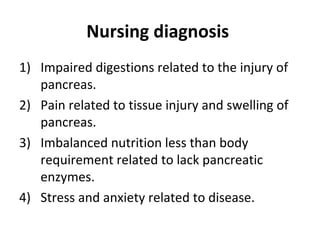
Proper fluid and nutrition management is vital for patients with pseudocysts. In severe cases, patients may require intravenous fluid resuscitation to restore and maintain hydration. Monitoring intake and output is essential to ensure adequate fluid balance. Enteral nutrition, such as tube feedings, may be necessary if the patient is unable to take oral intake. Working closely with the healthcare team, the nurse plays a crucial role in monitoring the patient’s nutritional status and adjusting the diet or feeding regimen as needed.
Pain Management
Pain is a significant concern for patients with pseudocysts. The nurse should assess the intensity and location of the pain regularly. Medications, such as analgesics and antispasmodics, may be prescribed to alleviate pain and discomfort. It is important to monitor the effectiveness of pain management interventions and communicate any changes or concerns to the healthcare team. The nurse can also implement non-pharmacological pain management techniques, such as relaxation techniques or distraction, to complement the medication regimen.

Infection Control
Infection is a potential complication that can occur with pseudocysts. Aseptic techniques should be strictly followed when performing any procedures involving the pseudocyst or its drainage. Regular hand hygiene and proper personal protective equipment (PPE) should be utilized to prevent the spread of infection. Close monitoring of vital signs and regular assessment of signs and symptoms of infection are vital. Any signs of infection, such as fever, increased pain, or purulent drainage, should be reported immediately to the healthcare provider.
Drainage Care
When pseudocysts become symptomatic or are associated with complications, they may require drainage. The nurse should be knowledgeable in caring for drains, such as percutaneous drains or endoscopic stents, and ensure the appropriate handling and care. This includes assessing the site for signs of infection, such as redness or swelling, and monitoring the drainage output for any changes, such as increased volume or consistency. Educating the patient and their caregivers on proper drain care and techniques to prevent infection is essential.

Monitoring and Evaluation
Regular monitoring and evaluation are crucial in the management of pseudocysts. This includes assessing and documenting vital signs, pain levels, and other symptoms at regular intervals. Additionally, monitoring laboratory values, such as amylase and lipase levels, can help track the progression of the pseudocyst and the effectiveness of the treatment plan. The nurse plays a vital role in communicating any changes or concerns to the healthcare team and ensuring the appropriate interventions are implemented as needed.
Patient Education
Patient education is an integral part of managing pseudocysts. The nurse should provide information to the patient and their caregivers about the condition, its causes, and treatment options. It is crucial to educate the patient on the signs and symptoms of infection and when to seek medical attention. Additionally, providing information about pain management techniques, dietary modifications, and proper drain care is essential for the patient’s understanding and active participation in their care.

Collaborative Care
Managing pseudocysts often requires a collaborative approach involving various healthcare professionals. The nurse should work closely with the healthcare team, including physicians, dieticians, and pharmacists, to ensure a comprehensive and coordinated care plan. Collaborative care may involve regular interdisciplinary meetings to discuss the patient’s progress and adjust the treatment plan as needed. The nurse serves as an important communication link between the patient and the healthcare team, facilitating effective and seamless care delivery.
Ethical Considerations
Nurses must also consider the ethical aspects of pseudocyst management. This includes ensuring patient autonomy and informed consent throughout the treatment process. The nurse should be aware of any cultural or religious beliefs that may influence the patient’s decision-making and respect their choices. Additionally, nurses should advocate for the patient’s well-being and ensure that their values and preferences are considered when making healthcare decisions. Ethical considerations also extend to the nurse’s own professional conduct, ensuring integrity and maintaining confidentiality in all aspects of care.
In conclusion, providing effective management for patients with pseudocysts requires a comprehensive and holistic approach. Nurses play a vital role in assessing, diagnosing, and managing pseudocysts, as well as providing essential education and support to patients and their caregivers. By considering the various nursing considerations outlined in this article, nurses can contribute to the overall well-being and positive outcomes of patients with pseudocysts.