
In this article, we will explore important nursing considerations for peripheral neuropathy. From understanding the causes of this condition to implementing effective nursing management strategies, we will cover all the essential information you need to provide the best care for patients experiencing peripheral neuropathy. So, grab a cup of tea, sit back, and let’s dive into the world of nursing considerations for peripheral neuropathy.
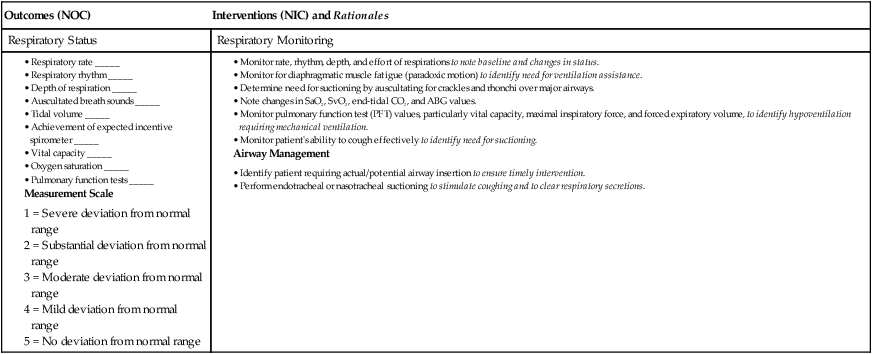
Assessment
Patient history
During the assessment of a patient with peripheral neuropathy, it is important to gather a comprehensive patient history. This includes information about the onset of symptoms, any contributing factors such as injury or exposure to toxins, and any existing medical conditions that may be contributing to the development of neuropathy. Additionally, it is important to obtain a detailed medication history, as certain medications can cause or exacerbate neuropathy. By obtaining a thorough patient history, healthcare providers can gain valuable insights into the potential causes and appropriate management strategies for peripheral neuropathy.
Physical examination
A physical examination is an essential component of assessing patients with peripheral neuropathy. During this examination, healthcare providers will assess various aspects of the patient’s physical health, including neurological function, muscle strength, reflexes, and sensory perception. This examination may involve testing the patient’s ability to feel touch, temperature, and vibration, as well as coordination and balance. By conducting a comprehensive physical examination, healthcare providers can gain a better understanding of the extent and severity of the patient’s neuropathy and tailor their treatment plan accordingly.
Neurological assessment
Neurological assessment plays a crucial role in evaluating patients with peripheral neuropathy. This assessment involves examining the patient’s nervous system, with a focus on the peripheral nerves. Healthcare providers may use various techniques to assess neurological function, such as testing reflexes, evaluating muscle strength and tone, and assessing sensory perception. Additionally, neurological assessment may involve evaluating the patient’s gait, coordination, and balance. By conducting a thorough neurological assessment, healthcare providers can identify specific areas of dysfunction and develop appropriate interventions to manage the patient’s neuropathy effectively.
Diagnosis
Nerve conduction studies
Nerve conduction studies are a valuable diagnostic tool for assessing peripheral neuropathy. During this procedure, small electrical shocks are applied to specific nerves, and electrodes placed on the skin measure how quickly and effectively the nerves transmit electrical signals. This test can help healthcare providers identify the specific nerves that are affected and determine the severity of damage. By conducting nerve conduction studies, healthcare providers can obtain objective data to confirm a diagnosis of peripheral neuropathy and develop an appropriate treatment plan.
Electromyography
Electromyography (EMG) is another diagnostic test commonly used to evaluate patients with peripheral neuropathy. This test involves the insertion of small, thin needles into the muscles to measure their electrical activity at rest and during movement. EMG can help healthcare providers assess the health and function of the muscles and determine if there is any nerve damage affecting muscle activity. By performing electromyography, healthcare providers can gather important information about the extent and nature of a patient’s peripheral neuropathy.
Blood tests
Blood tests are an important component of the diagnostic workup for peripheral neuropathy. These tests help healthcare providers identify potential underlying causes of neuropathy, such as diabetes, vitamin deficiencies, autoimmune disorders, or infections. Blood tests can measure various markers, including blood glucose levels, vitamin B12 levels, thyroid function, and antibodies that may indicate an autoimmune condition. By analyzing the results of blood tests, healthcare providers can gain valuable insights into the potential cause of a patient’s neuropathy and guide their treatment plan accordingly.
Imaging studies
In some cases, imaging studies may be necessary to evaluate peripheral neuropathy further. Imaging techniques such as magnetic resonance imaging (MRI) or computerized tomography (CT) scans can help healthcare providers assess the structures of the peripheral nerves and identify any potential abnormalities or underlying conditions. These imaging studies can provide valuable information to aid in diagnosis and treatment planning for peripheral neuropathy.

Symptom Management
Pain management
Pain management is a crucial aspect of treating peripheral neuropathy, as many patients experience significant discomfort. A variety of pharmacological interventions can be used to help manage neuropathic pain, including medications such as gabapentin, pregabalin, or antidepressants. Non-pharmacological interventions, such as heat therapy, transcutaneous electrical nerve stimulation (TENS), or relaxation techniques, may also be beneficial. By implementing a multidimensional approach to pain management, healthcare providers can adequately address the individual needs of patients with peripheral neuropathy.
Physical therapy
Physical therapy plays a significant role in managing peripheral neuropathy. A physical therapist can develop an individualized exercise program to improve strength, balance, and coordination, which can help reduce the risk of falls and promote overall physical well-being. Additionally, physical therapists can provide valuable education on proper body mechanics and ergonomics to prevent further nerve damage. By incorporating physical therapy into the treatment plan, healthcare providers can help patients with peripheral neuropathy regain functional independence and improve their quality of life.
Occupational therapy
Occupational therapy focuses on helping individuals with peripheral neuropathy maximize their independence and function in daily activities. Occupational therapists can provide strategies and adaptive devices to assist with activities such as self-care, dressing, and meal preparation. They can also assess the home environment for safety hazards and make recommendations for modifications or assistive devices. By working with an occupational therapist, individuals with peripheral neuropathy can learn techniques to conserve energy, reduce the risk of injury, and maintain their independence.
Alternative therapies
Alternative therapies, such as acupuncture, massage therapy, or biofeedback, may provide additional symptom relief for individuals with peripheral neuropathy. These therapies can help reduce pain, improve circulation, and promote relaxation. However, it is important for healthcare providers to discuss these options with patients and ensure they are receiving safe and evidence-based treatments. By integrating alternative therapies into the overall management plan, healthcare providers can offer a comprehensive approach to symptom management for peripheral neuropathy.
Education
Explaining peripheral neuropathy
Education is a key component of managing peripheral neuropathy. Healthcare providers should take the time to explain to patients what peripheral neuropathy is, its potential causes, and its impact on daily life. By providing clear and concise information, healthcare providers can help patients better understand their condition and make informed decisions regarding their care.
Teaching self-care strategies
Empowering patients with peripheral neuropathy to take an active role in managing their condition is essential. Healthcare providers can teach patients various self-care strategies, such as maintaining proper foot care, managing pain effectively, and recognizing signs of infection. By providing education on self-care, healthcare providers can help patients minimize the impact of peripheral neuropathy on their daily lives and promote overall well-being.
Importance of medication adherence
Medication adherence is vital in managing peripheral neuropathy. Healthcare providers must emphasize to patients the importance of taking prescribed medications as directed. This includes explaining potential side effects, establishing a medication schedule, and discussing strategies to improve adherence. By highlighting the significance of medication adherence, healthcare providers can optimize the effectiveness of treatment and enhance patient outcomes.
Addressing emotional and psychological impact
Peripheral neuropathy can have a significant emotional and psychological impact on patients. Healthcare providers must address these aspects of the condition and provide support and resources. This may involve referring patients to mental health professionals, offering counseling services, or connecting patients with support groups. By addressing the emotional and psychological impact of peripheral neuropathy, healthcare providers can help patients cope and improve their overall quality of life.

Prevention
Regular foot care
Regular foot care is essential for individuals with peripheral neuropathy. Healthcare providers should educate patients on proper foot hygiene, including regular washing, drying, and inspection for any signs of injury or infection. Additionally, patients should be advised to wear appropriate footwear and avoid walking barefoot. By promoting regular foot care, healthcare providers can help prevent complications such as foot ulcers or infections.
Avoiding toxic substances or medications
Toxins and certain medications can contribute to the development or worsening of peripheral neuropathy. Healthcare providers should provide education on the potential risks associated with exposure to toxins, such as heavy metals or chemicals. Similarly, patients should be advised to discuss any new medications or changes to their medication regimen with their healthcare provider to ensure they are not taking any medications that may exacerbate their neuropathy. By promoting awareness and avoidance of toxic substances or medications, healthcare providers can help prevent further nerve damage.
Maintaining proper nutrition
Proper nutrition is crucial for individuals with peripheral neuropathy. Healthcare providers should educate patients on the importance of a well-balanced diet, rich in vitamins, minerals, and antioxidants. Adequate intake of certain nutrients, such as B vitamins and omega-3 fatty acids, can support nerve health and minimize the progression of peripheral neuropathy. By emphasizing the significance of proper nutrition, healthcare providers can help individuals with peripheral neuropathy maintain optimal health.
Managing underlying conditions
Managing underlying conditions is a critical component of preventing the progression of peripheral neuropathy. Healthcare providers should work closely with patients to manage conditions such as diabetes, autoimmune disorders, or infections, as these can contribute to the development or exacerbation of neuropathy. By effectively managing underlying conditions, healthcare providers can help prevent further nerve damage and optimize the overall health of individuals with peripheral neuropathy.
Medication Management
Prescribing appropriate medications
Medication management is essential in the treatment of peripheral neuropathy. Healthcare providers should carefully consider the specific needs and symptoms of each patient when prescribing medications. This may involve prescribing medications for pain management, managing underlying conditions, or addressing specific nerve-related symptoms. By prescribing appropriate medications, healthcare providers can effectively manage symptoms and improve patient outcomes.
Monitoring for potential side effects
Monitoring for potential side effects is an important aspect of medication management for peripheral neuropathy. Healthcare providers should closely monitor patients for any adverse reactions or complications associated with the prescribed medications. This may involve regular check-ins, laboratory monitoring, or adjusting medication dosages as needed. By monitoring for potential side effects, healthcare providers can ensure patient safety and optimize the effectiveness of treatment.
Adjusting medication dosages
Adjusting medication dosages is sometimes necessary in the management of peripheral neuropathy. Healthcare providers should regularly evaluate patient response to medications and make adjustments as needed. This may involve increasing or decreasing dosages or switching to alternative medications to achieve optimal symptom management. By adjusting medication dosages, healthcare providers can ensure patients are receiving the appropriate therapeutic levels and minimize adverse effects.
Educating patients about medication use
Patient education is vital in medication management for peripheral neuropathy. Healthcare providers should provide clear instructions on the proper use, dosage, and timing of medications. Patients should also be educated about possible side effects, potential drug interactions, and the importance of adhering to prescribed regimens. By empowering patients with knowledge about medication use, healthcare providers can promote safe and effective management of peripheral neuropathy.

Wound Care
Ensuring proper wound assessment
Proper wound assessment is crucial in the management of peripheral neuropathy. Healthcare providers should regularly inspect wounds, looking for signs of infection, delayed healing, or other complications. This assessment may involve visual examination, measurement of wound size, or obtaining a wound culture. By ensuring proper wound assessment, healthcare providers can identify potential issues early and intervene to prevent further complications.
Cleaning and protecting wounds
Cleaning and protecting wounds is a key component of wound care for individuals with peripheral neuropathy. Healthcare providers should teach patients proper wound cleaning techniques using sterile solutions and techniques to avoid further infection. Additionally, healthcare providers may recommend the use of appropriate wound dressings, such as sterile gauze or specialized dressings, to protect the wound and promote healing. By ensuring proper wound cleaning and protection, healthcare providers can minimize the risk of infection and facilitate healing.
Applying appropriate dressings
Applying appropriate dressings is essential in wound care for peripheral neuropathy. Healthcare providers should select dressings based on the type and severity of the wound, as well as the patient’s individual needs. Dressings may vary from simple gauze to specialized dressings that promote a moist wound environment or provide antimicrobial properties. By applying appropriate dressings, healthcare providers can create an optimal environment for wound healing and minimize complications.
Monitoring for signs of infection
Monitoring for signs of infection is critical in wound care for peripheral neuropathy. Healthcare providers should educate patients on the signs and symptoms of infection, such as increased pain, redness, swelling, or pus at the wound site. Patients should be instructed to seek immediate medical attention if they notice any signs of infection. Additionally, healthcare providers should regularly assess wounds for any signs of infection and initiate appropriate interventions, such as wound cultures or antibiotic therapy, if necessary. By monitoring for signs of infection, healthcare providers can promptly intervene and prevent further complications.
Fall Prevention
Identifying potential fall risks
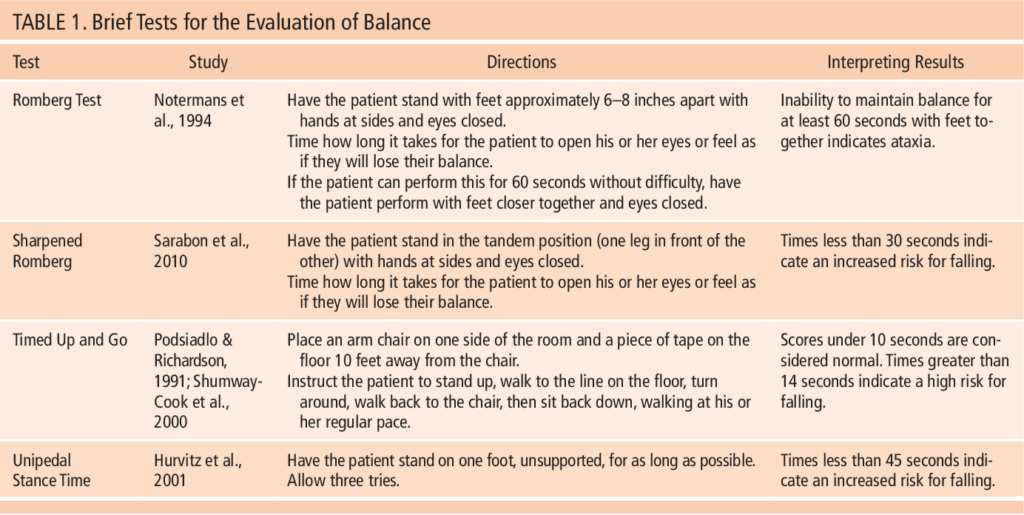
Identifying potential fall risks is essential in the management of peripheral neuropathy. Healthcare providers should assess patients for factors that may increase their risk of falls, such as muscle weakness, balance deficits, or environmental hazards. This assessment may involve evaluating gait, balance, and coordination, as well as conducting a home safety evaluation. By identifying potential fall risks, healthcare providers can implement appropriate interventions to reduce the risk of falls and minimize the impact of peripheral neuropathy on patient safety.
Assisting with mobility and balance exercises
Assisting patients with mobility and balance exercises is an important aspect of fall prevention for individuals with peripheral neuropathy. Healthcare providers can teach patients specific exercises to improve strength, balance, and coordination, tailored to their individual needs and capabilities. This may include exercises such as walking, tai chi, or specific balance training exercises. By providing guidance and support in performing these exercises, healthcare providers can help improve patient stability and reduce the risk of falls.
Recommending appropriate assistive devices
Recommending appropriate assistive devices is crucial in fall prevention for individuals with peripheral neuropathy. Healthcare providers should assess patients’ mobility needs and recommend devices such as canes, walkers, or orthotic devices to improve stability and reduce the risk of falls. Additionally, healthcare providers may recommend modifications to the home environment, such as grab bars in the bathroom or removing tripping hazards, to create a safer living environment. By recommending appropriate assistive devices, healthcare providers can help individuals with peripheral neuropathy maintain their independence and reduce the risk of falls.
Creating a safe environment
Creating a safe environment is essential in fall prevention for individuals with peripheral neuropathy. Healthcare providers should educate patients on strategies to create a safe living environment, such as removing clutter, securing loose rugs, and ensuring proper lighting. Additionally, patients should be advised to wear appropriate footwear and use handrails or grab bars as needed. By promoting a safe environment, healthcare providers can help individuals with peripheral neuropathy reduce the risk of falls and maintain their overall well-being.
Nutritional Support
Evaluating nutritional status
Evaluating nutritional status is crucial in managing peripheral neuropathy. Healthcare providers should assess patients’ dietary intake, including the quality and quantity of food consumed. Additionally, they may consider conducting laboratory tests to assess for any nutritional deficiencies that may contribute to or exacerbate neuropathy. By evaluating nutritional status, healthcare providers can identify any dietary deficiencies and provide appropriate interventions to optimize overall health and support nerve healing.
Providing dietary recommendations
Providing dietary recommendations is an important aspect of nutritional support for individuals with peripheral neuropathy. Healthcare providers may recommend a well-balanced diet, rich in nutrients such as B vitamins, antioxidants, and essential fatty acids, to support nerve health and minimize the progression of neuropathy. Additionally, healthcare providers may recommend specific dietary modifications based on individual patient needs, such as reducing sugar intake for patients with diabetes. By offering dietary recommendations, healthcare providers can empower individuals with peripheral neuropathy to make informed choices about their diet and optimize their overall health.
Collaborating with dietitians
Collaborating with dietitians is beneficial in providing nutritional support for individuals with peripheral neuropathy. Dietitians can conduct a more in-depth assessment of patients’ dietary intake and provide individualized recommendations tailored to their specific needs and preferences. Additionally, dietitians can address specific nutritional concerns, such as dietary restrictions related to underlying conditions, and provide ongoing support and education. By collaborating with dietitians, healthcare providers can ensure that patients receive comprehensive and personalized nutritional support.
Monitoring effects of dietary changes
Monitoring the effects of dietary changes is essential in nutritional support for individuals with peripheral neuropathy. Healthcare providers should regularly assess patients’ response to dietary modifications, monitoring factors such as symptom severity, neuropathy progression, or changes in laboratory values. This allows for timely adjustments to the dietary recommendations to optimize symptom management and overall nutrition. By monitoring the effects of dietary changes, healthcare providers can ensure that patients are receiving the most effective nutritional support and achieve the best possible outcomes.
Collaborative Care
Consulting with other healthcare professionals
Collaborating with other healthcare professionals is essential in providing comprehensive care for individuals with peripheral neuropathy. Healthcare providers should consult with specialists such as neurologists, endocrinologists, or pain management physicians to ensure a multidisciplinary approach to treatment. Additionally, healthcare providers may collaborate with nutritionists, physical therapists, or occupational therapists to address specific aspects of patient care. By consulting with other healthcare professionals, healthcare providers can ensure that patients with peripheral neuropathy receive the most appropriate and comprehensive care.
Referring to specialists
Referring patients to specialists may be necessary for individuals with peripheral neuropathy who require specialized interventions or expertise. Healthcare providers should refer patients to specialists such as neurologists, pain management physicians, or wound care specialists when indicated. This allows for more focused interventions and expertise in managing specific aspects of peripheral neuropathy. By referring patients to specialists, healthcare providers can ensure that patients receive the most appropriate and specialized care for their condition.
Working with physical and occupational therapists
Working with physical and occupational therapists is essential in the management of peripheral neuropathy. Physical and occupational therapists play a significant role in improving patient function, mobility, and overall quality of life. By collaborating with physical and occupational therapists, healthcare providers can implement comprehensive interventions that address the individual needs of patients with peripheral neuropathy and optimize their overall well-being.
Coordinating care with home health services
Coordinating care with home health services may be necessary for patients with peripheral neuropathy who require additional support or interventions at home. Home health services can provide assistance with activities of daily living, wound care, or rehabilitation exercises. By coordinating care with home health services, healthcare providers can ensure that patients receive the necessary support and interventions within their home environment. This helps to promote patient safety, maximize functional independence, and minimize the impact of peripheral neuropathy on daily life.
In conclusion, nursing considerations for peripheral neuropathy involve a comprehensive approach to assessment, diagnosis, symptom management, education, prevention, medication management, wound care, fall prevention, nutritional support, and collaborative care. By addressing each of these areas, healthcare providers can effectively manage peripheral neuropathy and improve patient outcomes. By applying these nursing considerations, healthcare providers can provide the necessary support and interventions to individuals with peripheral neuropathy, promoting their overall health and quality of life.