
Have you ever experienced that uncomfortable feeling of swollen feet or ankles? Whether it’s due to a long day on your feet, pregnancy, or an underlying medical condition, swollen feet can be a source of discomfort. In this article, we will explore the nursing considerations and management techniques for swollen feet or ankles. From understanding the potential causes to implementing practical solutions, we’re here to provide you with the guidance and support you need to alleviate the discomfort and get back on your feet. So, let’s dive in and discover how nursing can play a crucial role in addressing this common issue.

Assessment
History
When assessing a patient with swollen feet or ankles, it is important to gather their relevant medical history. Inquire about any previous instances of swelling, any chronic conditions such as heart disease or kidney disease, and any recent injuries or infections. Additionally, ask the patient about their daily activities, including their level of physical activity and whether they have been standing or sitting for prolonged periods of time. Understanding the patient’s medical history will help identify potential causes of the swelling and guide further assessment and interventions.
Physical Examination
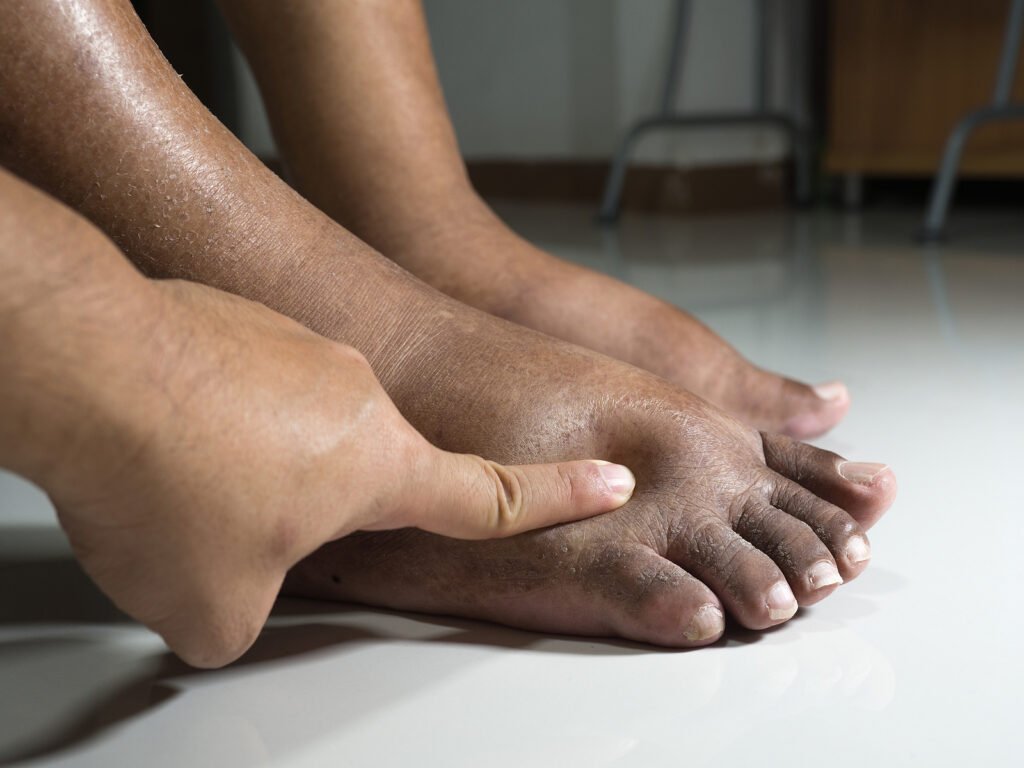
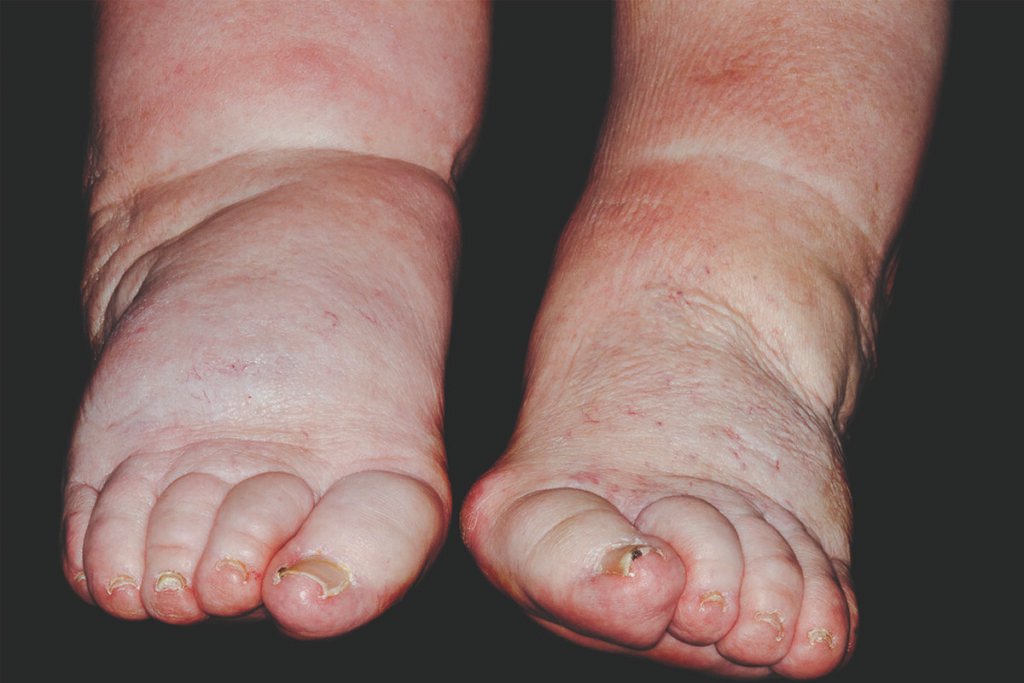
A thorough physical examination is crucial in assessing swollen feet or ankles. Start by inspecting the affected area, noting the extent and location of swelling. Look for signs of redness, warmth, or skin changes that may indicate an underlying infection or cellulitis. Palpate the feet and ankles to assess for tenderness, as this may indicate an injury or inflammation. Assessing for pitting edema, which occurs when pressure on the skin leaves an indentation, can help determine the severity of the swelling and assist in determining appropriate interventions. Lastly, assess the patient’s range of motion and motor function in the lower extremities to identify any impairments that may contribute to the swelling.
Review of Medications
Review the patient’s current medications to determine if any of them may be contributing to the swelling. Some medications, such as calcium channel blockers, nonsteroidal anti-inflammatory drugs (NSAIDs), or certain antidepressants, can cause fluid retention and peripheral edema. It is important to consult with the healthcare provider if any medications are suspected to be contributing to the swelling, as adjusting or discontinuing the medication may be necessary.
Causes
Fluid Retention
Fluid retention, also known as edema, occurs when excess fluid accumulates in the body’s tissues. It can be caused by various factors such as hormonal changes, high salt intake, or certain medical conditions like congestive heart failure or kidney disease. When the body retains fluid, it often manifests as swelling in the feet or ankles due to gravity pulling the fluid downwards. To address fluid retention, it is important to identify and manage the underlying cause.
Peripheral Edema
Peripheral edema refers to the swelling of the feet, ankles, legs, or hands. It can occur due to a variety of factors, including prolonged sitting or standing, venous insufficiency, or injury. Peripheral edema is often a result of poor circulation or fluid retention and should be assessed to identify the underlying cause and develop appropriate interventions.
Injury
Injury to the lower extremities, such as sprains, fractures, or trauma, can lead to swelling in the feet or ankles. The body responds to injury by increasing blood flow to the affected area, which can cause swelling. In these cases, it is essential to assess the injury, provide appropriate immobilization or support, and manage pain to promote healing and decrease swelling.
Venous Insufficiency
Venous insufficiency occurs when the veins in the legs are unable to efficiently return blood to the heart. This condition can result in swelling, as blood pools in the lower extremities. Venous insufficiency is often accompanied by other symptoms such as varicose veins, aching or heavy legs, and skin changes. Nursing interventions for venous insufficiency focus on improving venous return, promoting circulation, and preventing complications such as skin breakdown or ulcers.
Heart Failure
Heart failure occurs when the heart is unable to effectively pump blood to meet the body’s needs. This can lead to fluid retention and swelling in various parts of the body, including the feet and ankles. Patients with heart failure may also experience other symptoms such as shortness of breath, fatigue, and weight gain. Nursing care for patients with heart failure involves managing symptoms, promoting heart function, and educating patients on self-care strategies.
Infection
Infections in the lower extremities, such as cellulitis or a skin abscess, can cause localized swelling. The swelling is often accompanied by redness, warmth, and tenderness in the affected area. Prompt assessment and treatment of infections are essential to prevent their spread and promote healing.
Kidney or Liver Disease
Kidney or liver disease can lead to fluid retention and swelling in the feet or ankles. These conditions impair the body’s ability to properly filter and eliminate waste products, resulting in an accumulation of fluid. Managing the underlying kidney or liver disease, as well as implementing dietary modifications and medication management, are crucial in addressing the swelling associated with these conditions.
Medication Side Effects
Some medications, such as calcium channel blockers, NSAIDs, or antidepressants, can cause peripheral edema as a side effect. It is important to review the patient’s medication list and consult with the healthcare provider to determine if any medications are contributing to the swelling. Adjusting or discontinuing the medication may be necessary to alleviate the edema.
Complications
Discomfort and Pain
Swollen feet or ankles can cause discomfort and pain, affecting the patient’s overall quality of life. The increased pressure from the swelling can lead to feelings of heaviness, tightness, or aching in the affected area. Assessing and managing the patient’s pain is an important nursing intervention to promote comfort and enhance mobility.
Impaired Mobility
Swelling in the feet or ankles can limit a patient’s mobility and ability to perform daily activities. The increased size and weight of the swollen extremities may make it difficult to walk or maintain proper balance. Nursing interventions, such as providing assistive devices or implementing range of motion exercises, can help improve mobility and prevent potential complications associated with immobility.
Skin Breakdown
Prolonged swelling can lead to skin breakdown and ulceration. The constant pressure and moisture from the swelling can cause the skin to become fragile and prone to damage. It is important to assess the skin regularly, implement measures to maintain skin integrity, and provide appropriate wound care if breakdown occurs.
Impaired Wound Healing
Swelling can impair the body’s natural healing process, making it difficult for wounds or injuries to heal properly. The excess fluid can interfere with oxygen and nutrient delivery to the tissues, delaying the healing process. Assessing wounds, implementing appropriate wound care, and managing the underlying swelling are crucial to promote optimal wound healing.
Cellulitis
In some cases, swelling in the feet or ankles may be accompanied by cellulitis, which is a bacterial skin infection. Cellulitis presents with redness, warmth, and tenderness in the affected area and requires immediate medical attention. Assessing for signs of cellulitis, implementing appropriate antibiotic therapy, and promoting wound healing are essential nursing interventions to prevent the spread of infection.
Nursing Interventions
Elevating the Feet
Elevating the feet above the heart level can help reduce swelling by promoting venous return and decreasing fluid accumulation. Encourage the patient to elevate their feet whenever possible, especially during periods of prolonged sitting or standing. Providing support such as pillows or footrests can assist in maintaining proper elevation.
Compression Therapy
Compression therapy involves applying pressure to the affected area to reduce swelling and improve circulation. Compression stockings or bandages are commonly used to provide graduated pressure, with the highest pressure at the ankle and gradually decreasing towards the calf or thigh. Proper fitting and application of compression therapy are essential to achieve optimal results without compromising circulation.
Range of Motion Exercises
Encouraging and assisting the patient with range of motion exercises can help improve circulation, reduce stiffness, and prevent muscle atrophy. Perform exercises that involve flexion, extension, rotation, and abduction of the joints in the lower extremities. Range of motion exercises should be tailored to the patient’s abilities and performed regularly to promote optimal outcomes.
Maintaining Skin Integrity
Due to the increased risk of skin breakdown associated with swelling, it is crucial to implement measures to maintain skin integrity. Keep the skin clean and dry, apply moisturizers to prevent dryness and cracking, and avoid exposing the skin to excessive moisture. Regularly inspect the skin for signs of redness, blisters, or breakdown, and promptly address any abnormalities to prevent complications.
Administering Diuretics
Diuretics are medications that promote diuresis, or increased urine output, to reduce fluid retention. They may be prescribed for patients with underlying conditions such as heart failure or kidney disease to manage swelling. Follow the healthcare provider’s orders in administering diuretics, monitor the patient’s response to treatment, and educate them about potential side effects or complications.
Implementing Dietary Changes
In some cases, dietary modifications may be necessary to manage fluid retention. Encourage patients to limit their sodium intake, as sodium can contribute to fluid retention. Additionally, recommend a balanced diet that includes foods rich in potassium and magnesium, as these minerals can help regulate fluid balance in the body.
Monitoring Fluid Intake and Output
Monitoring a patient’s fluid intake and output is essential in assessing their hydration status and response to interventions. Encourage patients to maintain a fluid balance diary, noting the amount and type of fluids consumed as well as the frequency and volume of urination. This information can help identify any imbalances or changes that may require further intervention or medical evaluation.
Educating the Patient
Patient education plays a significant role in managing swollen feet or ankles. Provide comprehensive information about the underlying causes, risk factors, and self-care strategies. Teach the patient how to properly elevate their feet, apply compression therapy, perform range of motion exercises, and monitor for complications. Additionally, emphasize the importance of adhering to prescribed medications and dietary modifications. Ensure that the patient understands when to seek medical help and provide appropriate resources for further support or information.

Patient Education
Causes and Risk Factors
Educating patients about the causes and risk factors of swollen feet or ankles is crucial in empowering them to participate in their own care. Discuss the various factors that can contribute to swelling, such as fluid retention, injury, or underlying medical conditions. Explain how factors like prolonged sitting or standing, high sodium intake, and certain medications can increase the risk of developing swelling.
Self-care Strategies
Teach patients self-care strategies that can help manage swelling and prevent complications. Emphasize the importance of elevating the feet whenever possible, wearing compression stockings or bandages, and performing range of motion exercises regularly. Discuss the benefits of maintaining a balanced diet, limiting sodium intake, and staying hydrated. Encourage patients to practice good foot hygiene, wear supportive footwear, and avoid prolonged periods of sitting or standing.
Monitoring for Complications
Instruct patients on how to monitor for potential complications associated with swollen feet or ankles. Teach them how to inspect their skin for signs of redness, blistering, or breakdown. Instruct patients to promptly report any changes or abnormalities to their healthcare provider. Provide information about the signs and symptoms of infections, such as cellulitis, and stress the importance of seeking immediate medical attention if these symptoms occur.
When to Seek Medical Help
Educate patients on when to seek medical help for their swollen feet or ankles. Instruct them to contact their healthcare provider if the swelling worsens, is accompanied by severe pain or other concerning symptoms, or if conservative measures fail to improve the swelling. Provide clear instructions on whom to contact and how to access medical care in case of an emergency or urgent need.
Prevention
Regular Exercise
Regular exercise can help improve circulation, strengthen muscles, and maintain a healthy weight, reducing the risk of developing swollen feet or ankles. Encourage patients to engage in physical activities such as walking, swimming, or cycling, as recommended by their healthcare provider. Emphasize the importance of starting slowly and gradually increasing intensity to avoid injury.
Maintaining a Healthy Weight
Maintaining a healthy weight is important in preventing fluid retention and swelling. Excess body weight can put additional strain on the circulatory system, making it harder for blood to flow efficiently and increasing the risk of swelling. Encourage patients to follow a nutritious diet, engage in regular physical activity, and seek guidance from a healthcare provider or registered dietitian for weight management strategies.
Avoiding Prolonged Sitting or Standing
Prolonged sitting or standing can contribute to fluid accumulation in the lower extremities. Encourage patients to take breaks and change positions frequently to promote circulation. If a patient’s occupation or lifestyle requires prolonged sitting or standing, teach them strategies such as shifting weight, performing ankle pumps, or using supportive footwear or compression stockings.
Avoiding High Sodium Intake
High sodium intake can lead to fluid retention and exacerbate swelling. Instruct patients to limit their consumption of processed and packaged foods, as these often contain high amounts of sodium. Encourage them to choose fresh or minimally processed foods and use herbs and spices to flavor their meals instead of salt. Discuss the importance of reading food labels and selecting products with lower sodium content.
Wearing Supportive Footwear
Proper footwear plays a role in preventing and managing swollen feet or ankles. Advise patients to wear shoes that provide adequate support and cushioning. Ill-fitting or tight shoes can restrict blood flow and contribute to discomfort and swelling. Encourage patients to choose shoes with a wide toe box, good arch support, and low heels. Additionally, recommend avoiding high heels or shoes that are too tight around the ankle or calf.
Collaborative Care
Referring to a Specialist
In some cases, it may be necessary to refer the patient to a specialist for further evaluation and management. Depending on the underlying cause of the swelling, a referral to a cardiologist, nephrologist, vascular specialist, or orthopedic specialist may be warranted. Collaborate with the healthcare provider to determine when a referral is necessary and to facilitate a smooth transition of care.
Coordinating with Other Healthcare Professionals
Collaboration with other healthcare professionals is essential in providing comprehensive care for patients with swollen feet or ankles. Maintain open communication with primary care physicians, physical therapists, wound care specialists, and dietitians to ensure a multidisciplinary approach to patient care. Share relevant assessment findings, interventions implemented, and the patient’s response to treatment to facilitate continuity of care and optimize outcomes.
Managing Underlying Conditions
Managing underlying medical conditions is an important aspect of collaborative care. Conditions such as heart failure, kidney disease, or venous insufficiency require ongoing management to prevent or mitigate swelling. Collaborate with the healthcare team to monitor medication regimens, support dietary modifications, and assist with implementing self-care strategies. Regularly assess and manage symptoms to optimize the patient’s overall health and well-being.
Documentation
Accurate Assessment Findings
Accurate documentation of assessment findings is essential to communicate the patient’s condition, progress, and response to interventions. Record the patient’s medical history, including any relevant factors that may contribute to the swelling. Document the extent and location of the swelling, noting any associated symptoms such as redness or tenderness. Record any limitations in mobility, range of motion, or skin changes observed during the physical examination. Accurate and thorough documentation provides a basis for planning, implementing, and evaluating nursing care.
Interventions Implemented
Document the nursing interventions implemented to manage the patient’s swollen feet or ankles. Include details such as the elevation of the feet, the type and application of compression therapy, and the range of motion exercises performed. Note any diuretics administered, dietary modifications suggested, or patient education provided. Accurate documentation of interventions ensures continuity of care and facilitates collaboration among the healthcare team.
Patient Response and Progress
It is crucial to document the patient’s response to interventions and their progress throughout the treatment process. Record any changes in the extent or severity of the swelling, improvements in mobility, or resolution of associated symptoms such as pain or discomfort. Document any complications that arise, such as skin breakdown or infections, and the interventions implemented to address them. Regularly reassess and record the patient’s response to treatment to evaluate the effectiveness of nursing interventions and guide further care decisions.
Assistive Devices
Walker or Cane
Assistive devices such as walkers or canes may be necessary for patients with swollen feet or ankles, especially if mobility is impaired. Walkers provide stability and support for patients with balance issues or weakness, while canes can aid in weight-bearing and provide additional support during walking. Ensure that the assistive device is properly fitted, provide education on safe usage, and monitor the patient’s progress in adapting to their use.
Orthopedic Shoes
Orthopedic shoes are specially designed to provide support, stability, and proper alignment for the feet and ankles. They can help alleviate discomfort and reduce the risk of further injury or swelling. Refer patients to a podiatrist or orthopedic specialist for a proper fitting and recommendation of suitable orthopedic shoes. Educate patients on the benefits of wearing orthopedic shoes and emphasize the importance of wearing them consistently.
Compression Stockings
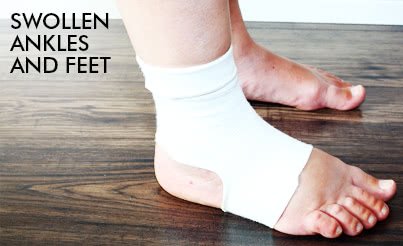
Compression stockings are commonly used to manage and prevent swelling in the feet or ankles. They apply pressure to the lower extremities, aiding in venous return and reducing fluid accumulation. Ensure that the compression stockings are properly fitted and provide the appropriate level of compression as prescribed by the healthcare provider. Educate patients on proper application and care of compression stockings, including how to remove and wash them to maintain their effectiveness.
Lymphedema Sleeves
Lymphedema sleeves are specialized garments designed to manage swelling caused by lymphatic system dysfunction. They provide external compression to facilitate lymphatic fluid drainage and reduce swelling. If a patient presents with lymphedema as a cause of their swollen feet or ankles, refer them to a lymphedema specialist for evaluation and appropriate fitting of lymphedema sleeves. Provide education on their use and care to ensure optimal outcomes.
Conclusion
When caring for patients with swollen feet or ankles, a comprehensive assessment, accurate documentation, and appropriate nursing interventions are essential. Understanding the underlying causes and risk factors can guide nursing care and facilitate effective patient education. By implementing strategies to address fluid retention, managing complications, and supporting patient self-care, nursing professionals can play a crucial role in promoting comfort, mobility, and overall well-being for individuals with swollen feet or ankles.