
Imagine you’re in a situation where a child is throwing a tantrum. It can be stressful and overwhelming, but as a nurse, understanding the appropriate nursing interventions is crucial. In this article, we will explore the nursing considerations and management techniques for handling temper tantrums. From maintaining a calm environment to employing distraction techniques, you will learn valuable strategies to support the child and their caregivers during these challenging moments. So, get ready to enhance your nursing skills and effectively manage temper tantrums!

Phase 1: Assessment and Observation
Assessing the child’s behavior
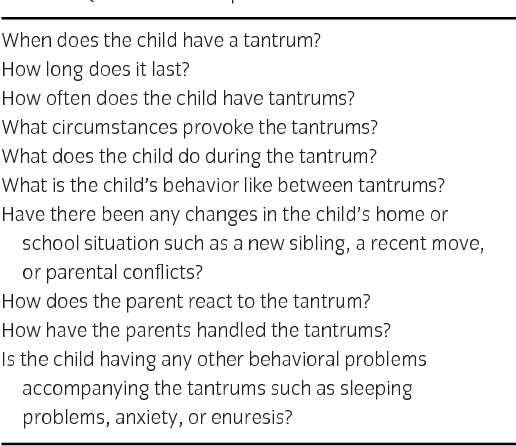
In the initial phase of managing temper tantrums, the assessment of the child’s behavior is crucial. This involves closely observing their actions, reactions, and emotional responses during tantrums. It is important to note the frequency, duration, and intensity of these tantrums, as well as any specific triggers that may be causing them. Understanding the contextual factors surrounding the tantrums will provide valuable insights into formulating an effective treatment plan.
Gathering information from the child and caretakers
To gain a comprehensive understanding of the child’s temper tantrums, it is essential to gather information from both the child and their caretakers. This can be done through interviews, questionnaires, or informal conversations. The child’s perspective is important in understanding their internal experiences, while the caretakers can provide valuable information about the child’s behavior patterns, previous challenges, and any techniques that have been effective in managing tantrums. Effective communication and collaboration with the caretakers will contribute to a more holistic approach to treatment.
Observing the triggers for temper tantrums
Observing the triggers for temper tantrums is a key component of understanding the factors that contribute to their occurrence. These triggers can vary from individual to individual but may include situations where the child feels overwhelmed, frustrated, or unsupported. By identifying patterns and specific triggers, interventions can be tailored to address the underlying causes of the tantrums, rather than simply responding to the outward behavior.
Evaluating the child’s developmental stage
Evaluating the child’s developmental stage is crucial in developing appropriate interventions and strategies. Temper tantrums can be a normal and expected part of a child’s development, particularly during the early years. Understanding the child’s cognitive, emotional, and social developmental milestones will help determine appropriate coping strategies and allow the healthcare provider to set realistic expectations for the child’s behavior. Different age groups may require different approaches, and evaluating the child’s developmental stage will ensure interventions are appropriately tailored to their individual needs.
Phase 2: Establishing Therapeutic Relationship
Building rapport with the child
Building a therapeutic relationship with the child is essential for the successful management of temper tantrums. This involves creating a warm and welcoming environment where the child feels safe and valued. Establishing a sense of trust, understanding, and mutual respect will contribute to a positive rapport. Nurses can achieve this through active listening, showing empathy, and engaging in activities that the child enjoys. Building a connection with the child will empower them to actively participate in their own treatment and make it easier to implement coping strategies effectively.
Creating a safe and supportive environment
Creating a safe and supportive environment is crucial to ensure the child feels secure and comfortable. This can be achieved by maintaining a calm and soothing atmosphere during interactions with the child. By removing any potential stressors or triggers from the immediate environment, such as loud noises or excessive stimulation, the child will be better equipped to manage their emotions. Ensuring adequate privacy and personal space for the child will also enhance their sense of security and promote a healthier emotional state.
Establishing trust and open communication with the child
Establishing trust and open communication with the child is vital in managing temper tantrums. It is important to create an environment where the child feels comfortable expressing their emotions and thoughts without fear of judgment. Nurses can actively listen to the child, validate their feelings, and provide age-appropriate explanations. Encouraging the child to share their experiences and concerns will help healthcare providers gain valuable insights into their emotional state and tailor interventions accordingly. This open line of communication will empower the child to actively participate in their treatment and foster a therapeutic relationship built on trust.

Phase 3: Development of Coping Strategies
Identifying the child’s coping mechanisms
Identifying the child’s existing coping mechanisms is an important step in managing temper tantrums effectively. Each child may have unique ways of dealing with their emotions, and understanding these strategies will help healthcare providers build upon the child’s strengths. By recognizing and acknowledging the child’s current coping mechanisms, nurses can incorporate them into the treatment plan and help the child develop new, healthier strategies.
Teaching the child alternative strategies for managing emotions
Teaching the child alternative strategies for managing emotions is a critical aspect of coping strategy development. This can be achieved through various techniques, such as cognitive-behavioral therapy, relaxation exercises, or mindfulness techniques. Nurses can educate the child about deep breathing, positive self-talk, or engaging in calming activities, such as drawing or listening to music. By providing the child with a range of alternative strategies, they can learn to identify and regulate their emotions in a more constructive manner.
Encouraging expression of emotions through art or play therapy
Encouraging the expression of emotions through art or play therapy can be an effective therapeutic approach when managing temper tantrums. By engaging in art or play activities, children can express their emotions in a non-verbal manner, allowing for a deeper exploration of their feelings. Nurses can provide age-appropriate materials and guidance to facilitate this expressive process. Through creative outlets, children can gain a better understanding of their emotions and develop healthier ways to cope with them.
Phase 4: Behavior Modification Techniques
Implementing positive reinforcement
Implementing positive reinforcement techniques is an effective way to modify behavior during temper tantrums. This involves providing praise and rewards for desired behaviors. By acknowledging and reinforcing the child’s positive actions, such as using appropriate communication or calming themselves down, nurses can encourage healthier responses to frustration or anger. This positive reinforcement helps to build the child’s self-esteem, reinforces the effectiveness of the coping strategies, and motivates them to continue utilizing these behaviors.
Establishing clear and consistent boundaries
Establishing clear and consistent boundaries is crucial when managing temper tantrums. Children thrive in structured environments, and consistent expectations contribute to their overall sense of security. Nurses can help establish and communicate clear boundaries to the child, such as appropriate ways to express frustration or negotiate desires. By consistently enforcing these boundaries, children learn to understand and respect limits, promoting more adaptive behaviors and reducing the frequency and intensity of temper tantrums.
Utilizing time-outs or quiet spaces for the child to calm down
Utilizing time-outs or quiet spaces can be an effective technique for enabling the child to calm down during tantrums. This involves providing a designated area where the child can go to regain control and regulate their emotions. Nurses can work with the child and their caretakers to establish a safe and comfortable time-out space, ensuring it is free from distractions and providing calming materials, such as soft toys or sensory tools. Time-outs offer the child an opportunity to self-soothe and reflect on their behavior, promoting emotional regulation and preventing escalation of tantrums.

Phase 5: Collaborative Treatment Planning
Involving the child’s family and caregivers in the treatment plan
Involving the child’s family and caregivers in the treatment plan is essential for successful management of temper tantrums. Family members play a significant role in a child’s life and can offer valuable insights into the child’s behavior patterns and triggers. By actively including the family and caregivers in the treatment planning process, nurses can foster collaboration and ensure a holistic approach to care. Family members can contribute by providing information about the child’s routines, home environment, and any specific challenges they face in managing tantrums. This collaboration promotes consistency in care and reinforces the use of coping strategies across different settings.
Educating the family about temper tantrums and appropriate responses
Educating the family about temper tantrums and appropriate responses is crucial in supporting the child during tantrum episodes. By providing psychoeducation, nurses can empower the family to understand the underlying causes of tantrums and recognize their role in managing them effectively. Education may include information about age-appropriate expectations, the importance of setting limits, and strategies for responding calmly and positively during tantrums. By fostering a shared understanding, nurses can enhance the family’s ability to navigate tantrums and promote the child’s overall emotional well-being.
Providing resources and referrals for additional support
Providing resources and referrals for additional support is essential in ensuring the child and family receive comprehensive care. Nurses can offer information on local support groups, parenting programs, or counseling services that specialize in childhood behavior management. These additional resources can provide valuable guidance and emotional support to the family, enhancing their capacity to manage temper tantrums in the long term. By connecting the family with appropriate services, nurses contribute to the child’s holistic well-being and help build a strong support network.
Phase 6: Medication Management
Consulting with healthcare providers regarding potential medication interventions
In some cases, medication interventions may be necessary to manage temper tantrums in children. Nurses play a vital role in collaborating with healthcare providers, such as pediatricians or child psychiatrists, to determine the need for and appropriateness of medication. This collaboration involves thorough assessments, monitoring of symptoms, and discussions of potential risks and benefits. By actively engaging in this process, nurses ensure the child’s overall well-being is prioritized, and that medication interventions are used judiciously and in conjunction with other therapeutic approaches.
Administering medications as prescribed by the healthcare team
If medication is deemed appropriate and prescribed by the healthcare team, nurses play a crucial role in administering and monitoring its effects. This involves ensuring accurate dosage, providing education to the child and their family about potential side effects, and closely monitoring the child’s response to the medication. Nurses must be vigilant in documenting and reporting any observed changes or adverse reactions to the healthcare team. By actively participating in medication management, nurses contribute to the child’s overall safety and well-being.
Monitoring and documenting the effects of medications on the child
Monitoring and documenting the effects of medications on the child is essential to track their therapeutic progress and assess any potential side effects. Nurses must observe the child’s behavior, emotional state, and overall well-being after medication administration. By maintaining thorough and accurate documentation, nurses provide valuable information to the healthcare team, allowing for informed decision-making and appropriate adjustments to the treatment plan. Regular monitoring ensures the child receives optimal care and that any necessary modifications are made in a timely manner.

Phase 7: Crisis Intervention
Identifying signs of escalation or imminent danger
During the management of temper tantrums, it is important for nurses to be able to identify signs of escalation or imminent danger. These signs may include physical aggression towards self or others, intense emotional distress, or loss of control. By closely monitoring the child’s behavior and emotional state, nurses can intervene promptly to ensure the safety of the child and those around them. Recognizing warning signs enables nurses to implement appropriate strategies and de-escalation techniques effectively.
Implementing de-escalation techniques and safety plans
Implementing de-escalation techniques and safety plans is essential in crisis intervention. Nurses can utilize various strategies, such as verbal redirection, deep breathing exercises, or physical distance, to help calm the child during a tantrum. It is important to prioritize the safety of all individuals involved by creating a safe space and removing any immediate hazards. Nurses may collaborate with other healthcare professionals, such as psychologists or social workers, to develop safety plans tailored to the child’s specific needs, ensuring everyone is prepared to respond to future episodes in a safe and effective manner.
Collaborating with other healthcare professionals if necessary
Collaboration with other healthcare professionals may be necessary during crisis intervention. Nurses should be prepared to engage in multidisciplinary teamwork, seeking input and guidance from psychologists, psychiatrists, or counselors who specialize in child behavior management. Through collaborative efforts, healthcare providers can ensure a comprehensive approach is taken, addressing the medical, psychological, and social aspects of the child’s well-being. Coordinated care contributes to more effective crisis intervention and promotes the child’s overall emotional stability and growth.
Phase 8: Evaluation and Progress Monitoring
Evaluating the effectiveness of nursing interventions
Regular evaluation of nursing interventions is crucial to determine their effectiveness in managing temper tantrums. Nurses should assess whether the implemented strategies and approaches have positively impacted the child’s behavior and emotional well-being. Through ongoing assessment and reflection, nurses can identify areas of strength and areas that require modification in the treatment plan. Evaluation serves as a basis for continuous improvement and ensures that interventions remain aligned with the child’s evolving needs.
Assessing the child’s progress in managing temper tantrums
Assessing the child’s progress in managing temper tantrums is a fundamental part of the nursing process. Nurses should closely monitor the child’s behavior, frequency, duration, and intensity of tantrums over time. By comparing current data with baseline measurements, nurses can objectively assess the child’s progress. Regular communication with the child, their family, and other healthcare professionals involved in the child’s care can provide additional insight into the child’s progress and inform any necessary adjustments to the treatment plan.
Modifying the treatment plan as needed
Based on the evaluation and assessment of the child’s progress, nurses may need to modify the treatment plan to ensure continued success in managing temper tantrums. This may involve refining existing strategies, introducing new coping mechanisms, or adjusting medication dosages. Nurses should collaborate with the child, their family, and the healthcare team to make informed decisions about appropriate modifications to the treatment plan. Ongoing communication and flexibility are key in providing the best possible care for the child and supporting their long-term emotional well-being.
Phase 9: Education and Support
Providing education to the child and family about temper tantrums
Education plays a vital role in managing temper tantrums, as it empowers both the child and their family with knowledge and understanding. Nurses can provide age-appropriate information about temper tantrums, explaining that they are a normal part of child development and that there are appropriate ways to express and manage emotions. By offering psychoeducation, nurses enable the child and their family to recognize and respond to tantrums in a constructive manner, fostering healthier emotional regulation skills.
Teaching coping skills and emotion regulation techniques
Teaching coping skills and emotion regulation techniques is a key component of managing temper tantrums. Nurses can provide the child and their family with practical strategies to help regulate emotions, such as deep breathing, counting to ten, or engaging in physical activities. By teaching these coping skills, nurses equip the child with the tools they need to navigate difficult emotions and respond to triggers in a healthier way. Regular practice and reinforcement of these skills enable the child to develop resilience and emotional intelligence.
Offering emotional support and counseling as needed
Emotional support and counseling can be essential for both the child and their family in managing temper tantrums. Nurses can provide a safe space for open and honest conversations, allowing the child and family members to express their frustrations and concerns. Through active listening and validation, nurses can offer emotional support and guidance, reaffirming that they are not alone in their journey. In some cases, referral to professional counselors or psychologists may be necessary to address deeper emotional challenges. By providing ongoing support, nurses contribute to the overall emotional well-being and resilience of the child and their family.
Phase 10: Follow-up Care
Scheduling follow-up appointments and monitoring the child’s ongoing progress
Scheduling regular follow-up appointments is essential to monitor the child’s ongoing progress in managing temper tantrums. Nurses should collaborate with the healthcare team to ensure that appropriate intervals for follow-up visits are scheduled. These appointments provide an opportunity to evaluate the effectiveness of the treatment plan, assess any modifications made, and address any new concerns or challenges. Regular monitoring ensures that the child’s progress is tracked closely, and any necessary adjustments can be made in a timely manner.
Providing additional resources and referrals if necessary
If additional support is required, nurses should provide the child and their family with access to additional resources and referrals. These may include parenting programs, support groups, or specialized counseling services. By expanding the available support network, nurses empower the child and their family with the tools they need to navigate and manage temper tantrums successfully. Access to additional resources ensures that the child and family receive comprehensive care beyond the direct healthcare setting.
Continuing to support the child and family in managing temper tantrums
In conclusion, managing temper tantrums requires a comprehensive approach that encompasses assessment and observation, establishing a therapeutic relationship, developing coping strategies, behavior modification techniques, collaborative treatment planning, medication management, crisis intervention, evaluation and progress monitoring, education and support, as well as follow-up care. Effective nursing interventions focus on understanding the child’s unique needs, building rapport, and empowering the child and their family with skills and resources for managing temper tantrums. Through continued support and guidance, nurses play a vital role in promoting the child’s emotional well-being and overall development.