
Are you a nurse looking for important considerations and management strategies when it comes to viral gastroenteritis? Look no further! In this article, we will provide you with ten crucial nursing considerations that will help you navigate the challenges of treating patients with this highly contagious and uncomfortable condition. From understanding the common symptoms to implementing effective infection control measures, we’ve got you covered. So read on to enhance your knowledge and provide the best possible care for your patients with viral gastroenteritis.

1. Understanding Viral Gastroenteritis
Viral gastroenteritis, also known as the stomach flu, is a common illness that affects the gastrointestinal tract. It is caused by various viruses, including rotavirus, norovirus, adenovirus, and astrovirus. Understanding the epidemiology and prevalence of viral gastroenteritis is crucial in providing effective nursing care.
Epidemiology and prevalence
Viral gastroenteritis is a highly contagious illness that can affect people of all ages. It is most commonly seen in children, the elderly, and individuals with weakened immune systems. Outbreaks often occur in close-contact environments such as daycare centers, schools, nursing homes, and cruise ships. It is estimated that there are millions of cases of viral gastroenteritis worldwide each year.
Pathophysiology and etiology
Viral gastroenteritis occurs when a person ingests contaminated food or water or comes into contact with an infected person. The virus then replicates in the gastrointestinal tract, leading to inflammation and damage to the lining of the stomach and intestines. The common symptoms of viral gastroenteritis include nausea, vomiting, diarrhea, abdominal pain, and fever.
Clinical manifestations
The clinical manifestations of viral gastroenteritis can vary depending on the specific virus involved. However, common symptoms include sudden onset of vomiting and diarrhea, dehydration, abdominal cramps, and low-grade fever. It is important for nurses to be able to recognize these symptoms and assess the severity of the illness in order to provide appropriate care.
2. Infection Control Measures
Infection control measures play a vital role in preventing the spread of viral gastroenteritis. As a nurse, it is essential to be well-versed in these measures to protect both patients and healthcare workers.
Hand hygiene
Proper hand hygiene is the most effective way to prevent the transmission of viral gastroenteritis. Nurses should educate patients, visitors, and colleagues on the importance of handwashing with soap and water for at least 20 seconds or using alcohol-based hand sanitizers. It is important to perform hand hygiene before and after patient contact, after using the restroom, and before preparing or consuming food.
Respiratory hygiene and cough etiquette
Respiratory hygiene and cough etiquette are essential in preventing the spread of viral gastroenteritis through respiratory droplets. Nurses should encourage patients and visitors to cover their mouth and nose with a tissue or their elbow when coughing or sneezing. Proper disposal of tissues and regular disinfection of surfaces is also important.
Isolation precautions
In healthcare settings, isolation precautions are necessary to prevent the spread of viral gastroenteritis. Standard precautions, including wearing gloves and gowns, should be followed when in contact with bodily fluids or contaminated surfaces. In addition, contact precautions may be necessary if the patient has severe diarrhea or if there is a known norovirus outbreak.

3. Assessment and Diagnosis
Accurate assessment and diagnosis of viral gastroenteritis are essential for providing appropriate care and treatment. Nurses play a crucial role in gathering information and performing physical assessments.
History taking and physical examination
During the history-taking process, nurses should collect information about the patient’s symptoms, including the onset and duration of vomiting and diarrhea, presence of fever, and any recent exposure to individuals with similar symptoms. Physical examination should focus on signs of dehydration, such as dry mucous membranes, decreased skin turgor, and decreased urine output.
Laboratory and diagnostic tests
Laboratory and diagnostic tests are not usually necessary for the diagnosis of viral gastroenteritis. However, in severe cases or cases where complications are suspected, stool samples may be collected to identify the specific virus causing the infection.
Differential diagnosis
The differential diagnosis of viral gastroenteritis includes bacterial gastroenteritis, food poisoning, and other gastrointestinal conditions. Nurses should consider the patient’s symptoms, history, and physical examination findings to differentiate viral gastroenteritis from other possible causes.
4. Fluid and Electrolyte Management
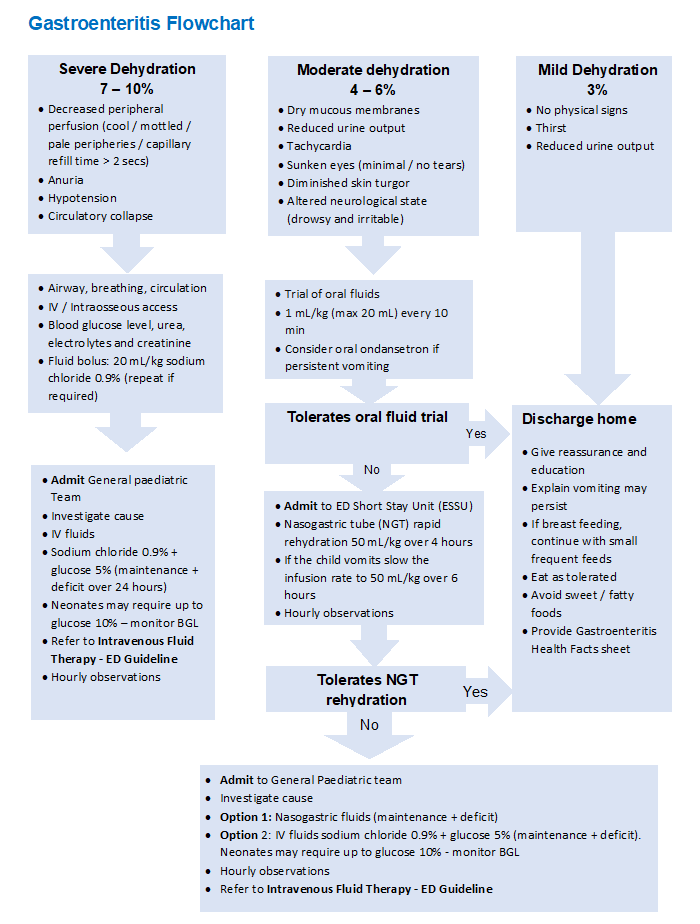
Managing fluid and electrolyte balances is a fundamental part of caring for patients with viral gastroenteritis. Dehydration is a common complication that can lead to serious health consequences if not addressed promptly.
Assessing hydration status
Assessing hydration status is crucial to determine the severity of dehydration. Nurses should closely monitor the patient’s urine output, vital signs, skin turgor, mucous membrane moisture, and mental status. These assessments can help identify the need for fluid replacement.
Oral rehydration therapy
Oral rehydration therapy is the preferred method for treating mild to moderate dehydration in patients with viral gastroenteritis. Solutions containing a balance of water, electrolytes, and glucose can be given orally to replace the fluids and electrolytes lost through vomiting and diarrhea. Nurses should educate patients and caregivers on the importance of oral rehydration and provide clear instructions on how to administer the solutions.
Intravenous fluid therapy
In severe cases of dehydration or in patients who are unable to tolerate oral fluids, intravenous fluid therapy may be necessary. Nurses should closely monitor the patient’s fluid intake and output, electrolyte levels, and vital signs during intravenous fluid administration. Close monitoring is essential to prevent fluid overload or other complications.
5. Nutritional Support
Maintaining adequate nutrition is crucial for patients with viral gastroenteritis. However, the loss of appetite, nausea, and vomiting can make it challenging to meet nutritional needs.
Maintaining adequate nutrition
Nurses should encourage patients to eat small, frequent meals that are low in fat and high in carbohydrates and protein. It is important to provide a variety of easily digestible foods that are well-tolerated by the patient. This may include foods such as toast, crackers, bananas, rice, and boiled potatoes.
Dietary modifications
In some cases, dietary modifications may be necessary to manage the symptoms of viral gastroenteritis. For example, patients with severe diarrhea may benefit from a low-fiber diet to reduce bowel movements. Nurses should work closely with dieticians to develop individualized dietary plans based on the patient’s symptoms and nutritional needs.
Enteral feeding
In severe cases where oral intake is not possible, enteral feeding may be considered. Enteral feeding involves the administration of liquid nutrition through a feeding tube directly into the stomach or small intestine. Nurses should closely monitor the patient’s tolerance to enteral feeding and ensure proper placement and function of the feeding tube.
6. Medications and Symptom Management
Medications and symptom management play a crucial role in relieving the uncomfortable symptoms associated with viral gastroenteritis.
Antiemetic agents
Antiemetic agents, such as ondansetron, can help reduce nausea and vomiting in patients with viral gastroenteritis. Nurses should closely monitor the patient’s response to antiemetic therapy and report any adverse reactions to the healthcare provider.
Antidiarrheal agents
Antidiarrheal agents, such as loperamide, can help reduce the frequency and volume of diarrhea in patients with viral gastroenteritis. However, they should be used with caution and under the guidance of a healthcare provider, as they can prolong the duration of infection. Nurses should educate patients on the proper use of antidiarrheal agents and the importance of rehydration.
Antipyretic medications
Fever is a common symptom of viral gastroenteritis. Antipyretic medications, such as acetaminophen, can help reduce fever and alleviate discomfort. Nurses should closely monitor the patient’s temperature and administer antipyretic medications as prescribed by the healthcare provider.

7. Patient Education and Discharge Planning
Patient education and discharge planning are essential components of nursing care for viral gastroenteritis. Providing patients with the necessary knowledge and resources can help prevent future infections and facilitate a smooth transition from the healthcare setting to home.
Prevention strategies
Nurses should educate patients and caregivers on effective prevention strategies, including thorough hand hygiene, proper food handling and preparation, and avoiding close contact with individuals who have symptoms of viral gastroenteritis. It is important to stress the importance of vaccination, especially for high-risk populations such as young children and the elderly.
Self-care measures
Nurses should provide patients with self-care measures to manage the symptoms of viral gastroenteritis at home. This may include guidance on fluid and electrolyte replacement, dietary modifications, and medication management. Patients should be encouraged to seek medical attention if their symptoms worsen or if they develop complications.
Follow-up instructions
Before discharge, nurses should provide patients with clear follow-up instructions. This may include scheduling a follow-up visit with their primary care provider or providing contact information for the healthcare facility in case of any questions or concerns. Nurses should also ensure that patients understand the signs and symptoms that may require immediate medical attention.
8. Psychological Support
Viral gastroenteritis can be a distressing experience for patients, as the symptoms can be uncomfortable and disruptive to daily life. Providing psychological support is an important aspect of nursing care.
Assessing anxiety or distress
Nurses should assess patients for signs of anxiety or distress related to their illness. This may include feelings of worry, fear, or frustration. Validating the patient’s emotions and providing a supportive environment can help alleviate anxiety and distress.
Providing emotional support
Nurses should provide emotional support by actively listening to the patient’s concerns and empathizing with their experience. Assuring patients that viral gastroenteritis is a common illness that can be effectively managed can help alleviate fear and uncertainty.
Referring to mental health services
In some cases, the psychological impact of viral gastroenteritis may require referral to mental health services. Nurses should be aware of local resources and be prepared to provide appropriate referrals if necessary. Collaborating with social workers or psychologists can help ensure that patients receive the necessary support.
9. Collaborative Care and Interdisciplinary Communication
Collaborative care and interdisciplinary communication are vital components of nursing management for viral gastroenteritis. Working as part of a healthcare team ensures coordination of care and improves patient outcomes.
Consulting with medical team
Nurses should collaborate with the medical team to ensure a comprehensive approach to care. This may include consulting with physicians, infectious disease specialists, and other healthcare professionals involved in the patient’s treatment. Nurses should provide timely and accurate information to facilitate decision-making and treatment planning.
Collaborating with dieticians
Collaborating with dieticians is essential in developing individualized dietary plans for patients with viral gastroenteritis. Dieticians can provide expertise in nutritional assessment, planning, and implementation. Nurses should communicate patient needs and progress to dieticians and work together to optimize nutrition.
Communicating with other healthcare professionals
Good communication with other healthcare professionals is essential for the continuity of care. Nurses should ensure that relevant information, such as changes in the patient’s condition or treatment plan, is shared with the appropriate individuals. Effective communication can help prevent errors, ensure timely interventions, and promote seamless transitions of care.
10. Documentation and Reporting
Accurate and timely documentation and reporting are essential aspects of nursing care for viral gastroenteritis. Proper documentation ensures continuity of care, assists in decision-making, and provides a legal record of the patient’s condition and treatment.
Accurate and timely documentation
Nurses should document all assessments, interventions, and patient responses accurately and in a timely manner. This includes documenting vital signs, fluid intake and output, medication administration, nutritional intake, and any changes in the patient’s condition. Accurate documentation is crucial for monitoring progress, evaluating interventions, and communicating with other healthcare professionals.
Reporting to infection control department
Nurses should report cases of viral gastroenteritis to the infection control department or designated authorities within their healthcare facility. This helps track and monitor outbreaks, implement appropriate infection control measures, and ensure the safety of patients and healthcare workers.
Legal and ethical considerations
Nurses should be aware of the legal and ethical considerations associated with the care of patients with viral gastroenteritis. This includes respecting patient confidentiality, obtaining informed consent for procedures or treatments, and adhering to professional standards and guidelines. Nurses should also be familiar with their facility’s policies and procedures regarding infectious diseases and follow them accordingly.
In conclusion, nursing considerations for viral gastroenteritis encompass a wide range of responsibilities. From understanding the epidemiology and prevalence of the illness to providing comprehensive care, nurses play a crucial role in the management of viral gastroenteritis. By implementing infection control measures, assessing and diagnosing the illness accurately, managing fluid and electrolyte balances, providing nutritional support, managing symptoms, offering patient education and discharge planning, providing psychological support, collaborating with other healthcare professionals, and documenting and reporting effectively, nurses can ensure that patients receive the best possible care and support in their recovery from viral gastroenteritis.