
Are you a nurse looking for essential information on managing the Zoster-Herpes Virus? Look no further! In this article, we will discuss important nursing considerations and management strategies for patients with this viral infection. From understanding the symptoms and risk factors, to implementing effective treatment plans, we’ve got you covered. So read on to enhance your knowledge and provide the best care for your patients.
Prevention
Vaccination
Vaccination is a crucial step in the prevention of zoster-herpes virus. The most effective vaccine available is the herpes zoster vaccine, also known as the shingles vaccine. This vaccine has been shown to significantly reduce the risk of developing shingles and the complications associated with it. It is recommended for individuals aged 50 and older, regardless of whether they have had chickenpox or shingles before. The vaccine is administered as a single dose and provides long-lasting protection against the virus.
Health education
Health education plays a vital role in preventing the spread of zoster-herpes virus. It is essential to educate individuals about the importance of vaccination, the signs and symptoms of shingles, and the necessary precautions to take. By raising awareness about the virus, people can take appropriate measures to protect themselves and others. Education should emphasize the importance of maintaining good personal hygiene, avoiding close contact with individuals who have shingles, and seeking medical attention promptly if symptoms develop.
Infection control measures
Implementing infection control measures is crucial in preventing the transmission of zoster-herpes virus. Healthcare settings should have robust infection control protocols in place to minimize the risk of transmission to patients, staff, and visitors. This includes strict hand hygiene practices, wearing appropriate personal protective equipment, and maintaining a clean and sanitized environment. Additionally, individuals with shingles should be advised to cover their lesions with a clean, dry bandage to prevent the spread of the virus through direct contact.
Assessment
Health history
Obtaining a detailed health history is an essential step in the assessment of zoster-herpes virus. The nurse should ask about any previous history of chickenpox or shingles, as well as any known exposure to individuals with the virus. It is also crucial to assess for any underlying medical conditions, such as immunocompromised status or pregnancy, as these factors can impact the severity and management of the infection. Additionally, the nurse should inquire about the patient’s current symptoms and their duration, as this information will help guide further diagnostic testing and treatment decisions.
Physical examination
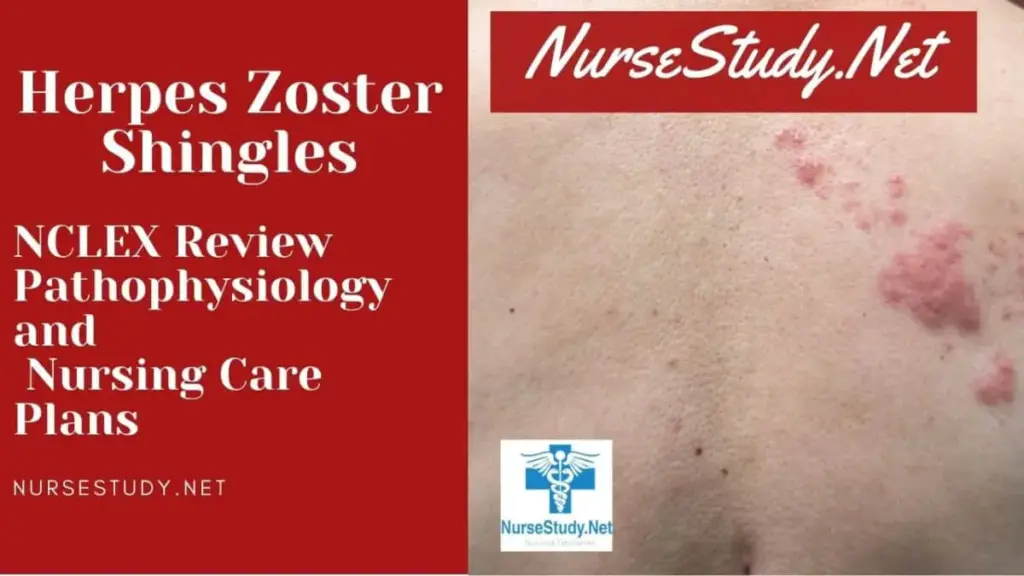
A thorough physical examination is necessary to assess the extent and severity of the zoster-herpes virus infection. The nurse should carefully examine the skin for the presence of characteristic lesions, which typically appear as a painful, blistering rash in a unilateral distribution. The examination should also include an assessment of the patient’s vital signs, especially if there are concerns about systemic involvement or complications. Additionally, a neurological examination may be necessary to evaluate for any signs of neurological complications associated with the virus.
Disease severity
Determining the severity of the zoster-herpes virus infection is crucial for appropriate treatment and management. The nurse should assess the patient’s overall clinical picture, taking into account factors such as the number and distribution of lesions, the presence of systemic symptoms, and the severity of pain. This information will guide decisions regarding antiviral therapy, pain management, and supportive care. Additionally, assessing disease severity helps in identifying any potential complications that may require further intervention or specialist consultation.
Diagnostic Procedures
Laboratory tests
Laboratory tests are often employed to confirm the diagnosis of zoster-herpes virus and rule out other possible causes of similar symptoms. Blood tests can detect the presence of the varicella-zoster virus antibodies, indicating a recent or previous infection. Additionally, polymerase chain reaction (PCR) testing can identify the virus in skin lesions or other body fluids, providing a definitive diagnosis. While laboratory tests may not always be necessary in straightforward cases, they can be valuable in situations where the diagnosis is uncertain or when confirming the infection is critical for guiding treatment decisions.
Viral culture or polymerase chain reaction (PCR)
Viral culture or PCR testing involves collecting a sample from a skin lesion and analyzing it in a laboratory setting. This test can detect the presence of the varicella-zoster virus and differentiate it from other viruses with similar symptoms. Viral culture involves placing the sample on a specialized medium that supports viral growth, while PCR testing amplifies the virus’s genetic material for detection. These tests can confirm the diagnosis, especially in cases where the clinical presentation is atypical or when laboratory confirmation is crucial for appropriate management.
Tzanck smear
A Tzanck smear is a simple and rapid test that can help in the diagnosis of zoster-herpes virus. The nurse collects a sample from a skin lesion by gently scraping off the top layer of cells. The sample is then examined under a microscope to identify characteristic changes, such as multinucleated giant cells. While a Tzanck smear alone cannot definitively diagnose the infection, it can provide supportive evidence of a viral etiology. This test is particularly useful in settings where more advanced laboratory testing may not be readily available.
Pain Management
Analgesics
Pain management is a crucial aspect of caring for individuals with zoster-herpes virus. The nurse can administer analgesic medications to help alleviate the pain associated with the infection. Nonsteroidal anti-inflammatory drugs (NSAIDs), such as ibuprofen or naproxen, can help reduce inflammation and provide pain relief. Additionally, opioids may be necessary for severe or refractory pain. It is important to assess the patient’s pain regularly and adjust the medication regimen as needed to ensure optimal pain control while minimizing the risk of adverse effects.
Topical agents
Applying topical agents can provide localized pain relief for individuals with zoster-herpes virus. Over-the-counter creams or ointments containing capsaicin, lidocaine, or benzocaine can help numb the skin and alleviate discomfort. These topical agents should be applied directly to the affected area and can be reapplied as needed for continued pain relief. It is essential to educate patients on the proper use of topical agents and potential side effects, such as skin irritation or allergic reactions, to ensure safe and effective pain management.
Nerve block
In cases of severe pain that is not adequately controlled with medication or topical agents, a nerve block may be considered. A nerve block involves injecting a local anesthetic, such as lidocaine or bupivacaine, near the affected nerve to block pain sensation. This procedure can provide more targeted pain relief and may be performed by a healthcare provider with expertise in nerve blocks, such as an anesthesiologist or pain management specialist. It is important to weigh the potential risks and benefits of a nerve block, considering each patient’s individual circumstances and preferences.

Antiviral Therapy
Acyclovir
Antiviral therapy is a cornerstone of treatment for zoster-herpes virus. Acyclovir is one of the most commonly prescribed antiviral medications for this infection. It works by inhibiting the replication of the varicella-zoster virus and reducing the severity and duration of symptoms. Acyclovir can be administered orally, topically, or intravenously, depending on the severity and location of the infection. The nurse should closely monitor the patient for any potential adverse effects, such as gastrointestinal upset or renal impairment, and ensure appropriate dosing and administration.
Valacyclovir
Valacyclovir is another antiviral medication commonly used in the treatment of zoster-herpes virus. It is a prodrug of acyclovir, which means it is converted to acyclovir in the body and has similar antiviral properties. Valacyclovir is typically administered orally and offers the advantage of decreased dosing frequency compared to acyclovir. Like acyclovir, valacyclovir can help reduce the severity and duration of symptoms and decrease the risk of complications. The nurse should review the patient’s medical history and assess for any contraindications or potential drug interactions before initiating valacyclovir therapy.
Famciclovir
Famciclovir is another antiviral agent that can be used to treat zoster-herpes virus. Similar to acyclovir and valacyclovir, famciclovir works by inhibiting viral replication and reducing the symptoms of infection. It is typically administered orally and offers the convenience of a once-daily dosing regimen. Famciclovir is well-tolerated by most patients, but the nurse should monitor for potential side effects, such as headache, nausea, or rash. It is important to educate patients on the importance of completing the full course of antiviral therapy to ensure optimal treatment outcomes.
Supportive Care
Wound care
Proper wound care is essential in managing zoster-herpes virus infections. The nurse should educate patients on the importance of keeping the affected area clean and dry. Gentle cleansing with mild soap and water followed by thorough drying can help prevent secondary infection and promote healing. It is important to avoid excessive scrubbing or picking at the lesions, as this can increase the risk of complications and scarring. Additionally, the nurse may recommend the use of non-adherent dressings or bandages to protect the lesions and prevent further irritation.
Preventing secondary infection
Preventing secondary infection is a key component of supportive care for individuals with zoster-herpes virus. The nurse should educate patients on proper hand hygiene practices and the importance of avoiding scratching or touching the lesions. Additionally, it is crucial to advise patients against sharing personal items, such as towels or clothing, as this can contribute to the spread of infection. If signs of secondary infection, such as increased redness, swelling, or pus, develop, prompt medical attention should be sought to initiate appropriate treatment.
Symptom relief
Supportive care aims to provide symptom relief for individuals with zoster-herpes virus. The nurse can recommend measures such as cool compresses or oatmeal baths to alleviate itching and discomfort associated with the rash. Over-the-counter antihistamines, such as diphenhydramine, can also help relieve itching and promote sleep. Additionally, the nurse should encourage patients to stay well-hydrated and maintain a balanced diet to support overall healing and recovery. Adequate rest and relaxation are also important to promote the body’s natural healing processes.
Psychosocial Support
Emotional counseling
Emotional counseling is an essential aspect of care for individuals with zoster-herpes virus. The nurse can provide emotional support and reassurance to help patients cope with the physical and emotional impact of the infection. It is normal for patients to experience feelings of anxiety, frustration, or depression during this time, and providing a supportive ear and empathetic presence can make a significant difference. The nurse should encourage open communication and provide appropriate referrals to mental health professionals if needed.
Education and reassurance
Education and reassurance play a vital role in supporting individuals with zoster-herpes virus. The nurse should provide clear and accurate information about the infection, its treatment, and expected outcomes. Addressing any questions or concerns the patient may have can help alleviate anxiety and foster a sense of empowerment. Reassuring patients that zoster-herpes virus is a self-limiting infection and that most individuals make a full recovery can provide much-needed comfort during this challenging time.
Support groups
Connecting patients with support groups can be immensely beneficial for individuals with zoster-herpes virus. Support groups provide an opportunity for individuals to share their experiences, seek advice, and find solace in the company of others who have gone through similar situations. The nurse can provide information about local or online support groups and encourage patients to consider joining. This connection can foster a sense of community and help individuals feel less isolated during their recovery.
Complication Management
Postherpetic neuralgia
Postherpetic neuralgia is a common complication of zoster-herpes virus that can cause persistent, debilitating pain even after the rash has healed. The nurse should closely monitor patients for any signs of postherpetic neuralgia and initiate appropriate management strategies. This may include the use of medications such as tricyclic antidepressants, anticonvulsants, or opioids to help manage the pain. Additionally, modalities such as transcutaneous electrical nerve stimulation (TENS) or nerve blocks may be considered to provide pain relief.
Ophthalmic complications
Zoster-herpes virus can affect the eye, leading to potentially serious ophthalmic complications. The nurse should be vigilant for any signs of eye involvement, such as redness, pain, or changes in vision. Prompt referral to an ophthalmologist is necessary for a comprehensive evaluation and appropriate management. Ophthalmic complications may require the use of antiviral eye drops, topical corticosteroids, or other interventions aimed at preserving visual function and preventing long-term damage.
Neurological complications
Zoster-herpes virus can result in various neurological complications, especially in older adults or individuals with compromised immune systems. These complications may include meningitis, encephalitis, or peripheral neuropathy. The nurse should closely monitor patients for any signs of neurological deficits, such as confusion, altered mental status, or weakness. Prompt medical evaluation and intervention are crucial to prevent or minimize long-term sequelae. Referrals to neurology or infectious disease specialists may be necessary for further evaluation and management.
Special Considerations
Immunocompromised patients
Immunocompromised patients, such as those with HIV/AIDS or undergoing immunosuppressive therapy, are at increased risk of severe and disseminated zoster-herpes virus infections. The nurse should be aware of the unique challenges and considerations associated with caring for immunocompromised individuals. Prompt diagnosis, aggressive treatment with antiviral therapy, and close monitoring for any complications are essential. Collaboration with other healthcare professionals, such as infectious disease specialists or immunologists, may be necessary to ensure comprehensive and tailored care for these patients.
Pregnancy
Pregnant individuals who develop zoster-herpes virus require special consideration and management. The nurse should assess the patient’s gestational age and overall health to determine the appropriate course of action. Antiviral therapy may be considered for pregnant individuals with symptomatic or severe infections, as it can help reduce the duration and severity of symptoms. A multidisciplinary approach involving obstetricians and infectious disease specialists is crucial to ensure the well-being of both the pregnant individual and the developing fetus.
Pediatric patients
Pediatric patients with zoster-herpes virus require specific nursing considerations and management strategies. The nurse should closely monitor for any signs of complications, such as bacterial superinfection or neurological deficits, as children may be less able to communicate their symptoms effectively. Additionally, pain management in pediatric patients should be tailored to their age and weight, using appropriate analgesic medications and non-pharmacological interventions. Collaboration with pediatric healthcare providers is essential to ensure optimal care and successful recovery in these young patients.
Patient Education
Stress importance of vaccination
Patient education should emphasize the importance of vaccination in preventing zoster-herpes virus. The nurse should explain the benefits of vaccination, such as reducing the risk of developing shingles and its associated complications. It is important to address any concerns or misconceptions the patient may have and provide accurate information about the vaccine’s safety and efficacy. Emphasizing the vaccination’s role in community prevention efforts can also help motivate individuals to take action and protect themselves and those around them.
Explain disease progression
Clear and concise explanations of the disease progression are crucial in patient education for zoster-herpes virus. The nurse should describe how the virus remains dormant in the body after an initial episode of chickenpox and how it can reactivate later in life as shingles. Explaining the typical symptoms and course of the infection, such as the development of a painful, blistering rash, can help patients recognize early signs and seek prompt medical attention. Clarifying the potential complications and long-term effects, such as postherpetic neuralgia, can also help individuals understand the importance of proactive management and appropriate treatment.
Teach self-care measures
Empowering patients with self-care measures is an essential component of patient education for zoster-herpes virus. The nurse should provide detailed instructions on wound care, emphasizing the importance of cleanliness and proper hygiene. Educating patients on the importance of avoiding scratching or picking at the lesions can help prevent complications and promote healing. Additionally, teaching patients about pain management techniques, such as the use of topical agents and analgesics, can provide them with tools to alleviate discomfort and improve their overall well-being during the recovery process.