
If you or someone you know has been diagnosed with testicular cancer, it’s important to understand the nursing considerations and management options available. Testicular cancer is a relatively rare form of cancer that primarily affects young men between the ages of 15 and 45. In this article, we will explore the various nursing considerations and management strategies that can assist in the treatment and recovery process. From addressing physical and emotional needs to providing supportive care, nurses play a vital role in ensuring the well-being of individuals facing this diagnosis.

Assessment and Diagnosis
Epidemiology of Testicular Cancer
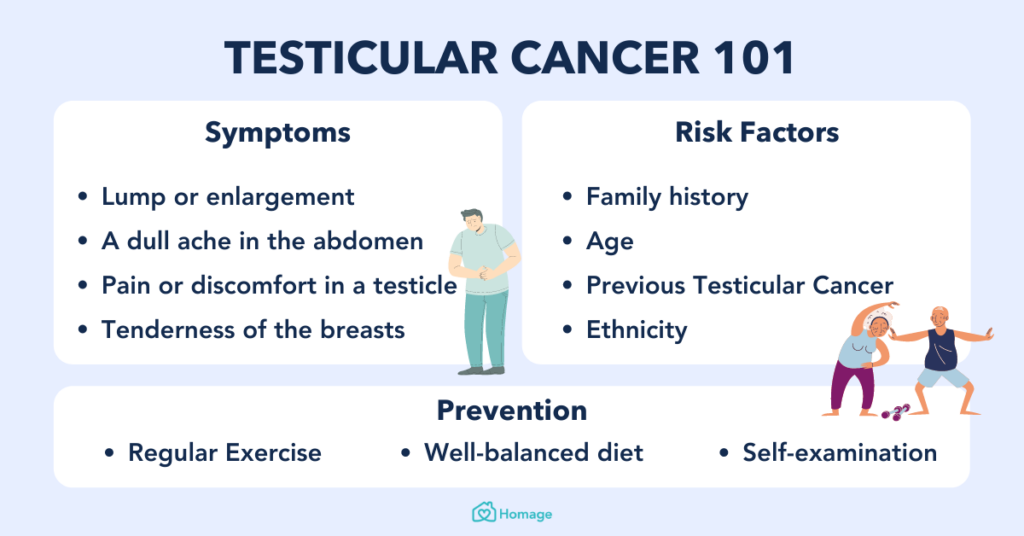
Testicular cancer is relatively rare compared to other types of cancer. It predominantly affects young men, with the peak incidence occurring between the ages of 15 and 35. The exact cause of testicular cancer is unknown, but certain risk factors such as undescended testicles, family history, and a history of testicular cancer in the contralateral testis increase the likelihood of developing the disease. Other potential risk factors include inguinal hernia repair, testicular dysgenesis, and exposure to environmental factors such as pesticides and endocrine disruptors.
Signs and Symptoms of Testicular Cancer
The most common symptom of testicular cancer is a painless lump or swelling in the testicle. Other signs and symptoms may include a heavy or aching feeling in the scrotum, a sudden accumulation of fluid in the scrotum, testicular pain or discomfort, and changes in the size or consistency of the testicle. It is important for individuals to promptly report any unusual findings to their healthcare provider for further evaluation.
Diagnostic Tests for Testicular Cancer
To diagnose testicular cancer, a combination of physical examination, imaging studies, and laboratory tests is utilized. The healthcare provider will perform a careful physical examination of the scrotum and testicles, looking for any abnormalities. Ultrasound imaging is commonly used to assess the size, shape, and appearance of the testicles and to detect any suspicious masses. Blood tests, such as the measurement of tumor markers like alpha-fetoprotein (AFP), human chorionic gonadotropin (hCG), and lactate dehydrogenase (LDH), play an important role in diagnosing and monitoring testicular cancer.
Evaluation of Metastasis
To determine the extent of the disease and the presence of metastasis, additional imaging studies such as computed tomography (CT) scans, magnetic resonance imaging (MRI), positron emission tomography (PET) scans, and chest X-rays may be ordered. These tests help identify if the cancer has spread to nearby lymph nodes, distant organs, or other parts of the body. Accurate staging of testicular cancer is crucial for planning appropriate treatment strategies.
Treatment Options
Surgery
Surgery is the primary treatment for testicular cancer and typically involves the removal of the affected testicle, a procedure known as a radical orchiectomy. The surgery aims to remove the cancerous tumor and any nearby lymph nodes that may be affected. In some cases, the surgeon may also perform retroperitoneal lymph node dissection (RPLND) to remove additional lymph nodes. Surgical procedures may have both physical and psychological impacts on the patient, and preoperative education and counseling are essential to help individuals prepare for the surgery and understand the potential outcomes.
Radiation Therapy
Radiation therapy utilizes high-energy beams to target and destroy cancer cells. It may be employed in cases where there is residual disease after surgery or as a primary treatment for certain types of testicular cancer. In testicular cancer, radiation therapy is primarily used as an adjuvant treatment to decrease the risk of cancer recurrence. It is imperative for healthcare providers to educate patients about the potential side effects of radiation therapy, such as skin irritation, fatigue, and long-term complications, and to provide supportive care throughout the treatment process.
Chemotherapy
Chemotherapy involves the use of drugs to kill cancer cells. It is commonly used as the primary treatment for testicular cancer that has spread beyond the testicles or has a high risk of recurrence. The specific chemotherapy drugs and regimens vary depending on the stage and type of testicular cancer. Chemotherapy can cause various side effects, including hair loss, nausea, vomiting, fatigue, and an increased susceptibility to infections. Nurses play a vital role in monitoring and managing these side effects and providing education on self-care strategies to minimize their impact.
Targeted Therapy
Targeted therapy is a relatively new approach in the treatment of testicular cancer. It involves the use of drugs that specifically target certain molecules or pathways involved in the growth and survival of cancer cells. Targeted therapy may be used in cases where other treatment options have failed or as part of clinical trials. As this treatment modality continues to evolve, nurses need to stay updated on the latest advancements in targeted therapy for testicular cancer to provide comprehensive care and support to patients.
Watchful Waiting
Watchful waiting, also known as active surveillance, is an option for some cases of testicular cancer. It involves closely monitoring the tumor without immediately initiating active treatment. Watchful waiting may be recommended for individuals with small, localized tumors with low-risk features. Regular follow-up appointments, including physical examinations, imaging studies, and blood tests, are necessary to monitor the tumor’s growth and make informed decisions regarding further treatment. Nurses play a crucial role in educating patients about the risks and benefits of watchful waiting and providing emotional support throughout the surveillance period.

Preoperative Nursing Care
Education and Counseling
Preoperative education and counseling play a vital role in preparing patients for surgery. Nurses have an essential role in providing information about the surgical procedure, potential risks and benefits, and what to expect post-operatively. This includes ensuring that patients have a clear understanding of the need for the surgery, the expected outcome, and any potential complications. Nurses can also address any concerns or anxieties that patients may have, providing emotional support throughout the preoperative period.
Assessment for Surgery Readiness
Before undergoing surgery, patients must be assessed to ensure they are physically and psychologically prepared for the procedure. This assessment includes a comprehensive review of their medical history, including any pre-existing conditions or medications that may interact with anesthesia or surgery. Nurses will also assess their vital signs, general health status, and emotional well-being. If any concerns or issues are identified, appropriate interventions or consultations will be initiated to optimize the patient’s readiness for surgery.
Preoperative Preparation
In addition to the assessment, nurses are responsible for ensuring that patients are adequately prepared for surgery. This includes providing instructions for preoperative fasting and bowel preparation, as well as guidance on any necessary medications that need to be taken or avoided before the surgery. Patients will also receive guidance on dressing and hygiene requirements prior to the procedure. Nurses play a crucial role in ensuring that patients understand and comply with these preoperative preparations to minimize the risk of complications and optimize surgical outcomes.
Informed Consent
Informed consent is a critical component of preoperative nursing care. Nurses will explain the surgical procedure, its associated risks, potential benefits, and alternative treatment options to the patient. They will ensure that the patient comprehends this information and provide an opportunity for them to ask questions. Once the patient has given their consent, the nurse will document the discussion and the patient’s agreement in the medical record. Obtaining informed consent promotes patient autonomy and ensures the patient’s understanding and engagement in their own care.
Pain Management
Effective pain management is essential both before and after surgery. Nurses will assess the patient’s pain levels and provide appropriate interventions, such as administering pain medication, applying cold or heat therapy, or utilizing relaxation techniques, to help alleviate discomfort. Nurses will also educate patients on pain management strategies, emphasize the importance of reporting pain promptly, and provide information about the potential side effects of pain medications. Individualized pain management plans are developed to meet each patient’s unique needs and preferences.
Intraoperative Nursing Care
Surgical Team Collaboration
Intraoperative nursing care involves close collaboration within the surgical team to ensure the safety and well-being of the patient. Nurses play a crucial role in maintaining open communication between the surgical team members, including the surgeon, anesthesiologist, and surgical technicians. They will advocate for the patient’s needs, coordinate the workflow, and ensure that all necessary equipment, supplies, and medications are readily available. Nurses act as liaisons between the patient and the surgical team, providing updates, addressing concerns, and facilitating effective teamwork throughout the procedure.
Anesthesia Administration
Anesthesiologists or nurse anesthetists are responsible for administering anesthesia during surgery. Nurses assist in this process by providing preoperative assessments, including the patient’s medical history, allergies, and any previous experiences with anesthesia. During the anesthesia induction and maintenance, nurses closely monitor the patient’s vital signs, oxygenation levels, and depth of anesthesia. They ensure adequate pain control and promptly report any changes or complications to the anesthesia provider for immediate intervention.
Monitoring and Positioning
Nursing care during surgery involves continuous monitoring of the patient’s vital signs, such as blood pressure, heart rate, oxygen saturation, and body temperature. This information allows the surgical team to identify and address any physiological changes promptly. Nurses also play a key role in positioning the patient correctly on the operating table to ensure optimal access for the surgeon while maintaining the patient’s safety and comfort. Proper positioning reduces the risk of complications such as pressure ulcers and nerve damage.
Surgical Interventions
During surgery, nurses assist the surgeon by providing the necessary instruments, sutures, and equipment required for the procedure. They maintain a sterile environment by following strict aseptic techniques and ensuring that all surgical equipment is in good working order. Nurses anticipate the surgeon’s needs, accurately document any interventions performed, and communicate any significant findings to the rest of the surgical team. Their role in supporting the surgical interventions helps ensure the success and safety of the procedure.
Intraoperative Complications
Intraoperative complications can occur during surgery and require immediate attention and intervention. Nurses are vigilant for any signs of complications such as bleeding, changes in vital signs, or adverse reactions to medications or anesthesia. They promptly alert the surgical team and assist in stabilizing the patient. Nurses facilitate effective communication between the surgical team members to ensure swift and appropriate responses to any complications that may arise. Their quick thinking and assessment skills are vital in maintaining patient safety during surgery.
Postoperative Nursing Care
Vital Sign Monitoring
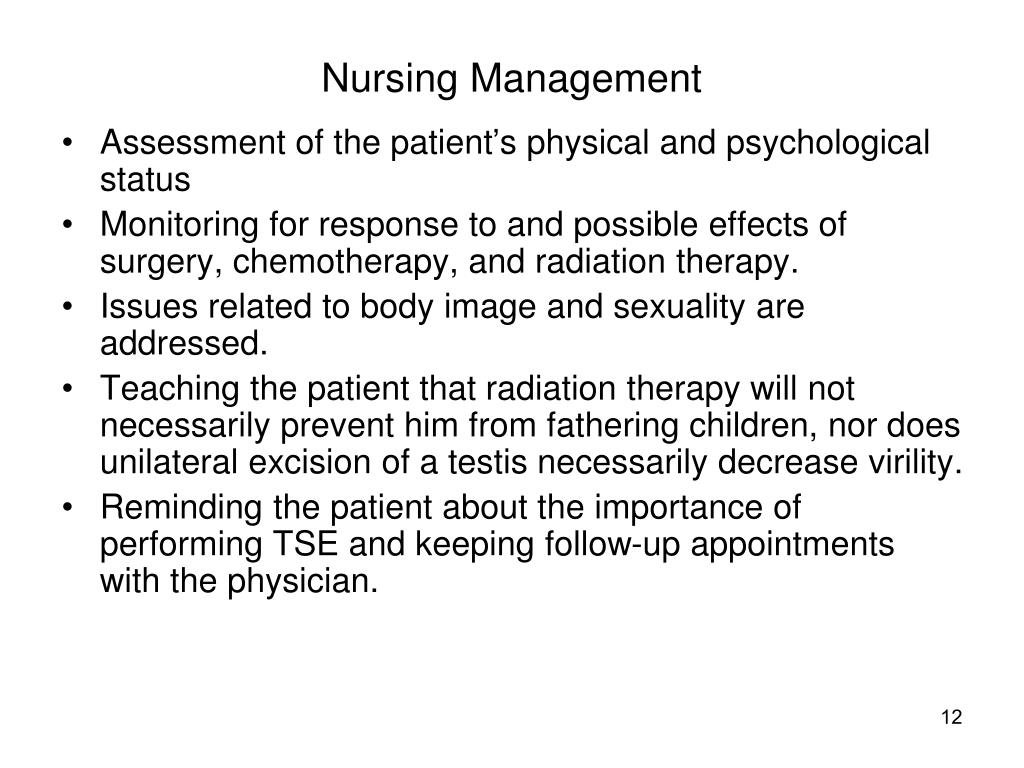
Frequent and regular monitoring of the patient’s vital signs is crucial during the postoperative period. Nurses assess the patient’s blood pressure, heart rate, respiratory rate, oxygen saturation, and temperature to detect any changes that may indicate complications, such as bleeding, infection, or respiratory distress. Depending on the patient’s condition, vital signs may be monitored every 15 minutes initially and then less frequently as the patient’s condition stabilizes. Nurses communicate any significant changes in vital signs to the healthcare team and implement appropriate interventions.
Wound Care and Dressing
Proper wound care and dressing are essential to promote healing and prevent infections. Nurses assess the surgical incision site for signs of infection, such as redness, swelling, discharge, or increased pain. They ensure that the dressing is intact, clean, and dry, and change it as per hospital policy or if it becomes soiled. Nurses educate patients on proper wound care techniques to facilitate their active involvement in the healing process and minimize the risk of complications.
Pain Management
Postoperative pain management is a priority in nursing care. Nurses assess the patient’s pain levels using validated pain assessment tools and provide appropriate pain relief interventions, such as administering pain medication, using non-pharmacological pain management techniques, or applying cold or heat therapy. Nurses closely monitor the patient’s response to pain management interventions and adjust the treatment plan accordingly. Effective pain management not only improves patient comfort but also promotes faster recovery and enhances overall well-being.
Activity and Mobility
Early mobilization and progressive activity levels are essential for optimizing postoperative recovery. Nurses encourage patients to engage in activity and mobility as soon as it is safe and appropriate, based on the specific surgical procedure and the patient’s condition. They assist patients with movements and transfers, provide guidance on special precautions as necessary, and ensure that adequate pain management is in place to facilitate increased activity. Nurses play a crucial role in promoting independence and facilitating the patient’s return to their daily activities.
Potential Complications
Postoperative complications can occur after testicular cancer surgery and require vigilant monitoring and prompt intervention. Nurses educate patients on potential complications, their signs and symptoms, and the importance of reporting any deviations from the expected recovery process. Common complications may include infection, bleeding, hematoma formation, wound dehiscence, deep vein thrombosis, and respiratory complications. Nurses continually assess the patient’s overall well-being, surgical site, and any other pertinent indicators to detect and manage complications early to promote optimal recovery.
Radiation Therapy Considerations
Radiation Safety Precautions
Radiation therapy requires strict adherence to safety precautions to minimize radiation exposure to both patients and healthcare providers. Nurses play a vital role in ensuring that the radiation therapy area is properly shielded and that all necessary safety measures, protocols, and equipment are in place. They educate patients and their caregivers about radiation safety precautions, such as minimizing direct contact with others, avoiding pregnancy during treatment, and disposing of any radioactive materials appropriately. Nurses reinforce the importance of following these precautions to limit radiation exposure.
Skin Care
Radiation therapy can cause skin reactions in the treated area. Nurses assess the patient’s skin before, during, and after radiation therapy, looking for signs of redness, irritation, dryness, or blistering. They provide patient education on proper skin care techniques, including gentle cleansing with mild soap, avoiding exposure to extreme temperatures, and using approved moisturizers or creams. Nurses also emphasize the importance of protecting the treated area from sun exposure and advise the patient on suitable clothing choices and the use of sunscreen.
Side Effects of Radiation Therapy
Radiation therapy can cause various side effects that may impact the patient’s well-being and quality of life. Common side effects include fatigue, nausea, loss of appetite, bowel changes, and changes in urinary function. Nurses actively monitor and assess these side effects, provide appropriate interventions to manage symptoms, and educate patients on self-care strategies. They may collaborate with other members of the healthcare team, such as nutritionists and pharmacists, to develop comprehensive care plans aimed at minimizing side effects and maximizing overall patient comfort.
Monitoring for Late Effects
Radiation therapy can have long-term effects on the patient’s health. Nurses provide ongoing monitoring and surveillance for potential late effects or complications related to radiation therapy. These may include cardiac toxicity, secondary malignancies, and infertility. Nurses work closely with the healthcare team to monitor and manage these late effects, coordinating necessary investigations and referrals to appropriate specialists for further evaluation and management. Regular follow-up appointments and open communication between the patient, nurses, and other healthcare providers are essential in ensuring the long-term well-being of individuals exposed to radiation therapy.
Education for Self-Care
Nurses play a crucial role in educating patients about self-care during radiation therapy. They provide information on managing side effects, maintaining general health and well-being, and making lifestyle modifications that may help enhance treatment outcomes. Nurses empower patients to actively participate in their own care by teaching them strategies for coping with fatigue, maintaining proper nutrition, adhering to prescribed medications, and accessing available support systems. Education equips patients with the knowledge and skills necessary to navigate their treatment journey and take control of their overall health.

Chemotherapy Considerations
Chemotherapy Drugs and Regimens
Chemotherapy for testicular cancer involves the use of specific drugs and regimens tailored to each individual’s needs. Nurses play a vital role in administering chemotherapy, closely monitoring the patient’s response, and managing any associated side effects. They educate patients on the goals of chemotherapy, the drugs being used, and the anticipated treatment timeline. Nurses also provide information on potential short-term and long-term side effects and the need for regular blood tests and monitoring throughout the treatment period.
Side Effects of Chemotherapy
Chemotherapy drugs can cause various side effects that may impact the patient’s physical and emotional well-being. Common side effects include nausea, vomiting, hair loss, fatigue, diarrhea, and increased susceptibility to infections. Nurses closely monitor patients for these side effects, assess their impact on the patient’s daily activities and overall quality of life, and intervene accordingly. Nurses provide education on strategies to manage side effects, such as antiemetic medications, proper nutrition, and self-care techniques, to help patients cope with the challenges of chemotherapy.
Preventing and Managing Complications
Chemotherapy can increase the risk of complications such as infection, neutropenia, thrombocytopenia, and anemia. Nurses closely monitor the patient’s blood counts and assess for signs and symptoms of complications. They collaborate with the healthcare team to implement appropriate interventions, such as administering growth factors or blood transfusions, to prevent or manage these complications. Patient education regarding infection prevention measures, maintaining good oral hygiene, and the need for regular blood tests is paramount to reduce the risk of complications.
Pain and Symptom Management
Chemotherapy can cause various symptoms, including pain, neuropathy, and mucositis. Nurses assess and manage these symptoms to improve patient comfort and overall well-being. They collaborate with the healthcare team to develop personalized pain management plans, which may include analgesics, adjuvant medications, or non-pharmacological pain relief techniques. Nurses play a critical role in educating patients about pain management strategies, ensuring prompt administration of prescribed medications, and monitoring for any adverse effects or complications related to pain management interventions.
Supportive Care
Supportive care is an integral part of nursing management for patients undergoing chemotherapy. Nurses provide ongoing emotional support, actively listen to patients’ concerns, and help address fears and anxieties related to the treatment. They connect patients with support groups, resources, and counseling services to enhance their coping skills and improve their quality of life. Nurses also provide education on self-care practices, stress management techniques, and strategies for maintaining a positive outlook during chemotherapy, fostering a therapeutic relationship built on trust, empathy, and compassion.
Emotional and Psychological Support
Counseling and Psychotherapy
A diagnosis of testicular cancer can elicit a range of emotional and psychological responses from patients. Nurses recognize the importance of addressing the psychosocial well-being of individuals facing this diagnosis and collaborate with psychologists, social workers, and other mental health professionals to provide counseling and psychotherapy services. These interventions aim to support patients in managing anxiety, depression, grief, and other psychological challenges associated with testicular cancer. Nurses play a central role in identifying patients’ emotional needs, offering appropriate referrals, and ensuring ongoing emotional support throughout the treatment journey.
Support Groups
Support groups for testicular cancer patients and their loved ones provide a valuable platform for sharing experiences, seeking advice, and finding emotional support. Nurses facilitate the formation of support groups within the healthcare setting or provide information about community support groups. They encourage patients to join these groups and explore the benefits of connecting with others who have faced similar challenges. Nurses may facilitate support group sessions, provide educational materials, and offer guidance on available resources for continued support beyond the healthcare setting.
Patient and Family Education
Patient and family education is essential when dealing with testicular cancer. Nurses play a pivotal role in providing information and resources to patients and their families. They educate patients about the disease process, treatment options, potential complications, and the importance of adherence to the treatment plan. Nurses also assist in educating family members on how to provide support, address their concerns, and involve them in the decision-making process. Patient and family education aim to empower individuals to actively participate in their healthcare and promote a collaborative approach to managing testicular cancer.
Coping Strategies
Testicular cancer can present various challenges that require effective coping strategies. Nurses provide guidance and support to patients in developing adaptive coping strategies to manage the physical, emotional, and psychosocial aspects of the disease. They explore individual coping preferences, offer therapeutic interventions, and encourage the use of relaxation techniques, mindfulness practices, and stress management strategies. Nurses assess patients’ coping skills regularly and modify interventions as needed to ensure ongoing support and successful coping throughout the cancer journey.
Addressing Body Image and Self-Esteem
Testicular cancer and its treatments can impact body image and self-esteem. Nurses recognize the importance of addressing these concerns and provide a safe and non-judgmental environment for patients to express their feelings and concerns. They engage in open conversations about body image changes, sexual health, and intimacy concerns, helping patients navigate these issues and offering reassurance and support. Nurses collaborate with other members of the healthcare team, such as psychologists or certified sexuality counselors, to provide comprehensive care and address the unique needs of individuals dealing with body image and self-esteem challenges.
Sexual Health Considerations
Fertility Preservation Options
Testicular cancer and its treatments can have significant implications for fertility. Nurses play an essential role in discussing fertility preservation options with patients before initiating treatment. They provide education on sperm banking, testicular sperm extraction, and other fertility preservation techniques. Nurses also act as advocates for patients in ensuring appropriate referrals to fertility specialists and facilitating discussions regarding the timing and feasibility of fertility preservation procedures. By addressing fertility concerns proactively, nurses empower patients to make informed decisions about preserving their reproductive potential.
Sexual Dysfunction
Testicular cancer and its treatments can impact sexual function and lead to sexual dysfunction. Nurses provide a safe space for patients to discuss sexual concerns and offer support and information on managing sexual dysfunction. They collaborate with healthcare providers, such as urologists or sexual health specialists, to address erectile dysfunction, reduced libido, or other sexual difficulties. Nurses educate patients on the potential effects of treatment on sexual health, promote open communication between patients and their partners, and provide resources to aid in the management of sexual dysfunction caused by testicular cancer.
Patient Education
Nurses provide comprehensive patient education on sexual health considerations related to testicular cancer. They address common questions and concerns regarding sexual function, fertility, and intimacy. Nurses provide information on potential treatment-related sexual side effects, discuss strategies for maintaining sexual health during and after treatment, and emphasize the importance of open communication with healthcare providers and partners. Patient education enables individuals to make informed decisions, improves their overall sexual health, and enhances their quality of life during and after the testicular cancer treatment journey.
Referral to Specialists
Nurses play a critical role in facilitating referrals to specialists who can address specific sexual health concerns related to testicular cancer. They collaborate with urologists, sexual health specialists, and fertility specialists to ensure that patients receive timely and comprehensive care. Nurses advocate for patients’ needs and assist in coordinating follow-up appointments with the appropriate specialists, facilitating ongoing communication between the healthcare team members, and ensuring that patients have access to specialized expertise and support for managing their sexual health concerns.
Supportive Care
Supportive care is integral to addressing sexual health considerations in individuals with testicular cancer. Nurses provide emotional support, compassionate listening, and a non-judgmental environment for patients to express their concerns and fears related to sexual health. They offer resources, educational materials, and referrals to support groups or other available community resources. Nurses collaborate with other healthcare providers to develop individualized care plans that include strategies for managing sexual health concerns and optimizing overall well-being, fostering a holistic approach to supportive care for testicular cancer patients.
Survivorship and Follow-up Care
Psychosocial Follow-up
Testicular cancer survivors require ongoing psychosocial support to address the unique challenges they may face after completing treatment. Nurses play a key role in monitoring the survivor’s emotional well-being, providing appropriate counseling or referrals to mental health professionals as needed. They help survivors navigate the transition from active treatment to survivorship by addressing fears of recurrence, providing cancer survivorship education, and encouraging the adoption of healthy lifestyle behaviors. Nurses collaborate with the healthcare team to develop survivorship care plans that promote long-term well-being and provide guidance on surveillance and monitoring protocols.
Surveillance and Monitoring
Regular surveillance and monitoring are essential components of follow-up care for testicular cancer survivors. Nurses work closely with the healthcare team to implement surveillance protocols and coordinate follow-up appointments. This includes regular physical examinations, imaging studies, and blood tests to monitor for recurrence or late effects of treatment. Nurses provide education on the importance of adherence to follow-up guidelines and empower survivors to actively engage in taking responsibility for their own health by recognizing signs and symptoms that require medical attention and seeking necessary follow-up care.
Follow-up Testing
Follow-up testing after testicular cancer treatment aims to detect any signs of recurrence or late effects early. Nurses coordinate these tests, such as laboratory work, imaging studies, and tumor marker assessments, as required by the individual’s treatment plan and follow-up protocols. They ensure that patients understand the purpose of these tests and the significance of regular follow-up appointments in detecting and addressing potential issues early. Nurses provide emotional support throughout the follow-up period, addressing fears and anxiety related to the possibility of recurrence or late effects and reinforcing the importance of ongoing surveillance.
Long-Term Complications
Testicular cancer survivors may be at risk of developing long-term complications related to their treatment. Nurses monitor for signs and symptoms of these complications, such as cardiovascular disease, secondary malignancies, and infertility. They collaborate with the healthcare team to implement appropriate preventive measures, such as regular screenings, modifications to lifestyle behaviors, and referrals to specialists, as warranted. Nurses provide education on potential long-term complications, facilitate discussions about risk reduction strategies, and ensure survivors are equipped with the knowledge and resources to manage their long-term health effectively.
Lifestyle Modifications
Lifestyle modifications play a crucial role in the long-term well-being of testicular cancer survivors. Nurses educate survivors about the importance of healthy lifestyle choices, such as maintaining a balanced diet, engaging in regular physical activity, avoiding tobacco use, and limiting alcohol consumption. They provide resources and guidance on incorporating these modifications into daily life, address barriers to behavior change, and collaborate with nutritionists, physical therapists, and other healthcare providers to develop individualized plans to enhance survivors’ overall health and reduce the risk of recurrence or other late effects.