
Imagine a world where you can protect yourself and your loved ones from Hepatitis, a potentially life-threatening disease that affects millions of people worldwide. In this article, we will share valuable insights on how to prevent Hepatitis, equipping you with simple yet effective strategies to stay healthy and strong. By empowering yourself with this knowledge, you have the power to make a significant difference in your health and those around you. So, let’s explore the essential steps you can take towards a future free from Hepatitis.
Understanding Hepatitis
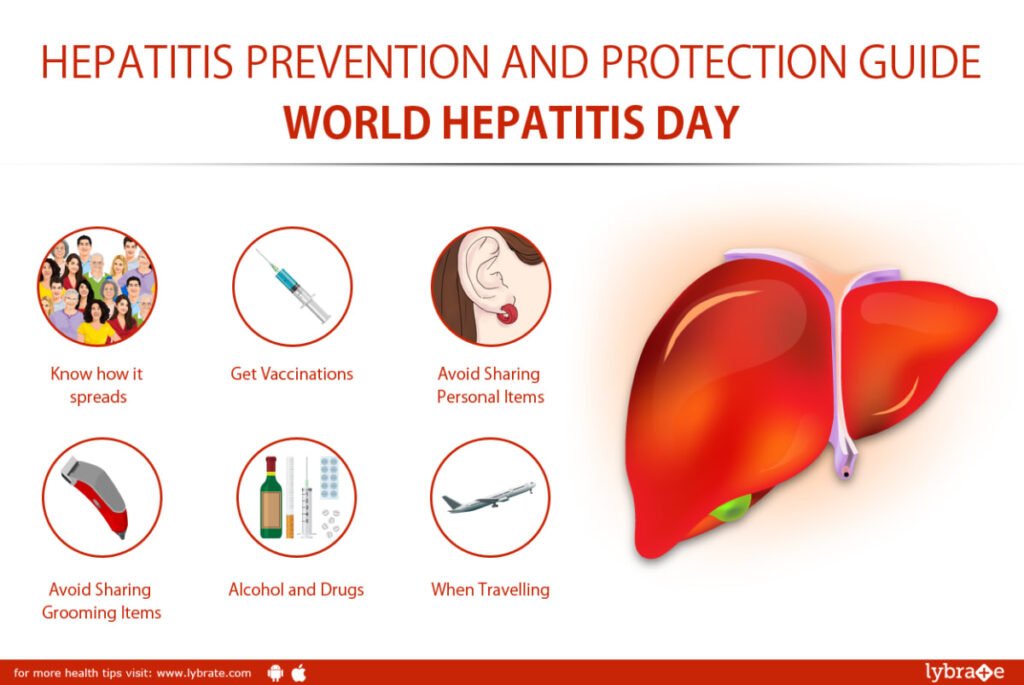
Hepatitis is a term that refers to inflammation of the liver. It is often caused by a viral infection, but it can also be caused by alcohol abuse, certain medications, toxins, and autoimmune diseases. The most common types of viral hepatitis are hepatitis A, hepatitis B, and hepatitis C. Each type of hepatitis has its own specific causes and symptoms, and it is important to understand them in order to prevent the transmission and spread of these viruses.
What is hepatitis?
Hepatitis is a condition that occurs when the liver becomes inflamed. The liver is a vital organ that performs many important functions in the body, such as filtering toxins from the blood, metabolizing nutrients, and producing bile to aid in digestion. When the liver is inflamed, its ability to function properly is compromised, which can lead to a range of health problems.
Types of hepatitis
There are several types of hepatitis, but the most common ones are hepatitis A, hepatitis B, and hepatitis C. Hepatitis A is typically transmitted through contaminated food or water, while hepatitis B and hepatitis C are primarily transmitted through blood and other bodily fluids. Hepatitis D and E are less common, and they usually occur in combination with hepatitis B or as a result of consuming contaminated food or water in certain regions of the world.
Causes of hepatitis
The causes of hepatitis vary depending on the type of virus involved. Hepatitis A is typically caused by consuming food or water that has been contaminated with the virus. Hepatitis B is primarily transmitted through sexual contact, sharing needles, or exposure to infected blood or bodily fluids. Hepatitis C is also primarily transmitted through blood-to-blood contact, such as sharing needles or receiving a blood transfusion with infected blood. Other less common causes of hepatitis include excessive alcohol consumption, certain medications, toxins, and autoimmune diseases.
Symptoms of hepatitis
The symptoms of hepatitis can vary depending on the type of virus involved and the severity of the infection. Some common symptoms include fatigue, loss of appetite, nausea, vomiting, abdominal pain, dark urine, pale stools, yellowing of the skin and eyes (jaundice), and fever. However, it is important to note that some people with hepatitis may not experience any symptoms at all, especially in the early stages of the infection. This is why it is crucial to get tested if you believe you may have been exposed to the virus.
Preventing Hepatitis A
Hepatitis A is a highly contagious virus that can be easily prevented through various measures. By following these preventive steps, you can greatly reduce your risk of contracting and spreading hepatitis A:
Get vaccinated
The hepatitis A vaccine is an effective way to prevent infection. It is recommended for all children starting at one year of age and for adults who are at risk, including travelers to certain countries, men who have sex with men, and people who use drugs. Consult with your healthcare provider to determine if the hepatitis A vaccine is recommended for you.
Practice good hygiene
Washing your hands thoroughly with soap and water, especially after using the restroom and before handling food, is an essential step in preventing hepatitis A. Avoid close contact with individuals who have hepatitis A, and avoid sharing personal items such as towels, toothbrushes, and utensils.
Avoid risky foods and drinks
To reduce your risk of contracting hepatitis A, it is important to avoid consuming undercooked or raw shellfish, contaminated fruits and vegetables, and unpasteurized dairy products. Additionally, be cautious when traveling to areas with poor sanitation and hygiene practices, as these can increase the risk of contracting hepatitis A.
Be cautious when traveling
If you are traveling to a region where hepatitis A is endemic, it is recommended to take extra precautions to prevent infection. This includes practicing good hygiene, avoiding risky foods and drinks, and getting vaccinated if necessary. It is also advisable to follow any travel advisories or guidelines provided by health authorities.
Preventing Hepatitis B
Hepatitis B is a serious viral infection that can cause chronic liver disease. It is primarily transmitted through sexual contact, sharing needles, or exposure to infected blood or bodily fluids. Here are some effective ways to prevent hepatitis B:
Get vaccinated
The hepatitis B vaccine is a safe and effective way to prevent infection. It is recommended for all infants, children, and adults who have not been previously vaccinated. If you are at risk of contracting hepatitis B, such as healthcare workers, individuals with multiple sexual partners, or people who use injectable drugs, it is crucial to get vaccinated.
Practice safe sex
To reduce the risk of contracting hepatitis B and other sexually transmitted infections, it is important to practice safe sex. This includes using barrier methods of contraception, such as condoms, and getting tested regularly for sexually transmitted infections. It is also important to be open and honest with your sexual partners about your health status.
Avoid sharing personal items
Hepatitis B can be spread through contact with infected blood or bodily fluids. To prevent transmission, it is important to avoid sharing personal items such as razors, toothbrushes, and needles. If you require medical or dental procedures, make sure that all equipment is properly sterilized.
Be cautious with body art and piercings
If you are considering getting a tattoo, piercing, or any other form of body art, it is important to choose a reputable establishment that follows strict hygiene practices. Make sure that all needles and equipment are properly sterilized to prevent the transmission of hepatitis B and other bloodborne infections.
Be cautious with medical procedures
If you require any medical or dental procedures that involve the potential for contact with blood or bodily fluids, it is important to ensure that the healthcare provider follows strict infection control practices. This includes the use of sterile equipment, proper hand hygiene, and safe disposal of sharps.
Preventing Hepatitis C
Hepatitis C is a viral infection that can cause chronic liver disease and other serious health complications. It is primarily transmitted through blood-to-blood contact, most commonly through sharing needles and other drug paraphernalia. Here are some ways to prevent hepatitis C:
Avoid sharing needles and other drug paraphernalia
One of the most important steps in preventing hepatitis C is to avoid sharing needles, syringes, and other drug paraphernalia. If you use drugs, it is important to seek help and support to stop or reduce drug use and to use sterile needles and equipment.
Use appropriate safety measures
If you require medical or dental procedures that involve the potential for contact with blood or bodily fluids, make sure that the healthcare provider follows strict infection control practices. This includes the use of sterile equipment, proper hand hygiene, and safe disposal of sharps.
Practice safe sex
Although the risk of contracting hepatitis C through sexual contact is low, it is still possible. To reduce the risk, it is important to practice safe sex, including the use of barrier methods of contraception such as condoms. It is also important to get tested for sexually transmitted infections and to disclose your hepatitis C status to your sexual partners.
Be cautious with body art and piercings
If you are considering getting a tattoo, piercing, or any other form of body art, it is important to choose a reputable establishment that follows strict hygiene practices. Make sure that all needles and equipment are properly sterilized to prevent the transmission of hepatitis C and other bloodborne infections.
Be cautious with medical procedures
If you require any medical or dental procedures that involve the potential for contact with blood or bodily fluids, it is important to ensure that the healthcare provider follows strict infection control practices. This includes the use of sterile equipment, proper hand hygiene, and safe disposal of sharps.
Preventing Hepatitis D and E
Hepatitis D and E are less common compared to hepatitis A, B, and C, but they still pose a risk to certain populations. Here are some preventive measures to consider:
Vaccination for hepatitis B and A respectively
Since hepatitis D can only infect individuals who are already infected with hepatitis B, the best way to prevent hepatitis D is to get vaccinated against hepatitis B. Similarly, vaccination against hepatitis A can help prevent the transmission of hepatitis E, which is primarily transmitted through contaminated food and water in certain regions of the world.
Practice good hygiene
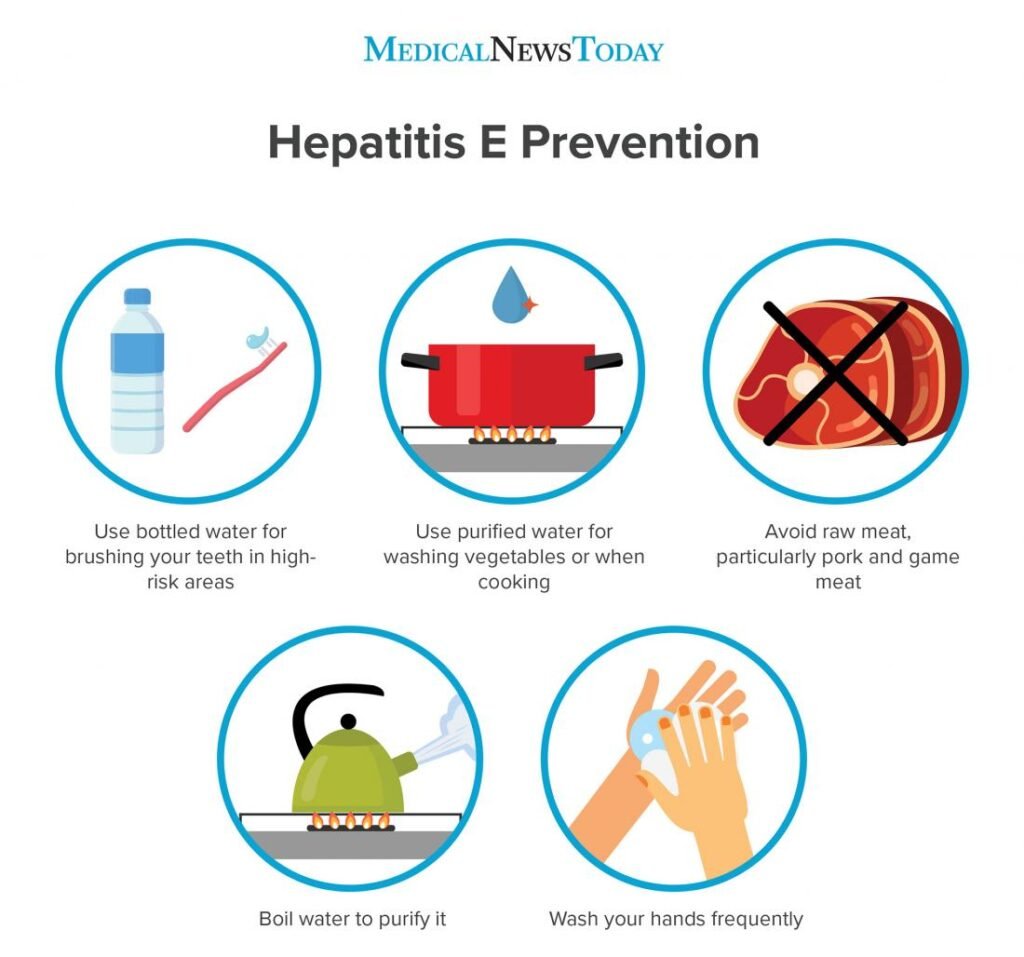
To reduce the risk of contracting hepatitis E, it is important to practice good hygiene. This includes washing your hands thoroughly with soap and water, especially before handling food or after using the restroom. It is also advisable to avoid consuming undercooked or raw shellfish, contaminated fruits and vegetables, and unpasteurized dairy products.
Avoid risky foods and drinks
To prevent the transmission of hepatitis E, it is important to avoid consuming risky foods and drinks, especially in regions where hepatitis E is endemic. These may include undercooked meat, contaminated water, and unpasteurized beverages. It is also important to be cautious when traveling to areas with poor sanitation and hygiene practices.
Be cautious when traveling
If you are traveling to a region where hepatitis E is prevalent, it is important to take extra precautions to prevent infection. This includes practicing good hygiene, avoiding risky foods and drinks, and being aware of any travel advisories or guidelines provided by health authorities.
Maintaining a Healthy Lifestyle
In addition to taking preventive measures against hepatitis, maintaining a healthy lifestyle can help support overall liver health and prevent liver diseases. Here are some tips for maintaining a healthy lifestyle:
Eat a balanced diet
A healthy diet that includes a variety of fruits, vegetables, whole grains, and lean proteins can help support liver health. Avoiding excessive consumption of processed foods, saturated fats, and sugary drinks is important for maintaining a healthy liver.
Exercise regularly
Regular physical activity is not only beneficial for your overall health but also for your liver. Exercise can help reduce the risk of fatty liver disease, promote weight loss, and improve liver function.
Maintain a healthy weight
Being overweight or obese can increase the risk of liver diseases such as fatty liver disease and nonalcoholic steatohepatitis (NASH). Maintaining a healthy weight through a balanced diet and regular exercise can help reduce the risk of these conditions.
Avoid excessive alcohol consumption
Excessive alcohol consumption can cause liver damage and lead to liver diseases such as alcoholic hepatitis and cirrhosis. It is important to drink alcohol in moderation or, ideally, avoid it altogether to maintain a healthy liver.

Getting Tested and Seeking Treatment
Getting tested for hepatitis is crucial, especially if you believe you may have been exposed to the virus. Early detection and treatment can help prevent the progression of the infection and reduce the risk of complications. Here are some important steps to take:
Get tested for hepatitis
If you believe you may have been exposed to hepatitis, it is important to get tested. Testing usually involves a blood test that can detect the presence of hepatitis viruses in your body. Consult with your healthcare provider to determine the appropriate testing method and schedule.
Seek medical advice if infected
If you are diagnosed with hepatitis, it is important to seek medical advice and follow the recommended treatment plan. Treatment may involve antiviral medications, lifestyle changes, and regular monitoring of your liver function. Your healthcare provider will guide you through the treatment process and monitor your progress.
Follow prescribed treatment plan
It is crucial to follow the prescribed treatment plan for hepatitis to ensure the best possible outcome. This may include taking medications as directed, making necessary lifestyle changes, and attending regular follow-up appointments. It is important to communicate with your healthcare provider and address any concerns or side effects of the treatment.
Avoid spreading the infection
If you are infected with hepatitis, it is important to take precautions to avoid spreading the virus to others. This includes practicing safe sex, avoiding sharing personal items, and taking appropriate safety measures to prevent the transmission of bloodborne viruses. Educate yourself about the virus and its transmission routes to effectively prevent the spread of infection.
Educating Others about Hepatitis
Raising awareness about hepatitis and promoting prevention methods is crucial in reducing the burden of this disease. By educating others, you can help prevent the transmission and spread of hepatitis. Here are some ways to make a positive impact:
Raise awareness
Use your voice to raise awareness about hepatitis and its prevention. Share your knowledge with friends, family, and community members. Participate in awareness campaigns and events to help educate others about the importance of prevention and testing.
Promote prevention methods
Encourage others to take preventive measures against hepatitis by sharing information about vaccination, safe sex practices, good hygiene, and avoidance of risky behaviors. Help dispel myths and misconceptions surrounding hepatitis to promote accurate knowledge and informed decision-making.
Share accurate information
In a world filled with misinformation, it is essential to share accurate and reliable information about hepatitis. Use credible sources, such as reputable health organizations and government websites, to ensure the information you share is up-to-date and trustworthy.
Support organizations working on hepatitis prevention
There are many organizations dedicated to the prevention and control of hepatitis. Consider supporting these organizations through donations, volunteering, or advocacy efforts. By supporting these initiatives, you can contribute to the global effort to eliminate hepatitis.

Conclusion
Preventing hepatitis is possible by taking proactive steps towards prevention. By understanding the different types of hepatitis, their causes, and their modes of transmission, you can make informed decisions and take appropriate preventive measures. Whether it’s getting vaccinated, practicing safe sex, maintaining good hygiene, or making healthy lifestyle choices, each action contributes to reducing the burden of hepatitis on individuals and communities. Take charge of your health, educate others, and together, we can work towards a future free of hepatitis.