
If you want to avoid the need for kidney dialysis, there are important steps you can take to protect your kidneys. By adopting a healthy lifestyle, including a balanced diet, regular exercise, and staying hydrated, you can significantly reduce the risk of developing kidney disease. Additionally, managing any existing medical conditions, such as diabetes or high blood pressure, is crucial in preventing kidney damage. This article will explore these preventive measures in more detail and provide you with practical tips on how to keep your kidneys healthy and functioning optimally.
Maintain a Healthy Lifestyle
Maintaining a healthy lifestyle is crucial for preventing the need for kidney dialysis. By taking charge of your health, you can significantly reduce the risk of kidney disease and protect the overall function of your kidneys. There are several key aspects to focus on in order to achieve this.
Control Blood Pressure
One of the most important factors in preventing kidney disease is controlling your blood pressure. High blood pressure can damage the blood vessels in the kidneys, leading to kidney damage over time. To maintain a healthy blood pressure, it is essential to engage in regular monitoring and take appropriate steps to manage it. This includes adhering to a low-sodium diet, exercising regularly, managing stress levels, and, if necessary, considering medication options as advised by your healthcare provider.
Manage Blood Sugar Levels
For individuals with diabetes, managing blood sugar levels is crucial in preventing kidney disease and the need for dialysis. High blood sugar levels can lead to kidney damage and ultimately kidney failure. To maintain healthy blood sugar levels, it is important to follow a proper diabetes management plan, which includes monitoring blood sugar regularly, adhering to a balanced and nutritious diet, engaging in regular physical activity, and taking medications or insulin as prescribed.
Follow a Healthy Diet
A healthy diet plays a pivotal role in maintaining good kidney health and preventing the need for dialysis. It is important to focus on consuming foods that are nutrient-rich and beneficial for kidney function. This means limiting salt intake to reduce the strain on the kidneys, opting for fresh fruits and vegetables, whole grains, lean proteins, and healthy fats. Additionally, it is crucial to stay hydrated by drinking plenty of water throughout the day.
Exercise Regularly
Regular exercise is not only beneficial for maintaining overall health but also for preventing kidney disease. Engaging in physical activity helps to control blood pressure, manage weight, improve circulation, and reduce the risk of other chronic conditions that can negatively impact kidney health. Aim for at least 30 minutes of moderate-intensity exercise most days of the week, such as walking, swimming, or cycling.
Maintain a Healthy Weight
Maintaining a healthy weight is essential for kidney health. Excess weight puts strain on the kidneys and increases the risk of developing kidney diseases such as chronic kidney disease and kidney stones. By adopting a balanced diet, engaging in regular exercise, and making healthy lifestyle choices, you can achieve and maintain a healthy weight. This can significantly reduce the risk of kidney issues and the need for dialysis.
Stay Hydrated
Staying hydrated is essential for maintaining optimal kidney health. Water helps to flush out toxins from the body, maintain proper kidney function, and prevent the formation of kidney stones. It is important to follow these guidelines to ensure you stay properly hydrated.
Drink Plenty of Water
The simplest and most effective way to stay hydrated is to drink plenty of water throughout the day. Aim for at least eight cups of water per day, or more if you engage in strenuous physical activity or live in a hot climate. Adequate water intake helps to ensure that your kidneys can function optimally and efficiently.
Limit Alcohol Consumption
Alcohol consumption can have detrimental effects on kidney health. Excessive alcohol intake can lead to dehydration, electrolyte imbalances, and can even cause liver damage, which indirectly impacts kidney function. If you choose to drink alcohol, do so in moderation and be mindful of your overall hydration levels.
Avoid Carbonated Drinks
Carbonated drinks, such as soda or sparkling water, may be refreshing, but they can contribute to dehydration and negatively affect kidney health. These drinks often contain high levels of sugar, caffeine, and artificial additives that can have harmful effects on the kidneys. Instead, opt for water, herbal tea, or natural fruit-infused water to quench your thirst and promote kidney health.
Quit Smoking
Smoking is not only harmful to your lungs and heart but also poses serious risks to kidney health. Smoking can damage blood vessels, decrease blood flow to the kidneys, and increase the risk of various kidney diseases. Quitting smoking is one of the best decisions you can make for your overall health and kidney function.
Seek Support
Quitting smoking can be challenging, but there is support available to help you succeed. Reach out to friends, family, or support groups who can provide encouragement and guidance throughout your quit journey. Consider participating in smoking cessation programs or seeking professional help from healthcare providers or counselors who specialize in smoking cessation.
Try Nicotine Replacement Therapy
Nicotine replacement therapy (NRT) is a method that can help alleviate withdrawal symptoms when quitting smoking. NRT comes in various forms, such as nicotine patches, gum, lozenges, inhalers, or nasal sprays. These products provide controlled doses of nicotine to your body without the harmful chemicals found in cigarettes. NRT can be an effective tool to gradually reduce nicotine dependence and quit smoking.
Consider Prescription Medications
In some cases, healthcare providers may prescribe medications to assist with smoking cessation. These medications work by reducing cravings or blocking the pleasurable effects of nicotine. If you have tried quitting smoking in the past without success, consult with your healthcare provider to explore prescription options that may better support your journey to becoming smoke-free.
Explore Alternative Therapies
Some individuals find success in quitting smoking by exploring alternative therapies. Techniques such as acupuncture, hypnosis, or meditation have been used as complementary approaches to help individuals quit smoking. While these methods may not work for everyone, they can be worth considering as part of your quit plan.
Manage Medications
Proper management of medications is crucial for overall health and kidney function. Certain medications can be harmful to the kidneys, while others may interact negatively with existing kidney conditions. It is important to take the following measures to ensure the safe and effective use of medications.
Take Prescribed Medications as Instructed
Following your healthcare provider’s instructions for taking prescribed medications is essential for maintaining kidney health. Take medications exactly as directed, including the correct dosage and frequency. If you have any doubts or concerns about your medications, consult with your healthcare provider for clarification.
Discuss Medication Options with a Healthcare Provider
When prescribed new medications, discuss their potential effects on kidney health with your healthcare provider. Some medications may need monitoring of kidney function, while others may need to be adjusted or replaced to minimize the risk of kidney damage. Your healthcare provider can provide guidance on suitable alternatives if necessary.
Avoid Over-the-Counter Medications without Consultation
Over-the-counter (OTC) medications, including nonsteroidal anti-inflammatory drugs (NSAIDs) and certain cold and flu remedies, can have adverse effects on the kidneys. These medications can worsen existing kidney conditions or cause kidney damage if used in excess or without careful consideration. Always consult with your healthcare provider before taking any OTC medications if you have any concerns about their impact on your kidneys.

Protect Your Kidneys from Toxins
Limiting exposure to environmental toxins is crucial to preserving kidney health. By being mindful of potential kidney-toxic substances and taking necessary precautions, you can minimize the risk of kidney damage.
Limit Exposure to Environmental Toxins
Certain environmental toxins, such as heavy metals, solvents, pesticides, and certain cleaning agents, can be harmful to the kidneys. Minimize exposure to these toxins by using protective equipment, such as gloves and masks, when working with or around them. Follow safety guidelines and ensure proper ventilation when using household cleaners or working in environments that may expose you to harmful substances.
Take Precautions with Medications and Supplements
Some medications and supplements can be toxic to the kidneys if not used properly. Follow your healthcare provider’s instructions for taking medications and discuss potential risks or interactions with other medications or supplements. Avoid taking excessive amounts of over-the-counter pain relievers or herbal remedies without consulting your healthcare provider first.
Avoid Illegal Drugs
Illegal drugs are not only harmful to overall health but can cause severe damage to the kidneys. Substance abuse, such as cocaine or heroin, can lead to acute kidney injury or chronic kidney disease. It is essential to avoid using illegal drugs to protect your kidney function and overall well-being.
Be Cautious with Kidney-Toxic Chemicals
Certain chemicals, such as some types of paint thinners, solvents, and industrial cleaning agents, can be toxic to the kidneys. When working with or around these chemicals, take appropriate precautions by wearing protective gear, working in well-ventilated areas, and avoiding direct contact or inhalation of fumes.
Monitor and Manage Chronic Conditions
Chronic conditions, such as diabetes or hypertension, can significantly impact kidney health. Proper management and timely treatment of these conditions are crucial for safeguarding kidney function.
Regularly Check Kidney Function
Regular monitoring of kidney function is essential for early detection of kidney problems. Your healthcare provider may recommend kidney function tests, such as blood and urine tests, to assess the health of your kidneys. By keeping track of your kidney function, any potential abnormalities can be detected early, allowing for prompt intervention and treatment.
Evaluate and Treat Urinary Tract Infections Promptly
Urinary tract infections (UTIs) can lead to kidney infections if not treated promptly. Kidney infections can cause significant damage to the kidneys if left untreated. If you experience symptoms of a UTI, such as frequent urination, pain during urination, or cloudy urine, seek medical attention for appropriate diagnosis and treatment.
Manage Chronic Diseases Properly
Chronic diseases, such as diabetes and hypertension, can negatively impact kidney health if not managed properly. It is crucial to follow your healthcare provider’s recommendations for managing these conditions. This may include taking prescribed medications, monitoring blood sugar or blood pressure levels regularly, following a healthy diet, engaging in regular physical activity, and attending regular check-ups to assess the progress and adjust the treatment plan if necessary.

Maintain a Healthy Blood Pressure
Managing blood pressure is crucial for maintaining overall kidney health. High blood pressure can damage the blood vessels in the kidneys and lead to kidney disease over time. By adopting healthy lifestyle habits and following appropriate management strategies, you can maintain a healthy blood pressure and reduce the risk of kidney-related complications.
Follow Dietary Guidelines to Lower Blood Pressure
Diet plays a significant role in managing blood pressure. Following dietary guidelines, such as the DASH (Dietary Approaches to Stop Hypertension) diet, can help lower blood pressure levels. This diet emphasizes consuming fruits, vegetables, whole grains, lean proteins, and low-fat dairy products while limiting sodium, saturated fats, and cholesterol.
Monitor Blood Pressure Regularly
Regular monitoring of blood pressure is crucial for managing hypertension effectively. Purchase a home blood pressure monitor and check your blood pressure regularly according to your healthcare provider’s recommendations. This will allow you to keep track of your blood pressure and identify any potential issues that may require medical attention.
Manage Stress Levels
High levels of stress can contribute to elevated blood pressure levels. Implement stress management techniques, such as deep breathing exercises, meditation, yoga, or engaging in hobbies and activities that help you relax. By managing stress effectively, you can reduce the strain on your kidneys and promote optimal blood pressure levels.
Consider Natural Remedies
Some individuals may find that natural remedies, such as herbal supplements, can help manage blood pressure. However, it is critical to consult with your healthcare provider before incorporating any natural remedies into your routine. They can provide guidance on the safety and potential interactions of these remedies and ensure they are suitable for your specific needs.
Discuss Medication Options with a Healthcare Provider
In some cases, lifestyle changes alone may not be sufficient to manage blood pressure effectively. Your healthcare provider may prescribe specific medications to help lower and control blood pressure. It is important to discuss medication options, potential side effects, and any concerns with your healthcare provider. Adhering to the prescribed medication regimen is crucial for maintaining a healthy blood pressure and protecting your kidneys.
Treat Underlying Kidney Conditions
Addressing underlying kidney conditions promptly is vital for preventing kidney dialysis. If you have been diagnosed with a kidney infection, kidney stones, or any other kidney disease, taking the following measures can aid in their successful management.
Identify and Treat Kidney Infections
Kidney infections require prompt treatment to prevent further kidney damage. If you experience symptoms such as fever, lower back pain, abdominal pain, or frequent urination, seek medical attention immediately. Kidney infections are typically treated with antibiotics to eliminate the infection and protect the kidneys from potential complications.
Manage Kidney Stones
Kidney stones can obstruct the flow of urine and cause significant pain and damage to the kidneys. Treatment options for kidney stones may include increased fluid intake, pain medications, and, in severe cases, surgical removal. To prevent the formation of kidney stones, maintain a healthy lifestyle, drink plenty of water, and follow a balanced diet low in oxalate-rich foods such as spinach and certain nuts.
Address Glomerulonephritis or Other Kidney Diseases
If diagnosed with glomerulonephritis or any other kidney diseases, it is essential to work closely with your healthcare provider to develop a treatment plan. Treatment options will depend on the specific condition but may include medications to control inflammation, manage symptoms, and slow the progression of kidney damage. Regular monitoring and follow-up appointments are crucial to evaluate the effectiveness of treatment and make any necessary adjustments.
Maintain a Balanced Diet
Maintaining a balanced diet is paramount for kidney health. By making conscious dietary choices, you can support optimal kidney function and minimize the risk of kidney diseases.
Limit Sodium Intake
Excessive sodium intake can increase blood pressure and strain the kidneys. It is important to limit your sodium intake by avoiding processed and packaged foods, fast food, and excessive salt usage. Instead, opt for fresh whole foods and use herbs and spices to enhance the flavor of your meals.
Control Protein Consumption
While protein is an essential nutrient, excessive protein intake can put strain on the kidneys, particularly in individuals with existing kidney conditions. It is important to consume protein in moderation and focus on lean sources such as poultry, fish, legumes, and tofu. Consult with your healthcare provider or a registered dietitian to determine the appropriate protein intake for your specific needs.
Monitor Potassium and Phosphorus Intake
Potassium and phosphorus are minerals that can accumulate in the blood when the kidneys are not functioning properly. It is important to monitor your intake of foods high in these minerals, such as bananas, oranges, tomatoes, dairy products, and processed meats. Your healthcare provider or a registered dietitian can provide guidance on recommended daily limits for potassium and phosphorus intake.
Increase Consumption of Foods That Support Kidney Health
Certain foods can promote kidney health and function. Incorporate foods such as berries, leafy greens, bell peppers, fish, olive oil, and whole grains into your diet. These foods are rich in antioxidants, vitamins, and minerals that support kidney health and protect against damage.
Regularly Check Kidney Health
Regular monitoring of kidney health is crucial for detecting any potential issues early on and taking appropriate action. The following measures can help you stay proactive in safeguarding your kidney health.
Undergo Regular Kidney Function Tests
Your healthcare provider may recommend regular kidney function tests to assess the health and functionality of your kidneys. These tests usually involve a blood test to measure serum creatinine levels, estimated glomerular filtration rate (eGFR), and urine tests to detect abnormalities or the presence of protein or blood. Regular monitoring allows for early detection and intervention if any kidney problems arise.
Monitor Urine for Abnormalities
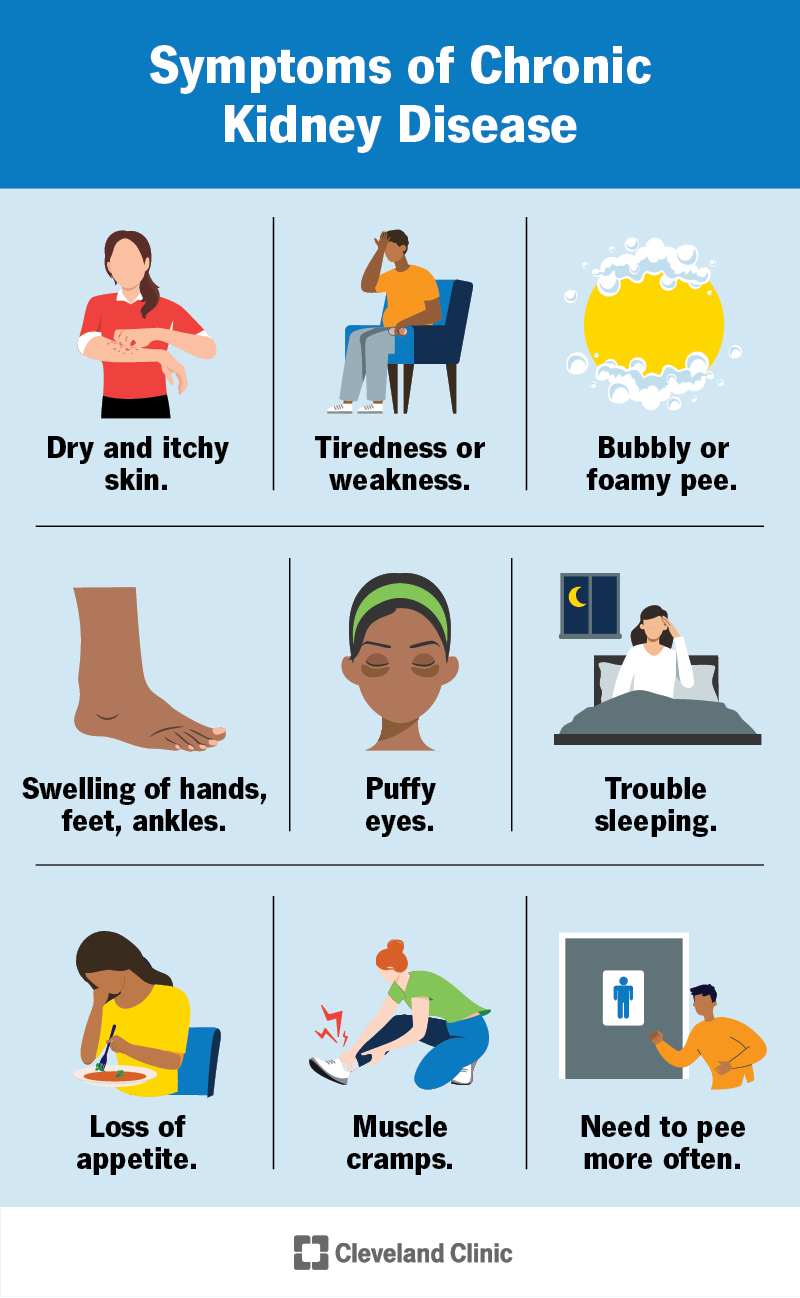
Pay attention to any changes or abnormalities in your urine, which can be indicative of kidney issues. Be vigilant for symptoms such as blood in the urine, frequent urination, foamy urine, or difficulty urinating. If you notice any of these symptoms, consult with your healthcare provider for further evaluation and appropriate treatment.
Pay Attention to Symptoms of Kidney Problems
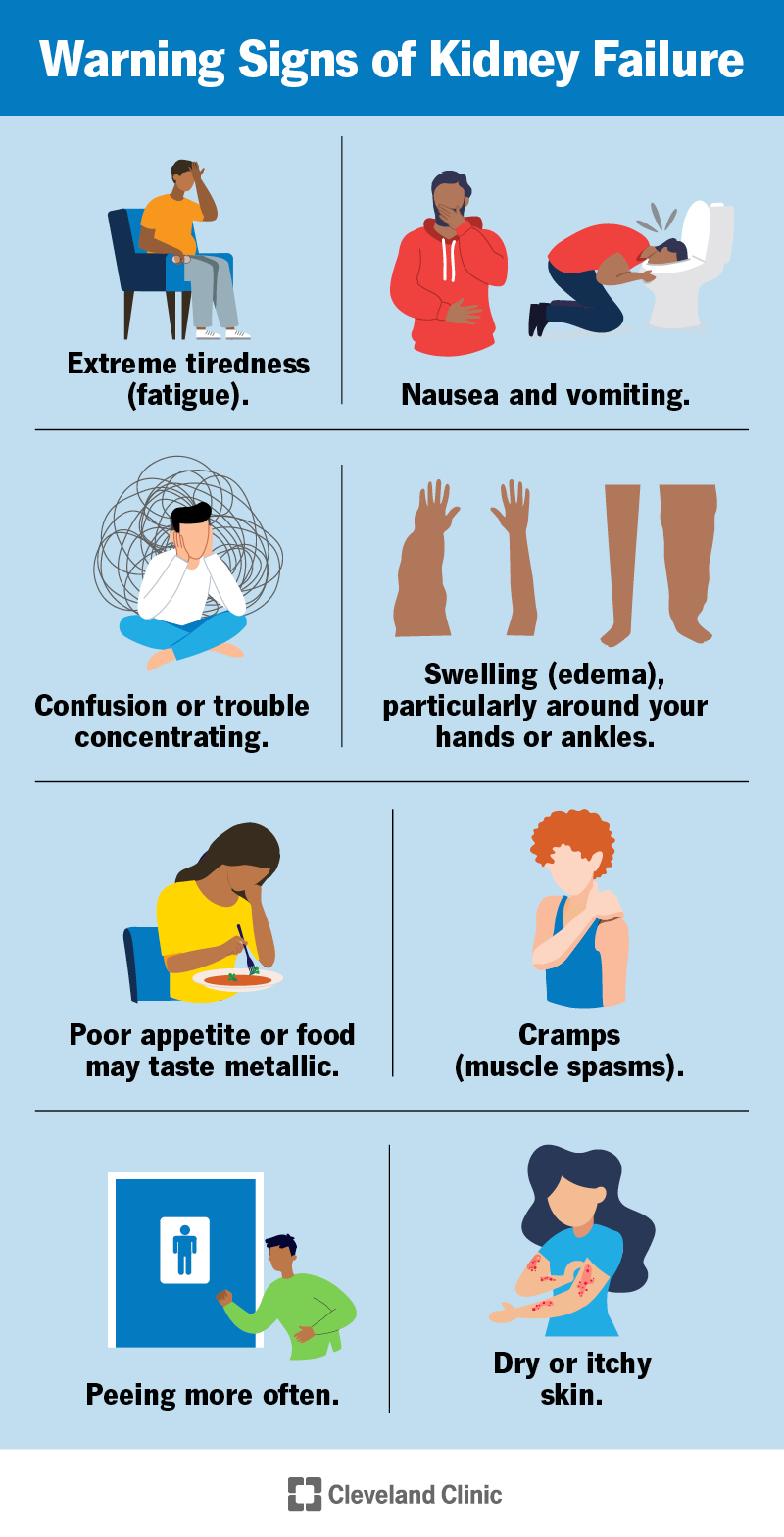
Knowing the signs and symptoms of kidney problems is crucial for prompt intervention. Common symptoms include swelling in the legs or ankles, fatigue, changes in urination patterns, back pain, and unexplained weight loss. If you experience any of these symptoms, it is important to seek medical advice to identify the cause and initiate appropriate treatment.
By following these comprehensive strategies and incorporating healthy habits into your lifestyle, you can significantly reduce the risk of kidney disease and the need for dialysis. Take charge of your kidney health today and enjoy the benefits of a vibrant and kidney-friendly life.
