
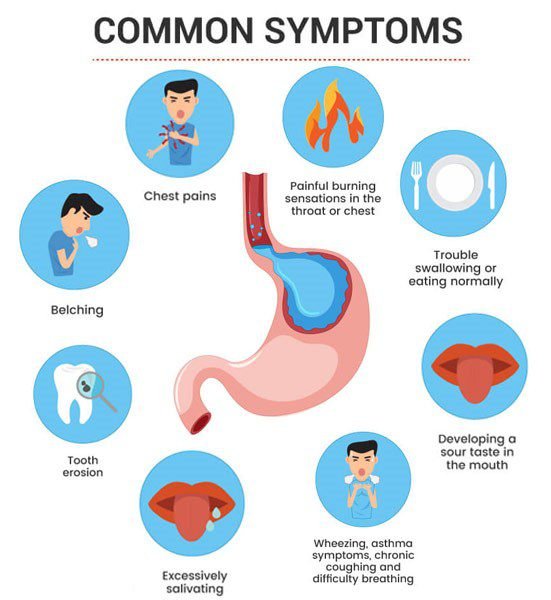
Imagine the discomfort of constantly battling that persistent burning sensation in your chest. Acid reflux, a condition where stomach acid flows back into your esophagus, can wreak havoc on your digestive system. The effects are not limited to just heartburn; it can leave you with a bitter taste in your mouth, cause difficulty swallowing, and even lead to chronic coughing. Understanding the impact acid reflux has on your digestive system is crucial in finding effective ways to manage this unpleasant condition.
The Effects of Acid Reflux on Your Digestive System
Acid reflux, also known as gastroesophageal reflux disease (GERD), is a condition that affects the digestive system. It occurs when the acid from your stomach flows backward into your esophagus, causing a variety of uncomfortable symptoms. In this article, we will explore the different ways in which acid reflux affects the various parts of your digestive system.
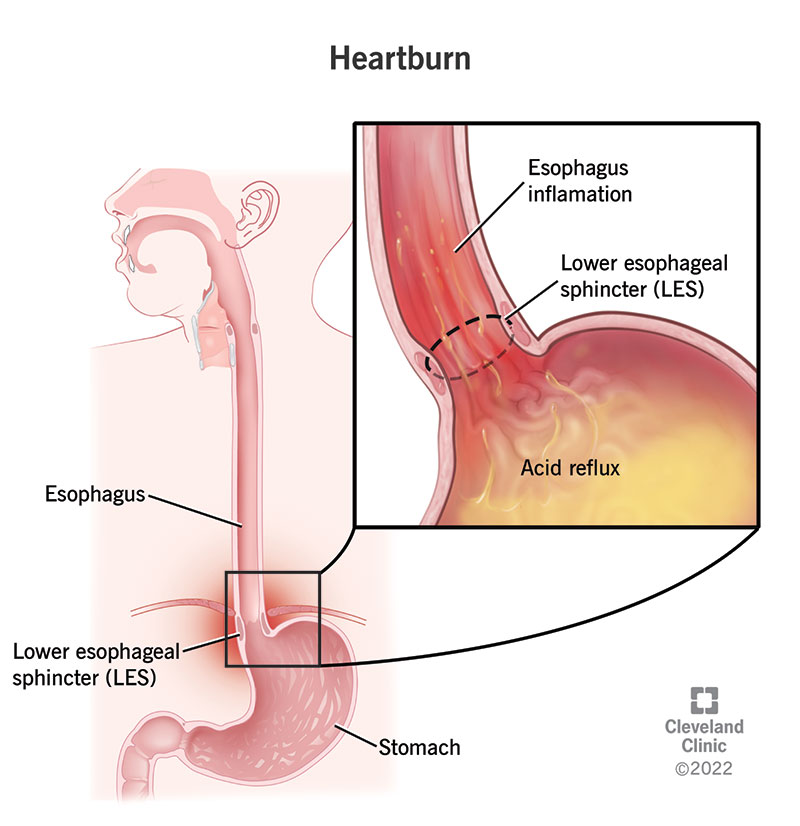
Gastroesophageal Reflux Disease (GERD)
Gastroesophageal reflux disease (GERD) is a chronic form of acid reflux. It occurs when the lower esophageal sphincter (LES), a muscular ring that acts as a barrier between the stomach and the esophagus, becomes weak or relaxed. This allows stomach acid and food to flow back into the esophagus, leading to irritation and inflammation.
Causes of Acid Reflux
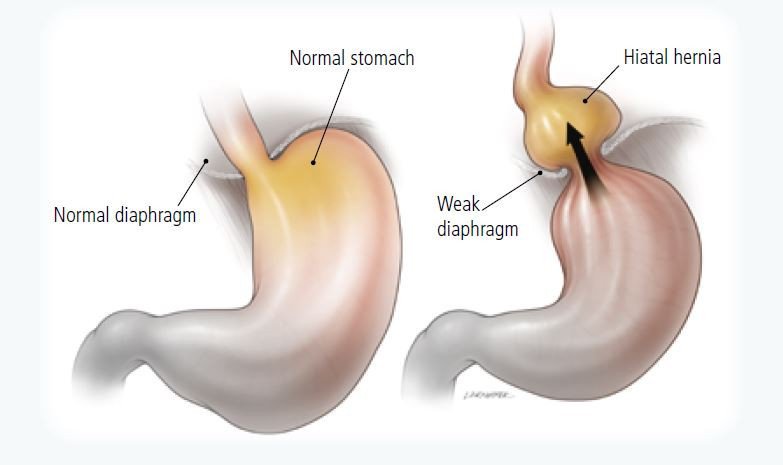
Several factors can contribute to the development of acid reflux. These include obesity, smoking, pregnancy, certain medications, and certain medical conditions such as hiatal hernia. Additionally, certain foods and beverages, such as citrus fruits, tomatoes, chocolate, caffeine, and fatty or spicy foods, can trigger acid reflux symptoms.
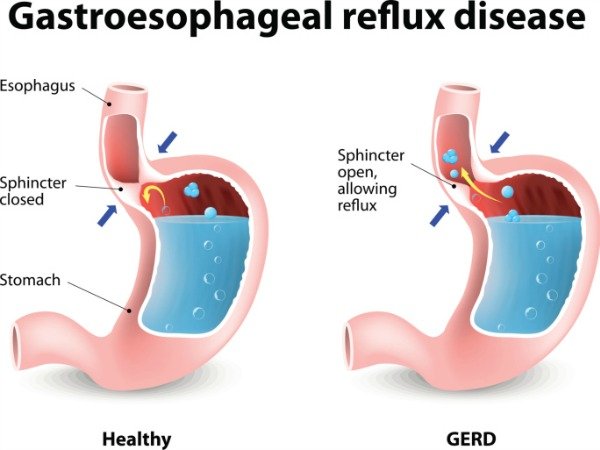
Role of the Lower Esophageal Sphincter (LES)
The lower esophageal sphincter (LES) plays a crucial role in preventing acid reflux. It serves as a barrier that opens to allow food and liquid to enter the stomach and closes to prevent the backflow of stomach acid into the esophagus. When the LES is weak or not functioning properly, acid reflux can occur, leading to various digestive issues.
Impact on the Esophagus
One of the primary effects of acid reflux is the damage it can cause to the lining of the esophagus. The constant exposure to stomach acid can lead to inflammation, irritation, and the development of erosions or ulcers. Over time, this can result in a condition called Barrett’s esophagus, which is a precancerous change in the cells of the esophageal lining.
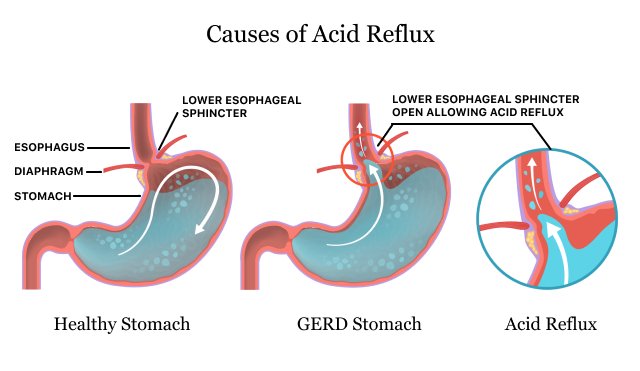
Complications in the Stomach
Acid reflux can also have effects on the stomach. The constant presence of stomach acid in the esophagus can irritate the stomach lining, leading to inflammation and the development of gastritis. In some cases, acid reflux can even cause the stomach to produce excess acid, exacerbating the symptoms and leading to conditions such as peptic ulcers.
Effects on the Small Intestine
The acid reflux may have an impact on the small intestine as well. When stomach acid enters the small intestine, it can disrupt the delicate balance of the intestinal flora and impair the absorption of nutrients. This can lead to nutrient deficiencies and other digestive issues such as diarrhea, bloating, and malabsorption.
Influence on the Large Intestine
While the primary effects of acid reflux are felt in the upper gastrointestinal tract, it can also have indirect effects on the large intestine. The constant irritation and inflammation caused by acid reflux can disrupt the natural movements of the intestines, leading to changes in bowel habits and potentially causing conditions such as irritable bowel syndrome (IBS).
Effect on the Liver
Although the liver is not directly involved in the acid reflux process, continuous exposure to stomach acid and inflammation in the digestive system can place additional stress on the liver. Over time, this can lead to liver damage and a higher risk of developing conditions such as fatty liver disease or liver cirrhosis.
Impact on the Gallbladder
Acid reflux can also affect the gallbladder, which plays a role in the digestion of fats. The constant irritation caused by stomach acid can lead to the formation of gallstones, which are hard deposits that develop in the gallbladder. These gallstones can block the flow of bile, leading to further digestive complications and discomfort.
Effects on the Pancreas
Lastly, acid reflux can have an impact on the pancreas, an organ responsible for producing digestive enzymes. The presence of excess stomach acid in the small intestine can interfere with the normal functioning of the pancreas, leading to a decrease in enzyme production. This can impair the digestion and absorption of fats, proteins, and carbohydrates.
Acid reflux is a condition that affects the entire digestive system. From the esophagus to the stomach, small intestine, large intestine, liver, gallbladder, and pancreas, acid reflux can have a range of effects and complications. Therefore, it is essential to seek medical attention if you experience persistent acid reflux symptoms to prevent further damage to your digestive health. Remember to adopt a healthy lifestyle and avoid triggers that worsen your symptoms for a comfortable and well-functioning digestive system.
Related Terms About The Effects of Acid Reflux on Your Digestive System
Acid Reflux Effect On Digestive System, Can Acid Reflux Affect Your Bowels, Does Acid Reflux Affect Digestion, How Does Acid Reflux Affect Bowel Movements