
Imagine this scenario: you’re a sports enthusiast who loves to participate in thrilling activities like soccer or basketball. While engaging in these high-intensity sports, you’ve probably heard of or even personally experienced the dreaded ACL injury. But what exactly is the Anterior Cruciate Ligament (ACL)? In this article, we will unravel the mysteries surrounding this vital ligament in our knees and gain a deeper understanding of how it functions, what causes it to tear, and the road to recovery for those affected. So grab a seat, put on your learning cap, and let’s dive into the fascinating world of the ACL.

Overview of the Anterior Cruciate Ligament
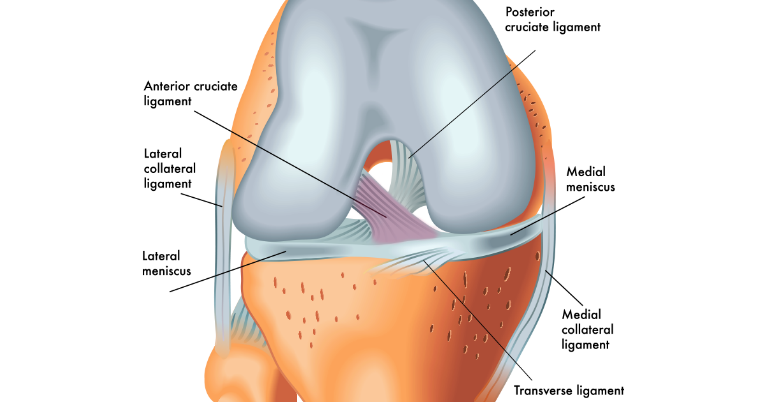
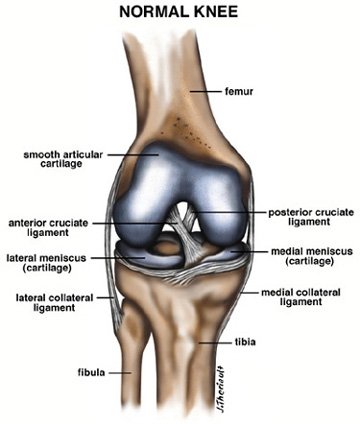
The anterior cruciate ligament (ACL) is one of the major ligaments in the knee joint. It is located deep within the knee and plays a vital role in providing stability and support to the knee during movement. The ACL functions by connecting the thigh bone (femur) to the shin bone (tibia), preventing excessive forward movement of the tibia and rotational instability of the knee.
Causes of Anterior Cruciate Ligament Injuries
Anterior cruciate ligament injuries can occur due to various reasons, including non-contact injuries, contact injuries, and certain risk factors. Non-contact injuries are often caused by sudden deceleration, twisting, or pivoting movements that put excessive stress on the knee joint. Contact injuries, on the other hand, result from direct blows or collisions to the knee, such as those commonly seen in sports like football or soccer. Certain risk factors, such as poor conditioning, muscle imbalances, and previous knee injuries, can also increase the chances of ACL injuries.
Signs and Symptoms of Anterior Cruciate Ligament Injuries
If you sustain an ACL injury, you may experience several signs and symptoms. Pain is often one of the earliest and most commonly reported symptoms. This pain can range from mild to severe, depending on the extent of the injury. Swelling around the knee joint is another common symptom, which is usually caused by an accumulation of fluid due to inflammation. Instability or a feeling of the knee “giving way” is also frequently observed in individuals with ACL injuries. Loss of range of motion and the presence of a popping sound or sensation at the time of injury are other notable symptoms.
Diagnosing Anterior Cruciate Ligament Injuries
To diagnose an ACL injury, a healthcare professional will typically perform a thorough physical examination. During this examination, they will assess the stability and range of motion of your knee and look for any signs of instability. Imaging tests, such as x-rays, may also be used to rule out any possible fractures or other injuries. In some cases, specialized tests, such as magnetic resonance imaging (MRI), can provide a more detailed visualization of the ACL and any associated damage.
Treatment Options for Anterior Cruciate Ligament Injuries
The treatment of ACL injuries depends on several factors, including the severity of the injury, your age, activity level, and overall health. Conservative treatment options may be recommended for individuals with partial tears or those who are not physically active. These may include physical therapy, bracing, and activity modification. However, surgical treatment is often necessary for individuals with complete tears or those who wish to return to high-demand activities. ACL reconstruction surgery involves replacing the damaged ligament with a graft, usually taken from the patient’s own tissue or a donor source.
Post-Surgery Rehabilitation Exercises
Following ACL surgery, a comprehensive rehabilitation program is crucial for optimal recovery and regaining full function of the knee joint. Range of motion exercises play a vital role in restoring normal knee movement and preventing stiffness. These exercises may include gentle stretches and controlled movements to gradually increase the range of motion. Strengthening exercises are also essential for rebuilding the muscles around the knee to provide support and stability. These exercises often involve weight-bearing exercises and resistance training. Balance and proprioception exercises focus on improving coordination and body awareness to reduce the risk of reinjury. Functional exercises, such as agility drills and sport-specific movements, are incorporated later in the rehabilitation process to prepare individuals for the demands of their desired activities.

Preventing Anterior Cruciate Ligament Injuries
While it may not be possible to completely eliminate the risk of ACL injuries, there are several measures that you can take to reduce the chances of experiencing such an injury. Sports-specific training, including exercises that mimic the movements and demands of your chosen sport, can help improve your strength, coordination, and balance, decreasing the likelihood of injury. Proper conditioning is also crucial, as maintaining good overall fitness and strength can provide better support to the knee joint during physical activities. Additionally, warming up adequately before exercise and cooling down properly afterward can help prepare your muscles for activity and prevent excessive stress on the ACL. Lastly, wearing appropriate protective equipment, such as knee braces or suitable footwear, and following safety guidelines can further reduce the risk of ACL injuries.
Potential Complications and Long-Term Effects
ACL injuries can have potential complications and long-term effects. One significant concern is the risk of reinjury, especially for athletes who return to high-demand sports without appropriate rehabilitation and precautions. Additionally, individuals with ACL injuries are at a higher risk of developing osteoarthritis in the affected knee joint. The degenerative changes associated with osteoarthritis can lead to chronic pain, stiffness, and decreased mobility. Furthermore, the psychological impact of an ACL injury should not be underestimated. The emotional and mental toll of coping with a significant injury, undergoing surgery, and the challenges of rehabilitation can have a lasting impact on an individual’s well-being.
ACL Injury Epidemiology
ACL injuries are relatively common, particularly in certain populations. They are more frequently observed in individuals who participate in high-impact sports, such as soccer, basketball, skiing, and football. Studies have shown that there are gender disparities in ACL injury rates, with female athletes being at a higher risk compared to their male counterparts. This increased risk may be attributed to differences in hormone levels, anatomical factors, and neuromuscular control. Furthermore, ACL injuries can occur across various age groups, with young athletes and adults involved in sports activities being particularly susceptible to such injuries.
Current Research and Advancements
Current research in the field of ACL injuries is focused on various areas, including regenerative medicine, biomechanical studies, and injury prevention strategies. Regenerative medicine approaches aim to enhance the healing process and promote tissue regeneration, potentially providing better outcomes for ACL injuries. Biomechanical studies help in understanding the mechanics of ACL injuries and developing improved surgical techniques and rehabilitation protocols. Injury prevention strategies involve identifying risk factors and implementing targeted interventions, such as specific training programs and equipment modifications, to reduce the incidence of ACL injuries.
In conclusion, understanding the anterior cruciate ligament (ACL) and the associated injuries is crucial in order to prevent, diagnose, and treat these injuries effectively. By implementing preventive measures, seeking timely diagnosis and appropriate treatment, and engaging in comprehensive rehabilitation, individuals can improve their chances of successful recovery and minimize the long-term effects of ACL injuries. Ongoing research and advancements in the field continue to contribute to our knowledge and enhance the management of ACL injuries.