
Acquired Immunodeficiency Syndrome, commonly known as AIDS, is a serious health condition that affects millions of people worldwide. This article presents key facts about AIDS, shedding light on its causes, symptoms, and prevention measures. By understanding these important details, you can better protect yourself and others from the risks associated with AIDS. So, let’s explore the essential information about AIDS and empower ourselves with knowledge that can make a difference in the fight against this disease.

What is Acquired Immunodeficiency Syndrome-AIDS?
Definition
Acquired Immunodeficiency Syndrome (AIDS) is a chronic and life-threatening condition caused by the Human Immunodeficiency Virus (HIV). It affects the immune system, making individuals more susceptible to infections and certain types of cancers. AIDS is considered the most advanced stage of HIV infection.
History
AIDS was first recognized in the early 1980s, primarily affecting gay men in the United States. The identification of AIDS initially caused widespread confusion and fear due to the lack of knowledge about the disease. As the epidemic spread, efforts were made to understand and control the virus. Significant progress has been made in terms of prevention, treatment, and management of the disease over the past few decades.
Global Impact
AIDS has had a significant global impact, affecting millions of individuals and communities worldwide. According to the World Health Organization (WHO), since the beginning of the epidemic, more than 75 million people have been infected with HIV, and approximately 32 million people have died from AIDS-related illnesses. The impact of AIDS extends beyond health, leading to social and economic challenges for affected individuals and societies as a whole.
Causes and Transmission of AIDS
HIV Infection
AIDS is caused by the Human Immunodeficiency Virus (HIV), which attacks the body’s immune system. HIV targets CD4 cells, a type of white blood cell that plays a crucial role in the immune response. When HIV enters the body, it replicates within the CD4 cells and gradually destroys them, compromising the immune system’s ability to fight off infections and diseases.
Modes of Transmission
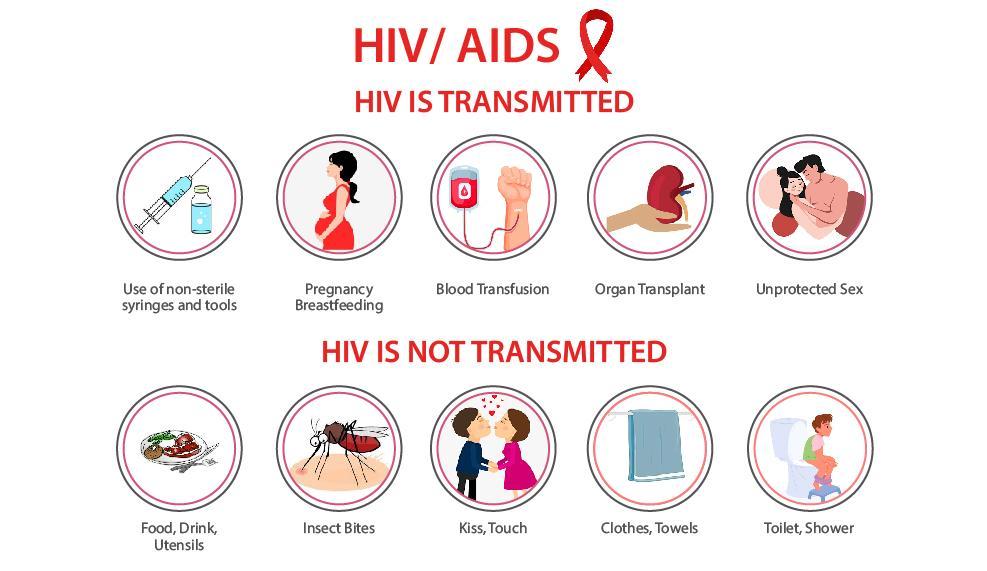
HIV can be transmitted through various modes, including unprotected sexual intercourse with an infected person, sharing needles or syringes contaminated with the virus, mother-to-child transmission during childbirth or breastfeeding, and exposure to infected blood or blood products. It is important to note that HIV cannot be transmitted through casual contact, such as hugging, kissing, or shaking hands.
Risk Factors
Certain behaviors and factors increase the risk of HIV infection. Engaging in unprotected sex, having multiple sexual partners, sharing needles or syringes for drug use, and having a sexually transmitted infection (STI) are considered high-risk behaviors. Additionally, individuals from marginalized communities, including sex workers, men who have sex with men, and people who inject drugs, face increased vulnerability to HIV infection due to various social and structural factors.

Signs and Symptoms of AIDS
Primary Infection
After contracting HIV, individuals may experience a flu-like illness known as primary infection. Common symptoms include fever, fatigue, sore throat, swollen lymph nodes, and rash. However, these symptoms can be mild and often go unnoticed or are mistaken for other illnesses.
Asymptomatic Stage
Following the primary infection, HIV enters an asymptomatic stage, where individuals may not display any apparent symptoms. However, the virus continues to replicate and progressively damage the immune system. Without adequate treatment, this stage can last for several years.
Symptomatic Stage
The symptomatic stage of HIV infection is characterized by the development of various symptoms and opportunistic infections. These infections can occur due to the weakened immune system and may include thrush, persistent diarrhea, tuberculosis, and certain types of pneumonia.
Advanced Stage
The advanced stage of HIV infection is considered AIDS. At this stage, the immune system is severely compromised, and individuals are at a higher risk of developing life-threatening conditions, such as certain cancers, severe bacterial infections, and neurological complications.
Diagnosis of AIDS
HIV Testing
HIV testing is crucial for early detection and timely intervention. Several testing methods are available, including blood tests that detect the presence of HIV antibodies or antigens. Rapid tests can provide results within minutes, enabling immediate counseling and referral for further care.
CD4 Counts
CD4 counts, measured through a blood test, help determine the progression of HIV infection and the level of immune system damage. Lower CD4 counts indicate a weaker immune system and a higher risk of developing opportunistic infections. CD4 counts are important for determining the need for antiretroviral therapy (ART) and monitoring treatment effectiveness.
Other Diagnostic Tests
In addition to HIV and CD4 testing, other diagnostic tests may be conducted to assess the overall health and identify any AIDS-related complications. These tests may include screenings for opportunistic infections, certain cancers, and sexually transmitted infections.

Treatment and Management of AIDS
Antiretroviral Therapy (ART)
Antiretroviral therapy (ART) is the primary treatment for HIV/AIDS. The combination of antiretroviral drugs helps suppress the replication of HIV, reduce the viral load in the body, and slow down the progression of the disease. ART can significantly improve the quality of life, increase life expectancy, and reduce the risk of transmission.
Prevention of Opportunistic Infections
Preventing and managing opportunistic infections is a crucial aspect of AIDS management. Vaccines, prophylactic medications, and regular screenings are used to prevent and treat infections such as tuberculosis, pneumonia, and thrush. Early intervention can prevent complications and improve overall health outcomes.
Palliative Care
Palliative care focuses on improving the quality of life for individuals with advanced AIDS by managing physical symptoms, providing emotional and psychological support, and addressing end-of-life care needs. Palliative care teams work closely with patients and their families to ensure comfort, dignity, and support throughout the disease progression.
Supportive Therapies
Supportive therapies, such as nutritional counseling, mental health support, and adherence counseling, play a vital role in AIDS management. Nutritional support helps maintain a healthy immune system, while mental health services address the emotional challenges faced by individuals living with AIDS. Adherence counseling helps individuals follow their prescribed treatment plans effectively, ensuring the best possible health outcomes.
Prevention Strategies for AIDS
Safe Sex Practices
Practicing safe sex, including consistent and correct condom use, can significantly reduce the risk of HIV transmission during sexual intercourse. Open communication with sexual partners about HIV status, regular testing, and the use of pre-exposure prophylaxis (PrEP) by high-risk individuals are also essential prevention strategies.
Pre-Exposure Prophylaxis (PrEP)
Pre-exposure prophylaxis (PrEP) involves taking antiretroviral medication on a regular basis to prevent HIV infection. PrEP is recommended for individuals at high risk of HIV, including those engaged in sexual relationships with HIV-positive partners, people who inject drugs, and individuals engaging in unprotected sex with multiple partners.
Needle and Syringe Programs
Needle and syringe programs provide sterile injecting equipment to individuals who use drugs, reducing the risk of HIV transmission through the sharing of contaminated needles. These programs also offer education, counseling, and referral services to support drug users in achieving a healthier lifestyle.
Blood and Organ Screening
Screening donated blood and organs for HIV is essential to prevent transmission through transfusions and organ transplantation. Stringent screening measures, including thorough donor screening and laboratory testing, ensure the safety of blood and organ supplies and minimize the risk of HIV transmission.
Mother-to-Child Transmission Prevention
Preventing mother-to-child transmission of HIV is crucial in reducing the number of new infections in children. Antiretroviral therapy for pregnant women living with HIV, elective cesarean deliveries, and formula feeding instead of breastfeeding are key strategies to prevent transmission. Early identification of HIV status during pregnancy ensures appropriate interventions are implemented.
Social Impact of AIDS
Stigma and Discrimination
AIDS has been accompanied by significant stigma and discrimination, affecting the lives of individuals living with the disease. Misconceptions, fear, and discriminatory practices lead to social exclusion, barriers to healthcare access, and limited opportunities for employment and education. Addressing stigma and discrimination is vital in creating supportive and inclusive societies for people living with AIDS.
HIV/AIDS Activism
Over the years, HIV/AIDS activism has played a crucial role in raising awareness, advocating for the rights of affected individuals, and influencing policy changes. Activist groups, non-governmental organizations, and community-based initiatives have worked tirelessly to promote HIV prevention, access to treatment, and support for people living with AIDS.
Advocacy and Awareness
Advocacy and awareness campaigns are essential in combating the spread of HIV/AIDS and addressing the social impact of the disease. Education programs, mass media campaigns, and community outreach initiatives help dispel myths, promote accurate information, and encourage behavior change. These efforts also contribute to reducing stigma and discrimination associated with AIDS.
Epidemiology and Statistics of AIDS
Global Prevalence
Globally, AIDS remains a significant public health challenge. Sub-Saharan Africa is the most affected region, accounting for the majority of new infections and AIDS-related deaths. However, the epidemic is also a concern in other regions, including Asia, Eastern Europe, and Latin America. Efforts to combat AIDS must be tailored to address the specific epidemiological patterns and challenges within each region.
High-Risk Populations
Certain populations face a higher risk of HIV infection due to various factors. Men who have sex with men, sex workers, transgender individuals, and people who inject drugs are among the high-risk populations. Factors contributing to their vulnerability include social stigma, discrimination, limited access to healthcare, and higher rates of risky behaviors.
Key Regions and Countries
The burden of HIV/AIDS varies across different regions and countries. In addition to sub-Saharan Africa, countries such as India, Russia, China, Brazil, and the United States have a significant number of people living with HIV/AIDS. National HIV/AIDS programs, international collaborations, and targeted interventions are necessary to address the unique challenges faced by each country.

Challenges and Future Outlook for AIDS
Access to Treatment
Access to effective treatment remains a major challenge in many parts of the world. Barriers such as high treatment costs, limited healthcare infrastructure, and inadequate supply chains hinder the scale-up of antiretroviral therapy. Efforts to improve access to treatment must be supported by sustainable financing, strengthened healthcare systems, and partnerships between governments, civil society, and international organizations.
HIV Drug Resistance
The emergence of drug-resistant strains of HIV is a concern for the long-term management of AIDS. Misuse of antiretroviral drugs, inadequate adherence, and limited treatment options contribute to the development of drug resistance. Continual surveillance, improved treatment regimens, and research on new antiretroviral drugs are crucial in addressing this challenge.
HIV Vaccine Development
The development of an effective HIV vaccine remains a top priority for the scientific community. Despite significant progress, developing a safe and effective vaccine has proven to be complex. Ongoing research and investment are necessary to identify potential vaccine candidates and conduct rigorous clinical trials.
Ending the Epidemic
Efforts to end the AIDS epidemic require a comprehensive and multi-sectoral approach. Combining prevention strategies, access to treatment and care, addressing social and structural factors, and engaging communities are key components of ending the epidemic. Collaborative efforts at local, national, and global levels are crucial in achieving the goal of eliminating new HIV infections and improving the lives of people living with AIDS.
Resources and Support for People with AIDS
HIV/AIDS Organizations
Numerous organizations provide support, information, and advocacy for people living with HIV/AIDS. These organizations play a vital role in disseminating accurate information, providing counseling services, and advocating for the rights and needs of individuals affected by the disease. Examples of such organizations include the Joint United Nations Programme on HIV/AIDS (UNAIDS), the International AIDS Society (IAS), and the Global Network of People Living with HIV (GNP+).
Support Groups
Support groups bring together individuals living with AIDS, providing a safe space to share experiences, receive emotional support, and exchange knowledge about coping strategies. These groups foster a sense of community and provide opportunities for peer support, facilitating the overall well-being of individuals living with AIDS.
Counseling Services
Counseling services form an integral part of AIDS management, addressing the emotional and psychological impact of the disease. Trained counselors offer support, guidance, and coping strategies for individuals and their families. Counseling services can be accessed through healthcare facilities, community organizations, and helplines dedicated to providing support for people affected by AIDS.
In conclusion, Acquired Immunodeficiency Syndrome (AIDS) is a complex medical condition caused by the Human Immunodeficiency Virus (HIV). Understanding the causes, transmission, symptoms, diagnosis, treatment, and prevention strategies associated with AIDS is crucial in addressing the global impact of the disease. While significant progress has been made in improving the lives of people living with AIDS, there are still challenges to overcome, such as ensuring access to treatment, combating stigma and discrimination, and developing an effective vaccine. By advocating for the rights and needs of individuals affected by AIDS, promoting awareness, and fostering collaborative efforts, we can strive towards ending the AIDS epidemic and improving the health and well-being of millions worldwide.