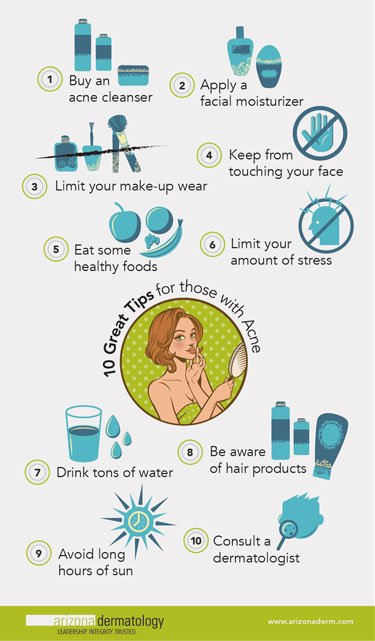
If you’ve been dealing with the frustrations of acne, you’re not alone. Acne is a common skin condition that affects millions of people worldwide, causing blemishes and often affecting self-confidence. But fear not, because in this article, we’ll be sharing some clear skin tips that can help you on your journey to achieving a healthy, radiant complexion. With a few simple adjustments to your skincare routine and lifestyle choices, you’ll be well on your way to clearer, smoother skin. Say goodbye to breakouts and hello to a more confident you!
Understanding Acne
What is acne?
Acne is a common skin condition characterized by the presence of pimples, blackheads, and whiteheads on the face, chest, back, and other areas of the body. It occurs when the hair follicles or pores become clogged with oil, dead skin cells, and bacteria. Acne can be both physically and emotionally distressing, affecting people of all ages, but it is most common during puberty and adolescence.
Causes of acne
Several factors contribute to the development of acne. One of the main causes is the overproduction of sebum, an oily substance that helps protect and lubricate the skin. When there is an excess of sebum production, it can clog the pores, leading to the formation of acne. Hormonal changes, such as during puberty or pregnancy, can also trigger acne. Other contributing factors include genetics, certain medications, stress, and certain cosmetics or skincare products that may clog the pores.
Different types of acne
Acne can manifest in different forms, and understanding the various types can help in its management. Some common types of acne include:
-
Whiteheads: These are small, flesh-colored or white bumps that occur when a pore is completely blocked.
-
Blackheads: These are similar to whiteheads but have a dark appearance due to the oxidation of the oil and dead skin cells within the pore.
-
Papules: These are small, red, inflamed bumps that are tender to touch. They occur when the walls of the pores break down.
-
Pustules: These are red, inflamed bumps with a white or yellow center filled with pus. They are typically larger and more painful than papules.
-
Nodules: Nodular acne consists of large, painful, and deep bumps beneath the surface of the skin. They can be firm and may last for weeks or months.
-
Cysts: Cystic acne is the most severe form, characterized by large, painful, pus-filled lesions. It can cause deep scarring and requires medical intervention.
Factors that can worsen acne
While the exact causes of acne can vary from person to person, certain factors can worsen or exacerbate the condition. Understanding and avoiding these triggers can help manage acne more effectively. Some common factors that can worsen acne include:
-
Hormonal changes: Hormonal fluctuations during puberty, menstrual cycles, or hormonal disorders can trigger or worsen acne.
-
Stress: High levels of stress can lead to increased inflammation and hormonal imbalances, which can contribute to acne flare-ups.
-
Diet: Consuming a diet high in processed foods, sugary snacks, and dairy products may exacerbate acne. Certain food allergies or sensitivities can also trigger breakouts in some individuals.
-
Cosmetics and skincare products: Certain cosmetics and skincare products containing comedogenic ingredients or heavy oils can clog pores and aggravate acne.
-
Environmental factors: Exposure to pollutants, humidity, and excessive sweating can contribute to the development or worsening of acne.
-
Friction and pressure: Constant rubbing, friction, or pressure on the skin can irritate and worsen existing acne lesions.
Creating a Skincare Routine
Cleansing your skin
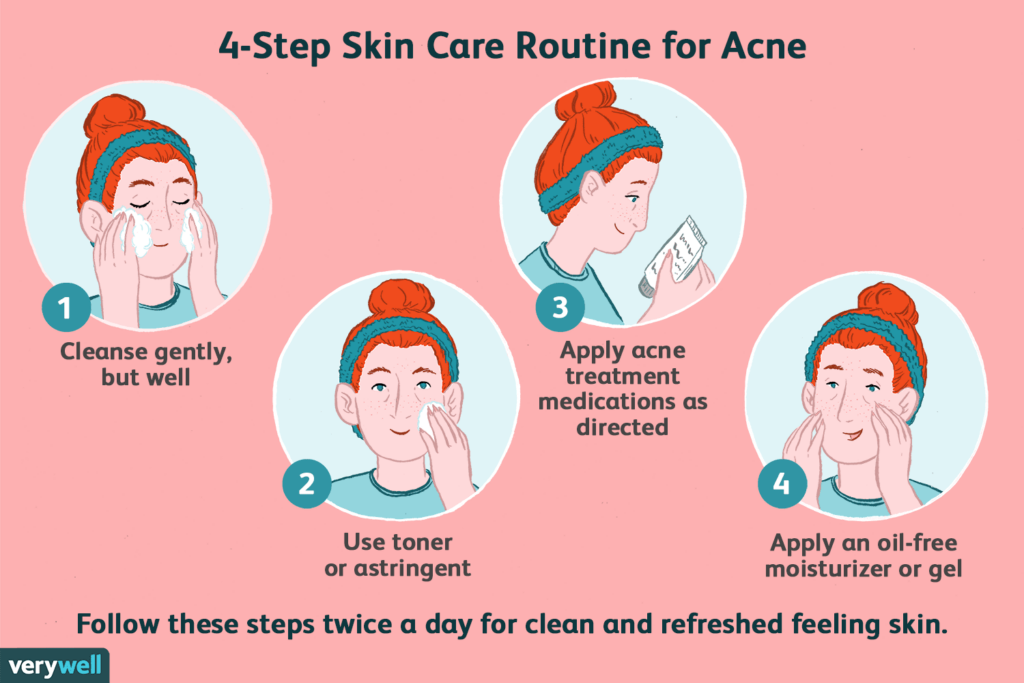
Properly cleansing your skin is the foundation of any effective skincare routine for acne-prone skin. Use a gentle cleanser specifically formulated for acne or sensitive skin twice a day, in the morning and evening. Avoid harsh scrubs or abrasive cleansers that can irritate the skin and exacerbate acne. Gently massage the cleanser onto your face using upward circular motions, then rinse thoroughly with lukewarm water and pat dry with a clean towel.
Choosing the right products
When selecting skincare products for acne-prone skin, it is essential to choose those that are non-comedogenic, oil-free, and dermatologist-approved. Look for ingredients such as salicylic acid, benzoyl peroxide, or tea tree oil, as they have been shown to effectively target acne. However, be cautious with stronger ingredients, as they can cause dryness or irritation in some individuals. It’s also important to patch test new products before incorporating them into your skincare routine.
Using topical treatments
Topical treatments, such as creams, gels, or serums, can help target and reduce acne lesions. Look for products containing ingredients like benzoyl peroxide, salicylic acid, or retinoids. These ingredients work by unclogging pores, reducing inflammation, and preventing the growth of acne-causing bacteria. Apply the treatment as directed by your dermatologist or the product instructions, usually once or twice daily. Be mindful of any potential side effects, such as dryness or sensitivity, and adjust usage accordingly.
Moisturizing your skin
Contrary to common belief, moisturizing is crucial even for acne-prone skin. Opt for a lightweight, oil-free moisturizer that won’t clog your pores. Look for ingredients like hyaluronic acid or ceramides, which help maintain the skin’s moisture barrier. Applying moisturizer after cleansing and using acne treatments can help balance the skin’s hydration levels and prevent excessive dryness or irritation. Be sure to choose a non-comedogenic moisturizer specifically designed for acne-prone skin.
Protecting your skin from the sun
While sunlight can temporarily improve the appearance of acne, excessive sun exposure can damage the skin and lead to long-term skin concerns. Use a non-comedogenic sunscreen with at least SPF 30 daily, even on cloudy days or indoors. Look for “broad-spectrum” sunscreens that protect against both UVA and UVB rays. Apply sunscreen generously and reapply every two hours, especially if you’re spending time outdoors. Sunscreen helps prevent sunburn, premature aging, and hyperpigmentation, which can be more noticeable on acne-affected skin.
Diet and Nutrition
The impact of diet on acne
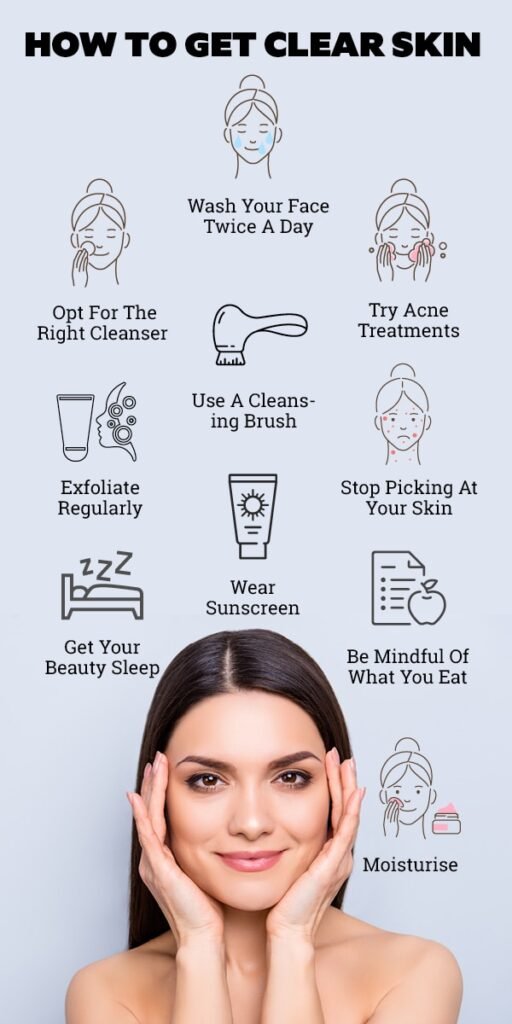
While the relationship between diet and acne is complex and varies between individuals, certain dietary choices can potentially influence acne development and severity. It’s important to note that diet alone is not a definitive solution for acne, but it can play a role in managing the condition. Eating a well-balanced diet rich in whole foods, fruits, vegetables, lean proteins, and healthy fats can help support overall skin health and reduce inflammation.
Foods to avoid
Some studies suggest that certain foods may exacerbate acne in certain individuals. While the impact can vary, it may be worth considering avoiding or minimizing the consumption of the following:
-
High-glycemic foods: Foods with a high glycemic index, such as sugary snacks, white bread, and processed foods, may contribute to acne development or worsen existing acne.
-
Dairy products: Some individuals may experience acne breakouts due to the hormones present in dairy products. Consider reducing or eliminating dairy from your diet if you suspect it may be a trigger for your acne.
-
Greasy or fried foods: While the correlation between greasy or fried foods and acne is not well-established, some individuals may find that consuming excessive amounts of these foods leads to breakouts.
-
Highly processed or sugary foods: Foods high in refined sugars or processed ingredients can potentially promote inflammation and exacerbate acne.
Foods to incorporate
Certain foods have been associated with potential benefits for acne-prone skin due to their anti-inflammatory properties or their ability to support skin health. While individual responses may vary, consider incorporating the following foods into your diet:
-
Omega-3 fatty acids: Found in fatty fish like salmon and sardines, as well as flaxseeds and walnuts, omega-3 fatty acids have anti-inflammatory effects that may help reduce acne inflammation.
-
Antioxidant-rich foods: Fruits and vegetables, such as berries, leafy greens, and colorful bell peppers, are packed with antioxidants that help protect the skin from oxidative stress and support overall skin health.
-
Probiotic-rich foods: Fermented foods like yogurt, kefir, sauerkraut, and kimchi contain beneficial bacteria that may help balance gut health and potentially improve certain skin conditions, including acne.
The importance of hydration
Staying hydrated is crucial for maintaining healthy skin, including acne-prone skin. Adequate hydration helps flush out toxins from the body, regulate oil production, and support an optimal skin barrier function. Aim to drink plenty of water throughout the day to keep your body and skin adequately hydrated. If you find plain water boring, you can infuse it with fruits, herbs, or sip on herbal teas to boost your hydration levels and enjoy added health benefits.
Managing Stress
The link between stress and acne
It’s no secret that stress can wreak havoc on our overall well-being, including our skin. Stress triggers the release of hormones like cortisol, which can stimulate sebum production and increase inflammation in the body, leading to acne flare-ups. Moreover, stress can disrupt sleep patterns, alter eating habits, and decrease motivation to follow a healthy skincare routine, all of which can worsen acne symptoms.
Practicing stress-management techniques
Finding healthy ways to manage stress is crucial for maintaining clear skin and overall well-being. Here are some effective stress-management techniques to consider:
-
Exercise: Engaging in regular physical activity can help reduce stress levels, improve mood, and boost overall well-being. Try incorporating activities like yoga, jogging, or dancing into your routine.
-
Meditation and deep breathing: Taking a few minutes each day to practice meditation or deep breathing exercises can help calm the mind, reduce stress, and promote relaxation.
-
Journaling: Writing down your thoughts and feelings in a journal can serve as a therapeutic outlet and help process emotions related to stress.
-
Social connections: Spending time with loved ones, talking about your feelings, or seeking support from a trusted friend can help alleviate stress and create a sense of connection.
Finding time for relaxation
In our fast-paced world, finding moments of relaxation is essential for managing stress and promoting clear skin. Consider incorporating relaxation techniques into your daily routine, such as:
-
Taking baths: Soaking in a warm bath with Epsom salts or essential oils can be incredibly soothing and help relieve stress.
-
Listening to music: Listening to calming music or nature sounds can help relax the mind and induce a sense of tranquility.
-
Engaging in hobbies: Dedicate time to activities you enjoy, whether it’s reading, painting, gardening, or playing a musical instrument. Engaging in hobbies can provide a much-needed break from stress and contribute to overall well-being.
-
Practicing mindfulness: Being fully present in the moment and focusing on your senses can help shift your attention away from stress. Mindfulness exercises, such as mindful eating or mindful walking, can be easily incorporated into everyday life.
Getting enough sleep
A good night’s sleep is crucial for overall health, including the health of your skin. Lack of sleep can increase stress levels, weaken the immune system, and impair skin healing processes, all of which can contribute to acne breakouts. Aim for 7-9 hours of quality sleep each night by adopting healthy sleep habits, such as:
-
Establishing a bedtime routine: Develop a relaxing bedtime routine to signal to your body that it’s time to unwind and prepare for sleep. This can include activities like reading a book, taking a warm bath, or practicing relaxation techniques.
-
Creating a sleep-friendly environment: Make sure your bedroom is cool, dark, and quiet. Use comfortable bedding and consider using a white noise machine or earplugs to block out any disruptive sounds.
-
Limiting screen time before bed: The blue light emitted by electronic devices can interfere with sleep quality. Avoid using screens, such as smartphones or tablets, at least one hour before bed to improve sleep.
-
Avoiding stimulants: Limit your consumption of caffeinated beverages like coffee, tea, and soda in the afternoon and evening, as they can hinder sleep quality.
By prioritizing stress management and incorporating healthy lifestyle habits, you can not only improve your acne but also enhance your overall well-being.
Lifestyle Changes for Clear Skin
Keeping your hands off your face
Touching your face with unwashed hands can transfer bacteria, oil, and dirt onto your skin, potentially clogging pores and leading to acne breakouts. Break the habit of touching your face throughout the day, especially when you haven’t washed your hands or if you’re prone to picking at your pimples. Be mindful of this tendency, and try to develop alternative habits like using a clean tissue to scratch an itch or keeping your hands occupied with a stress ball or fidget toy.
Avoiding harsh or abrasive materials
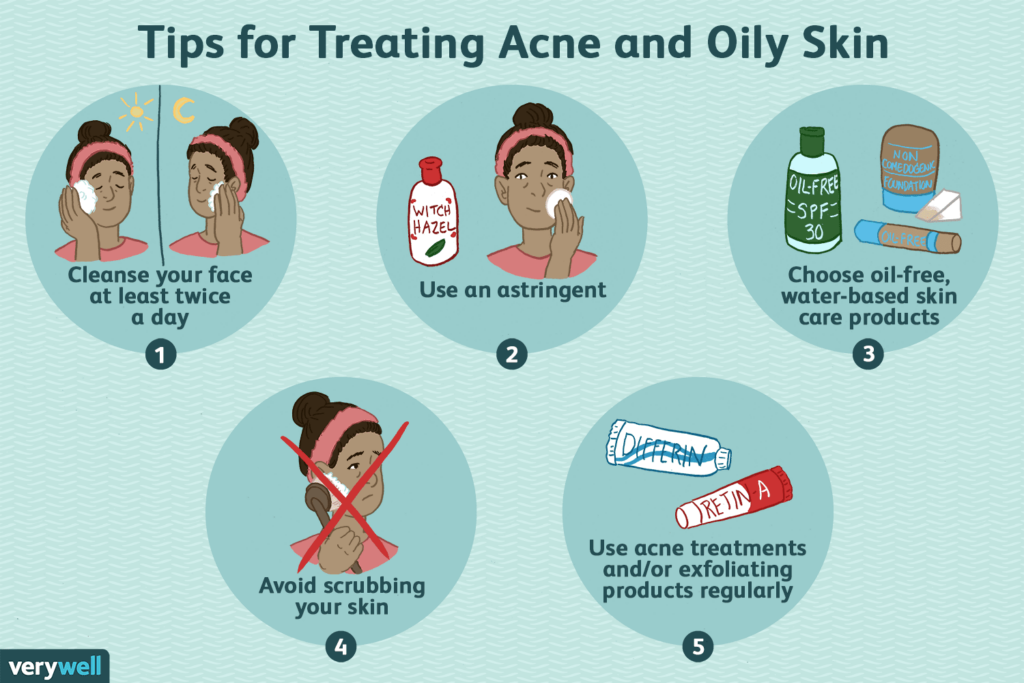
When it comes to your skin, gentle care is key. Avoid using harsh or abrasive materials, such as rough washcloths, scrub brushes, or loofahs, as they can irritate the skin and trigger breakouts. Instead, opt for soft, clean hands or a soft, microfiber cloth to cleanse your face. Pat your skin dry with a clean towel instead of rubbing vigorously, which can cause irritation.
Washing your pillowcases regularly
Pillowcases can accumulate dirt, oils, and bacteria, particularly if you don’t cleanse your face before bed. Sleeping with a dirty pillowcase can transfer these impurities onto your skin, potentially worsen acne breakouts. Aim to wash your pillowcases at least once a week using a fragrance-free, mild detergent to ensure a clean surface for your face while you sleep. Consider having multiple pillowcases on rotation, so you always have a fresh one available.
Avoiding excessive sweating
Sweating is a natural bodily process, but excessive sweating can exacerbate acne breakouts. When sweat mixes with oil, dirt, and bacteria on the skin’s surface, it can clog pores and lead to breakouts. To minimize excessive sweating, consider the following tips:
-
Wear breathable fabrics: Opt for loose clothing made from natural fibers like cotton or lightweight wicking fabrics that help draw moisture away from the skin.
-
Shower after sweating: Rinse your body with lukewarm water and gently cleanse your face after sweating to remove sweat, oils, and impurities.
-
Use oil-free skincare products: Choose oil-free, non-comedogenic products to avoid adding extra oil to your already acne-prone skin.
Not picking or popping pimples
As tempting as it may be, picking or popping pimples can worsen acne and leave behind scars or hyperpigmentation. It can also introduce bacteria to the surrounding skin, leading to further breakouts. Instead of picking or squeezing pimples, consider opting for gentle acne treatments or spot treatments containing benzoyl peroxide or salicylic acid. If you’re struggling with the urge to pick, cover the pimple with a hydrocolloid acne patch to prevent picking and promote faster healing.
Seeking Professional Help
When to see a dermatologist
While mild to moderate acne can often be managed with over-the-counter products and lifestyle changes, there may be instances where seeking professional help from a dermatologist is necessary. Consider scheduling an appointment with a dermatologist if:
-
Your acne is severe or persistent: If your acne is severe, painful, or not responding to over-the-counter treatments, consulting a dermatologist can help determine a more effective treatment plan.
-
You’re experiencing emotional distress: Acne can impact self-esteem and emotional well-being. If your acne is causing significant emotional distress, seeking support and guidance from a dermatologist can provide relief and assistance.
-
You’re developing acne scars: If you notice that your acne is leaving behind scars or pigmentation marks, a dermatologist can offer various treatments to minimize their appearance.
Prescription medications for acne
Dermatologists may prescribe certain medications to help manage acne when over-the-counter treatments prove inadequate. These medications may include:
-
Topical retinoids: Derived from vitamin A, topical retinoids such as tretinoin or adapalene can help unclog pores, reduce inflammation, and promote healthier skin cell turnover.
-
Topical antibiotics: These medications are often prescribed in combination with other treatments to help control acne-causing bacteria and reduce inflammation.
-
Oral antibiotics: In severe cases of acne, oral antibiotics may be prescribed to reduce bacteria and inflammation. They are usually used in combination with topical treatments.
-
Oral contraceptives: For cases of acne caused by hormonal imbalances, certain oral contraceptives that contain both estrogen and progestin can help regulate hormone levels and improve acne symptoms in some individuals.
Medical treatments for acne
Dermatologists may perform specific medical treatments to manage acne, especially for severe or stubborn cases. These treatments may include:
-
Chemical peels: Chemical peels involve applying a solution to the skin, causing it to peel off, revealing smoother and clearer skin underneath. Chemical peels can help reduce acne lesions and promote overall skin rejuvenation.
-
Laser or light therapy: Certain laser or light therapy treatments can target acne-causing bacteria, reduce inflammation, and promote skin healing.
-
Corticosteroid injections: For severe or cystic acne lesions, corticosteroid injections can help reduce inflammation and speed up the healing process.
-
Extraction of blackheads or whiteheads: Dermatologists may perform manual extractions to remove stubborn blackheads or whiteheads, using specialized tools in a controlled and sterile environment.
Alternative therapies
In some cases, alternative therapies may be explored to complement traditional acne treatments. These therapies may include:
-
Acupuncture: This traditional Chinese medicine technique involves inserting thin needles into specific points on the body to promote balance and healing. Some individuals may find acupuncture helpful in managing acne.
-
Herbal supplements: Certain herbal supplements, such as tea tree oil or zinc, are believed to have anti-inflammatory or antibacterial properties that may help with acne symptoms. However, it’s important to consult with a healthcare professional before incorporating any supplements into your routine.
-
Probiotic supplementation: Probiotics are live bacteria that can support gut health and potentially improve certain skin conditions, including acne. Discuss with a healthcare professional to determine the appropriate probiotic strains and dosage for your needs.
It’s important to note that alternative therapies should be used in conjunction with evidence-based medical treatments and under the guidance of a healthcare professional. Proper diagnosis and personalized treatment plans are essential for effectively managing acne.
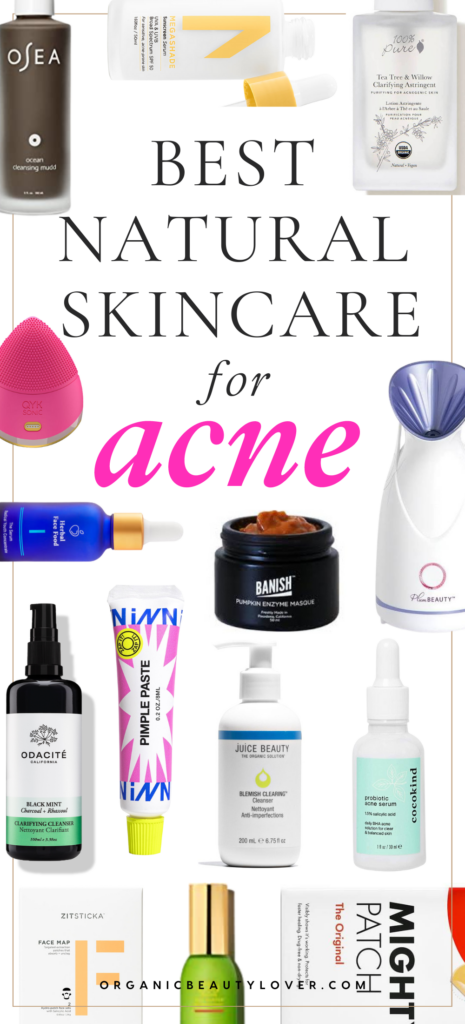
Natural Remedies
Tea tree oil
Tea tree oil is a popular natural remedy for acne due to its antibacterial and anti-inflammatory properties. It can help reduce acne-causing bacteria on the skin and soothe inflammation. However, it’s important to use tea tree oil properly to avoid irritation or allergic reactions. Dilute tea tree oil with a carrier oil, such as jojoba oil or coconut oil, before applying it to the skin. Conduct a patch test on a small area of skin first to check for any adverse reactions, and apply it sparingly to individual acne lesions.
Honey and cinnamon
A combination of honey and cinnamon is often used in DIY face masks to help manage acne. Honey has antibacterial properties that can help reduce acne-causing bacteria, while cinnamon has both antibacterial and anti-inflammatory effects. Mix equal parts of raw honey and ground cinnamon to form a paste, then apply it to the skin as a spot treatment or as a full-face mask. Leave it on for 10-15 minutes before gently rinsing off with warm water.
Aloe vera
Aloe vera has soothing and anti-inflammatory properties that can be beneficial for acne-prone skin. It can help reduce redness and inflammation associated with acne lesions. Extract fresh aloe vera gel from an aloe leaf or use a high-quality, pure aloe vera gel. Apply a thin layer of the gel to clean skin and leave it on until fully absorbed. Aloe vera can be used as a spot treatment or as an all-over face moisturizer.
Green tea
Green tea contains antioxidants and anti-inflammatory compounds that may help reduce acne-related inflammation and soothe the skin. Brew a cup of green tea, allow it to cool, and then apply it to the skin using a cotton ball or spritz it onto the face as a refreshing toner. Alternatively, you can use green tea bags by placing them on acne-prone areas for a few minutes. Incorporating green tea into your skincare routine may provide additional benefits when combined with other acne management strategies.
Apple cider vinegar
Apple cider vinegar (ACV) is commonly used as a natural remedy for various skin conditions, including acne. It has antibacterial and exfoliating properties that can help reduce acne-causing bacteria, unclog pores, and balance the skin’s pH levels. However, ACV can be harsh and should be diluted before use. Mix one part ACV with three parts water and apply it to the skin using a cotton pad as a toner. Leave it on for a few minutes before rinsing off with water. Start with a lower concentration of ACV and gradually increase if well-tolerated.
Avoiding Makeup Mistakes
Choosing non-comedogenic products
When choosing makeup products, opt for those labeled as non-comedogenic or oil-free. Non-comedogenic products are specifically formulated not to clog pores, reducing the likelihood of acne breakouts. Look for products that are lightweight and free from potential pore-clogging ingredients like mineral oil, lanolin, or petrolatum. Test new products on a small area of skin before applying them to your entire face to ensure they don’t cause any adverse reactions.
Removing makeup properly
Properly removing makeup at the end of the day is crucial for maintaining clear skin. Failing to remove makeup can lead to clogged pores and contribute to acne breakouts. Use a gentle makeup remover suitable for your skin type to effectively remove all traces of makeup. Follow up with a gentle cleanser to thoroughly cleanse the skin and rinse away any remaining residue. Avoid rubbing or tugging on the skin, as this can cause irritation and redness.
Cleaning makeup brushes regularly
Makeup brushes can harbor bacteria, dirt, and oil, which can transfer onto your skin and potentially worsen acne. Clean your makeup brushes regularly to keep them free from buildup. Use a gentle brush cleaner or mild shampoo to wash the bristles, gently lathering them with warm water. Rinse thoroughly and allow the brushes to air dry completely before using them again. Aim to clean your brushes at least once a week, or more frequently if you use them daily.
Avoiding heavy makeup
Opt for lightweight, breathable makeup formulations instead of heavy products that can clog pores and suffocate the skin. Choose water-based foundations or mineral powders that allow the skin to breathe. Avoid excessive layering of products, as this can further congest the skin. Focus on achieving a natural look, and use makeup to enhance your features rather than completely covering up blemishes.
Letting your skin breathe
While makeup can provide a confidence boost and help enhance your appearance, giving your skin regular breaks from cosmetics is important. Allow your skin to breathe by going makeup-free on occasion, especially during days when you don’t have any special events or obligations. Giving your skin a chance to breathe and rest can help reduce the risk of clogged pores and imbalance in the skin’s natural functioning.