
Have you ever wondered about the ancient healing techniques used in Traditional Chinese Medicine? In this article, we will be exploring the fascinating world of acupuncture, a practice that has been around for thousands of years. Acupuncture involves the insertion of thin needles into specific points on the body to stimulate energy flow and promote overall well-being. Dive into this captivating exploration and discover the secrets of acupuncture, a method that has stood the test of time and continues to provide relief and healing to millions of people worldwide. Acupuncture has been practiced for thousands of years and is a fundamental component of Traditional Chinese Medicine (TCM). It is based on the concept of energy flow, known as Qi, throughout the body. This ancient practice has gained recognition and popularity worldwide for its ability to promote healing, alleviate pain, and enhance overall well-being.

The History and Origins of Traditional Chinese Medicine
Ancient Chinese philosophy
The roots of TCM can be traced back to ancient Chinese philosophy, particularly the belief that the human body is a microcosm of the larger universe. Chinese philosophers observed the world around them and sought to understand the fundamental principles that governed it. This exploration led to the development of key concepts that form the foundation of TCM, such as the interplay between Yin and Yang and the Five Elements theory.
The five elements theory
According to the Five Elements theory, all phenomena in the universe can be categorized into five elements: Wood, Fire, Earth, Metal, and Water. Each element corresponds to different organs in the body and is believed to be interconnected. The balance and harmony between these elements are crucial for maintaining optimal health.
Yin and Yang balance
Yin and Yang are two opposing forces that represent the duality and interconnectedness of nature. Yin is associated with femininity, darkness, and cold, while Yang is associated with masculinity, light, and heat. In TCM, good health is achieved when there is a harmonious balance between Yin and Yang within the body. An imbalance between these forces can lead to illness and various health issues.
The concept of qi
At the heart of TCM is the concept of qi (pronounced “chee”), often translated as “vital energy” or “life force.” Qi flows through the body’s meridians, which are pathways that connect various organs and systems. It is believed that when qi is blocked or imbalanced, health problems arise. Acupuncture works by manipulating the flow of qi to restore balance and promote wellness.
The Concept of Energy and Meridians
The flow of qi
In TCM, the flow of qi is of utmost importance. Qi is constantly circulating throughout the body, nourishing and supporting the organs and tissues. When the flow of qi is disrupted or blocked, it can manifest as physical or emotional symptoms. Acupuncture aims to remove these blockages and restore the smooth flow of qi.
Meridians and their pathways
Meridians are the pathways through which qi flows. These pathways form a complex network that connects specific points on the body. There are 12 primary meridians and 8 extraordinary meridians, each associated with specific organs and bodily functions. By stimulating specific points along these meridians, an acupuncturist can influence the flow of qi and restore balance to the body.
How Qi is influenced by emotions and lifestyle
According to TCM, emotions and lifestyle factors can significantly impact the flow of qi. Excessive stress, anger, sadness, or other strong emotions can create imbalances in the body’s energy system. Similarly, poor diet, lack of exercise, and unhealthy habits can disrupt the flow of qi. Acupuncture not only addresses physical ailments but also takes into account these emotional and lifestyle factors to promote overall well-being.

The Fundamentals of Acupuncture
Acupuncture points and their significance
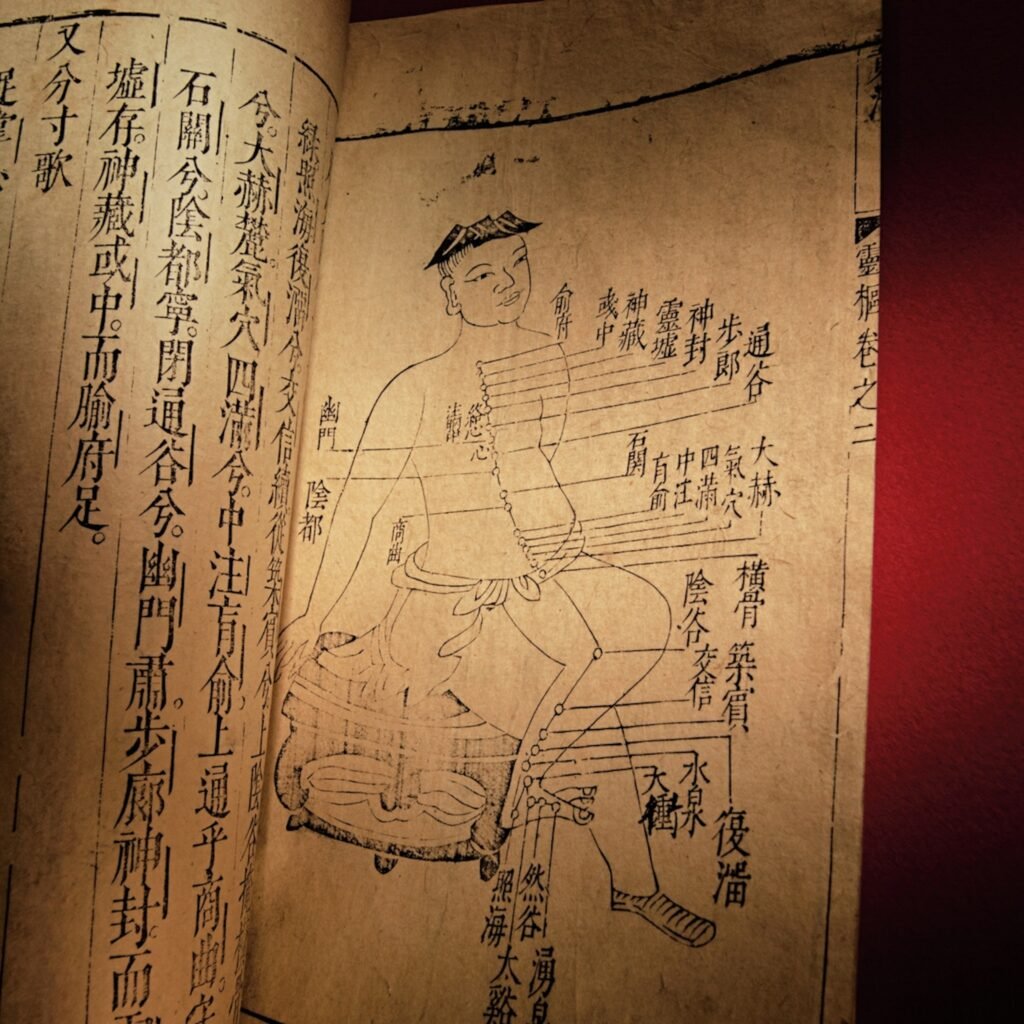
Acupuncture points, also known as acupoints, are specific locations on the body where the qi can be accessed and manipulated. These points are believed to be connected to the body’s organ systems and correspond to different symptoms and conditions. By stimulating these points with acupuncture needles, an acupuncturist can restore the balance of qi and promote healing.
The insertion of acupuncture needles
Acupuncture treatment involves the insertion of fine needles into specific acupoints on the body. The needles are very thin and usually cause minimal discomfort. The acupuncturist carefully selects the appropriate points based on the individual’s condition and inserts the needles to the desired depth. The needles may be manipulated gently to stimulate the flow of qi.
Different techniques and styles of acupuncture
Over the centuries, various styles and techniques of acupuncture have emerged. Traditional Chinese acupuncture involves the insertion of needles along specific meridians to restore the flow of qi. Japanese acupuncture focuses on gentle needling techniques and uses fewer needles. Other styles, such as Korean and Vietnamese acupuncture, have their own unique approaches. Each style offers its own benefits and may be tailored to the individual’s needs.
Understanding the Effects of Acupuncture
The role of acupuncture in pain management
One of the most well-known applications of acupuncture is pain management. Acupuncture can help alleviate both acute and chronic pain by stimulating the body’s natural pain-relieving mechanisms. By targeting specific acupoints associated with pain, acupuncture can reduce inflammation, promote blood flow, and release endorphins, providing relief from a wide range of conditions, including headaches, back pain, and arthritis.
Acupuncture’s impact on the nervous system
Acupuncture has been shown to have a profound effect on the nervous system. Research suggests that acupuncture stimulates the release of neurotransmitters, such as endorphins and serotonin, which can help regulate pain, mood, and sleep. Additionally, acupuncture can modulate the autonomic nervous system, promoting relaxation and reducing stress.
Acupuncture as a holistic approach
One of the key principles of acupuncture is its holistic approach to health. Rather than simply addressing symptoms, acupuncture aims to treat the root cause of an imbalance or illness. By restoring balance to the body’s energy system, acupuncture can have a positive impact on overall health and well-being. Many people find that acupuncture not only helps with their specific health concerns but also enhances their general vitality and quality of life.
Conditions Treated with Acupuncture
Pain relief and musculoskeletal disorders
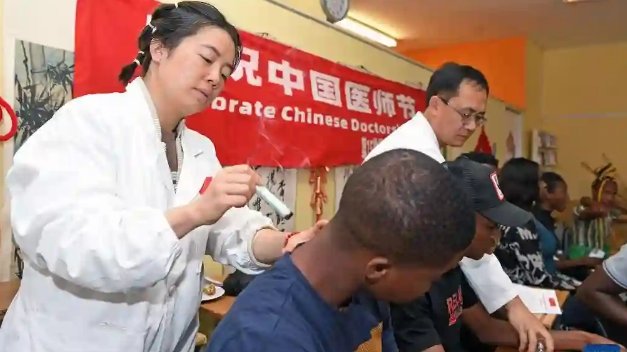
Acupuncture is widely recognized for its ability to alleviate pain, making it a valuable tool for treating musculoskeletal disorders. It can provide relief for conditions such as osteoarthritis, fibromyalgia, and sports injuries. Through the release of endorphins and the promotion of blood circulation, acupuncture can help reduce inflammation, ease muscle tension, and improve joint mobility.
Gastrointestinal disorders
TCM views the digestive system as a vital component of overall health. Acupuncture can be an effective treatment for various gastrointestinal disorders, including irritable bowel syndrome (IBS), acid reflux, and constipation. By regulating digestive function and reducing inflammation, acupuncture can help alleviate symptoms and improve digestive health.
Respiratory conditions
Acupuncture has been used for centuries to address respiratory conditions such as asthma, allergies, and sinusitis. By stimulating specific acupoints, acupuncture can help open the airways, reduce inflammation, and strengthen the immune system. Many individuals find that regular acupuncture sessions can lead to a decrease in respiratory symptoms and an improvement in lung function.
Emotional and mental health
In TCM, emotional well-being is deeply interconnected with physical health. Acupuncture can be beneficial for individuals experiencing stress, anxiety, depression, and other mental health challenges. By promoting the balance of qi and influencing neurotransmitter levels, acupuncture can help regulate emotions, improve sleep, and enhance overall mental well-being.
The Science Behind Acupuncture
Modern research on acupuncture
In recent years, there has been a significant increase in scientific research exploring the mechanisms and effectiveness of acupuncture. Numerous studies have shown positive results, demonstrating acupuncture’s ability to reduce pain, modulate inflammation, and improve overall health. While more research is still needed to fully understand the complexities of acupuncture, the growing body of evidence points to its therapeutic benefits.
Theories explaining acupuncture’s effectiveness
Several theories have been proposed to explain how acupuncture works. The Gate Control Theory suggests that acupuncture stimulates sensory nerves, which in turn suppress pain signals in the spinal cord. The Endorphin Theory proposes that acupuncture triggers the release of endorphins, natural pain-relieving substances. The Neurotransmitter Theory suggests that acupuncture influences neurotransmitters, such as serotonin and dopamine, which play a role in mood regulation and pain perception.
Understanding the placebo effect
The placebo effect is a well-known phenomenon in medical research, where a patient experiences improvements in their symptoms or condition due to a belief in the effectiveness of a treatment, regardless of its actual therapeutic value. Some studies have found that acupuncture’s benefits can be partially attributed to the placebo effect. However, it is important to note that acupuncture’s effects go beyond the placebo response and can be attributed to its impact on the body’s physiological processes.
The Role of Acupuncture in Integrative Medicine
Acupuncture as a complementary therapy
Acupuncture is often used as a complementary therapy alongside conventional medical treatments. By integrating acupuncture into a comprehensive treatment plan, individuals can experience enhanced results and improved outcomes. Acupuncture can support the body’s healing processes, reduce the side effects of medication, and promote overall well-being.
Combination treatments with Western medicine
An increasing number of healthcare providers are recognizing the value of integrating acupuncture with Western medicine. Acupuncture can be a valuable addition to treatment plans for various conditions, including chronic pain, postoperative recovery, chemotherapy-induced side effects, and fertility issues. By combining the strengths of both approaches, patients can receive comprehensive care that addresses their unique needs.
Recognition and acceptance of acupuncture in the medical field
As acupuncture gains more recognition and acceptance, it is becoming a more integral part of mainstream healthcare. Many medical institutions and healthcare providers now offer acupuncture services as part of their treatment options. Numerous professional organizations, including the World Health Organization, have recognized the efficacy of acupuncture for certain conditions. This growing acceptance reflects the ongoing efforts to bridge the gap between traditional and modern medicine.
Safety and Side Effects of Acupuncture
Sterilization and needle safety
Safety is of utmost importance in acupuncture practice. Licensed acupuncturists adhere to stringent sterilization protocols to ensure the cleanliness and safety of their instruments. Acupuncture needles are single-use, disposable, and made from high-quality materials. By choosing a qualified practitioner who maintains strict hygiene standards, individuals can minimize the risk of infection or other complications.
Potential risks and complications
While acupuncture is generally considered safe when performed by a trained professional, there are some risks and potential complications to be aware of. These can include minor bruising, soreness, or bleeding at the needle insertion site. In rare cases, more serious complications such as organ puncture or infection may occur. However, such complications are extremely rare and can be further minimized by seeking treatment from a qualified and experienced acupuncturist.
The importance of seeking a qualified practitioner
To ensure the safety and effectiveness of acupuncture, it is crucial to seek treatment from a qualified and licensed acupuncturist. They should have completed extensive training and certification from a reputable institution. By consulting with a qualified practitioner, individuals can have confidence in the quality of care they receive and maximize the potential benefits of acupuncture.

The Individualized Approach of Traditional Chinese Medicine
The concept of pattern diagnosis
TCM adopts a holistic approach that emphasizes the uniqueness of each individual. Based on the concept of pattern diagnosis, TCM practitioners assess a person’s symptoms, medical history, and overall constitution to identify patterns of disharmony within the body. This individualized approach allows for tailored treatment plans that address the root cause of the imbalance rather than merely alleviating symptoms.
TCM’s personalized treatment plans
Once an individual’s patterns of disharmony are identified, TCM practitioners develop personalized treatment plans that may include acupuncture, herbal medicine, dietary and lifestyle recommendations, and other therapeutic modalities. These treatment plans are designed to restore balance, promote natural healing, and support the body’s innate ability to maintain health.
Treating the root cause rather than the symptoms
Unlike conventional medicine, which often focuses on alleviating symptoms, TCM seeks to address the root cause of health issues. By understanding the underlying imbalances and disharmonies, TCM approaches health and well-being from a holistic perspective. This comprehensive approach can result in long-lasting improvements in overall health and a reduction in the recurrence of symptoms.
The enduring legacy of traditional Chinese medicine
Traditional Chinese Medicine, with acupuncture as one of its central therapies, has stood the test of time and continues to play a significant role in healthcare. Its ancient philosophy, rooted in the principles of Yin and Yang, the Five Elements, and the flow of qi, offers a unique perspective on health and healing.
The ongoing relevance of acupuncture
The ongoing research and recognition of acupuncture’s effectiveness have only solidified its place in modern healthcare. It is increasingly appreciated for its ability to address a wide range of conditions, promote holistic well-being, and enhance the body’s natural healing mechanisms. Acupuncture’s popularity and acceptance continue to grow as more individuals experience the benefits firsthand.
Embracing a holistic approach to health and well-being
As acupuncture becomes more integrated into mainstream medicine, there is a growing understanding of the importance of embracing a holistic approach to health and well-being. By acknowledging the interconnectedness of the body, mind, and spirit, individuals can optimize their health through practices that promote balance, harmony, and vitality. Whether seeking pain relief or overall wellness, acupuncture offers a time-tested and comprehensive approach to achieving optimal health.
Watch This Video Below
Related Terms About Unveiling the Secrets of Traditional Chinese Medicine Acupuncture
Acupuncture & Traditional Chinese Medical J.y.t, Acupuncture And Moxibustion Of Traditional Chinese Medicine, Acupuncture Techniques In Traditional Chinese Medicine, Acupuncture Traditional Chinese Medicine, Association Of Traditional Chinese Medicine And Acupuncture, Bodhi Traditional Chinese Medicine And Acupuncture, Chinese Herbs Used In Acupuncture, Chinese Medicine Acupuncture Benefits, College Of Acupuncture And Traditional Chinese Medicine, Elevate Acupuncture And Traditional Chinese Medicine