
Lupus, a chronic autoimmune disease, can be debilitating and have a significant impact on one’s quality of life. In order to prevent the onset or progression of this condition, there are a few key steps you can take. From maintaining a balanced diet to protecting yourself from excessive sun exposure, these simple yet effective precautions can reduce your risk of developing lupus. So, if you’re looking for ways to safeguard your health and stay lupus-free, read on to discover some practical strategies worth incorporating into your daily routine.
Overview of Lupus
Lupus is a chronic autoimmune disease that can affect various parts of the body. It occurs when the immune system mistakenly attacks healthy tissues, leading to inflammation, pain, and organ damage. While there is no known cure for lupus, there are steps you can take to prevent flare-ups and manage the symptoms. By understanding the causes, types, and symptoms of lupus, you can make informed decisions about your health and live a fulfilling life.
Understanding Lupus
Lupus is a complex condition that requires a deep understanding to effectively manage its impact on your life. It primarily affects women of childbearing age, although it can occur at any age, in both men and women. The exact cause of lupus is unknown, but researchers believe it may be a combination of genetic, environmental, and hormonal factors. It is important to note that lupus is not a contagious disease and cannot be transmitted from person to person.

What Causes Lupus?
The exact cause of lupus remains unknown; however, certain factors have been associated with the development of the disease. Genetics play a role, as people with a family history of lupus are more likely to develop the condition. Environmental triggers, such as exposure to sunlight, certain medications, infections, and hormones, have also been linked to the onset of lupus. It is important to note that while these factors may increase the risk of developing lupus, they do not guarantee its development.
Types of Lupus
There are several different types of lupus, each with its own characteristics and impact on the body. The most common form is systemic lupus erythematosus (SLE), which affects multiple organs and systems in the body. Cutaneous lupus erythematosus primarily affects the skin, causing rashes, lesions, and photosensitivity. Drug-induced lupus is a temporary form of lupus caused by certain medications and usually resolves once the medication is discontinued. Understanding the type of lupus you may have can help guide your preventive measures and treatment plan.

Symptoms of Lupus
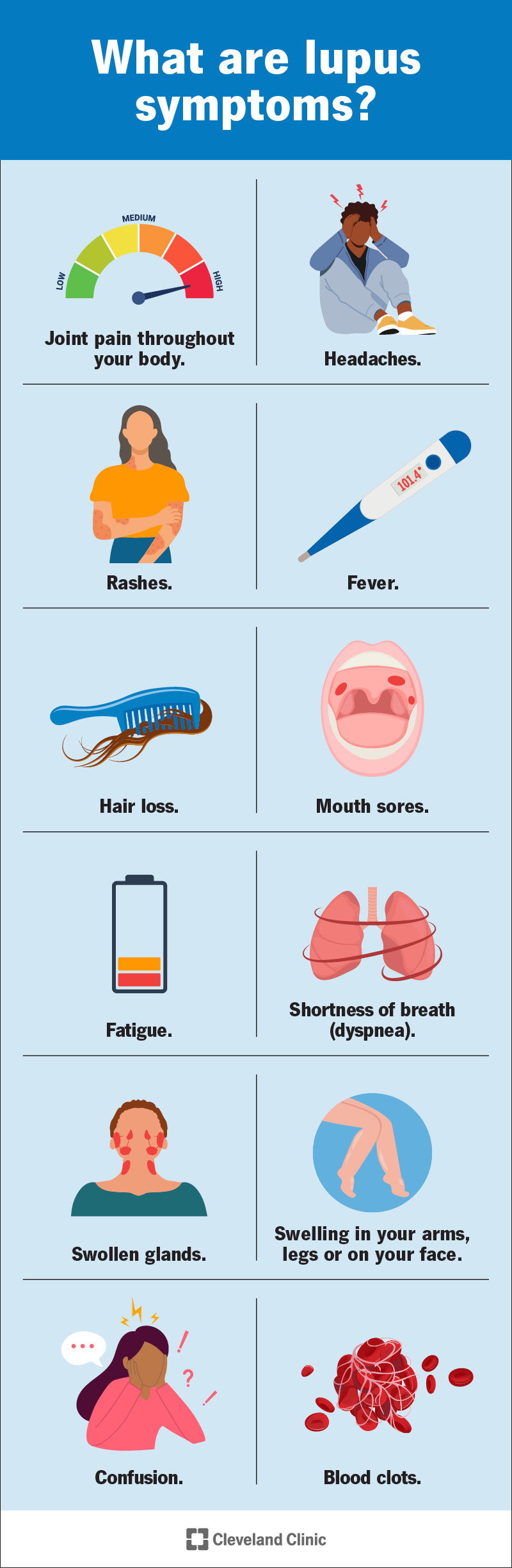
The symptoms of lupus can vary greatly from person to person, making it important to be mindful of any changes in your health. Common symptoms include fatigue, joint pain and swelling, skin rashes, fever, chest pain, and hair loss. Other less common symptoms may include kidney problems, neurological issues, and heart complications. It is crucial to consult with a healthcare professional if you experience persistent or worsening symptoms, as early detection and treatment are key to managing lupus effectively.
Maintaining a Healthy Lifestyle
While it is impossible to completely prevent lupus, adopting a healthy lifestyle can greatly improve your quality of life and potentially reduce the frequency and severity of flare-ups. By focusing on various aspects of your life, including diet, exercise, stress management, sleep, and avoiding smoking, you can enhance your overall well-being and potentially mitigate the impact of lupus on your daily life.
Eat a Balanced Diet
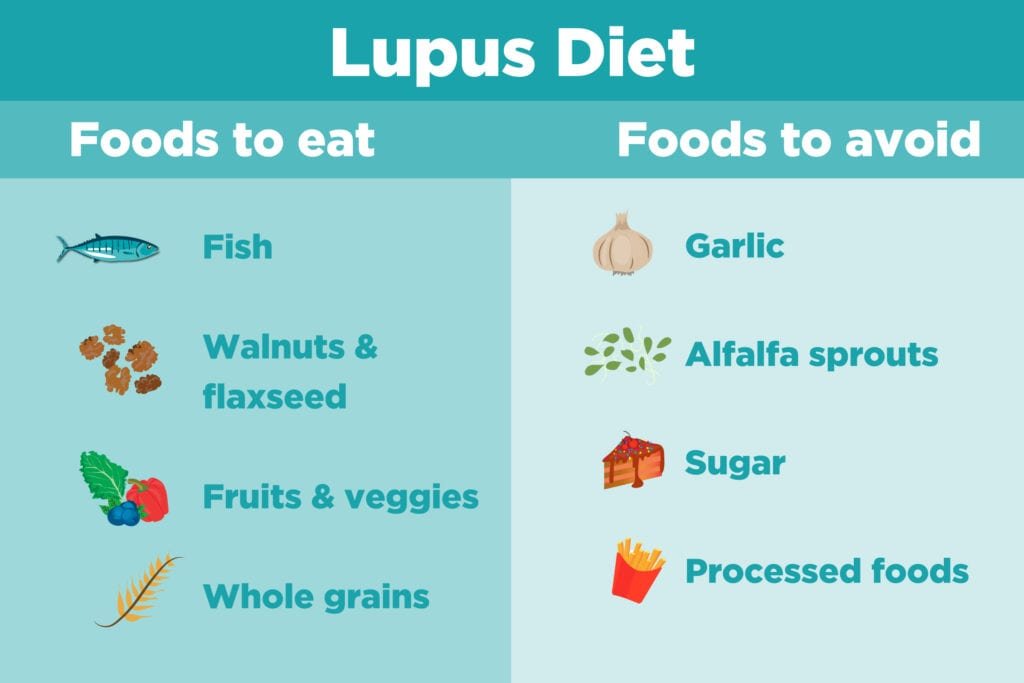
A balanced diet rich in fruits, vegetables, whole grains, lean proteins, and healthy fats is essential for maintaining overall health. Certain foods, such as those high in antioxidants and omega-3 fatty acids, may have anti-inflammatory properties that can help reduce lupus symptoms. It is important to consult with a healthcare professional or a registered dietitian to develop a personalized meal plan that addresses your specific nutritional needs and any potential interactions with medications.
Exercise Regularly
Regular exercise can provide numerous health benefits and help manage the symptoms of lupus. It can improve cardiovascular health, strengthen muscles and bones, reduce fatigue, and enhance mood. Low-impact exercises, such as walking, swimming, and yoga, are often recommended for individuals with lupus to minimize joint stress and prevent injury. It is important to listen to your body and engage in exercises that are appropriate for your fitness level and current health condition.
Manage Stress Levels
Stress can trigger or worsen lupus symptoms, making stress management an essential aspect of preventing flare-ups. Explore different stress-reduction techniques such as deep breathing exercises, meditation, yoga, journaling, or engaging in hobbies that bring you joy. Prioritizing self-care and engaging in activities that help you relax and unwind can significantly improve your overall well-being.
Get Sufficient Sleep
Adequate sleep is crucial for overall health and well-being, particularly for individuals with lupus. Fatigue is a common symptom of lupus, and getting enough sleep can help manage this symptom and support the body’s healing and regeneration processes. Establish a consistent sleep routine, create a relaxing sleep environment, and practice good sleep hygiene habits to ensure you are getting the restorative sleep your body needs.
Avoid Smoking and Secondhand Smoke
Smoking is known to negatively impact overall health and can significantly worsen lupus symptoms. Smoking has been linked to increased inflammation, cardiovascular complications, and a higher risk of developing complications associated with lupus. Additionally, exposure to secondhand smoke can also be detrimental to your health. It is important to avoid smoking and minimize exposure to secondhand smoke to protect your lungs and reduce the risk of exacerbating lupus symptoms.

Sun Protection
One of the most important preventive measures for individuals with lupus is protecting the skin from sun exposure. Lupus is often triggered by ultraviolet (UV) radiation, and exposure to the sun can result in skin rashes, inflammation, and increased disease activity. By taking necessary precautions, you can minimize the impact of sun exposure and reduce the risk of lupus flares.
Limit Sun Exposure
Whenever possible, limit your exposure to the sun, particularly during peak hours when the sun’s rays are the strongest. Seek shade outdoors, use umbrellas, or wear wide-brimmed hats to provide additional protection.
Use Sunscreen
Apply a broad-spectrum sunscreen with a sun protection factor (SPF) of 30 or higher to any exposed skin. Remember to reapply regularly, especially if you are in direct sunlight, sweating, or in water.
Wear Protective Clothing
Wearing long sleeves, long pants, and clothing with a tight weave can act as a physical barrier against UV radiation. Look for clothing specifically designed for sun protection or consider adding a protective layer of clothing if you know you will be spending time in the sun.
Stay in the Shade
Whenever possible, stay in shaded areas to minimize direct exposure to the sun. This is especially important during peak hours when the sun’s rays are at their strongest.
Maintaining Overall Health
In addition to adopting a healthy lifestyle and practicing sun protection, maintaining overall health is crucial in managing lupus effectively. Regular medical check-ups, monitoring medication use, staying updated with vaccinations, and avoiding triggers can significantly contribute to your well-being and help prevent lupus flare-ups.
Attend Regular Medical Check-ups
Regular visits with your healthcare professional are essential for monitoring your condition and adjusting your treatment plan as needed. These check-ups can help identify any changes in your health, ensure medication effectiveness, and address any new symptoms or concerns that may arise.
Monitor Medication Use
If you have been prescribed medications to manage lupus symptoms, it is important to take them as directed and discuss any concerns or side effects with your healthcare professional. Some medications used to treat lupus may require regular monitoring of blood tests or other parameters to ensure safety and effectiveness.
Stay Updated with Vaccinations
Keeping up with recommended vaccinations is crucial to prevent infections and protect your overall health. Some vaccines may be contraindicated for individuals with lupus or may require special consideration before administration. Consult with your healthcare professional to determine which vaccines are appropriate for you and develop a vaccination schedule that aligns with your lupus treatment plan.
Avoid Triggers
Identifying and avoiding triggers that may cause lupus flare-ups can significantly improve your quality of life. Triggers can vary from person to person but may include exposure to extreme temperatures, certain medications, infections, stress, or hormonal changes. By being mindful of your triggers, you can take proactive steps to manage or avoid those triggers and reduce the frequency and severity of lupus flare-ups.
Take Preventive Medications
In some cases, healthcare professionals may recommend preventive medications to help manage lupus and reduce the risk of flare-ups. These medications may include antimalarials, immunosuppressants, or corticosteroids. It is essential to discuss the available medication options with your healthcare professional, understand their benefits and risks, and adhere to the prescribed medication regimens.
Discuss Medication Options with a Healthcare Professional
Each individual with lupus has unique needs and considerations when it comes to medication management. It is important to have open and honest discussions with your healthcare professional about the available medication options, potential side effects, and long-term implications. This will allow you to make informed decisions about your treatment plan.
Understand the Benefits and Risks
Each medication used to manage lupus has its own benefits and risks. It is crucial to understand how these medications work, their potential benefits in managing lupus symptoms, and the possible side effects or risks involved. This knowledge will empower you to make well-informed decisions regarding your health.
Adhere to Prescribed Medication Regimens
Consistency and adherence to prescribed medication regimens are key to effectively managing lupus. It is important to take medications as directed, follow the recommended dosage and schedule, and communicate any concerns or changes in your health with your healthcare professional. Adhering to your prescribed medication regimen can help minimize lupus symptoms and reduce the risk of flare-ups.
Avoid Environmental Toxins
Minimizing exposure to harmful chemicals and toxins is an important aspect of preventing lupus flare-ups and supporting overall health. Certain chemicals and medications can exacerbate lupus symptoms or trigger flare-ups, so it is essential to be mindful of your environment and make informed choices.
Minimize Exposure to Harmful Chemicals
Avoid exposure to chemicals such as pesticides, solvents, heavy metals, and other environmental toxins whenever possible. This may involve using natural cleaning products, purchasing organic foods, and being cautious while using or handling potentially harmful substances.
Avoid Certain Medications
Certain medications, such as those containing hydralazine or procainamide, have been associated with drug-induced lupus. If you have lupus or are at risk of developing it, consult with your healthcare professional before starting any new medications to ensure they are safe for you.
Use Natural and Non-Toxic Household Products
Consider switching to natural and non-toxic household products to reduce exposure to potentially harmful chemicals. This can include choosing environmentally friendly cleaning products, personal care items, and cosmetics. Reading labels carefully and opting for products with fewer artificial additives and chemicals can go a long way in protecting your health.
Limit Alcohol Consumption
While moderate alcohol consumption may be safe for some individuals, excessive alcohol intake can negatively impact your overall health and potentially worsen lupus symptoms. It is important to discuss alcohol consumption with your healthcare professional and follow their guidance regarding safe limits or potential abstinence.
Maintain a Healthy Immune System
A healthy immune system is essential for preventing and managing lupus, as it helps protect against infections and reduces the risk of flare-ups. Taking steps to support your immune system can greatly enhance your body’s ability to respond to threats and maintain overall health.
Practice Good Hygiene
Practicing good hygiene is crucial for individuals with lupus to minimize the risk of infections. Wash your hands frequently, especially before eating or touching your face, and avoid close contact with individuals who are sick or have contagious illnesses.
Manage Chronic Illnesses
Managing other chronic illnesses that may coexist with lupus, such as high blood pressure or diabetes, is important for overall health and well-being. By effectively managing these conditions, you can support your immune system and minimize the impact of other health concerns on lupus.
Optimize Vitamin and Mineral Intake
Adequate intake of essential vitamins and minerals is vital for maintaining a healthy immune system. Consuming a varied and balanced diet that includes a wide range of nutrient-rich foods can help support your immune system and overall health. However, it is important to consult with a healthcare professional or a registered dietitian to determine if any specific supplements or modifications to your diet are necessary.
Consider Probiotics
Probiotics are beneficial bacteria that can help promote a healthy gut microbiome and support a robust immune system. Discussing probiotic options with your healthcare professional may be beneficial, as they can provide guidance specific to your health needs.
Avoid Overexertion and Exhaustion
Overexertion and exhaustion can weaken the immune system and potentially trigger lupus flare-ups. It is important to listen to your body’s cues and avoid pushing yourself beyond your limits. Pace yourself, prioritize rest and relaxation, and establish a healthy work-life balance to avoid excessive physical or mental strain.
Hormone Replacement Therapy (HRT)
Hormone replacement therapy (HRT) may be considered for some individuals with lupus, particularly women who are experiencing menopause-related symptoms. However, HRT can have both benefits and risks, so it is essential to discuss this option thoroughly with your healthcare professional before making a decision.
Discuss HRT with a Healthcare Professional
If you are considering hormone replacement therapy, it is important to have an open and honest discussion with your healthcare professional. They will be able to assess your individual health needs and risks associated with HRT and guide you in making an informed decision.
Evaluate Risks and Benefits
HRT can be helpful in managing menopause-related symptoms, such as hot flashes and vaginal dryness. However, it is essential to evaluate the potential risks associated with HRT, including an increased risk of blood clots or breast cancer. Your healthcare professional can provide you with the necessary information to weigh the risks against the benefits and make an informed decision.
Follow Proper Dosage and Guidelines
If you and your healthcare professional decide that HRT is the right option for you, it is crucial to adhere to the prescribed dosage and follow all guidelines provided. Regular monitoring and evaluation of your health and hormone levels will be necessary to ensure optimal outcomes and minimize potential risks.
Genetic Counseling and Family Planning
If you have lupus or a family history of lupus and are considering starting a family, genetic counseling can provide valuable insights and guidance. It can help you understand the risk of passing on lupus to your children and explore family planning options that align with your health goals.
Consult a Genetic Counselor
Genetic counselors are healthcare professionals who specialize in assessing and evaluating the risk of inherited conditions. A genetic counselor can provide information about the genetic factors associated with lupus and help guide your decisions regarding family planning.
Understand Family Planning Options
Understanding the options available for family planning can empower individuals with lupus to make informed choices about starting or expanding their families. Options such as preimplantation genetic diagnosis (PGD), gestational carriers, or adoption may be considered based on individual circumstances and preferences.
Discuss Genetic Testing
Genetic testing can provide insights into the presence of certain genetic markers associated with lupus. Discussing genetic testing with your healthcare professional or genetic counselor can help you determine if it is appropriate for you and the potential benefits and limitations of undergoing testing.
Raise Awareness and Support
Increasing awareness about lupus and supporting the lupus community is crucial for fostering understanding, research, and improved care. By actively participating in education, support groups, fundraising events, and advocacy efforts, you can contribute to a better future for individuals living with lupus.
Educate Others about Lupus
Sharing your experiences and knowledge about lupus can help raise awareness and dispel misconceptions. Educate your friends, family, and community about lupus, its symptoms, and its impact on daily life. This increased understanding can lead to greater empathy, support, and resources for those living with lupus.
Join Support Groups
Joining a support group or participating in online communities can provide valuable emotional support and a sense of belonging. These groups allow you to connect with individuals who are going through similar experiences, share coping strategies, and learn from one another.
Participate in Fundraising Events
Participating in fundraising events can help generate funds for lupus research, support programs, and advocacy efforts. By contributing your time, energy, or financial resources, you can make a meaningful impact on the lupus community and contribute to advancements in care and treatment options.
Promote Research and Advocacy
Supporting lupus research and advocacy organizations can help drive innovation, policy changes, and improved care for individuals with lupus. Stay informed about the latest research developments and consider getting involved in advocacy efforts at local, national, or international levels. Your voice matters and can help shape the future of lupus care and support.
In conclusion, while it may not be possible to completely prevent lupus, adopting a healthy lifestyle, practicing sun protection, maintaining overall health, taking preventive medications when necessary, avoiding environmental toxins, supporting the immune system, considering hormone replacement therapy (HRT) carefully, seeking genetic counseling for family planning, and raising awareness and support can all play vital roles in managing lupus effectively and living a fulfilling life. By taking these comprehensive measures and working closely with healthcare professionals, you can minimize the impact of lupus on your daily life, enhance your well-being, and strive for a brighter future. Remember, you are not alone in this journey, and there is a community of support ready to empower and uplift you.