
Have you ever heard of Morgellons, a mysterious condition that affects the skin and causes individuals to experience crawling sensations and the presence of fibers? In this article, we will explore some effective tips on how to prevent Morgellons and reduce its symptoms. By adopting simple lifestyle changes and practicing good hygiene, you can greatly minimize the risk of developing this perplexing condition. So, let’s dive into these preventive measures and ensure your well-being is safeguarded against Morgellons.
Understanding Morgellons
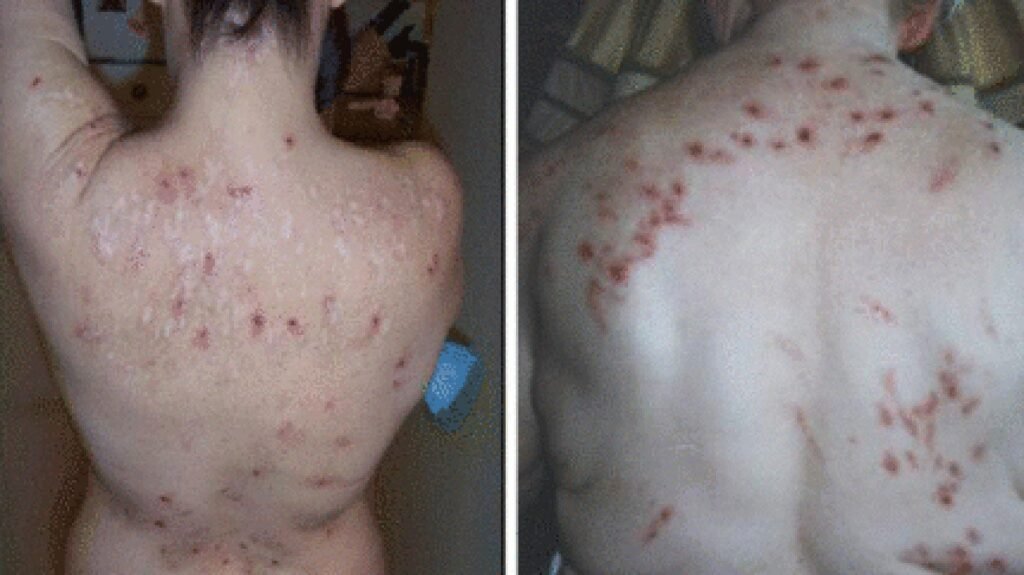
Morgellons is a controversial and poorly understood condition that is characterized by the presence of unusual fibers or filaments embedded in the skin. The condition was named after a 17th-century medical term, but it gained public attention in the early 2000s when it was referred to as Morgellons disease. Despite the ongoing debate surrounding its etiology and classification as a distinct illness, it is crucial to recognize the symptoms, causes, and preventive measures to safeguard yourself from Morgellons.
Defining Morgellons
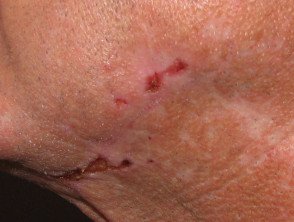
Morgellons, often described as a multisystem skin disorder, involves a range of symptoms that can significantly impact a person’s quality of life. The condition is characterized by crawling or biting sensations on the skin, the presence of fibers or filaments in or on the skin, lesions that do not heal, and intense itching. However, it is important to note that the fibers observed in Morgellons are often found to be self-implanted or acquired from the environment rather than originating from the body.
Symptoms of Morgellons
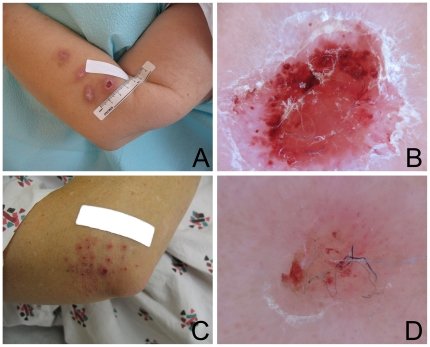
Recognizing the distinctive symptoms of Morgellons is essential for early identification and intervention. In addition to the sensations of crawling or biting on the skin, individuals with Morgellons may experience intense itching, skin lesions that are slow to heal, fatigue, joint pain, and cognitive difficulties. It is worth noting that these symptoms can vary from person to person, and some individuals may also report psychological distress due to the stigma and societal skepticism associated with Morgellons.
Causes of Morgellons
The exact causes of Morgellons remain unknown and are still a subject of debate among medical professionals. Some theories propose that Morgellons may be a manifestation of psychological conditions such as delusional infestations or the result of an infectious process. Environmental factors, such as exposure to toxins or certain fibers, have also been suggested as potential triggers. However, further research is needed to reach a definitive conclusion regarding the underlying causes of this complex condition.
Maintaining Good Hygiene
Adopting a meticulous hygiene routine can aid in minimizing the discomfort and potential complications associated with Morgellons.
Frequent Handwashing
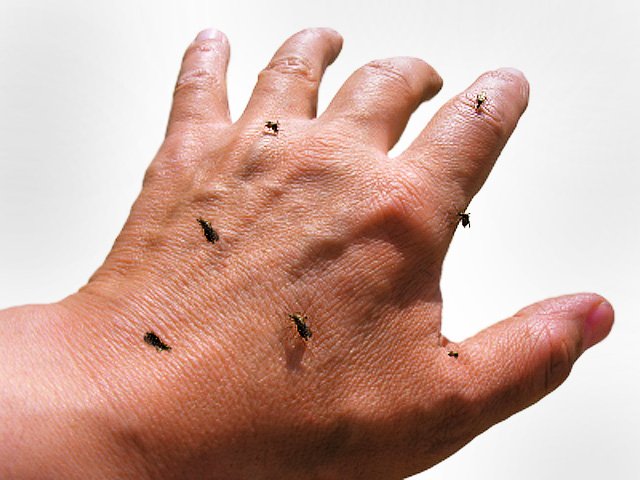
Regularly washing your hands with soap and water is critical for preventing the spread of pathogens and potential irritants that may exacerbate Morgellons symptoms. Be sure to wash your hands thoroughly, especially after touching potentially contaminated surfaces or scratching affected areas.
Regular Showering
Taking regular showers can help remove any debris or fibers that may have come into contact with your skin. Use lukewarm water and a mild, fragrance-free soap or cleanser to avoid further irritation. Gently pat your skin dry with a clean towel afterward.
Clean Clothes and Beddings
Wearing clean clothes made from natural fibers, such as cotton, can help minimize skin irritation. Additionally, regularly washing your beddings, including sheets, pillows, and blankets, in hot water can eliminate any potential irritants or contaminants that may be present.
Protecting Your Skin
Taking steps to protect your skin is crucial for managing the symptoms of Morgellons and reducing the risk of potential complications.
Avoiding Direct Contact with Irritants
Identifying and avoiding irritants that may trigger or aggravate Morgellons symptoms is essential. This may include avoiding contact with harsh chemicals, certain fabrics, or substances that have previously caused skin irritation. Pay attention to your surroundings and any products that come into contact with your skin.
Using Protective Clothing
When engaging in activities that may expose your skin to potential irritants, such as gardening or cleaning, consider wearing protective clothing. This may include long-sleeved shirts, long pants, gloves, and even face masks if necessary. Additionally, opting for loose-fitting clothing can help minimize friction and irritation on the skin.
Applying Moisturizer
Keeping your skin well-hydrated can help alleviate some of the discomfort associated with Morgellons. Choose a fragrance-free, hypoallergenic moisturizer and apply it to clean, dry skin regularly. Moisturizing can help reduce itching and maintain the integrity of the skin’s natural barrier.
Avoiding Environmental Triggers
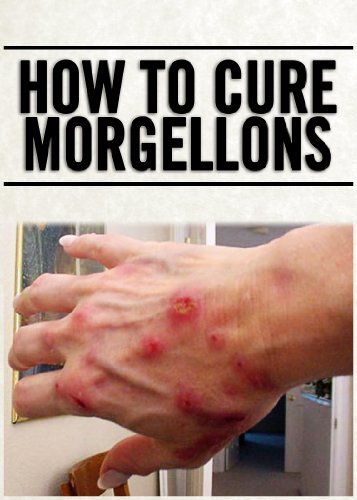
Taking precautions to minimize exposure to potential environmental triggers can help manage the symptoms of Morgellons.
Keeping Your Living Space Clean
Maintaining a clean living environment can help eliminate potential sources of irritants or contaminants that may aggravate Morgellons symptoms. Regularly dust, vacuum, and clean surfaces using non-toxic cleaning products to reduce the presence of dust mites, allergens, and other substances that can exacerbate skin sensitivity.
Eliminating Potential Sources of Infestation
If you suspect that your environment may be a source of irritation, take steps to identify and eliminate potential sources of infestation. This may involve addressing issues such as mold, pests, or excessive dust accumulation. Consult with professionals and follow appropriate measures to ensure a healthy living environment.
Using Pet Prevention Methods
If you have pets, they may inadvertently introduce irritants or pathogens that can exacerbate Morgellons symptoms. Regularly groom your pets, keep them clean, and consult with a veterinarian regarding appropriate measures to prevent flea or tick infestations. Remember to wash your hands after handling pets or their belongings.
Promoting Immune System Health
Maintaining a strong and healthy immune system plays a vital role in managing any health condition, including Morgellons.
Eating a Nutrient-Rich Diet
Consuming a balanced diet that includes a variety of fruits, vegetables, whole grains, lean proteins, and healthy fats can support overall immune system health. Include foods rich in vitamins, minerals, and antioxidants to provide your body with the necessary nutrients to combat potential infections and promote healing.
Getting Sufficient Sleep
Adequate sleep is essential for allowing your body to rest, repair, and recharge. Aim for seven to nine hours of quality sleep each night to support a robust immune response and promote general well-being. Establish a regular sleep routine and create a comfortable sleep environment to ensure optimal rest.
Managing Stress Levels
Chronic stress can weaken the immune system and exacerbate the symptoms of Morgellons. Practice stress management techniques that work for you, such as engaging in regular exercise, practicing mindfulness or meditation, seeking support from loved ones, or pursuing hobbies and activities that bring you joy and relaxation.
Reducing Exposure to Parasitic Infections
Minimizing the risk of parasitic infections can help prevent worsening of Morgellons symptoms or potential complications.
Avoiding Close Contact with Infected Individuals
If you are aware of individuals who have a known parasitic infection, it is important to avoid close contact to reduce the risk of transmission. This includes practicing good hand hygiene, refraining from sharing personal items, and maintaining a safe distance when interacting with others.
Using Insect Repellents
When spending time outdoors, particularly in wooded or grassy areas, protect yourself from insect bites by using appropriate insect repellents. Choose repellents that contain active ingredients such as DEET or picaridin, and apply them according to the instructions provided. Wearing long sleeves, pants, and socks can also provide an additional layer of protection.
Taking Precautions in Rural Areas
If you reside in or plan to visit rural areas with a higher prevalence of parasitic infections, take extra precautions. This may include avoiding walking barefoot, wearing protective clothing, regularly inspecting your body for ticks or other insects, and promptly removing any attached parasites using proper techniques.
Seeking Immediate Medical Attention
Being vigilant about recognizing early symptoms and seeking immediate medical attention is crucial for effectively managing Morgellons.
Recognizing Early Symptoms
Familiarize yourself with the potential early signs of Morgellons, such as unexplained skin lesions, intense itching, or the sensation of something crawling on your skin. Document any changes or new symptoms and consult a healthcare professional if you notice persistent or concerning manifestations.
Consulting a Healthcare Professional
If you suspect you may have Morgellons or are experiencing symptoms that are affecting your daily life, it is essential to consult a healthcare professional. A dermatologist or a healthcare provider experienced in diagnosing complex skin conditions can help evaluate your symptoms, offer guidance, and discuss potential treatment options.
Following Medical Advice
Seeking medical attention is beneficial not only for diagnosis but also for developing an appropriate management plan. Follow the advice and treatment recommendations provided by your healthcare professional, and communicate any concerns or side effects that may arise during the course of treatment. Adhering to prescribed medications, therapies, or lifestyle modifications can significantly improve your overall well-being.
Educating Yourself and Others
Gaining knowledge about Morgellons is an empowering step towards understanding the condition and effectively managing it.
Learning More about Morgellons
Research reputable sources, such as medical literature or recognized healthcare organizations, to expand your understanding of Morgellons. Educate yourself about the various perspectives surrounding the condition, including current research findings, treatment options, and coping strategies.
Supporting Research Efforts
Consider contributing to the advancement of Morgellons research by supporting organizations or projects focused on studying the condition. This can involve participating in research studies, donating to research institutions, or volunteering your time to raise awareness and funding for further investigations.
Raising Awareness
Help combat the stigma associated with Morgellons by raising awareness and facilitating open discussions about the condition. Share reliable information with friends, family, and your community to foster understanding and empathy. Advocacy efforts can play a crucial role in ensuring individuals affected by Morgellons receive the support and validation they deserve.
Joining Support Groups
Connecting with others who share similar experiences can provide invaluable support and guidance in navigating the challenges associated with Morgellons.
Finding Online Communities
Online support groups and forums dedicated to Morgellons can serve as safe spaces for sharing experiences, exchanging tips, and accessing emotional support from individuals who can relate to your journey. Engage in constructive discussions and be mindful of maintaining a positive and supportive atmosphere within these communities.
Attending Local Meetings
Check for local support groups or meetings in your area where you can interact with others face-to-face. These gatherings can offer opportunities to build connections, gain insights, and strengthen your support network.
Sharing Experiences and Tips
Be open about your experiences with Morgellons and share any tips or strategies that have been helpful to you. Your firsthand knowledge may inspire others and contribute to a sense of empowerment and solidarity within the Morgellons community.
Building a Strong Support Network
Establishing a strong support network that includes family, friends, and healthcare professionals is essential for effectively managing Morgellons.
Seeking Help from Family and Friends
Reach out to your loved ones and communicate openly about your experience with Morgellons. Inform them about the condition, share reliable information, and explain how they can offer support. Their understanding, empathy, and assistance can make a significant difference in your well-being.
Communicating Openly about Morgellons
Encourage open and honest conversations about Morgellons with healthcare professionals involved in your care. Be proactive in discussing your concerns, goals, and treatment preferences. Effective communication builds rapport and fosters a collaborative approach to managing this challenging condition.
Exploring Counseling or Therapy
Morgellons can take a toll on your mental and emotional well-being due to the associated stigma and challenging symptoms. Consider seeking counseling or therapy from professionals experienced in supporting individuals with chronic illnesses. These professionals can offer valuable coping strategies, emotional support, and a safe space to express your feelings and fears.
In conclusion, understanding Morgellons goes beyond mere recognition of the symptoms and causes. By maintaining good hygiene, protecting the skin, avoiding environmental triggers, promoting immune system health, reducing exposure to parasitic infections, seeking immediate medical attention, educating yourself and others, joining support groups, and building a strong support network, you can take proactive measures to effectively prevent and manage Morgellons. Remember, you are not alone, and with the right support and self-care strategies, you can navigate this challenging condition with confidence and resilience.