
You’ve heard the term “anorexia” before, but do you really understand what it means? In this article, we will explore the causes, symptoms, and treatments of anorexia, shedding light on this serious eating disorder. From the underlying factors that contribute to its development to the alarming physical and psychological signs to look out for, we will help you gain a better understanding of anorexia. Furthermore, we will also discuss the various treatment options available, offering hope and guidance for those who may be struggling with this illness. So, let’s embark on this journey together and uncover the complexities of anorexia. Anorexia, also known as anorexia nervosa, is a serious and potentially life-threatening eating disorder that affects millions of people worldwide. It is characterized by an intense fear of gaining weight and a distorted body image, leading individuals to severely restrict their food intake, engage in excessive exercise, and exhibit other harmful behaviors. Understanding the causes, symptoms, and treatments of anorexia is crucial in order to provide effective support and care for those who are affected.
Causes of Anorexia
Anorexia is a complex disorder that can be influenced by various factors. While the exact cause is not fully understood, research suggests that a combination of genetic, environmental, psychological, and cultural factors contribute to the development of anorexia.
Genetic Factors
Studies have shown that there is a genetic component to anorexia. Individuals with a family history of eating disorders are more likely to develop the condition themselves. Certain genes may play a role in regulating appetite, metabolism, and body weight, making some individuals more susceptible to developing anorexia.
Environmental Factors
Environmental factors can also contribute to the development of anorexia. Cultural pressures to adhere to thin beauty ideals, media portrayal of unrealistic body images, and societal emphasis on thinness can all play a role in triggering disordered eating behaviors. Additionally, traumatic life events, such as childhood abuse, can increase the risk of developing anorexia.
Psychological Factors
Psychological factors, such as low self-esteem, perfectionism, and difficulty coping with emotions, are commonly associated with anorexia. Individuals with anorexia often have a distorted body image and an intense fear of gaining weight. They may use food and weight control as a way to feel a sense of control and to cope with underlying emotional issues.
Cultural Factors
Cultural factors, including societal beauty standards and cultural norms around food and body image, can significantly impact the development of anorexia. In cultures that idealize thinness, individuals may feel pressure to conform to these standards, leading to disordered eating patterns and the development of anorexia.
Symptoms of Anorexia
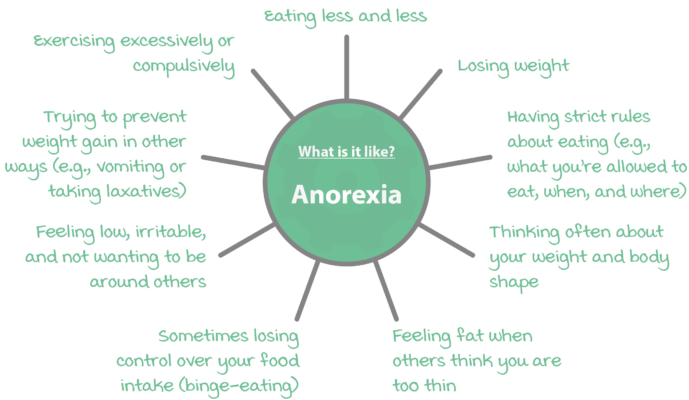
Recognizing the symptoms of anorexia is crucial for early intervention and treatment. While individuals with anorexia may display different combinations of symptoms, there are several common signs to watch out for.
Severe Weight Loss
One of the most apparent symptoms of anorexia is severe and rapid weight loss. Individuals with anorexia may become significantly underweight and continue to strive for lower and lower body weights.
Excessive Dieting and Exercise
An obsession with food, dieting, and exercise is a hallmark symptom of anorexia. Individuals may follow strict dietary rules and engage in excessive exercise routines to maintain weight loss or prevent weight gain.
Distorted Body Image
People with anorexia often have a distorted perception of their own body. They may perceive themselves as overweight despite being significantly underweight, leading to excessive efforts to lose more weight.
Obsessive Thoughts about Food
Thoughts and preoccupations about food are common in individuals with anorexia. They may spend significant amounts of time planning meals, counting calories, and researching diet and weight loss techniques.
Denial of Hunger
Individuals with anorexia may deny feelings of hunger and ignore bodily cues signaling the need for nourishment. They may use restrictive eating patterns to suppress hunger and control their weight.
Diagnosing Anorexia
Diagnosing anorexia involves a comprehensive evaluation by healthcare professionals. It typically involves a combination of diagnostic criteria, medical evaluation, psychological assessment, and physical examination.
Diagnostic Criteria
The Diagnostic and Statistical Manual of Mental Disorders (DSM-5) outlines specific criteria used to diagnose anorexia. These criteria include significant weight loss, intense fear of gaining weight, distorted body image, and a restriction of energy intake.
Medical Evaluation
A thorough medical evaluation is necessary to assess the physical impact of anorexia on the body. This may involve blood tests to check for malnutrition and possible complications, such as electrolyte imbalances or hormonal disturbances.
Psychological Assessment
Psychological assessments help healthcare professionals understand the underlying psychological factors contributing to anorexia. These assessments may involve interviews, questionnaires, and assessments of mood, emotions, and cognitive functioning.
Physical Examination
A physical examination is essential to assess the individual’s overall health and monitor any physical consequences of anorexia. This examination may include assessing body weight, height, vital signs, and the presence of any physical complications.
Health Consequences of Anorexia
Anorexia can have severe consequences on an individual’s physical and mental well-being. These consequences can range from malnutrition and vitamin deficiencies to cardiovascular complications and hormonal imbalances.
Malnutrition and Vitamin Deficiencies
Restrictive eating patterns in anorexia can lead to significant malnutrition, depriving the body of essential nutrients. This can result in vitamin and mineral deficiencies, compromising the normal functioning of the body.
Cardiovascular Complications
Anorexia can severely impact the cardiovascular system. Rapid weight loss, low body weight, and malnutrition can lead to low blood pressure, slowed heart rate, irregular heart rhythms, and even heart failure.
Bone Density Loss
Inadequate intake of nutrients, particularly calcium and vitamin D, can lead to bone density loss in individuals with anorexia. This puts them at a higher risk of developing osteoporosis and fractures.
Gastrointestinal Problems
The gastrointestinal system can be significantly affected by anorexia. Individuals may experience constipation, bloating, abdominal pain, and other digestive issues due to reduced food intake and malnutrition.
Hormonal Imbalances
Anorexia can disrupt the normal functioning of hormonal systems in the body. This can lead to irregular menstrual periods, hormonal imbalances, and in severe cases, the development of osteoporosis.

Treating Anorexia
Successful treatment of anorexia involves a multidisciplinary approach that may include medical intervention, nutritional therapy, psychotherapy, family-based treatment, and support groups.
Medical Intervention
In cases of severe anorexia, medical intervention may be necessary to stabilize the individual’s physical health. This can involve hospitalization, intravenous fluids, and monitoring of vital signs, electrolytes, and other medical complications.
Nutritional Therapy
Nutritional therapy focuses on restoring a healthy and balanced diet to support physical recovery. This may involve working with a registered dietitian to create meal plans, monitoring food intake, and addressing nutritional deficiencies.
Psychotherapy
Psychotherapy plays a crucial role in the treatment of anorexia. Therapeutic approaches such as Cognitive Behavioral Therapy (CBT), Dialectical Behavioral Therapy (DBT), and Interpersonal Psychotherapy can help individuals address distorted thoughts, manage emotions, and develop healthier coping mechanisms.
Family-Based Treatment
Family-based treatment is particularly effective for adolescents with anorexia. It involves the active involvement of family members in the treatment process, including meal support, communication skills development, and relapse prevention strategies.
Support Groups and Peer Support
Support groups and peer support can play a significant role in the recovery process. Connecting with others who have experienced similar struggles can provide a sense of understanding, validation, and encouragement.
Preventing Anorexia
Prevention plays a vital role in reducing the incidence of anorexia. By promoting positive body image, educating about healthy eating habits, challenging societal beauty standards, encouraging open communication, and implementing early intervention programs, we can contribute to a healthier and more supportive environment.
Promoting Positive Body Image
Promoting positive body image can help individuals develop a healthy relationship with their bodies and reduce the risk of developing anorexia. This can be achieved through media literacy programs, promoting diverse body representation, and encouraging self-acceptance.
Educating about Healthy Eating Habits
Providing education about healthy eating habits and proper nutrition from an early age can help individuals develop a balanced and positive approach to food. Teaching the importance of nourishing the body and listening to its hunger cues can help prevent disordered eating patterns.
Challenging Societal Beauty Standards
Challenging societal beauty standards that promote thinness as the ideal can help create a more inclusive and accepting society. By celebrating diverse body shapes, sizes, and appearances, we can reduce the pressure on individuals to conform to unrealistic standards.
Encouraging Open Communication
Encouraging open communication around body image, eating habits, and mental health from a young age can help create a supportive and understanding environment. Providing safe spaces for individuals to express their thoughts and feelings can prevent the development of secretive and disordered behaviors.
Early Intervention Programs
Implementing early intervention programs in schools and healthcare settings can help identify and support individuals at risk of developing anorexia. These programs can provide education, screening, and resources for early intervention and treatment.
In conclusion, anorexia is a complex and serious eating disorder that requires comprehensive understanding and effective treatment. By addressing the causes, recognizing the symptoms, diagnosing accurately, and providing appropriate support and care, we can make significant progress in helping individuals recover from anorexia and prevent its onset.