
Imagine encountering a group of individuals engaged in a conversation about anorexia nervosa, and feeling a sudden curiosity to join in. Anorexia nervosa, a serious eating disorder that affects a person’s relationship with food, body image, and overall health, is a topic that sparks both interest and concern. As you delve into the facts and statistics surrounding anorexia nervosa, you’ll gain a deeper understanding of the complex nature of this disorder and the impact it has on those who suffer from it.
Prevalence of Anorexia Nervosa
Global Prevalence
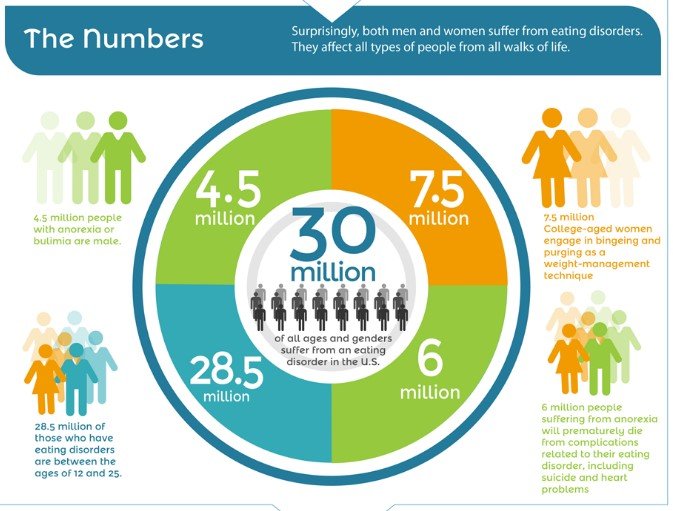
Anorexia nervosa is a serious eating disorder that affects individuals worldwide. It is estimated that approximately 0.9% of women and 0.3% of men in developed countries experience anorexia nervosa at some point in their lives. These numbers may seem relatively small, but the impact of this disorder on individuals and their families is significant.
Gender Differences
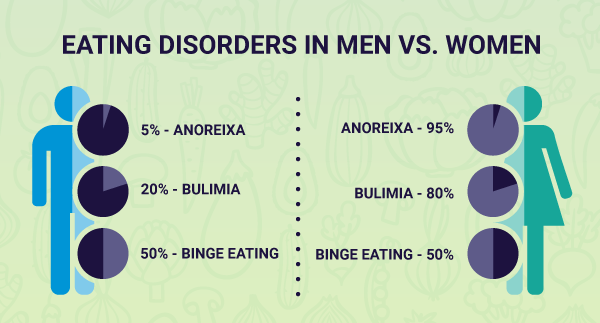
Anorexia nervosa is more commonly diagnosed in females than males. Approximately 90-95% of individuals diagnosed with anorexia nervosa are women. However, it’s important to note that an increasing number of men are also affected by this disorder. The reasons behind this gender difference are complex and multifaceted, involving biological, psychological, and sociocultural factors.
Age of Onset
Anorexia nervosa usually develops during adolescence or early adulthood, although it can occur at any age. The average age of onset is typically between 14 and 18 years old. However, there is a rising concern about the increasing number of cases in younger individuals, as anorexia nervosa is now being diagnosed in children as young as 8 or 9 years old. Early detection and intervention are crucial for promoting positive outcomes and preventing the disorder from becoming deeply ingrained.
Cross-Cultural Perspectives
Anorexia nervosa is found across different cultures, dispelling the myth that it is solely a Western phenomenon. However, cultural differences can influence the specific expressions and perceptions of the disorder. In Western societies, for example, there is often a focus on thinness and body image ideals that can contribute to the development of anorexia nervosa. In contrast, in cultures where a larger body size is considered valued, individuals with anorexia nervosa may face unique challenges in seeking recognition and treatment for their condition.
Causes and Risk Factors
Biological Factors
Research suggests that there is a genetic component to anorexia nervosa. Individuals with a family history of eating disorders are more likely to develop the disorder themselves. Additionally, alterations in brain chemistry and functioning, as well as hormonal imbalances, have been linked to the development of anorexia nervosa. These biological factors interact with environmental and psychological factors to contribute to the onset and maintenance of the disorder.
Psychological Factors
Psychological factors play a significant role in the development of anorexia nervosa. Low self-esteem, perfectionism, and an intense fear of gaining weight are commonly observed in individuals with this disorder. Additionally, individuals with anorexia nervosa often experience co-occurring mental health conditions such as anxiety, depression, and obsessive-compulsive disorder. These psychological factors can contribute to the formation of distorted body image and disordered eating behaviors.
Sociocultural Factors
Sociocultural factors, including societal pressure to achieve an unrealistic standard of beauty, can contribute to the development of anorexia nervosa. Cultural ideals that emphasize thinness and equate it with success and happiness can lead individuals to adopt restrictive eating behaviors and pursue extreme weight loss. Media, advertising, and social media platforms play a significant role in reinforcing these unrealistic body standards, making it challenging for individuals with anorexia nervosa to break free from these influences.
Health Consequences of Anorexia Nervosa
Physical Complications
Anorexia nervosa can have severe physical consequences due to the malnutrition and extreme weight loss associated with the disorder. These may include cardiovascular complications such as low heart rate and blood pressure, electrolyte imbalances, gastrointestinal problems, bone density loss, and hormonal disturbances. In severe cases, organ failure and even death can occur. The physical consequences of anorexia nervosa highlight the critical importance of early identification and intervention.
Psychological Impacts
In addition to the physical complications, anorexia nervosa also takes a toll on an individual’s mental health. Individuals with this disorder often experience intense anxiety and depression. The preoccupation with food, weight, and body image can consume their thoughts, leading to social isolation and difficulties in interpersonal relationships. Cognitive impairments, such as lack of concentration and poor memory, may also be present. Overall, anorexia nervosa has a significant impact on an individual’s psychological well-being and quality of life.
Mortality Rates
Anorexia Nervosa as a Deadly Disorder
Anorexia nervosa has one of the highest mortality rates of any psychiatric disorder. This is a stark reminder of the seriousness of this illness. Research suggests that the mortality rate for individuals with anorexia nervosa is about twelve times higher than the general population. The causes of death can be attributed to a variety of factors, including medical complications related to malnutrition, suicide, and co-occurring conditions such as depression.
Leading Causes of Death
Medical complications associated with anorexia nervosa, such as cardiac arrest, electrolyte imbalances, and gastrointestinal issues, are the leading causes of death in individuals with the disorder. Other factors, such as suicide, may also contribute to the high mortality rate. These sobering statistics emphasize the urgent need for early diagnosis, effective treatment, and ongoing support for individuals with anorexia nervosa.
Diagnosis and Treatment
Diagnostic Criteria
The diagnostic criteria for anorexia nervosa, as outlined in the Diagnostic and Statistical Manual of Mental Disorders (DSM-5), include significantly low body weight, an intense fear of gaining weight, and a distorted body image. Other criteria may include amenorrhea (absence of menstruation in females), self-induced vomiting or misuse of laxatives, and excessive exercise. Meeting these criteria is crucial for accurate diagnosis and appropriate treatment planning.
Screening Tools
Various screening tools have been developed to help identify individuals at risk for anorexia nervosa or those who may already be experiencing symptoms. Examples include the Eating Disorder Examination-Questionnaire (EDE-Q) and the SCOFF questionnaire. These tools can aid clinicians and healthcare providers in early detection and intervention, leading to better treatment outcomes.
Therapeutic Approaches
An individualized and multidisciplinary approach is typically recommended for the treatment of anorexia nervosa. This may involve a combination of medical, nutritional, and psychological interventions. Cognitive-behavioral therapy (CBT) is often used as a primary treatment modality, helping individuals challenge their distorted beliefs about weight, body image, and food. Family-based therapy (FBT) is also highly effective, particularly for adolescents, as it involves the family in the treatment process.
Nutritional Rehabilitation
Reestablishing a healthy relationship with food is a fundamental component of anorexia nervosa treatment. Nutritional rehabilitation aims to restore adequate nutrition and weight through structured meal plans and close monitoring. Registered dietitians play a critical role in collaborating with individuals to develop a balanced eating plan tailored to their specific needs and goals.
Psychological Therapy
Individual and group therapy sessions can address the underlying psychological factors contributing to anorexia nervosa. Therapy provides a safe and supportive space for individuals to explore their emotions, develop coping skills, and work through their body image concerns. Additionally, therapy can help individuals identify and challenge negative thought patterns and beliefs related to food and their bodies.
Medical Management
In severe cases of anorexia nervosa, medical management may be necessary to stabilize physical health. This may include hospitalization, nutritional supplementation, and close medical monitoring. Medical management aims to address any immediate medical complications and create a foundation for ongoing treatment and recovery.
Prevention and Early Intervention
Promoting Body Positivity
Promoting body positivity and challenging societal beauty standards are crucial steps in preventing anorexia nervosa. This involves educating individuals about body diversity and fostering acceptance of different body shapes and sizes. Encouraging a healthy relationship with food and exercise, detached from appearance ideals, can promote overall well-being and reduce the risk of developing an eating disorder.
Educational Programs
Implementing educational programs in schools and communities can raise awareness about anorexia nervosa and its risk factors. By educating young individuals and their families about the signs and symptoms of the disorder, how to seek help, and promoting positive body image, we can empower them to make informed decisions about their health and well-being.
Screening in Schools
Regular screening for eating disorders in schools can help identify at-risk individuals and provide early intervention. Screening tools specifically designed for adolescents, such as the Eating Disorder Examination-Questionnaire (EDE-Q), can be used to assess the presence of eating disorder symptoms. Early detection and intervention are essential in preventing the progression of an eating disorder and promoting recovery.
Supportive Environments
Creating supportive environments that prioritize mental health and body positivity is crucial in preventing anorexia nervosa. Schools, workplaces, and community organizations can implement policies that promote a healthy relationship with food, discourage weight stigma, and provide resources for individuals in need. Encouraging open conversations about mental health and providing access to appropriate support services can make a significant difference in early intervention and prevention.

Recovery and Relapse Prevention
Road to Recovery
Recovery from anorexia nervosa is a challenging but achievable journey. It involves a combination of physical healing and psychological growth. Treatment often focuses on restoring weight, addressing disordered eating behaviors, and exploring the underlying emotional factors contributing to the disorder. With the right support, individuals can learn to rebuild a positive relationship with food, develop coping skills, and cultivate a healthy body image.
Relapse Prevention Strategies
Relapse is a common concern in the recovery process. It is essential to develop effective relapse prevention strategies that address both the physical and psychological aspects of anorexia nervosa. This may involve ongoing therapy, regular check-ins with healthcare providers, and building a strong support network. Identifying triggers, developing coping mechanisms, and maintaining a balanced approach to food and exercise are essential components of relapse prevention.
Public Awareness and Advocacy Efforts
International Eating Disorder Awareness Week
International Eating Disorder Awareness Week, held annually in the last week of February, aims to bring attention to eating disorders such as anorexia nervosa and promote understanding and support for those affected. During this week, various events and campaigns are organized to raise public awareness, challenge stereotypes, and encourage individuals to seek help.
Nonprofit Organizations
Nonprofit organizations dedicated to eating disorder awareness and support play a crucial role in advocating for individuals with anorexia nervosa. These organizations provide education, resources, and assistance to those affected by eating disorders and their families. They also work to reduce stigma and promote early intervention and access to treatment.
Celebrity Advocacy
Celebrities who have openly shared their experiences with anorexia nervosa contribute significantly to public awareness and advocacy efforts. Through their platforms, they raise awareness about the devastating impact of eating disorders and emphasize the importance of seeking help and treatment. Their courage in sharing personal stories helps reduce the stigma surrounding anorexia nervosa and promotes understanding and empathy.

Media Influence and Anorexia Nervosa
Idealized Body Standards
The media plays a significant role in shaping societal beauty standards and can have a detrimental impact on body image and mental health. The portrayal of unattainable thinness and narrow definitions of beauty can contribute to the development of anorexia nervosa. Escaping the influence of media and redefining beauty based on diversity and healthy ideals is crucial in preventing the onset of this disorder.
The Role of Social Media
Social media platforms have become a powerful tool that both perpetuates and challenges beauty standards. While social media can provide a platform for body positivity and recovery support, it can also be a breeding ground for comparison, body shaming, and the spread of harmful weight loss behaviors. Individuals with anorexia nervosa may be particularly vulnerable to these negative influences. Promoting responsible media use and cultivating a supportive online community is essential.
Global Initiatives and Research
Awareness Campaigns
Awareness campaigns focused on anorexia nervosa and other eating disorders help disseminate accurate information, challenge societal misconceptions, and promote access to treatment. International collaborations and campaigns contribute to the global understanding and recognition of anorexia nervosa as a significant public health concern. They also facilitate the exchange of knowledge and resources, leading to improved prevention, diagnosis, and treatment.
Treatment Innovations
Ongoing research and innovation in the field of anorexia nervosa contribute to the development of more effective treatment approaches. Advances in neurobiology, pharmacotherapy, and psychological interventions offer hope for improved outcomes for individuals with anorexia nervosa. Treatment innovations, such as virtual reality therapies and smartphone applications, bring new opportunities for engagement and support in the recovery process.
Genetic Studies
Genetic studies play a crucial role in unraveling the complex interplay between genetics and eating disorders. Identifying genetic risk factors associated with anorexia nervosa can lead to earlier detection and personalized treatment approaches. Genetic research also provides insights into the underlying biological mechanisms of the disorder, aiding in the development of targeted interventions.
In conclusion, anorexia nervosa is a serious and potentially life-threatening eating disorder that affects individuals worldwide. It’s important to recognize the global prevalence of anorexia nervosa, the various risk factors, and the physical and psychological consequences of the disorder. Early detection, accurate diagnosis, and a multidisciplinary approach to treatment are crucial for improving outcomes and preventing relapse. Public awareness, advocacy efforts, and responsible media practices can contribute to a society that fosters body positivity and supports individuals affected by anorexia nervosa. Continued research and global initiatives strive to enhance the understanding and treatment of anorexia nervosa, offering hope for those affected by this complex disorder.
