
Are you a woman experiencing hair loss and seeking guidance on how to care for your thinning locks? Look no further! This article provides essential tips to help you maintain healthy and stylish hair, even with balding. From choosing the right products to adopting a gentle hair care routine, we’ve got you covered. Say goodbye to worries and hello to confidence with these practical and easy-to-follow hair care tips designed specifically for balding women.

Understanding Balding in Women
Hair loss in women can be a distressing experience, impacting not only their physical appearance but also their emotional well-being. While it is commonly associated with men, women are also susceptible to hair loss. Understanding the causes and common types of hair loss in women is crucial in finding ways to prevent and manage this condition.
What causes hair loss in women?
Various factors can contribute to hair loss in women. These include hormonal imbalances, genetic predisposition, medical conditions, certain medications, and even excessive styling or hair treatments. Hormonal imbalances, such as those caused by pregnancy or menopause, can disrupt the hair growth cycle and lead to shedding. Additionally, conditions such as alopecia areata, thyroid disorders, and polycystic ovary syndrome (PCOS) can contribute to hair loss in women.
Common types of hair loss in women
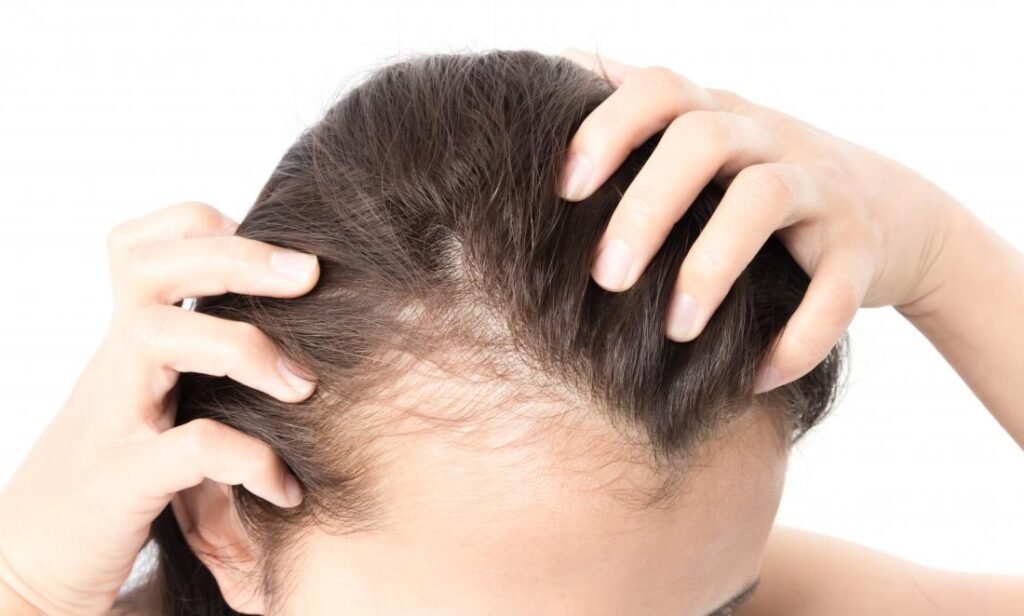
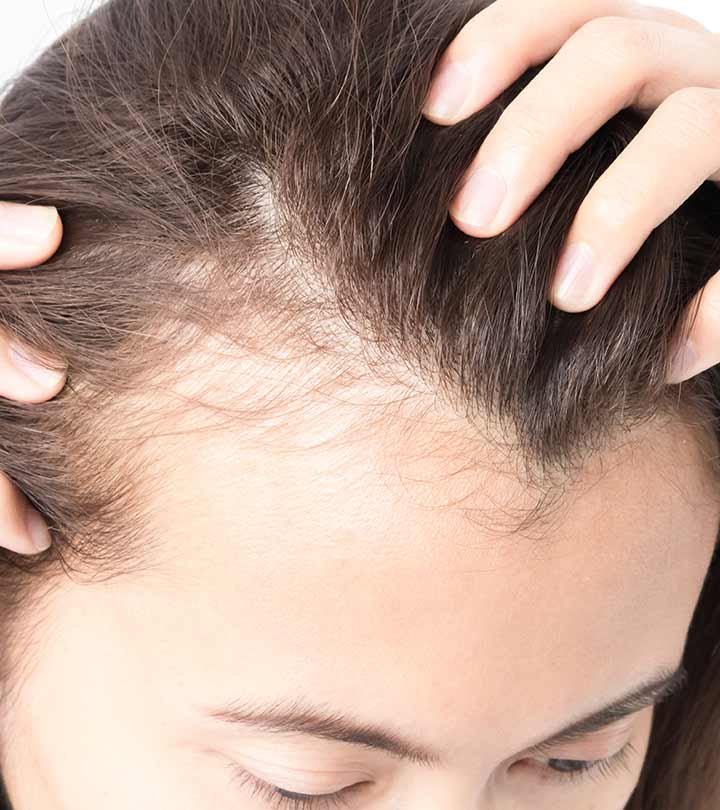
There are several types of hair loss that affect women. Female pattern hair loss (FPHL), also known as androgenetic alopecia, is the most common form. It is characterized by a gradual thinning of the hair, primarily on the top and front of the scalp. Other types of hair loss in women include alopecia areata, which causes patchy hair loss, and telogen effluvium, which leads to excessive shedding due to a disturbance in the hair growth cycle.
Impact of hair loss on women
Hair loss can have a profound impact on a woman’s self-esteem and overall well-being. Many women rely on their hair as a symbol of femininity, and losing it can result in feelings of insecurity, embarrassment, and even depression. The psychological effects can extend beyond personal relationships and affect professional and social aspects of a woman’s life. Understanding the emotional toll of hair loss is essential in developing strategies to cope with and overcome these challenges.
Preventing Hair Loss in Women
While not all causes of hair loss can be prevented, there are several strategies that women can incorporate into their daily routines to help maintain healthy hair and reduce the risk of further shedding.
Maintaining a balanced and nutritious diet
A well-balanced diet plays a significant role in hair health. Including foods rich in vitamins, minerals, and essential fatty acids, such as fruits, vegetables, lean proteins, and healthy fats, can support hair growth and prevent deficiencies that may contribute to hair loss. It is also important to stay hydrated by drinking an adequate amount of water daily.
Avoiding excessive heat and styling damage
Exposing hair to excessive heat from styling tools like flat irons, curling irons, and hairdryers can cause damage and weaken the hair shaft, leading to breakage and thinning. It is advisable to use heat protectant products and minimize the use of heat styling tools.
Using gentle hair care products
Harsh chemicals found in some hair care products can strip away natural oils and damage hair follicles. Opting for gentle, sulfate-free shampoos and conditioners can help maintain a healthy scalp and promote strong, resilient hair.
Avoiding tight hairstyles
Hairstyles that pull the hair tightly, such as ponytails, braids, and buns, can cause traction alopecia, a form of hair loss resulting from constant tension on the hair follicles. Alternating hairstyles and avoiding excessive tightness can help prevent this type of hair loss.
Protecting hair from the sun
Excessive sun exposure can damage the hair cuticle and cause it to weaken, leading to breakage and hair loss. Wearing a hat or using a sunscreen spray specifically designed for hair can provide protection from harmful UV rays.
Managing stress levels
Chronic stress can disrupt the hair growth cycle and contribute to hair loss. Practicing stress-management techniques, such as regular exercise, meditation, and relaxation techniques, can help maintain overall hair health.
Quitting smoking
Smoking not only damages overall health but can also have a negative impact on hair growth. The chemicals in cigarettes can constrict blood vessels, reducing the flow of nutrients to the hair follicles. Quitting smoking can improve overall hair health and reduce the risk of further hair loss.
Avoiding excessive hair treatments and chemical processing
Chemical treatments, such as perming, relaxing, or coloring hair, can weaken the hair shaft and cause breakage and hair loss. Minimizing the use of these treatments and opting for more natural alternatives can help maintain healthy hair.
Regularly massaging the scalp
Massaging the scalp can help stimulate blood flow and promote hair growth. Using gentle pressure in circular motions, preferably with fingertips, can improve circulation to the hair follicles and nourish the scalp.
Considering hormone therapy or supplements for underlying conditions
In cases where hair loss is due to hormonal imbalances or underlying medical conditions, consulting with a healthcare professional may be necessary. Hormone therapy or supplements may be recommended to address the root cause of the hair loss and promote regrowth.
Caring for Thinning Hair and Bald Spots
For women experiencing thinning hair or bald spots, there are several strategies and options available to help manage and enhance their appearance.
Choosing the right hairstyle
Opting for a hairstyle that adds volume and movement can create the illusion of fuller hair. Layers, textured cuts, and strategic placement of bangs can help camouflage thinning areas.
Coloring and styling thinning hair
Using hair color strategically can help create the appearance of thickness. Adding highlights or lowlights can add dimension to the hair and make it look fuller. Texturizing products like mousse or sprays can also add body and volume.
Using volumizing products
Volumizing shampoos, conditioners, and styling products can provide temporary fullness and lift to thinning hair. These products typically contain ingredients that coat the hair shaft and create volume, making the hair appear fuller.
Utilizing hair accessories and extensions
Hair accessories, such as headbands, scarves, or hair clips, can divert attention from thinning areas and add a stylish touch to your hairstyle. Clip-in or tape-in hair extensions can also be used to add volume and length to thinning hair.
Covering bald spots with makeup
Specialized makeup products, like a hair-building fiber powder or spray, can be used to fill in and conceal bald spots or areas of sparse hair. These products adhere to the hair shafts and create the appearance of thicker, fuller hair.
Investing in a good quality wig
For those who prefer a more dramatic transformation, investing in a high-quality wig can provide a natural-looking solution. Wigs offer versatility and allow women to experiment with different hairstyles, colors, and lengths.
Considering hair transplant or restoration options
Hair transplant surgery and other restoration options, such as platelet-rich plasma (PRP) therapy or laser treatments, may be suitable for women with significant hair loss. These procedures can help stimulate hair regrowth and restore fuller, thicker hair.
Maintaining Scalp Health
A healthy scalp is the foundation for strong and vibrant hair. Proper scalp care is essential in promoting hair growth and preventing further hair loss.
Keeping the scalp clean
Regularly washing the scalp with a sulfate-free and gentle shampoo can help remove dirt, excess oil, and product buildup, maintaining a clean environment for hair follicles to thrive.
Using a sulfate-free and gentle shampoo
Sulfates, found in some shampoos, can strip away natural oils and disrupt the scalp’s balance. Opting for sulfate-free shampoos can help preserve the scalp’s moisture and promote a healthy environment for hair growth.
Using a moisturizing conditioner
Conditioning the hair and scalp with a moisturizing conditioner can help nourish and hydrate the hair follicles, preventing dryness and breakage. Focus on applying the conditioner to the lengths and ends of the hair and avoid excessive application on the scalp.
Exfoliating the scalp
Exfoliating the scalp once a week can help remove dead skin cells, promote cell turnover, and unclog hair follicles. This can be done using a gentle scalp scrub or by massaging the scalp with a soft brush or fingertips.
Using scalp treatments and serums
Scalp treatments and serums specifically formulated for hair growth can provide essential nutrients, stimulate blood flow, and nourish the hair follicles. These products often contain ingredients like minoxidil, biotin, or natural extracts known to promote hair growth.
Avoiding excessive scratching or itching
Scratching or itching the scalp can cause damage to the hair follicles and lead to hair loss. By avoiding this habit, the risk of further hair loss can be minimized.
Consulting a dermatologist for scalp issues
If experiencing persistent scalp issues, such as dandruff, redness, or irritation, it is advisable to consult a dermatologist or trichologist. They can provide a proper diagnosis and recommend targeted treatments to address any underlying scalp conditions.
Coping with Psychological Effects
Dealing with the psychological effects of hair loss is an important aspect of managing this condition. It is essential to prioritize self-care and seek support when needed.
Seeking emotional support
Talking openly about hair loss and seeking emotional support from friends, family, or support groups can provide a sense of relief and understanding. Sharing experiences and connecting with others who are going through similar challenges can help alleviate feelings of isolation.
Talking to a therapist or counselor
A therapist or counselor can provide guidance and support for managing the emotional impact of hair loss. They can help individuals develop coping mechanisms, improve self-image, and navigate any negative emotions associated with hair loss.
Joining support groups
Support groups specifically designed for individuals dealing with hair loss can offer a safe space to share concerns, experiences, and advice. These groups often provide a sense of community and empowerment.
Practicing self-acceptance and self-care
Learning to accept oneself, including the changes in physical appearance due to hair loss, is an important step towards self-acceptance. Engaging in self-care activities that promote overall well-being can also boost confidence and help maintain a positive outlook.
Exploring alternative hair options
For individuals seeking temporary solutions, alternatives like wigs, hair toppers, or hairpieces can provide a sense of normalcy and enhance self-confidence. Exploring different options and finding what works best for each individual is essential to regain a sense of control.
Understanding the societal perception of balding in women
Recognizing that societal beauty standards may not align with personal experiences can help reduce the impact of external pressures. Understanding that beauty comes in all forms and that hair loss does not define an individual’s worth can contribute to a healthier mindset.
When to Seek Professional Help
While some hair loss is normal, certain signs should prompt a consultation with a dermatologist or trichologist for a proper evaluation and diagnosis.
Persistent or sudden hair loss
If experiencing persistent or sudden hair loss that does not improve or resolves on its own, it is advisable to seek professional help. Identifying the underlying cause and receiving appropriate treatment can help prevent further hair loss.
Visible scalp irritation or redness
If the scalp shows signs of irritation, redness, or discomfort, it may indicate an underlying condition that requires medical attention. A dermatologist can provide a proper diagnosis and recommend suitable treatments.
Other accompanying symptoms
If hair loss is accompanied by other symptoms, such as fatigue, unexplained weight loss, or changes in menstrual cycle, it may indicate an underlying medical condition. Seeking medical advice can help identify and address any potential health concerns.
Underlying medical conditions or hormonal imbalances
Women with pre-existing medical conditions or hormonal imbalances may be more susceptible to hair loss. Consulting a healthcare professional can help identify and manage these underlying conditions.
Consulting a dermatologist or trichologist
Dermatologists and trichologists specialize in diagnosing and treating hair and scalp conditions. They can provide expert advice, recommend appropriate treatments, and guide individuals through their hair loss journey.
Common Myths About Female Hair Loss
Hair loss in women is often surrounded by misconceptions. It is important to debunk these myths and provide accurate information to guide women experiencing hair loss.
Hair loss is only a problem for men
Contrary to popular belief, hair loss is not exclusive to men. Women can also experience significant hair loss due to various factors, including hormonal imbalances, medical conditions, and genetic predisposition.
Hair loss is a natural consequence of aging
While hair thinning is more common as people age, it is not an inevitable consequence of getting older. Hair loss can occur at any age due to a variety of reasons, and seeking appropriate treatment can help manage and potentially reverse the effects.
Wearing hats or using hair products cause hair loss
Wearing hats or using hair products correctly does not cause hair loss. However, excessively tight hats or improperly used hair accessories that pull on the hair can contribute to traction alopecia and lead to hair loss.
Hair loss can be reversed overnight
Regrowing hair takes time and patience. Hair cells have a natural growth cycle, and it may take several months to see noticeable improvements. Consistency in following recommended treatments and strategies is key to achieving positive results.
Hair loss is always permanent
Hair loss can be temporary or permanent, depending on the underlying cause. Some cases of hair loss, such as those caused by hormonal imbalances or certain medical conditions, are reversible with appropriate treatment. Consulting a healthcare professional can provide insight into the potential for regrowth.
The Role of Genetics in Female Hair Loss
Genetic factors play a significant role in female hair loss. Understanding the role of genetics can help individuals better comprehend their hair loss patterns and explore appropriate treatment options.
Genetic factors and hereditary hair loss
Genetic predisposition can make certain individuals more susceptible to hair loss. If there is a family history of female pattern hair loss or male pattern baldness, the likelihood of experiencing similar hair loss increases.
Understanding female pattern hair loss (FPHL)
Female pattern hair loss, also known as androgenetic alopecia, is the most common type of hair loss in women. It is characterized by a progressive thinning of the hair on the top and front of the scalp. This condition is usually influenced by genetic factors and hormonal imbalances.
Potential treatment options for genetic hair loss
Various treatment options are available for genetic hair loss in women. These may include topical minoxidil, oral medications, low-level laser therapy, and even hair transplant surgery. Consulting with a healthcare professional or dermatologist can help determine the most suitable treatment based on individual needs.
Hair Care Tips to Support Hair Regrowth
For women looking to promote hair regrowth, adopting certain hair care practices can complement treatment options and encourage healthier hair growth.
Scalp massages and stimulation
Massaging the scalp can help improve blood circulation to the hair follicles, leading to increased nutrient supply and enhanced hair growth. Gentle scalp massages using the fingertips or a scalp massager can be performed regularly to stimulate the scalp.
Using stimulating hair growth products
Certain hair growth products, such as those containing minoxidil or biotin, can help promote hair regrowth. These products are believed to extend the hair growth phase and reactivate dormant hair follicles.
Maintaining a healthy lifestyle
Leading a healthy lifestyle is essential in supporting hair regrowth. Adequate sleep, regular exercise, and a balanced diet contribute to overall hair health. It is important to nourish the body with the necessary vitamins, minerals, and nutrients that support hair growth.
Supplementing with vitamins and minerals
In some cases, adding specific vitamins and minerals to the diet or supplementing with them can help promote hair regrowth. Biotin, vitamin D, iron, zinc, and omega-3 fatty acids are among the nutrients that have been associated with hair health. It is advisable to consult with a healthcare professional before starting any supplements.
Exploring hair growth treatments and medications
Hair growth treatments and medications tailored to individual needs can help promote hair regrowth. These may include prescribed topical treatments, oral medications, or even procedures like platelet-rich plasma (PRP) therapy. Consulting with a dermatologist or trichologist can provide guidance on the most effective treatment methods.
Seeking professional advice for hair regrowth
For women seeking significant hair regrowth or struggling with hair loss, seeking professional advice from a dermatologist or trichologist is essential. These specialists can evaluate the underlying cause of the hair loss and recommend targeted treatments to stimulate regrowth.
Accepting and Embracing Baldness
While managing hair loss and striving for regrowth are valid goals, it is important for women to acknowledge and accept their baldness to foster self-acceptance and embrace their own unique beauty.
Challenging societal beauty standards
Society often associates hair with beauty, making it important to challenge these standards and redefine what it means to be beautiful. By celebrating diverse representations of beauty, women can feel empowered and confident regardless of their hair status.
Celebrating diversity and self-expression
Hair loss does not define one’s identity or worth. Embracing baldness allows women to explore new avenues of self-expression and celebrate their unique features. Whether it’s trying out new styles, experimenting with headscarves, or rocking a bold look, embracing baldness can be a beautiful journey of self-discovery.
Finding confidence in one’s own appearance
Confidence comes from within and should not be solely dependent on external factors, such as hair. By focusing on personal strengths, achievements, and embracing their own unique beauty, women can cultivate self-confidence that radiates beyond physical appearance.
Redefining personal beauty
Each woman’s perception of beauty is unique and should not be limited to societal standards. Redefining personal beauty means embracing individuality, embracing imperfections, and recognizing the strength and resilience that lies within.
Positive role models for balding women
Finding positive role models who have embraced their baldness can be inspiring and reassuring for women experiencing hair loss. Looking up to women who have confidently navigated their hair loss journey can provide a sense of hope and support. Whether they are public figures, friends, or family members, their stories can be empowering and uplifting.
In conclusion, understanding the causes, types, and impacts of hair loss in women is crucial in developing strategies to prevent, care for, and manage this condition. From maintaining a balanced diet to exploring treatment options, there are numerous steps women can take to promote scalp health, support regrowth, and cope with the psychological effects of hair loss. By challenging societal beauty standards and embracing personal beauty, women can find empowerment and confidence in their own unique journey. Remember, seeking professional help and support is always beneficial in navigating the complexities of hair loss and finding the most suitable solutions.