
Have you ever experienced sharp, stabbing pain in your joints that seems to worsen over time? If so, you may be familiar with the culprit behind these painful episodes – bone spurs. In this article, we will explore the causes, symptoms, and treatment options available for bone spurs, shedding light on this common yet often misunderstood condition. From the underlying factors that trigger their formation to the various interventions that can alleviate your discomfort, we aim to provide you with a comprehensive understanding of bone spurs and empower you to make informed decisions about your health. So, let’s delve deeper into the world of bone spurs and discover how to regain control over your joint health.

Understanding Bone Spurs
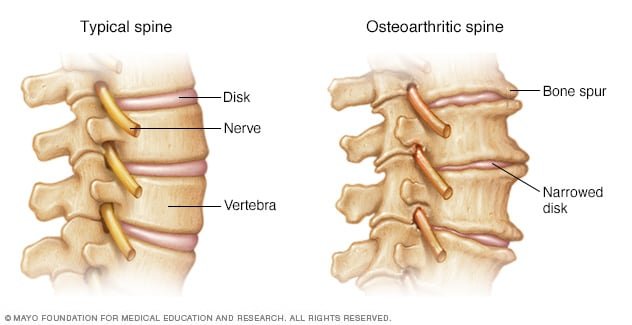
Bone spurs, also known as osteophytes, are bony projections that develop on the edges of bones. They typically form in response to the body’s attempt to repair itself. While bone spurs are often asymptomatic and may go unnoticed, they can cause pain, discomfort, and other complications when they press against nerves or other tissues. Understanding the causes, symptoms, and treatment options for bone spurs is crucial in managing and preventing further complications.
Definition
Bone spurs are bony outgrowths that occur along the edges of bones. They are commonly found in joints, such as the knees, shoulders, spine, and hips. These tiny projections are formed as a result of the body’s natural healing process. They can vary in size and shape, with some bone spurs being smooth and others being pointed. Although bone spurs are often associated with aging and degenerative conditions, they can also occur in younger individuals due to specific health conditions or trauma.

Causes
The primary cause of bone spurs is the body’s response to stress, pressure, or damage to the bones or joints. When a bone is subjected to excessive stress or repetitive motion, the body attempts to repair the damage by depositing new bone in the affected area. Over time, this continuous bone growth can lead to the formation of bone spurs. Common causes of bone spurs include:
- Osteoarthritis: This degenerative joint disease is a leading cause of bone spurs. The breakdown of cartilage in the joints prompts the body to produce additional bone in an attempt to stabilize the affected area.
- Aging: As we age, our bones and joints naturally undergo wear and tear. This can lead to the development of bone spurs in various parts of the body.
- Trauma: Injuries to the bones or joints, such as fractures, can trigger the formation of bone spurs as a part of the healing process.
- Obesity: Excess weight places added stress on the joints, contributing to the development of bone spurs.
- Poor posture: Incorrect posture can cause misalignment of the bones, leading to abnormal pressure and subsequent bone spur formation.
Risk Factors
While bone spurs can occur in anyone, certain factors may increase an individual’s susceptibility to developing them. These risk factors include:
- Age: Bone spurs become more common as individuals age, as the body’s regenerative abilities gradually decline.
- Gender: Men are more likely to develop bone spurs than women, particularly in the spine and feet.
- Genetics: Some individuals may have an inherited predisposition to developing bone spurs.
- Occupation or sports: Jobs or activities that involve repetitive motions or excessive stress on the joints, such as running or construction work, can increase the risk of bone spur formation.
- Certain health conditions: Conditions such as rheumatoid arthritis, gout, and diabetes can contribute to the development of bone spurs.
Common Locations
Bone spurs can develop in various locations throughout the body, with some areas being more prone to their formation than others. The most common locations for bone spurs include:
- Spine: Bone spurs in the spine can lead to spinal stenosis, a narrowing of the spinal canal, which can compress the spinal cord and nerves.
- Hips and knees: Osteoarthritis commonly affects these weight-bearing joints, leading to the development of bone spurs.
- Shoulders: Bone spurs in the shoulder can result from injuries, overuse, or chronic conditions like rotator cuff tears.
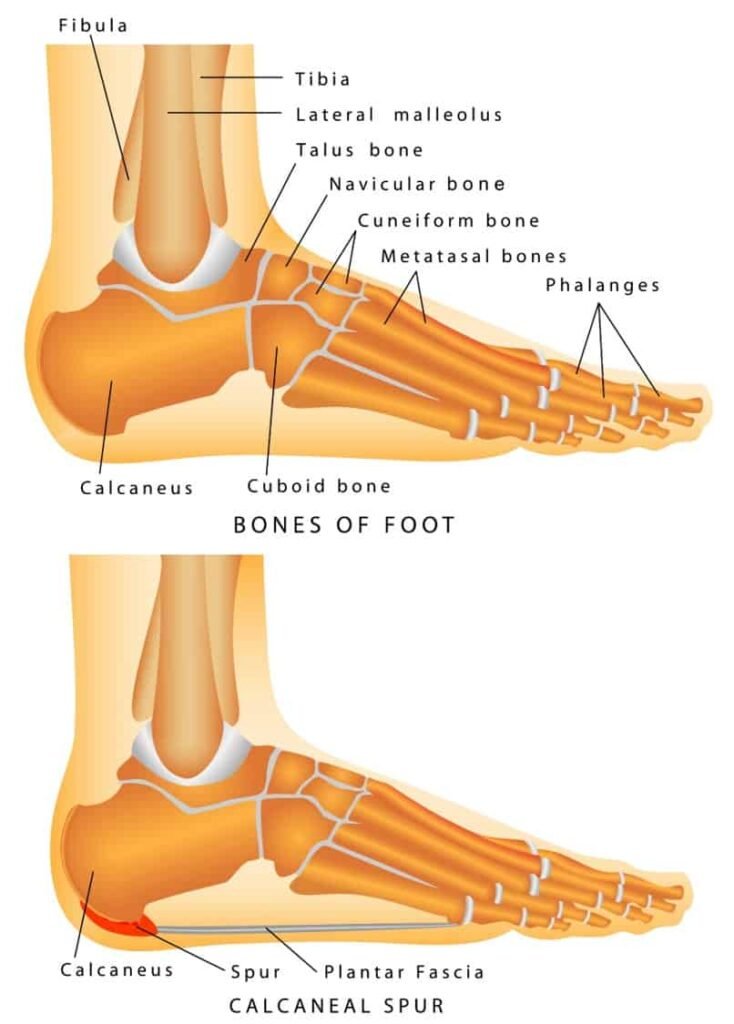
- Hands and feet: Bone spurs in the hands and feet can cause joint deformities, such as bunions or the development of heel spurs.
Symptoms of Bone Spurs
While many bone spurs are asymptomatic, they can cause discomfort and pain when they impinge on surrounding tissues and nerves. The severity and location of symptoms may vary depending on the affected area.
Pain and Discomfort
Bone spurs can cause localized pain at the site of formation. This pain is often described as aching or sharp and may worsen with movement or pressure on the affected area. The level of pain can range from mild discomfort to severe, debilitating pain, depending on the size and location of the bone spur.
Decreased Range of Motion
Bone spurs can limit the range of motion in joints, leading to decreased flexibility and mobility. This can make it challenging to perform daily activities and tasks that require joint movement.
Numbness and Tingling
When bone spurs compress nerves, they can cause sensations of numbness, tingling, or a “pins and needles” feeling. This is especially common when bone spurs occur in the spine, leading to nerve impingement and radiculopathy.
Diagnosis and Complications of Bone Spurs
Diagnosing bone spurs usually involves a medical history evaluation, physical examination, and imaging tests to confirm the presence of bone spurs and assess any associated complications.
Medical History and Physical Examination
Your doctor will inquire about your symptoms, medical history, and any previous injuries or conditions that may contribute to the development of bone spurs. They will also conduct a physical examination, assessing the affected area for signs of swelling, tenderness, or limitation of movement.
Imaging Tests
Imaging tests, such as X-rays, CT scans, or MRI scans, may be ordered to visualize the bone spurs and evaluate any potential complications, such as joint damage, nerve compression, or inflammation. These tests provide detailed images of the bones, joints, and soft tissues, aiding in the diagnosis and treatment planning process.
Complications
If left untreated, bone spurs can lead to various complications. These include joint damage, nerve impingement, functional limitations, and the development of related conditions such as arthritis. Early diagnosis and appropriate treatment can help prevent or manage these complications effectively.
Non-Surgical Treatment Options for Bone Spurs
Treatment options for bone spurs typically involve non-surgical interventions aimed at relieving pain, improving mobility, and managing symptoms. Non-surgical treatment options include:
Monitoring and Self-Care
In cases where bone spurs are asymptomatic or cause mild discomfort, monitoring the condition and self-care measures may be sufficient. This includes monitoring for any changes in symptoms, avoiding activities that exacerbate pain, and implementing lifestyle modifications to reduce stress on the affected joints.
Medications
Nonsteroidal anti-inflammatory drugs (NSAIDs) are commonly prescribed to alleviate pain and reduce inflammation associated with bone spurs. Additionally, corticosteroid injections may be administered directly into the affected joint to provide temporary relief and decrease inflammation.
Physical Therapy
Physical therapy plays a vital role in the non-surgical management of bone spurs. Therapeutic exercises and stretches can help strengthen the surrounding muscles, improve joint stability, and enhance range of motion. Physical therapists may also employ modalities such as ultrasound, heat, or ice to provide pain relief and promote healing.
Orthotic Devices
Orthotic devices, such as shoe inserts or splints, can help alleviate symptoms and provide support by redistributing pressure and realigning the affected joints. These devices are designed to reduce pain, improve function, and prevent further damage caused by bone spurs.
Alternative Therapies
Complementary and alternative therapies, including acupuncture, chiropractic care, and massage, may provide additional relief for individuals with bone spurs. While the evidence for their efficacy is limited, some individuals report a reduction in pain and improved mobility with these alternative treatments.

Surgical Treatment Options for Bone Spurs
In cases where non-surgical treatments fail to relieve symptoms or when complications arise, surgical intervention may be necessary. The decision to undergo surgery depends on factors such as the severity of symptoms, impact on daily activities, and the individual’s overall health. Surgical treatment options for bone spurs include:
When Surgery is Necessary
Surgery may be recommended when non-surgical interventions have proven ineffective in managing pain and improving function. Surgical intervention may also be necessary if the bone spurs cause severe complications such as nerve impingement, joint instability, or severe joint damage.
Surgical Procedures
The specific surgical procedure will depend on the location and severity of the bone spur. Common surgical interventions for bone spurs include arthroscopy, joint fusion, joint replacement, or osteotomy. These procedures aim to remove or reshape the bone spur, repair damaged tissues, and restore joint function.
Prevention of Bone Spurs
While it may not be possible to prevent bone spurs entirely, certain lifestyle modifications and preventive measures can minimize the risk of their development. These include:
Maintaining Proper Posture
Maintaining good posture throughout daily activities and using proper body mechanics can help reduce stress on the joints and prevent abnormal bone growth.
Avoiding Repetitive Motion
Avoiding repetitive activities or taking frequent breaks to rest and change positions can prevent excessive stress on the bones and reduce the likelihood of developing bone spurs.
Wearing Appropriate Footwear
Wearing properly fitting shoes with good arch support and cushioning can help distribute weight evenly and reduce pressure on the feet and joints.
Complications of Ignoring Bone Spurs
Ignoring bone spurs and failing to seek appropriate treatment can lead to various complications, including:
Joint Damage
Untreated bone spurs can contribute to joint damage and deterioration, leading to progressive degenerative conditions such as osteoarthritis. This can result in chronic pain, reduced mobility, and decreased quality of life.
Nerve Impingement
When bone spurs compress nerves, they can cause nerve impingement, resulting in symptoms such as pain, numbness, weakness, or tingling in the affected area. Long-term nerve compression can cause permanent damage and nerve dysfunction.
Functional Limitations
Due to the pain and limited range of motion associated with bone spurs, individuals may experience functional limitations in their daily activities. This may lead to difficulties in performing work-related tasks, hobbies, or even basic self-care activities.
Differentiating Bone Spurs from Other Conditions
Bone spurs share similar symptoms with certain other conditions, making it important to differentiate them for accurate diagnosis and appropriate treatment. Some conditions that may resemble bone spurs include:
Arthritis
Arthritis is a broad term encompassing various joint diseases characterized by inflammation and joint pain. While bone spurs can be present in arthritis, they are not the primary cause. Distinguishing between arthritis and bone spurs requires a thorough evaluation of symptoms, physical examination, and medical imaging.
Bunions
Bunions are bony bumps that form on the joint at the base of the big toe. Although they can share similarities with bone spurs, bunions are primarily caused by structural abnormalities and are often associated with joint misalignment and foot deformities.
Plantar Fasciitis
Plantar fasciitis is a condition characterized by inflammation and pain in the plantar fascia, a thick band of tissue that runs across the bottom of the foot. While bone spurs can contribute to the development of plantar fasciitis, the presence of a bone spur does not necessarily mean an individual will develop this condition.
How to Live with Bone Spurs
Living with bone spurs requires adapting to the pain, managing symptoms, and making necessary lifestyle adjustments to maintain overall well-being. Some tips for living with bone spurs include:
Adapting to Pain and Limitations
Listening to your body and adjusting your activities accordingly is crucial in managing bone spur-related pain. This may involve modifying your daily routine, avoiding strenuous activities or exercises, and incorporating gentle stretching and low-impact exercises into your routine.
Seeking Support and Information
Reaching out to healthcare professionals, support groups, and organizations specializing in bone spur management can provide valuable information, guidance, and emotional support during your journey. Connecting with others who have similar experiences can help you navigate the challenges and find effective coping strategies.
Research and Advancements in Bone Spur Treatment
Continuous research and advancements in medical technology have led to the development of innovative treatment options for bone spurs. Some of these advancements include:
Stem Cell Therapy
Stem cell therapy involves the use of stem cells to regenerate damaged tissues and promote healing. Early studies have shown promise in using stem cell therapy for bone spur treatment, as it may help repair the damaged cartilage and bone.
Platelet-Rich Plasma (PRP) Therapy
Platelet-rich plasma therapy utilizes the patient’s blood to extract platelets, which contain growth factors that promote tissue regeneration. PRP therapy has shown potential in managing pain and reducing inflammation associated with bone spurs.
Biologic Injections
Biologic injections, such as corticosteroids or hyaluronic acid, can provide temporary relief by reducing inflammation and improving joint lubrication. While not a permanent solution, these injections may help manage symptoms and delay the need for surgical intervention.
In conclusion, understanding bone spurs is a crucial step in effectively managing the symptoms, preventing complications, and exploring treatment options. By recognizing the causes, symptoms, and risk factors associated with bone spurs, individuals can seek appropriate medical attention, make proactive lifestyle adjustments, and explore the various treatment options available to ensure optimal bone health and overall well-being.