
Have you ever wondered what causes the relentless coughing fits that seem to linger for weeks? Look no further than Bordetella pertussis, the culprit behind pertussis, more commonly known as whooping cough. This highly contagious bacterial infection affects the respiratory system, primarily in infants and young children, but can also impact adults. In this article, we will explore the causes, symptoms, and treatment options for Bordetella pertussis to help you gain a better understanding of this illness and protect yourself and your loved ones. So grab a cup of tea and get ready to dive into the fascinating world of Bordetella pertussis!
What is Bordetella Pertussis?
Overview of Bordetella Pertussis
Bordetella Pertussis, commonly known as whooping cough, is a highly contagious respiratory infection caused by the bacterium Bordetella pertussis. It primarily affects the respiratory tract and can cause severe coughing fits, often accompanied by a characteristic “whooping” sound. While it may be a mild illness for some, it can be life-threatening, especially for infants and young children. Understanding the causes, symptoms, and treatment of Bordetella Pertussis is crucial for effective prevention and management of the disease.
Transmission of Bordetella Pertussis
Bordetella Pertussis is primarily transmitted through respiratory droplets. When an infected person sneezes or coughs, tiny droplets containing the bacteria can be inhaled by others, leading to infection. Close contact with an infected individual increases the risk of transmission. The bacteria can survive on surfaces, making indirect contact another possible route of transmission. Additionally, individuals who have been vaccinated or previously infected with Bordetella Pertussis may still carry and transmit the bacteria, albeit with milder symptoms.
Prevalence of Bordetella Pertussis
Despite advancements in vaccination efforts, Bordetella Pertussis remains a significant public health concern globally. According to the World Health Organization (WHO), an estimated 16 million cases of whooping cough occur worldwide each year, resulting in approximately 195,000 deaths. The highest burden is seen in low-income countries, where access to healthcare and immunization programs may be limited. However, the disease can occur in any part of the world and affect individuals of all ages.
Causes of Bordetella Pertussis
Bacteria Responsible for Bordetella Pertussis
Bordetella pertussis is the primary bacterium responsible for causing Bordetella Pertussis. This gram-negative bacterium produces several toxins that contribute to the characteristic symptoms of the disease. These toxins include pertussis toxin (PT), filamentous hemagglutinin (FHA), tracheal cytotoxin (TCT), and adenylate cyclase toxin (ACT). These virulence factors help the bacteria colonize the respiratory tract, evade the immune system, and cause the characteristic coughing fits associated with the disease.
Mode of Transmission
Bordetella Pertussis is primarily transmitted through respiratory droplets. When an infected individual coughs or sneezes, tiny droplets containing the bacteria are released into the air and can be inhaled by others nearby. The bacteria can also survive on surfaces, making indirect contact another possible route of transmission. The highly contagious nature of Bordetella Pertussis underscores the importance of practicing good respiratory hygiene, such as covering your mouth when coughing or sneezing, to prevent the spread of the disease.
Risk Factors for Contracting Bordetella Pertussis
Several factors increase the risk of contracting Bordetella Pertussis. Unvaccinated or under-vaccinated individuals, particularly infants and young children, are at higher risk of severe disease. Infants under the age of six months, who may not have completed the full course of vaccination, are particularly vulnerable. Some older children and adults may experience waning immunity over time, increasing their susceptibility to infection. Close contact with an infected individual, such as within households or educational settings, also raises the risk of transmission.
Symptoms of Bordetella Pertussis
Early Symptoms of Bordetella Pertussis
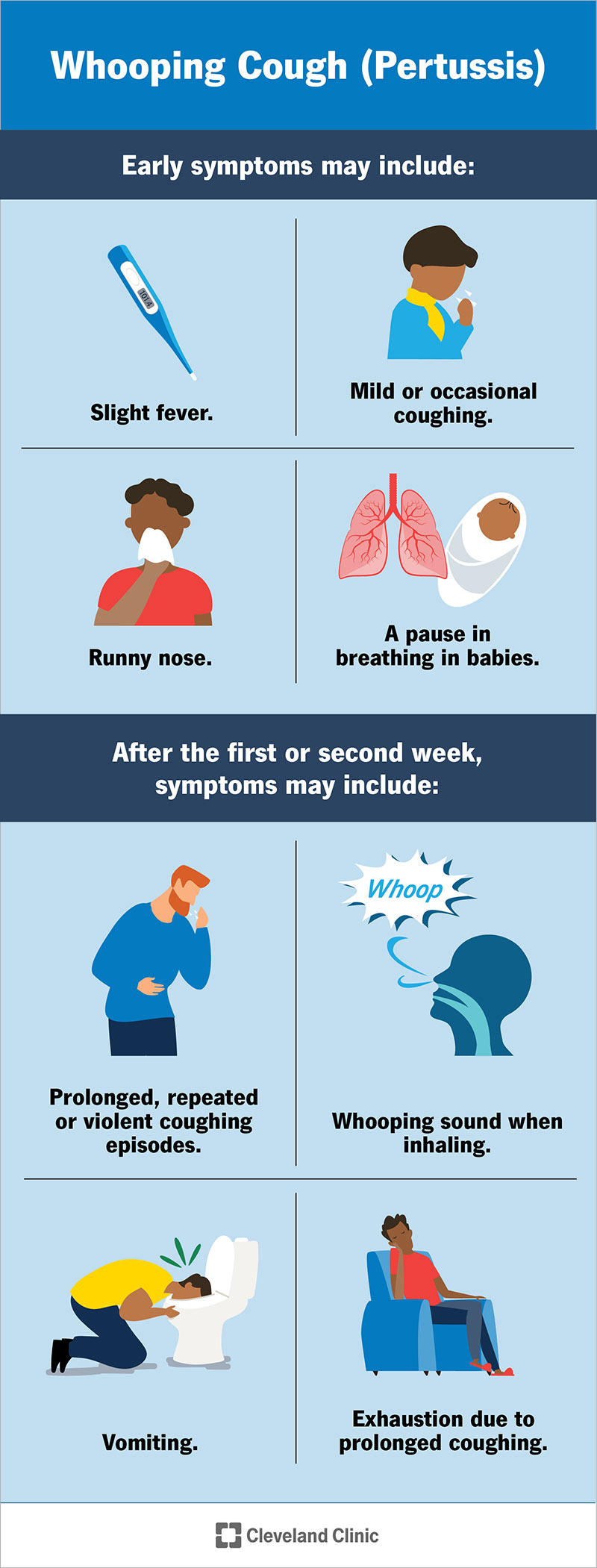
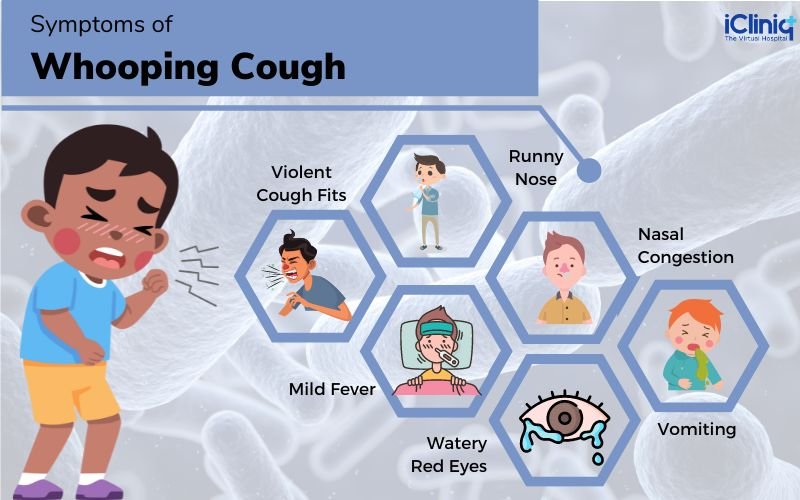
The early symptoms of Bordetella Pertussis often resemble those of a common cold, making diagnosis challenging in the initial stages. These symptoms typically develop within one to two weeks after exposure to the bacteria. Common early symptoms may include a runny or stuffy nose, mild cough, sneezing, low-grade fever, and a general feeling of malaise. It is essential to be aware of these early symptoms to seek appropriate medical attention and prevent further transmission.
Progression of Symptoms
As Bordetella Pertussis progresses, the cough becomes more severe and distinct. Coughing fits can be prolonged and may be associated with a characteristic “whooping” sound, hence the name “whooping cough.” These coughing fits can be particularly distressing, especially for infants and young children. A typical coughing episode may last for several minutes and end with a “whoop” sound as the individual tries to inhale deeply. Vomiting and exhaustion can occur after prolonged bouts of coughing.
Symptoms in Different Populations
The severity and presentation of symptoms can vary depending on the age and overall health of the affected individual. Infants under six months of age may not exhibit the characteristic whooping sound but can experience severe respiratory distress, with symptoms such as cyanosis (bluish discoloration of the skin) and apnea (temporary cessation of breathing). Older children and adults may have milder symptoms, similar to a persistent cough lasting several weeks. However, even in these cases, the disease can lead to complications and significant discomfort.
Diagnosis of Bordetella Pertussis
Physical Examination
Diagnosing Bordetella Pertussis involves a combination of clinical evaluation and laboratory tests. During a physical examination, healthcare providers may observe the characteristic coughing fits, listen for the “whooping” sound, and check for other signs of respiratory distress. It is essential to provide a detailed medical history, including recent contact with someone diagnosed with whooping cough, to aid in the accurate diagnosis of the disease.
Laboratory Tests
Laboratory tests are crucial for confirming the diagnosis of Bordetella Pertussis. The most commonly used tests include polymerase chain reaction (PCR) and serological methods. Polymerase chain reaction (PCR) tests can detect the DNA of Bordetella pertussis in respiratory specimens, providing a rapid and accurate diagnosis. Serological tests measure the presence of antibodies against the bacteria in a person’s blood and can help determine if someone has had recent or past exposure to Bordetella Pertussis.
Confirmation of Diagnosis
A confirmed diagnosis of Bordetella Pertussis requires the detection of the bacterium through laboratory tests or a positive serological response. The combination of clinical symptoms, physical examination findings, and positive laboratory test results allows for an accurate diagnosis. It is crucial to confirm the diagnosis early to initiate appropriate treatment, prevent further transmission, and manage potential complications.
Complications of Bordetella Pertussis
Possible Complications
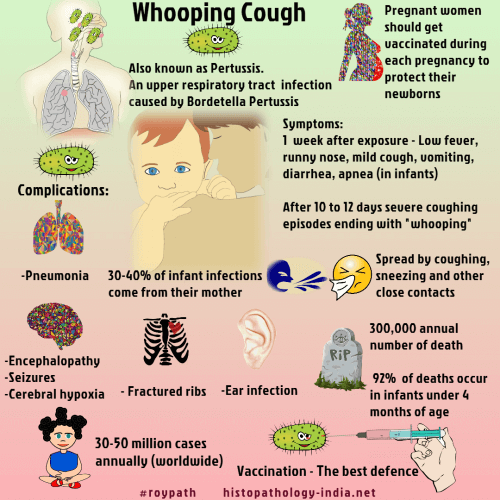
Bordetella Pertussis can lead to several complications, particularly in infants and young children. These can include pneumonia, middle ear infections, seizures, and even brain damage. Complications may also manifest as secondary bacterial infections, such as bronchitis or sinusitis. In severe cases, the disease can result in hospitalization, intensive care, and, in rare instances, death. The risk and severity of complications vary depending on the age, overall health, vaccination status, and timely management of the disease.
Risk Factors for Developing Complications
Certain factors increase the risk of developing complications from Bordetella Pertussis. Infants and young children, especially those who have not completed the full course of vaccination, are at higher risk. Premature infants and those with underlying respiratory or neurological conditions may also be more susceptible to complications. Delayed or inadequate treatment can worsen the disease’s course and increase the likelihood of severe complications. Timely diagnosis, appropriate management, and supportive care help reduce the risk of complications.
Long-Term Effects
While most individuals recover from Bordetella Pertussis without long-term consequences, the disease can have lasting effects on some individuals. Coughing fits can be particularly severe and persistent, lasting for several weeks or even months. These prolonged coughing bouts can lead to exhaustion, disrupted sleep, weight loss, and rib fractures in severe cases. Additionally, the emotional and psychological impact of the disease, especially in children, should not be overlooked, as it can result in anxiety and fear related to coughing episodes.
Prevention of Bordetella Pertussis
Vaccination
Vaccination is the most effective way to prevent Bordetella Pertussis. The pertussis vaccine is typically administered as a part of routine childhood immunization schedules, often in combination with vaccines for other diseases, such as diphtheria and tetanus. The vaccine stimulates the immune system to produce protective antibodies against Bordetella Pertussis, reducing the risk of infection and its associated complications. Vaccination not only protects the vaccinated individual but also contributes to herd immunity, preventing the spread of the disease within communities.
Boosters
Booster doses of the pertussis vaccine are essential to maintain long-term immunity and prevent the resurgence of the disease in older children, adolescents, and adults. Immunity following pertussis vaccination can wane over time, increasing the risk of infection and transmission. Adolescents and adults are encouraged to receive booster doses, such as the Tdap vaccine, to ensure ongoing protection against Bordetella Pertussis and reduce the risk of transmission to vulnerable populations, such as infants.
Preventive Measures
In addition to vaccination, several preventive measures can help reduce the transmission of Bordetella Pertussis. Good respiratory hygiene practices, such as covering your mouth and nose when coughing or sneezing, can minimize the spread of respiratory droplets. Regular handwashing with soap and water or using hand sanitizers can help eliminate bacteria from contaminated surfaces. Limiting close contact with infected individuals, especially during the early stages of illness, can also help prevent transmission.
Treatment of Bordetella Pertussis
Supportive Care
Supportive care plays a vital role in managing Bordetella Pertussis. This includes managing symptoms, ensuring adequate hydration, and providing a supportive environment for recovery. Over-the-counter cough medications are generally not recommended for treating whooping cough, as they may not provide significant relief and can have side effects. However, creating a calm and comfortable environment, maintaining good nutrition, and encouraging rest can help alleviate symptoms and aid in recovery.
Antibiotic Therapy
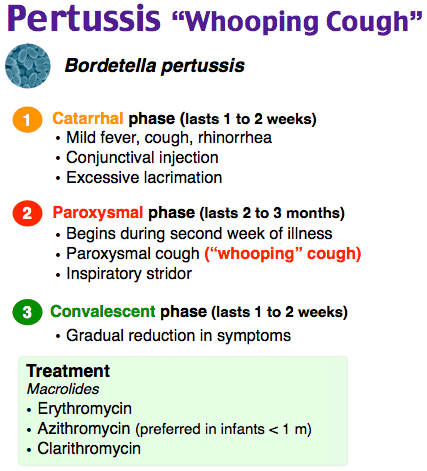
Antibiotic therapy is an essential component of treating Bordetella Pertussis, particularly in the early stages of the disease. Antibiotics, such as azithromycin, clarithromycin, or erythromycin, are commonly prescribed to individuals diagnosed with whooping cough. Early initiation of antibiotic treatment can help reduce the severity and duration of symptoms and prevent further transmission. It is crucial to complete the full course of antibiotics as prescribed, even if symptoms improve, to eradicate the bacteria completely and minimize the risk of complications.
Treatment for Complications
If complications arise from Bordetella Pertussis, additional treatment strategies may be necessary. Pneumonia, middle ear infections, and other secondary bacterial infections may require targeted antibiotic therapy. Supportive care measures, such as oxygen supplementation or intravenous fluids, may be necessary in severe cases. Prompt diagnosis and appropriate management of complications can help improve outcomes and reduce the likelihood of long-term effects.
Managing Bordetella Pertussis Outbreaks
Control and Prevention Strategies
Managing Bordetella Pertussis outbreaks requires a multi-faceted approach that combines control and prevention strategies. Swift identification of cases through surveillance systems allows for targeted interventions and timely treatment. Contact tracing and prophylactic antibiotic treatment for close contacts can help prevent the spread of the disease. Vaccination campaigns, particularly in localized areas with increased transmission, can help boost immunity and prevent further outbreaks.
Community Education and Awareness
Community education and awareness programs play a vital role in managing Bordetella Pertussis outbreaks. Providing accurate information about the disease, its transmission, and prevention measures can help dispel myths and misconceptions. Promoting the importance of vaccination, especially among high-risk populations, raises awareness and encourages individuals to seek timely immunization. Educating healthcare professionals, educators, and caregivers about the signs and symptoms of whooping cough enables early detection and appropriate management.
Isolation and Quarantine Measures
Isolation and quarantine measures may be necessary during Bordetella Pertussis outbreaks, particularly in healthcare facilities, schools, or other crowded settings. Promptly identifying and isolating suspected or confirmed cases helps contain the spread of the disease. Quarantining close contacts or providing prophylactic antibiotic treatment can help prevent further transmission. Clear guidelines and protocols, along with effective communication, ensure that these measures are implemented appropriately and with minimal disruptions.

Global Impact of Bordetella Pertussis
Incidence and Mortality Rates
Bordetella Pertussis has a significant global impact, with millions of cases reported annually. The disease remains a leading cause of morbidity and mortality, primarily affecting infants and young children. Incidence rates vary geographically, with higher burden seen in low-income countries with limited access to healthcare and immunization programs. Mortality rates are highest among infants, particularly those under six months of age. It is essential to continue monitoring and addressing the global impact of Bordetella Pertussis to minimize its burden on public health.
Regional Variations
Bordetella Pertussis exhibits regional variations in terms of incidence, prevalence, and control efforts. While high-income countries with robust healthcare systems have made significant progress in reducing the burden of the disease through vaccination programs, low-income countries continue to face challenges in access to vaccines and healthcare infrastructure. Regional variations also exist within countries, with localized clusters or outbreaks occurring in communities with low vaccination rates or waning immunity.
Socioeconomic Factors
Socioeconomic factors play a crucial role in the global impact of Bordetella Pertussis. Poverty, limited access to healthcare, and inadequate immunization coverage contribute to the higher burden of the disease in low-income countries. Social and economic disparities can lead to reduced uptake of vaccinations or delayed diagnosis and treatment. Addressing these socioeconomic factors through targeted interventions, improving healthcare infrastructure, and increasing vaccination coverage are essential steps in reducing the global impact of Bordetella Pertussis.
Conclusion
Summary of Bordetella Pertussis
Bordetella Pertussis, or whooping cough, is a highly contagious respiratory infection caused by the bacterium Bordetella pertussis. It primarily affects the respiratory tract and can cause severe coughing fits, often accompanied by a characteristic “whooping” sound. While it may be a mild illness for some, it can be life-threatening, especially for infants and young children. The disease is transmitted through respiratory droplets and can lead to complications and long-term effects if not properly managed.
Importance of Early Diagnosis and Treatment
Early diagnosis and treatment of Bordetella Pertussis are crucial in preventing further transmission and minimizing complications. Recognizing the early symptoms, seeking medical attention, and confirming the diagnosis through laboratory tests allow for timely initiation of antibiotic therapy and supportive care. Vaccination and boosters play a significant role in preventing the disease and reducing its severity. Early diagnosis and treatment also help reduce the risk of complications and long-term effects.
Future Prospects for Control
Continued efforts in research, vaccination, education, and public health strategies are essential for effective control of Bordetella Pertussis. Ongoing research aims to develop improved vaccines with longer-lasting immunity and fewer side effects. Education and awareness programs need to reach high-risk populations and emphasize the importance of vaccination. Strengthening healthcare infrastructure, particularly in low-income countries, is critical for access to timely diagnosis, treatment, and prevention measures. By working together, we can strive towards a future where Bordetella Pertussis is effectively controlled, enabling healthier communities worldwide.