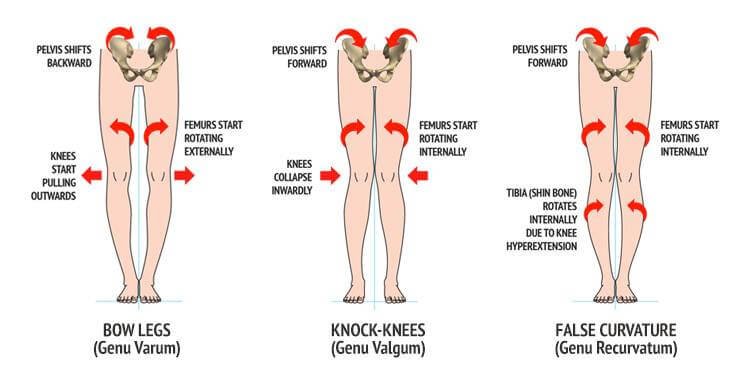
In this article, you will gain a comprehensive understanding of the causes and symptoms of a common condition known as bow legs. Whether you are personally experiencing this condition or simply curious about it, this insightful piece will provide you with valuable information to shed light on the topic. By exploring the underlying causes and recognizing the telltale signs, you will be equipped with the knowledge to recognize and take appropriate action if necessary. So, let’s embark on this journey to understand bow legs and how they can affect individuals of all ages.
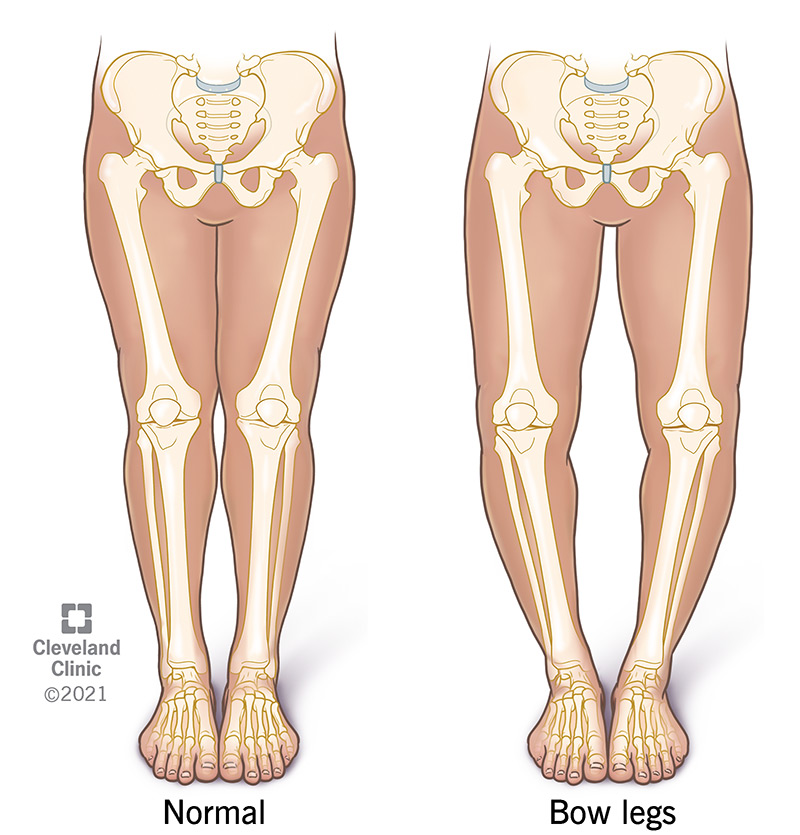
Causes of Bow Legs
Rickets
Rickets is a common cause of bow legs, especially in children. It is a condition that occurs due to a deficiency of vitamin D, calcium, or phosphate in the body. These nutrients are essential for the proper development and maintenance of strong and healthy bones. Without them, the bones become weak and soft, leading to abnormalities in the legs’ shape and structure.
Genetic Factors
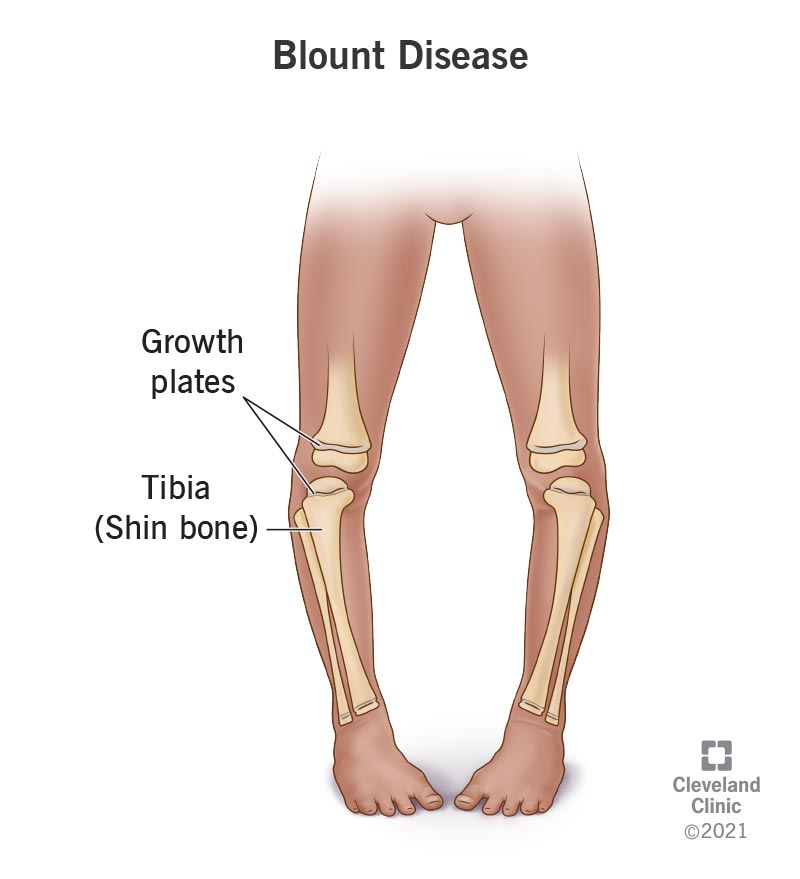
Some individuals may be born with a genetic predisposition to develop bow legs. Certain genetic conditions, such as Blount’s disease or genetic bone dysplasia, can result in the abnormal growth of bones in the legs. These conditions may affect the shape and alignment of the bones, leading to bow legs.
Bone Dysplasia
Bone dysplasia is a group of rare conditions that affect the growth and development of bones. It can cause the legs to become bowed or curved due to abnormalities in the bone structure. These conditions are usually present from birth and may require ongoing medical care and treatment.
Injury or Trauma
Injury or trauma to the legs can also cause bow legs in some cases. Fractures, especially those that occur during childhood while the bones are still growing, can disrupt the normal growth and development of the legs. If not properly treated, these injuries can lead to the formation of bow legs.
Arthritis
Arthritis is a condition characterized by inflammation and joint pain. In some cases, chronic arthritis can affect the knees or hips, leading to the development of bow legs. The inflammation in the joints can cause damage to the bones and cartilage, resulting in the legs taking on a bowed appearance.
Symptoms of Bow Legs
Visible Curvature of Legs
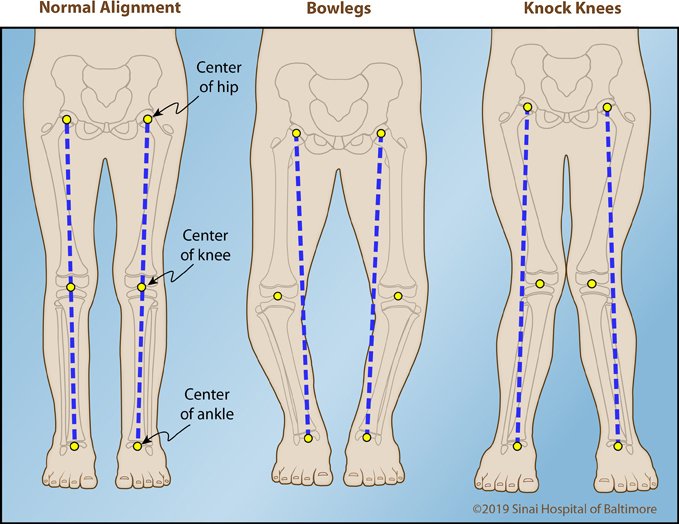
The most noticeable symptom of bow legs is the visible curvature of the legs. When standing straight, individuals with bow legs will have a noticeable space between their knees, while their ankles and feet may touch each other. The degree of curvature can vary from mild to severe, and it may affect one or both legs.
Knee or Hip Pain
People with bow legs often experience pain in their knees or hips. The abnormal alignment and stress placed on the joints can cause discomfort and pain, especially during activities that put pressure on the legs, such as walking or running. Over time, this pain can become chronic and affect daily activities.
Limited Range of Motion
The curvature in bow legs can also affect the range of motion in the legs. Individuals with bow legs may have difficulty fully extending or flexing their knees, leading to limited mobility. This limited range of motion can impact activities such as walking, running, or participating in sports.
Gait Abnormalities
Bow legs can also cause gait abnormalities, which refer to abnormalities in the way a person walks or runs. The curvature of the legs can affect the alignment of the feet, resulting in an altered gait pattern. This can lead to problems with balance, stability, and coordination.
Medical Evaluation for Bow Legs
Physical Examination
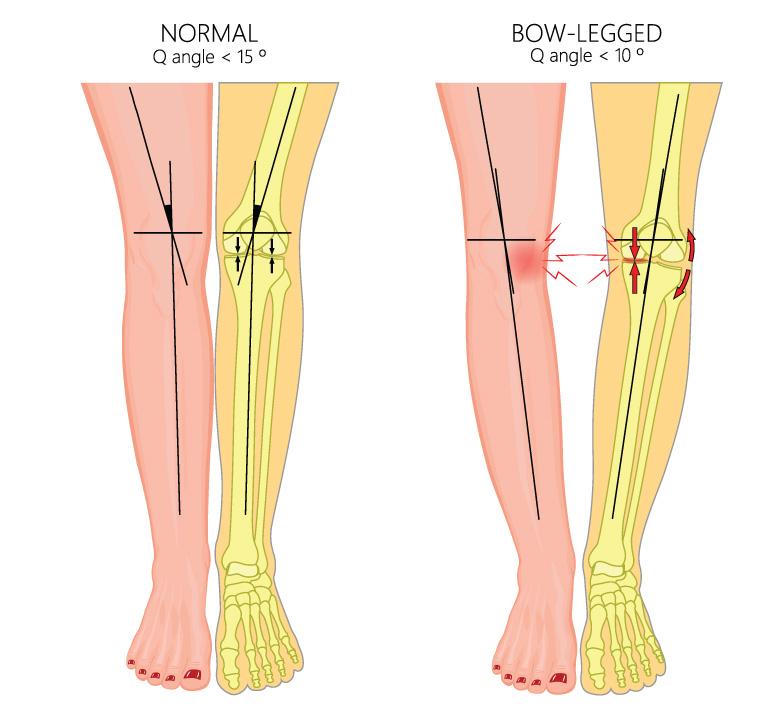
To evaluate bow legs, a physical examination is usually conducted. The healthcare provider will visually assess the legs’ alignment and curvature while the patient stands and walks. They may also measure the degree of angulation using specific tools to determine the severity of the condition.
Medical History
A detailed medical history is essential in diagnosing bow legs. The healthcare provider will ask questions about the patient’s symptoms, duration of the condition, any previous injuries or trauma to the legs, and any underlying medical conditions or family history of bone-related disorders.
X-rays
X-rays are commonly used to determine the cause and severity of bow legs. They provide detailed images of the bones, allowing healthcare professionals to assess the bone structure, alignment, and any abnormalities present. X-rays help rule out underlying bone diseases or injuries that may be contributing to the bow legs.
Blood Tests
In certain cases, blood tests may be ordered to identify any underlying vitamin deficiencies, such as vitamin D or calcium, that might be exacerbating or causing the bow legs. Blood tests also help detect any underlying medical conditions, such as arthritis, that could be contributing to the problem.
Treatment Options for Bow Legs
Observation and Monitoring
In some cases, mild bow legs may resolve on their own as the child grows. Therefore, observation and monitoring of the condition may be recommended. Regular follow-up appointments with a healthcare provider are necessary to ensure that the condition is not worsening and to address any concerns or symptoms that may arise.
Bracing
For children with moderate to severe bow legs, braces may be used as a treatment option. Braces, typically made of lightweight and adjustable materials, are worn on the legs to provide support and encourage proper alignment. The braces are typically worn for a specified period, usually during the night or for a few hours each day, to gradually correct the bowing.
Physical Therapy
Physical therapy is often recommended as a non-invasive treatment approach for bow legs. It involves targeted exercises and stretches designed to improve muscle strength, flexibility, and alignment. Physical therapy can help correct gait abnormalities, improve range of motion, and alleviate pain associated with bow legs.
Surgery
Surgery may be necessary for individuals with severe or persistent bow legs that do not respond to conservative treatments. The surgical procedure aims to correct the bone deformity and realign the legs. The specific surgical technique used will depend on the individual’s condition, age, and other factors. Following surgery, physical therapy is usually recommended to aid in the recovery and rehabilitation process.
Prevention and Self-Care
Maintaining a Healthy Diet
Eating a balanced diet rich in essential nutrients, such as vitamin D, calcium, and phosphorus, plays a crucial role in maintaining strong and healthy bones. Adequate intake of these nutrients throughout childhood and adulthood can help prevent conditions like rickets and ensure proper bone development, reducing the risk of developing bow legs.
Regular Exercise
Engaging in regular physical activity, such as walking, swimming, or cycling, can contribute to overall bone health and promote proper alignment of the legs. Exercise helps strengthen the muscles supporting the legs and maintain flexibility, which can help prevent or alleviate the symptoms of bow legs.
Good Posture
Maintaining good posture while sitting, standing, or walking is essential to ensure proper alignment of the legs and spine. Slouching or adopting incorrect postures can place unnecessary stress on the legs and contribute to the development of bow legs.
Avoiding Overuse Injuries
Participating in repetitive or high-impact activities without proper rest and recovery can increase the risk of overuse injuries to the legs. These injuries can disrupt normal bone growth and development, potentially leading to the formation of bow legs. It is important to incorporate rest periods and avoid excessive strain on the legs to minimize this risk.
Impact on Everyday Life
Difficulty Walking or Running
Bow legs can significantly impact an individual’s ability to walk or run comfortably. The altered alignment and gait abnormalities associated with bow legs can lead to difficulties in everyday activities, affecting mobility and overall quality of life.
Low Self-esteem
The visible curvature of bow legs can lead to self-consciousness and low self-esteem, especially in adolescents and adults. Individuals may feel self-conscious about their appearance, which can negatively impact their confidence and self-image.
Social Isolation
In some cases, individuals with bow legs may experience social isolation or difficulties engaging in certain activities due to their condition. They may feel excluded or limited in participating in sports or other physical activities, leading to a sense of isolation from their peers.
Physical Limitations
Severe bow legs can result in physical limitations. Individuals may have difficulty performing certain movements, such as squatting or sitting cross-legged, due to the structural abnormalities in their legs. These limitations can impact daily activities, hobbies, and overall physical functioning.
Living with Bow Legs
Supportive Communities
Joining supportive communities, such as online forums or local support groups, can provide individuals with bow legs a platform to connect with others facing similar challenges. These communities offer emotional support, shared experiences, and practical advice on living with and managing the condition.
Adaptive Equipment and Accessories
Using adaptive equipment and accessories can help individuals with bow legs navigate their daily activities more comfortably. For example, orthotic inserts or special shoes can provide additional support and cushioning to alleviate pain and improve stability during walking or running.
Professional Guidance and Counseling
Seeking guidance and counseling from healthcare professionals, such as orthopedic specialists or physical therapists, can provide valuable insight and assistance in managing bow legs. These professionals can create personalized treatment plans, recommend appropriate interventions, and offer guidance on lifestyle modifications to improve overall well-being.
Complications of Bow Legs
Knee Osteoarthritis
The abnormal alignment and increased stress on the knees in individuals with bow legs can accelerate the development of knee osteoarthritis. Osteoarthritis is a degenerative joint disease characterized by the breakdown of joint cartilage, leading to pain, inflammation, and stiffness in the affected joints.
Joint Instability
Bow legs can also result in joint instability, especially in the knees and hips. The misalignment of the bones can compromise the stability of the joint, making it more prone to injury and increasing the risk of joint dislocation or subluxation.
Hip and Back Pain
The altered alignment and stress placed on the hips and back due to bow legs can contribute to the development of hip and back pain. The abnormal forces exerted on these areas can lead to muscle imbalances, joint inflammation, and potential spinal misalignments.
Movement Difficulties
Severe bow legs can significantly impact an individual’s ability to move freely and perform certain activities. The limitations in range of motion and altered gait pattern associated with bow legs can restrict movement and make everyday tasks challenging.
FAQ about Bow Legs
Can Bow Legs Correct Themselves?
Mild cases of bow legs in infants and toddlers may correct themselves naturally as the child grows and develops. However, if the condition persists or worsens, medical intervention might be necessary.
At What Age Should Bow Legs Be Treated?
The timing of treatment for bow legs depends on various factors, including the severity of the condition, the age of the individual, and the presence of any underlying medical conditions. It is best to consult with a healthcare professional, such as a pediatric orthopedic specialist, for an accurate evaluation and appropriate treatment recommendations.
Are Braces Painful to Wear?
Braces used for the treatment of bow legs are typically designed to be comfortable and well-fitted. While some individuals may experience temporary discomfort or pressure during the initial adjustment phase, the braces should not be painful to wear. Regular check-ups with a healthcare provider can help address any concerns or discomfort associated with braces.
Can I Exercise with Bow Legs?
Exercise can be beneficial for individuals with bow legs, as it helps improve muscle strength, flexibility, and overall mobility. However, it is important to engage in exercises that are safe and appropriate for your condition. Consulting with a healthcare professional, such as a physical therapist, can help develop an exercise program tailored to your specific needs and abilities.
Conclusion
Bow legs can arise from various causes, including nutritional deficiencies, genetic factors, bone dysplasia, trauma, or certain medical conditions. Recognizing the symptoms and seeking proper medical evaluation is essential to determine the underlying cause and appropriate treatment options. While mild cases of bow legs may resolve naturally, more severe cases may require interventions such as bracing, physical therapy, or surgery. Emphasizing prevention and self-care, such as maintaining a healthy diet, regular exercise, and good posture, can help minimize the risk of developing or worsening bow legs. Living with bow legs presents challenges, but supportive communities, adaptive equipment, and professional guidance can aid individuals in managing the condition and improving their overall quality of life.