
Maintaining good digestive health is essential in preventing bowel incontinence—an issue that can greatly impact one’s quality of life. From maintaining a balanced diet to engaging in regular exercise, there are various simple and effective ways to keep your digestive system functioning smoothly. In this article, we will explore the importance of digestive health, along with practical tips and advice to help you prevent bowel incontinence and maintain a healthy and comfortable lifestyle. So let’s get started on this journey towards digestive wellness!
Understanding Bowel Incontinence
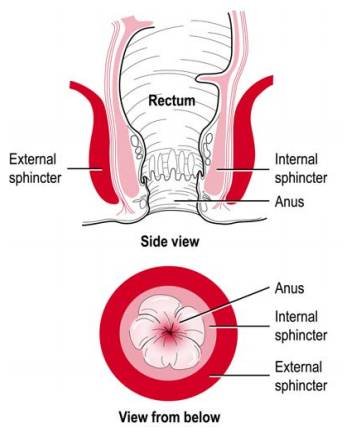
Bowel incontinence, also known as fecal incontinence, is a condition where an individual has difficulty controlling their bowel movements. This can result in involuntary leakage of stool, which can be both embarrassing and distressing. Bowel incontinence can have several causes, including damage to the nerves controlling the rectum and anus, muscle weakness in the pelvic area, or chronic constipation. It is essential to understand the causes of bowel incontinence in order to effectively manage and prevent it.
Definition and Causes
Bowel incontinence refers to the inability to control bowel movements, resulting in involuntary leakage of stool. It can range from occasional accidents to a complete loss of bowel control. Common causes of bowel incontinence include damage to the nerves that control the rectum and anus, such as from childbirth or surgery, muscle weakness in the pelvic area, chronic constipation, diarrhea, or diseases that affect the rectum, anus, or nerves. Understanding the underlying causes of bowel incontinence is crucial in developing strategies for prevention and management.
Risk Factors
Various risk factors may increase an individual’s likelihood of developing bowel incontinence. These include age, as the muscles and nerves in the rectum and anus may weaken over time. Women who have given birth vaginally may be at a higher risk due to potential damage to the pelvic muscles during childbirth. Certain medical conditions, such as diabetes, multiple sclerosis, or Parkinson’s disease, can also increase the risk of bowel incontinence. Additionally, individuals with a family history of bowel incontinence may be more prone to developing the condition. Identifying these risk factors can help individuals take preventative measures to reduce their likelihood of experiencing bowel incontinence.
Impact on Quality of Life
Bowel incontinence can have a significant impact on an individual’s quality of life. The embarrassment and social stigma associated with bowel accidents can lead to anxiety, depression, and a decreased willingness to engage in social activities. It can also disrupt one’s personal and professional life, affecting relationships and work performance. The fear of potential accidents can lead to social isolation and a decline in overall well-being. Understanding the negative impact of bowel incontinence on an individual’s quality of life emphasizes the importance of preventative measures and effective management strategies.
Maintaining a Healthy Diet
Adopting a healthy diet filled with fiber-rich foods and maintaining proper hydration can play a crucial role in preventing and managing bowel incontinence.
Fiber-rich Foods
Including fiber-rich foods in your diet can help maintain bowel regularity and prevent constipation, which is a common cause of bowel incontinence. High-fiber foods, such as fruits, vegetables, whole grains, and legumes, provide bulk to the stool and promote healthy bowel movements. It is recommended to consume at least 25-30 grams of fiber per day for adults. Gradually increasing fiber intake and staying consistent with this dietary change can improve bowel function and reduce the risk of bowel incontinence.
Adequate Hydration
Proper hydration is essential for maintaining bowel health. Drinking an adequate amount of water can soften the stool and prevent constipation. It is recommended to drink at least eight glasses (64 ounces) of water per day, or more if you engage in physical activities or live in a hot climate. Avoiding excessive consumption of caffeinated or alcoholic beverages, as they can dehydrate the body, is also important. By maintaining adequate hydration, you can support healthy bowel function and decrease the likelihood of bowel incontinence.
Reducing Problematic Foods
Certain foods can exacerbate bowel incontinence symptoms and should be consumed in moderation or avoided altogether. These include spicy foods, greasy or fatty foods, carbonated beverages, and foods high in caffeine. These substances can irritate the digestive system and lead to loose stools or diarrhea, which can worsen bowel incontinence symptoms. Being mindful of one’s diet and reducing the consumption of these problematic foods can help manage and prevent episodes of bowel incontinence.

Proper Fluid Intake
Maintaining proper fluid intake is essential for overall health and plays a significant role in preventing and managing bowel incontinence.
Benefits of Hydration
Drinking an adequate amount of fluids is crucial for maintaining healthy bowel function. Hydration helps soften the stool, making it easier to pass without straining. Proper hydration also helps prevent constipation, which can contribute to bowel incontinence. Additionally, staying hydrated supports overall digestive health and can help prevent other gastrointestinal issues. By prioritizing hydration, you can effectively manage bowel incontinence and promote healthy bowel movements.
Recommended Daily Intake
The recommended daily fluid intake varies depending on factors such as age, sex, activity level, and climate. On average, it is recommended to drink at least eight glasses (64 ounces) of water per day. However, individual needs may vary, and it is essential to listen to your body’s signals for thirst and adjust your fluid intake accordingly. Pay attention to your urine color – pale yellow or clear urine indicates proper hydration. Consulting with a healthcare professional can provide personalized recommendations for your fluid intake needs.
Fluid Options
Water is the best choice for maintaining hydration and supporting healthy bowel function. However, other fluids, such as herbal teas, clear soups, and nutritious beverages without excessive amounts of sugar or caffeine, can also contribute to your daily fluid intake. Fruits and vegetables with high water content, such as watermelon or cucumber, can be additional sources of hydration. Experimenting with different fluid options and finding what works best for you can help ensure adequate hydration and assist in managing bowel incontinence.
Regular Exercise
Engaging in regular physical activity is not only beneficial for overall health but also plays a vital role in preventing and managing bowel incontinence.
Importance of Physical Activity
Regular exercise helps stimulate bowel movements by increasing muscle activity in the intestines. Physical activity improves digestion and reduces the likelihood of constipation, which can contribute to bowel incontinence. Additionally, exercise promotes general physical well-being and can help reduce stress, which may indirectly impact bowel function. Prioritizing regular exercise can have a positive impact on bowel health and aid in the prevention and management of bowel incontinence.
Exercise Recommendations
The type and duration of exercise may vary depending on individual preferences and abilities. Aim for at least 150 minutes of moderate-intensity aerobic exercise or 75 minutes of vigorous-intensity aerobic exercise per week. Examples of moderate-intensity exercises include brisk walking, cycling, swimming, or dancing. For those seeking more vigorous exercise, activities like running, playing sports, or high-intensity interval training can be suitable options. Engaging in strength training exercises at least twice a week can also provide additional benefits. It is important to find exercises that you enjoy and feel comfortable with in order to maintain a consistent exercise routine.
Types of Exercises
Various exercises can specifically target the muscles and systems involved in bowel control. These include pelvic floor exercises, also known as Kegels, which aim to strengthen the muscles surrounding the rectum and anus. Squatting exercises can help improve pelvic floor strength and promote healthy bowel movements. Additionally, yoga and Pilates can provide overall core strength and flexibility, which may indirectly contribute to bowel control. Engaging in a combination of aerobic exercises, strength training, and targeted exercises for bowel control can be a well-rounded approach to managing bowel incontinence.

Managing Weight
Maintaining a healthy weight is beneficial for overall health, and it can also significantly impact bowel function and prevent bowel incontinence.
Weight and Bowel Function
Being overweight or obese can increase the risk of bowel incontinence due to the added pressure on the rectum and anus. Excess weight can weaken the muscles that control bowel movements and lead to difficulties in maintaining proper control. On the other hand, being underweight can also have negative effects on bowel function. Maintaining a healthy weight is essential for optimal bowel health and preventing bowel incontinence.
Healthy Weight Strategies
Adopting a healthy lifestyle that includes a balanced diet and regular exercise can contribute to maintaining a healthy weight. Prioritizing a diet filled with nutrient-dense foods, controlling portion sizes, and limiting the intake of processed and high-calorie foods can support weight management. Incorporating regular physical activity into your routine, as discussed earlier, can help burn calories and maintain a healthy weight. Consulting with a healthcare professional or a registered dietitian can provide personalized advice and strategies for achieving and maintaining a healthy weight.
Importance of BMI
Body Mass Index (BMI) is a calculated value determined by an individual’s weight and height. It is commonly used to classify weight status and assess overall health risks. Staying within the recommended BMI range for your age and sex can help prevent bowel incontinence and support optimal bowel function. Monitoring your BMI and striving for a healthy range can contribute to overall digestive health and assist in preventing and managing bowel incontinence.
Establishing Regular Bathroom Habits
Establishing regular bathroom habits and maintaining a comfortable environment can aid in preventing and managing bowel incontinence.
Scheduling Bathroom Visits
Establishing a consistent bathroom schedule can help train your body to have regular bowel movements. Pay attention to your body’s natural cues and try to visit the bathroom at the same time each day, preferably after meals, as this is when the digestive system is often more active. Allow yourself enough time and privacy in the bathroom to avoid rushing or feeling stressed, which could interfere with bowel control. By establishing regular bathroom habits, you can improve bowel function and reduce the likelihood of bowel incontinence.
Creating a Comfortable Environment
Creating a comfortable bathroom environment can contribute to successful bowel movements and minimize the risk of bowel incontinence. Ensure that the bathroom is well-stocked with toilet paper and any necessary cleansing supplies, such as wet wipes or bidets. Consider using a comfortable toilet seat or cushion and maintaining a warm and relaxing atmosphere in the bathroom. A calm and soothing environment can help relax your mind and body, facilitating healthy bowel movements and reducing the occurrence of accidents.
Avoiding Straining
Straining during bowel movements can contribute to bowel incontinence, as it can weaken the muscles responsible for maintaining control. To avoid straining, it is important to practice proper toilet posture, as discussed in the next section, ensuring that your feet are properly supported and your body is positioned correctly. If you are experiencing difficulty passing stool, it may be helpful to incorporate dietary changes, such as increasing fiber intake or consulting with a healthcare professional for guidance. Avoiding unnecessary straining can help preserve bowel control and prevent bowel incontinence.
Strengthening Pelvic Floor Muscles
Strengthening the pelvic floor muscles is an effective strategy for preventing and managing bowel incontinence. These exercises, known as pelvic floor exercises or Kegels, can improve muscle tone and enhance bowel control.
Exercises for Pelvic Floor Muscles
To perform pelvic floor exercises, start by identifying the muscles you need to target. One way to do this is by attempting to stop the flow of urine midstream. Once you have identified the correct muscles, contract them for a few seconds and then relax them. Aim to repeat this contraction and relaxation technique several times in a row, working your way up to doing three sets of ten repetitions per day. It is important to perform pelvic floor exercises consistently and regularly for optimal results.
Using Kegels
Kegels are a specific type of pelvic floor exercise that involves contracting and releasing the pelvic floor muscles. They can be performed anywhere and at any time, as they do not require any special equipment. Incorporating Kegels into your daily routine can help strengthen the muscles responsible for bowel control and minimize the risk of bowel incontinence. You can gradually increase the duration and intensity of your Kegels over time as your muscles become stronger.
Other Techniques
In addition to pelvic floor exercises and Kegels, there are other techniques and devices that can help strengthen the pelvic floor muscles and improve bowel control. Biofeedback therapy involves using sensors to provide feedback on muscle activity and guide proper muscle contractions. Electrical stimulation, where a low-level electrical current is used to stimulate the pelvic floor muscles, can also be beneficial. Consult with a healthcare professional or a physical therapist specializing in pelvic floor muscle training for personalized recommendations and guidance.
Maintaining Proper Toilet Posture
Maintaining proper toilet posture can significantly impact bowel function and promote healthy bowel movements.
Effects of Sitting Position
The conventional sitting position on a standard toilet can actually contribute to difficulties in complete and efficient bowel evacuation. In this position, the puborectalis muscle partially contracts, creating a kink in the rectum and making it more challenging to empty the bowels fully. This can lead to straining, incomplete bowel movements, and an increased risk of bowel incontinence.
Using Squatting Position
Adopting a squatting position while on the toilet can help align the rectum and anus, allowing for easier stool elimination. The squatting position straightens the rectum, relaxes the puborectalis muscle, and allows for unrestricted flow of stool. By using a stool or a squatting device to elevate your feet and simulate a squatting position, you can improve bowel function and reduce the risk of bowel incontinence. Experiment with different positions and find what works best for you.
Toilet Aids
There are various toilet aids available that can help achieve a more optimal squatting position while using a regular toilet. These include toilet stools or footstools that elevate your feet and provide the necessary support for the squatting position. These aids can be easily installed and are adjustable to accommodate different heights. Using toilet aids can promote proper toilet posture and improve bowel movements, contributing to the prevention and management of bowel incontinence.

Managing Medications
Some medications can contribute to bowel incontinence or worsen its symptoms. It is important to manage medications and consult with a healthcare provider to ensure they are not negatively affecting bowel function.
Side Effects of Medications
Certain medications, such as laxatives, anti-diarrheal drugs, or some antibiotics, can disrupt the balance of bowel function and potentially contribute to bowel incontinence. It is important to be aware of the potential side effects of medications and discuss them with your healthcare provider if you notice any changes in bowel habits or increased bowel incontinence symptoms.
Consulting Healthcare Provider
Regular communication with your healthcare provider is crucial in managing medications and addressing any concerns related to bowel incontinence. They can review your current medication regimen and suggest alternatives if necessary. Your healthcare provider may also provide guidance on how to manage medications to minimize their impact on bowel function or recommend additional treatments or therapies.
Alternative Options
For individuals experiencing persistent, severe, or treatment-resistant bowel incontinence, there may be alternative treatment options available. These can include prescription medications specifically designed to manage bowel incontinence symptoms or surgical interventions. Consultation with a healthcare provider, specifically a gastroenterologist, can provide insights into alternative treatment options and help determine the most suitable course of action.
Seeking Professional Help
In some cases, managing and preventing bowel incontinence may require the assistance of healthcare professionals who specialize in gastrointestinal health and bowel control.
Consultation with a Gastroenterologist
If you are experiencing chronic or severe bowel incontinence, consulting with a gastroenterologist may be beneficial. A gastroenterologist can evaluate your symptoms, perform diagnostic tests, and create a personalized treatment plan. They may recommend therapies, medications, or lifestyle modifications to manage and prevent bowel incontinence effectively. Seeking professional help can provide you with expert guidance and support on your journey towards better bowel health.
Physical Therapy for Bowel Incontinence
Physical therapy, specifically pelvic floor rehabilitation, can be an effective treatment option for individuals with bowel incontinence. A pelvic floor physical therapist can help assess and address muscular dysfunction in the pelvic area, providing targeted exercises and techniques to improve bowel control. Through a combination of pelvic floor exercises, biofeedback, and other therapeutic modalities, physical therapy can contribute to the successful management and prevention of bowel incontinence.
Other Specialists
In more complex cases, additional specialists may be involved in the management of bowel incontinence. These can include colorectal surgeons, urologists, or gynecologists, depending on the underlying causes and individual needs. Collaborating with a team of specialists can ensure comprehensive care and improve outcomes for individuals with bowel incontinence.
In conclusion, understanding bowel incontinence and implementing strategies to prevent and manage it is essential for those affected by the condition. By following a healthy diet, maintaining proper fluid intake, engaging in regular exercise, managing weight, establishing regular bathroom habits, strengthening pelvic floor muscles, maintaining proper toilet posture, managing medications, and seeking professional help if needed, individuals can significantly improve their bowel control and enhance their overall quality of life. Remember, with the right tools and support, you can effectively manage and prevent bowel incontinence.
