
Bruxism, also known as teeth grinding or clenching, is a common dental condition that many people unknowingly experience, often during sleep. This article aims to shed light on the causes, symptoms, and available treatments for bruxism. By gaining a deeper understanding of this condition, you can take proactive steps towards managing and addressing the discomfort it may cause. Whether you or someone you know is affected by bruxism, read on to discover helpful information that may ease any worries and provide valuable insights.
Understanding Bruxism: Causes, Symptoms, and Treatments

Definition of Bruxism
Bruxism is a condition characterized by the involuntary grinding or clenching of teeth. It commonly occurs during sleep and can also happen when you are awake, both during the day and night. This rhythmic movement of the jaws often goes unnoticed by the individual, causing them to remain unaware that they have bruxism.
Prevalence and demographics of Bruxism
Bruxism is a widespread condition, with estimates suggesting that approximately 8-31% of the population is affected by it. It can occur at any age but is most prevalent in children and young adults. Both men and women can experience bruxism, although it seems to be slightly more common in women.

Causes of Bruxism
The exact cause of bruxism is not fully understood, but it is believed to be multifactorial. Stress and anxiety are often cited as contributing factors, as individuals tend to clench or grind their teeth as a response to emotional tension. Sleep disorders, such as sleep apnea, can also trigger bruxism. Furthermore, certain medications, such as antidepressants and stimulants, have been linked to an increased risk of developing bruxism.
Risk factors for Bruxism
Several risk factors are associated with an increased likelihood of developing bruxism. These include age (children and young adults are more susceptible), stress or anxiety, smoking, alcohol or caffeine consumption, certain medical conditions (such as gastroesophageal reflux disease), family history of bruxism, and certain medications.

Effects of Bruxism on oral health
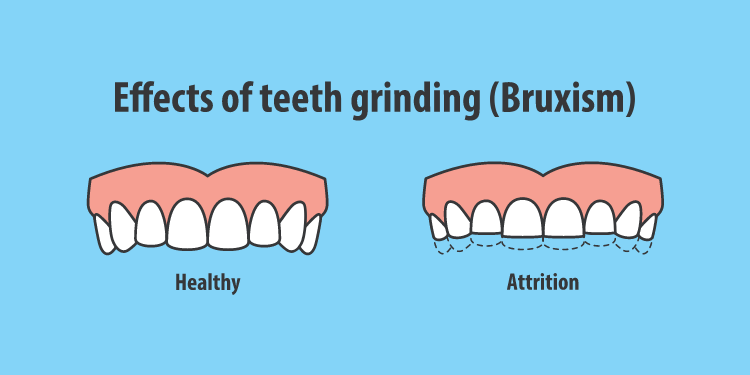
Bruxism can have detrimental effects on oral health. The constant grinding and clenching of teeth can cause tooth wear, chipping, and fractures. It can also lead to tooth sensitivity, as the protective enamel layer is gradually worn down. Bruxism may alter the alignment of the teeth, leading to a malocclusion or misaligned bite. This can, in turn, cause jaw pain and temporomandibular joint (TMJ) disorders. Additionally, bruxism can negatively impact dental restorations, such as crowns or fillings, by prematurely wearing them down.
Effects of Bruxism on overall health
Apart from its impact on oral health, bruxism can also have implications for overall wellbeing. Chronic bruxism can lead to headaches, particularly upon waking up in the morning. It may disrupt sleep patterns and result in daytime fatigue. The force exerted during teeth grinding can put excessive strain on the jaw joint and surrounding muscles, leading to facial pain and discomfort. Additionally, bruxism has been associated with an increased risk of developing temporomandibular joint disorders (TMJ), which may further exacerbate pain and restricted jaw movement.

Signs and symptoms of Bruxism
It may be challenging to identify bruxism in oneself, as it often occurs unconsciously during sleep or while focusing on other tasks. However, certain signs and symptoms can indicate the presence of bruxism, such as grinding or clenching sounds during sleep, flattened or worn teeth, tooth sensitivity, jaw pain or soreness, headaches, muscle tightness or fatigue in the face or jaw, and disrupted sleep.
Diagnosis of Bruxism
A thorough dental examination is crucial in diagnosing bruxism. Dentists can assess the presence of tooth wear, enamel damage, and signs of jaw clenching or grinding. They may also obtain a detailed medical and dental history to identify any underlying medical conditions or contributing factors. In some cases, a sleep study may be recommended to assess the presence of bruxism during sleep and rule out other sleep disorders.
Complications associated with Bruxism
If left untreated, bruxism can lead to various complications. The excessive pressure exerted on the teeth and jaw joint can result in more severe tooth damage, including fractures or loosening of teeth. The pain and inflammation associated with prolonged bruxism can lead to chronic facial pain and affect an individual’s quality of life. It may also contribute to the development or worsening of temporomandibular joint disorders, necessitating more extensive treatment.
Treatment options for Bruxism
There are several treatment options available to manage bruxism, depending on its severity and underlying causes. One of the most common approaches is wearing a nightguard or splint, which acts as a protective barrier between the upper and lower teeth, reducing the risk of tooth wear and jaw strain. Stress management techniques, such as relaxation exercises, counseling, or therapy, can be beneficial for individuals whose bruxism is triggered by emotional stress. In cases where bruxism is associated with a sleep disorder, such as sleep apnea, addressing the underlying condition may alleviate the symptoms of bruxism. Additionally, dental treatments such as dental restorations or orthodontic procedures may be recommended to correct any tooth damage or misalignment caused by bruxism.
In conclusion, bruxism is a common condition characterized by teeth grinding or clenching, often occurring unconsciously during sleep or times of stress. It can have detrimental effects on oral health, including tooth wear, fractures, and malocclusion. Bruxism can also impact overall wellbeing, leading to headaches, facial pain, and disrupted sleep. Early diagnosis and appropriate treatment are essential to mitigate the complications associated with bruxism and improve quality of life. If you suspect you may have bruxism, it is important to consult with a dental professional for an accurate diagnosis and personalized treatment plan.