
Bruxism, the condition of grinding or clenching your teeth, can be a frustrating and even painful experience. But fear not, as this article aims to provide you with some effective strategies to manage this pesky habit. Whether you’re someone who grinds their teeth at night or during stressful situations, these tips and techniques are here to offer you some much-needed relief. So sit back, relax, and let’s explore how you can regain control over your dental health and find peace from bruxism.
Understanding Bruxism
Bruxism is a condition commonly known as teeth grinding or jaw clenching. It is a habitual behavior that often occurs during sleep, but can also happen during periods of wakefulness. The word “bruxism” comes from the Greek word “brychein,” which means to gnash the teeth.
Definition of Bruxism
Bruxism is characterized by the grinding, clenching, or gnashing of teeth, typically accompanied by the lateral or protrusive movement of the mandible. These actions can create significant forces on the teeth, jaw muscles, and jaw joints, leading to a range of oral and overall health problems.
Causes of Bruxism
The exact cause of bruxism is still not fully understood, but there are several factors that may contribute to its development. Stress and anxiety are commonly associated with bruxism, as well as certain personality traits like competitiveness or aggression. Other possible causes include an abnormal bite, misaligned teeth, or a sleep disorder such as sleep apnea.
Effects of Bruxism
Bruxism can have detrimental effects on both dental health and overall quality of life. Understanding these effects is crucial in realizing the importance of managing this condition.
Dental Problems Caused by Bruxism
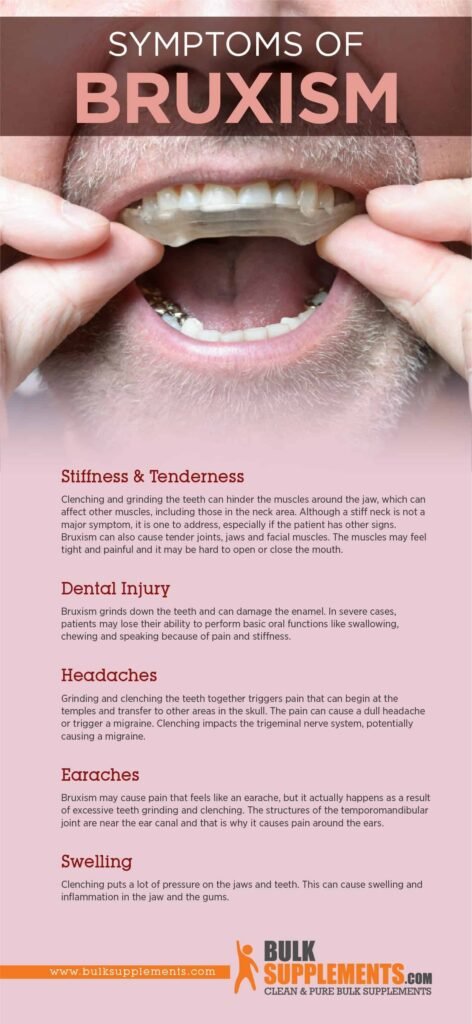
The excessive grinding and clenching of teeth can lead to numerous dental problems. Over time, it can wear down the enamel, resulting in tooth sensitivity and increased risk of tooth decay. Bruxism can also cause damage to dental restorations such as fillings, crowns, or bridges. In severe cases, it may even lead to tooth fractures or loss.
Impact on Quality of Life
Bruxism can significantly impact your quality of life. Chronic teeth grinding and jaw clenching can cause headaches, facial pain, and jaw soreness. It can also disrupt your sleep patterns, resulting in fatigue, morning headaches, and decreased daytime performance. Additionally, the noise created by bruxism during sleep can disturb your bed partner’s sleep, causing strain on interpersonal relationships.
Diagnosis of Bruxism
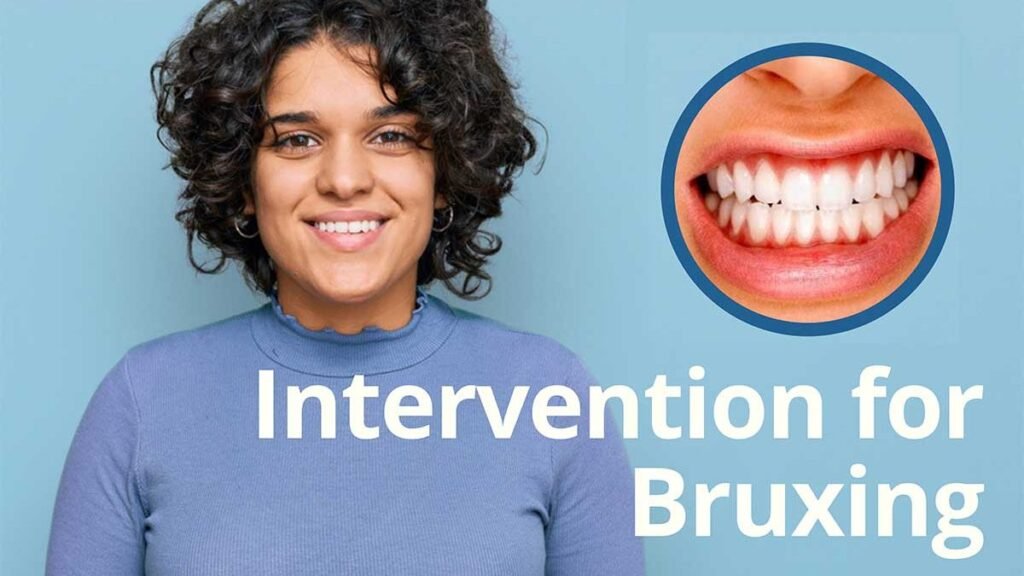
Early diagnosis of bruxism is essential for effective management. Familiarizing yourself with the symptoms and seeking professional help are crucial steps in getting the necessary treatment.
Symptoms to Look Out For
Common signs of bruxism include tooth wear, specific patterns of tooth fractures, jaw pain or soreness, headaches, earaches, and increased tooth sensitivity. Additionally, you may notice a clicking or popping sound in your jaw joint, which could indicate temporomandibular joint (TMJ) disorder associated with bruxism.
Consulting a Dentist
If you suspect you have bruxism, it’s important to consult a dentist who specializes in sleep disorders or temporomandibular disorders (TMD). They can perform a comprehensive examination of your teeth, jaw, and muscles and may ask you to keep a sleep diary or undergo a sleep study to confirm the diagnosis.
Lifestyle Changes
Making certain lifestyle changes can help manage bruxism and alleviate its symptoms. Stress management techniques and dietary adjustments are two essential aspects to consider.
Stress Management Techniques
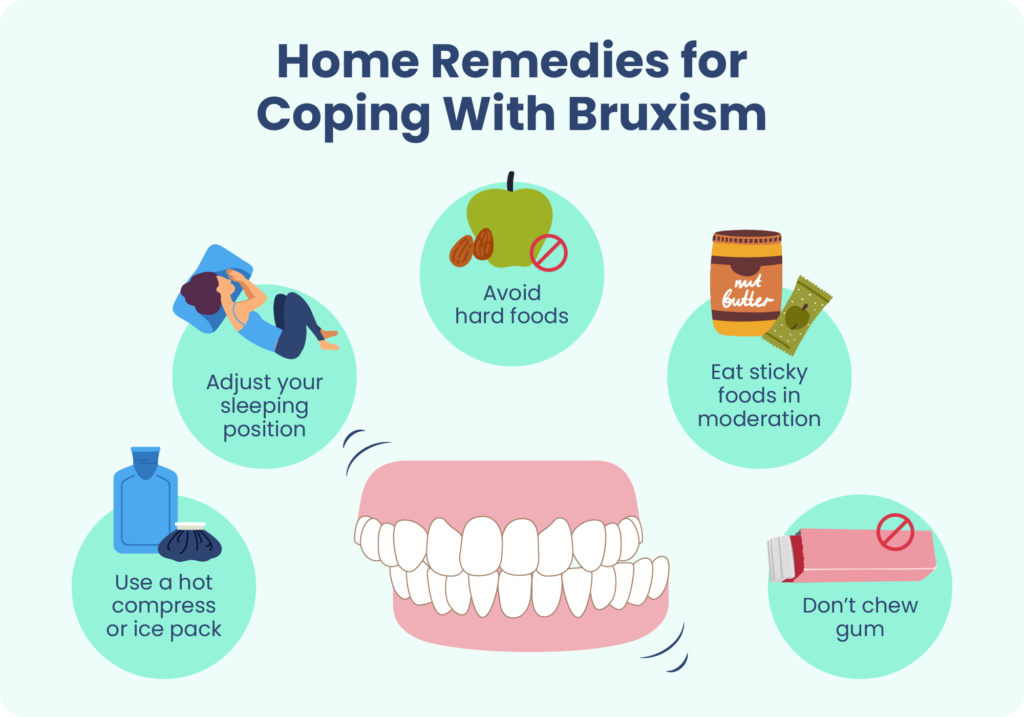
Since stress is a significant contributor to bruxism, finding effective stress management techniques can be helpful. Engaging in activities that promote relaxation, such as yoga, meditation, deep breathing exercises, or regular exercise, can help reduce stress levels. Additionally, avoiding caffeine and establishing a consistent sleep routine can also aid in stress reduction.
Dietary Changes
Certain dietary changes may also play a role in managing bruxism. Avoiding foods and drinks that contain caffeine, such as coffee, tea, chocolate, and energy drinks, can help reduce the risk of teeth grinding. It’s also advisable to limit alcohol consumption, as it can worsen bruxism symptoms.
Oral Habits
Incorporating healthier oral habits into your daily routine can help combat bruxism and protect your teeth and jaw from further damage.
Avoiding Chewing Non-Food Objects
Many people unknowingly engage in habits like chewing on pens, pencils, or ice. Such habits can exert unnecessary strain on the jaw and contribute to bruxism. It is important to be mindful and avoid chewing on non-food objects to reduce the risk of exacerbating bruxism symptoms.
Using Bite Guards
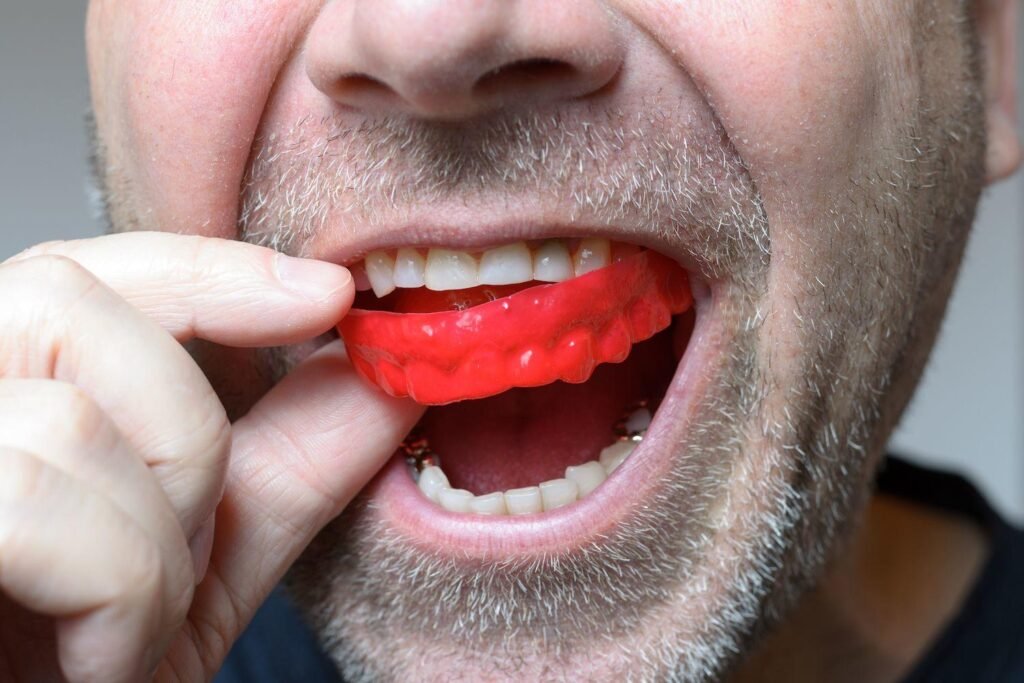
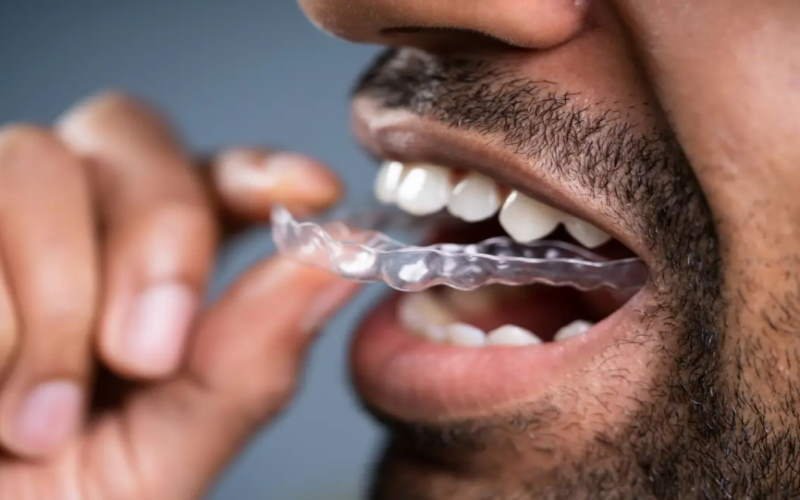
Bite guards, also known as splints or occlusal appliances, are custom-made devices that fit over your teeth and provide a protective barrier. They work by reducing the force placed on the teeth and jaw during grinding or clenching. Wearing a bite guard while sleeping can help alleviate the symptoms of bruxism and protect your teeth from further damage.
Sleep Hygiene
Establishing good sleep hygiene practices plays a vital role in managing bruxism. By adopting healthy sleep habits, you can create an environment that promotes restful sleep and reduces the likelihood of teeth grinding during the night.
Establishing a Consistent Sleep Routine
Maintaining a consistent sleep schedule can help regulate your body’s sleep-wake cycle, promoting more restorative sleep. Aim to go to bed and wake up at the same time each day, even on weekends. Additionally, creating a calming bedtime routine that includes activities like reading, taking a bath, or listening to relaxing music can signal to your body that it’s time to unwind and prepare for sleep.
Creating a Relaxing Sleep Environment
Creating a sleep environment conducive to relaxation is essential in managing bruxism. Ensure your bedroom is dark, quiet, and at a comfortable temperature. Use blackout curtains, earplugs, or white noise machines to minimize any external disturbances that could disrupt your sleep. Investing in a supportive pillow and comfortable mattress can also enhance sleep quality and reduce the likelihood of teeth grinding.
Muscle Relaxation Techniques
Practicing muscle relaxation techniques can help reduce the tension and strain in your jaw muscles, alleviating bruxism symptoms.
Jaw Exercises
Performing gentle jaw exercises can help relax the muscles and improve jaw mobility. One exercise involves slowly opening and closing your mouth while controlling the movement with your hand placed on your chin. Another exercise is to place your tongue against the roof of your mouth and gently press up for a few seconds, repeating this several times throughout the day.
Massage Therapy
Massaging the jaw muscles can help relieve tension and promote relaxation. Using your fingertips, apply gentle pressure and circular motions to the muscles around your jaw joint. You can also use warm compresses on the jaw area to relax the muscles further. However, it is recommended to consult with a healthcare professional before attempting any self-massage techniques.
Medications and Treatments
In certain cases, medications and other treatments may be recommended by healthcare professionals to manage severe or persistent bruxism symptoms.
Muscle Relaxants
Muscle relaxant medications, such as benzodiazepines, may be prescribed to help relax the jaw muscles and alleviate bruxism symptoms. However, these medications are typically prescribed for short-term use due to their potential side effects and risk of dependence.
Botox Injections
In some cases, healthcare professionals may use botulinum toxin (Botox) injections to temporarily paralyze the jaw muscles. By reducing the muscle activity, Botox injections can help minimize teeth grinding and alleviate associated symptoms. It’s important to note that this treatment option should be performed by a trained healthcare professional only.
Dental Procedures
In cases where bruxism has caused significant damage to the teeth or jaw, dental procedures may be necessary to restore function and aesthetics.
Orthodontic Treatment
Orthodontic treatment, such as braces or aligners, may be recommended to realign the teeth and correct any bite abnormalities contributing to bruxism. By improving the alignment of the teeth, orthodontic treatment can help distribute the forces exerted during teeth grinding more evenly, reducing the risk of further damage.
Dental Restorations
For individuals with severe tooth damage or wear, dental restorations such as crowns, veneers, or dental implants may be required. These procedures can help restore the structure and function of the affected teeth, improving both the aesthetics and the ability to chew properly.
Alternative Therapies
In addition to conventional treatments, some individuals may explore alternative therapies to manage bruxism. While their effectiveness may vary, certain therapies have shown promising results.
Acupuncture
Acupuncture involves the insertion of thin needles into specific points on the body. It is believed to help release tension and promote relaxation. Some individuals have reported positive outcomes in reducing bruxism symptoms through regular acupuncture sessions. However, further research is needed to fully understand its efficacy.
Biofeedback
Biofeedback is a technique that helps individuals become aware of their body’s physiological responses through the use of monitoring devices. By training individuals to recognize and control indicators of stress or muscle tension, biofeedback can potentially assist in managing bruxism. It is advised to seek guidance from a trained professional when considering biofeedback for bruxism management.
In conclusion, understanding bruxism is the first step towards effectively managing this condition. It is crucial to recognize the causes, effects, and available treatment options for a comprehensive approach to bruxism management. By adopting healthier habits, seeking professional help, and exploring various treatment modalities, you can minimize the impact of bruxism on your dental health and overall well-being. Remember, early intervention and consistent care are key to ensuring the best outcomes in managing bruxism.