
Do you often find yourself waking up with a sore jaw or experiencing regular headaches? If so, you may be suffering from bruxism, a condition characterized by the habit of grinding or clenching your teeth unconsciously. Bruxism can have a significant impact on your dental health, causing tooth sensitivity, enamel erosion, and even fractures. In this article, we will explore the various effects of bruxism on your teeth and discuss preventative measures to help alleviate this condition. So, grab a cup of your favorite beverage and let’s uncover the secrets behind bruxism and its impact on dental health.

Definition of Bruxism
Bruxism is a condition characterized by the grinding, clenching, or gnashing of teeth. It is a common oral parafunctional activity that can occur during the day or at night while you sleep. This repetitive jaw movement can have detrimental effects on your dental health if left untreated. Understanding the different types, causes, signs, and symptoms of bruxism is essential for proper diagnosis and treatment.
Types of Bruxism
Awake Bruxism
Awake bruxism refers to the grinding or clenching of teeth during the day while you are conscious. It is often associated with stress and anxiety, as well as other lifestyle factors such as smoking or excessive caffeine consumption.
Sleep Bruxism
Sleep bruxism occurs during your sleep and is more prevalent than awake bruxism. It is often characterized by loud teeth grinding sounds that can disturb your sleep partner. Sleep bruxism is believed to be related to sleep disorders, abnormal bite alignment, and even certain medications.
Causes of Bruxism
Stress and Anxiety
One of the primary causes of bruxism is stress and anxiety. When you are under high levels of stress, you may inadvertently clench or grind your teeth, both day and night. Finding ways to manage stress, such as through relaxation techniques or stress-reducing activities, can help alleviate bruxism symptoms.
Abnormal Bite Alignment
Misaligned teeth, also known as malocclusion, can contribute to bruxism. This misalignment can put additional pressure on certain teeth, leading to grinding or clenching while you sleep. Correcting bite alignment issues through orthodontic treatments can often help mitigate bruxism symptoms.
Sleep Disorders
Sleep disorders, such as sleep apnea or snoring, may be associated with sleep bruxism. The underlying interrupted sleep patterns can trigger teeth grinding as a compensatory mechanism. Treating the sleep disorder itself may lead to a decrease in bruxism symptoms.
Medications
Certain medications, including antidepressants, can induce bruxism as a side effect. If you suspect your medication is contributing to your teeth grinding, it is essential to consult with your healthcare provider for alternative options or adjustment of dosage.
Lifestyle Factors
Various lifestyle factors may contribute to bruxism, including smoking, excessive caffeine consumption, and alcohol intake. These substances can exacerbate stress and anxiety, leading to an increased likelihood of grinding or clenching your teeth.
Signs and Symptoms of Bruxism
Teeth Grinding
One of the most apparent signs of bruxism is the grinding or clenching of teeth, either audibly or silently. This can occur during the day or at night and can lead to tooth damage over time.
Jaw Clenching
In addition to teeth grinding, individuals with bruxism may also experience jaw clenching. This can result in muscle tension and discomfort in the jaw area, leading to pain and headaches.
Headaches
Frequent headaches, particularly upon waking in the morning, can be an indicator of sleep bruxism. The repetitive grinding and clenching of teeth can place strain on the surrounding muscles and joints, leading to headaches.
Tooth Sensitivity
Bruxism can cause tooth sensitivity, as the continuous grinding can wear down the protective enamel layer. This can expose the sensitive dentin layer underneath, making your teeth more susceptible to temperature changes and discomfort.
Jaw and Facial Pain
The excessive pressure on the jaw joints and muscles caused by bruxism can result in jaw and facial pain. This pain may radiate to the ears, leading to earaches or a sensation of fullness in the ears.
Diagnosis of Bruxism
Clinical Examination
A thorough clinical examination by a dentist or healthcare provider is crucial for the diagnosis of bruxism. They will examine your teeth and jaws, looking for signs of clenching, grinding, or wear patterns on your teeth.
Dental History
Providing your dental history and discussing any symptoms you may be experiencing can help with the diagnosis of bruxism. Your dentist may ask questions about your sleep patterns, stress levels, and any medications you are currently taking.
Sleep Study
In cases of suspected sleep bruxism, a sleep study may be recommended. This involves monitoring your sleep patterns, movements, and muscle activity throughout the night to determine the presence and severity of bruxism.
Evaluation of Dental Damage
Assessing the extent of dental damage caused by bruxism is an essential part of the diagnosis. X-rays or other imaging techniques may be used to evaluate the condition of your teeth, jaw, and supporting structures.
Effects of Bruxism on Dental Health
Tooth Wear and Fracture
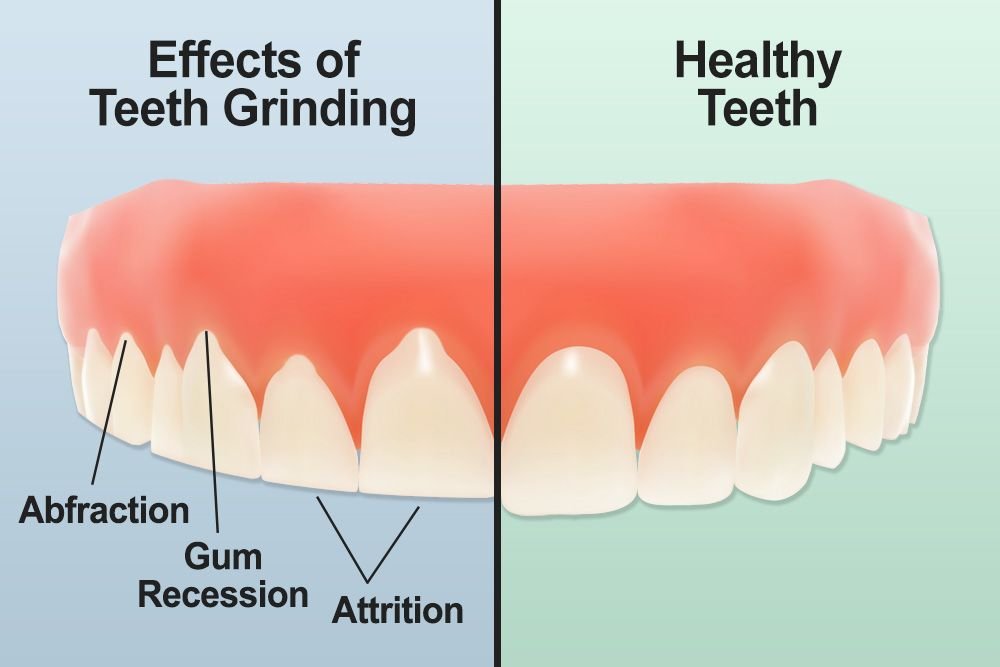
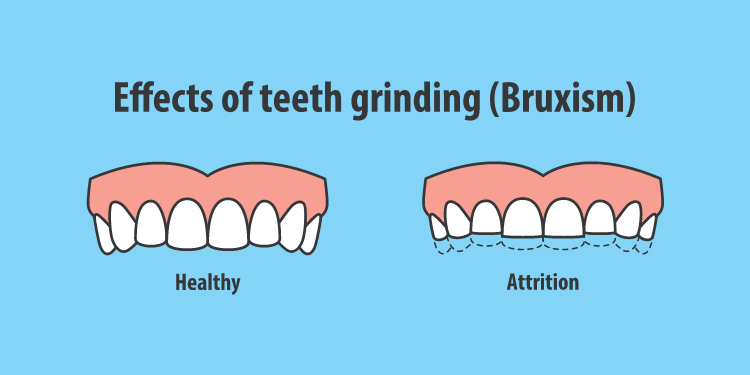
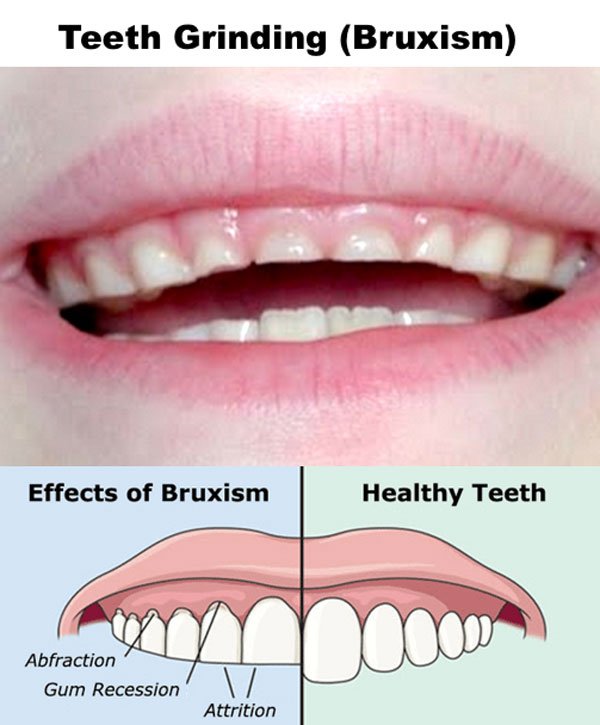
Bruxism can result in accelerated tooth wear and even tooth fractures. The constant grinding and clenching can gradually erode the enamel layer, exposing the underlying dentin. This can lead to tooth sensitivity and an increased risk of tooth fracture.
Gum Recession
The excessive forces exerted during bruxism can also contribute to gum recession. The gum tissue may start to recede, exposing the root surfaces of the teeth and making them susceptible to decay and sensitivity.
Temporomandibular Joint Disorder (TMJ)
Bruxism can cause dysfunction in the temporomandibular joint (TMJ) that connects your jaw to your skull. Over time, the excessive pressure and strain can result in TMJ disorders, leading to jaw pain, clicking, or locking of the jaw joints.
Tooth Sensitivity
The erosion of tooth enamel due to bruxism can result in increased tooth sensitivity. Exposure of the sensitive dentin layer can cause discomfort when consuming hot or cold foods and beverages.
Headaches and Facial Pain
Consistent teeth grinding and clenching can strain the muscles and joints in the jaw and face, resulting in headaches or facial pain. This can significantly impact your overall quality of life and well-being.
Prevention of Bruxism
Stress Management
Managing stress and anxiety is crucial in preventing bruxism. Engaging in stress-reducing activities, such as exercise, meditation, or counseling, can help alleviate bruxism symptoms.
Mouthguards or Splints
Using a mouthguard or splint can help protect your teeth from the harmful effects of bruxism. These oral appliances act as a barrier, absorbing the forces associated with grinding or clenching.
Correcting Bite Alignment
If malocclusion or bite alignment issues are contributing to your bruxism, orthodontic treatments may be recommended. Aligning your teeth and correcting your bite can alleviate the excessive pressure and tension on the jaw joints and muscles.
Avoiding Chewing on Hard Objects
Chewing on hard objects, such as pen caps or ice cubes, can exacerbate bruxism. Avoiding these habits can help minimize the risk of teeth grinding or clenching.
Treatment of Bruxism
Behavioral Modification
Behavioral modification techniques can be useful in managing bruxism. These may include practicing proper jaw and tongue position, learning relaxation techniques, and avoiding triggering habits.
Dental Restoration
If extensive dental damage has occurred due to bruxism, dental restorations may be necessary. This can involve treatments such as dental crowns, veneers, or dental bonding to rebuild and protect damaged teeth.
Muscle Relaxation Techniques
Muscle relaxation techniques, such as applying warm compresses or practicing jaw exercises, can help alleviate muscle tension associated with bruxism.
Physical Therapy
In severe cases, physical therapy may be recommended to address jaw muscle imbalances and improve jaw function. This can involve exercises, stretching, and other therapeutic modalities to alleviate discomfort.
Medications
In certain instances, medications may be prescribed to manage bruxism symptoms. Muscle relaxants or medications that target anxiety and stress can sometimes be helpful in reducing teeth grinding and clenching episodes.
Tips for Managing Bruxism Symptoms
Avoiding Stressful Situations
Identifying and avoiding situations that trigger stress or anxiety can help manage bruxism symptoms. This may involve making lifestyle changes, seeking support from loved ones, or engaging in stress-reducing activities.
Using Relaxation Techniques
Practicing relaxation techniques, such as deep breathing exercises or meditation, can help relax the mind and body. Regularly incorporating these techniques into your routine may help reduce bruxism symptoms.
Applying Heat or Cold Packs
Applying heat or cold packs to the jaw muscles can provide temporary relief from discomfort caused by bruxism. These packs can help reduce muscle tension and inflammation.
Eating Soft Foods
Consuming soft foods can help minimize the stress placed on your teeth and jaw muscles. Opting for a well-balanced diet that includes nutritious and easily chewable foods can alleviate bruxism-related discomfort.
Avoiding Caffeine and Alcohol
Both caffeine and alcohol can contribute to increased levels of stress, anxiety, and muscle tension, which can worsen bruxism symptoms. Limiting or avoiding these substances may help manage your condition.
Conclusion
Bruxism is a common condition that can have significant impacts on your dental health if left untreated. Recognizing the signs and symptoms, understanding the causes, and seeking proper diagnosis and treatment are essential for minimizing the detrimental effects of bruxism. By adopting preventive measures, practicing behavioral modification techniques, and seeking professional guidance, you can effectively manage bruxism and protect your dental health for the long term. Remember, the key to maintaining a healthy smile is taking care of your teeth and seeking prompt dental attention when needed.