
Are you tired of waking up with a stiff neck? We’ve all been there, and it can be a real pain in the… well, neck. But fear not, because in this article, we’ll share some simple yet effective tips on how to prevent that pesky stiffness. From adjusting your sleeping position to incorporating stretching exercises into your daily routine, you’ll learn practical strategies that will keep your neck feeling loose and pain-free. So, let’s bid farewell to those uncomfortable mornings and say hello to a happy neck!

Maintain Proper Posture
Adjust your sitting position
To prevent a stiff neck, it’s essential to maintain proper posture, especially when sitting for long periods. Start by adjusting your sitting position. Ensure that your feet are flat on the ground and your knees are bent at a 90-degree angle. Sit up straight with your back against the chair, and avoid slouching or hunching forward. Keep your shoulders relaxed and aligned with your ears, and let your arms rest naturally by your sides.
Use a supportive chair
Choosing the right chair is crucial for maintaining proper posture and preventing a stiff neck. Look for a chair that provides adequate support for your lower back. The chair should have an adjustable height and backrest, allowing you to customize it to fit your body’s unique needs. A supportive chair will help distribute your body weight evenly and encourage good posture, reducing strain on your neck and preventing stiffness.
Avoid cradling the phone between your ear and shoulder
While talking on the phone, many people have a habit of cradling it between their ear and shoulder, causing strain on the neck muscles and potentially leading to a stiff neck. Instead, invest in a hands-free device such as a Bluetooth headset or use the speakerphone function on your mobile phone. By avoiding this unnatural position, you can prevent unnecessary neck strain and keep your neck muscles relaxed and pain-free.
Take Frequent Breaks
Stretch your neck and shoulders
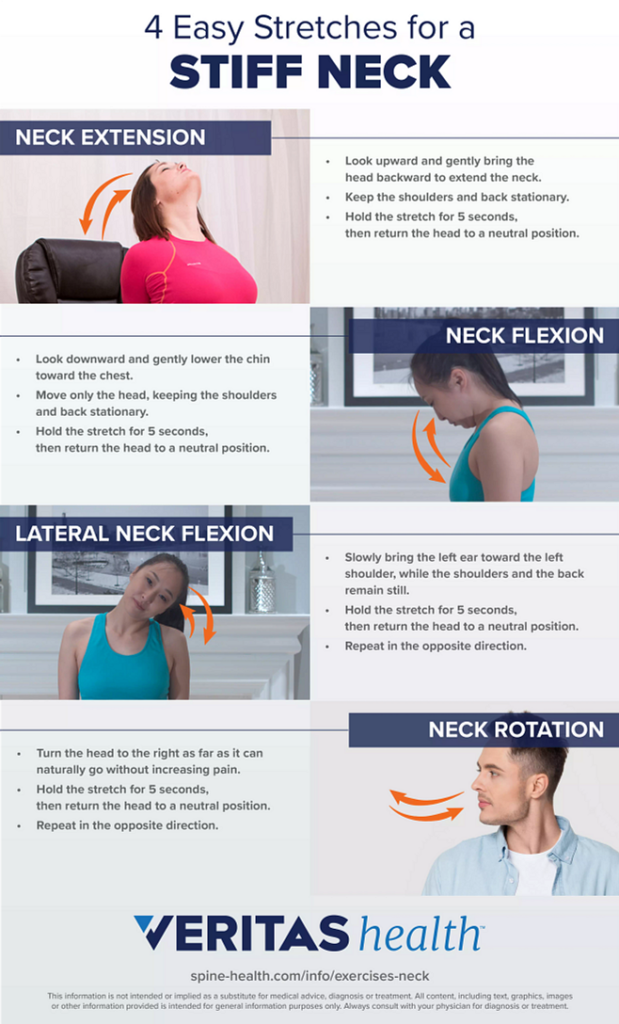
Taking frequent breaks throughout the day is essential in preventing a stiff neck. Use these breaks to stretch your neck and shoulders to release tension and promote flexibility. Start by gently tilting your head to the right and left, holding each stretch for a few seconds. Then, slowly roll your shoulders backward and forward to alleviate stiffness. These simple stretches can help improve blood flow to the neck and shoulder muscles, reducing the likelihood of developing stiffness.
Walk around and change positions
Sitting or remaining sedentary for prolonged periods can contribute to neck stiffness. Therefore, it’s important to incorporate regular movement into your daily routine. Take short walks to increase blood circulation and alleviate muscle tension. Changing positions frequently, such as standing up or stretching every 30 minutes, can also help prevent stiffness. By staying active, you give your neck muscles a chance to relax and prevent the buildup of tension and discomfort.
Do simple exercises
In addition to regular stretching, incorporating simple exercises into your daily routine can help prevent a stiff neck. Neck rotations, where you turn your head from side to side slowly, and chin tucks, where you gently pull your chin towards your chest, can strengthen and stretch the muscles in your neck. Additionally, shoulder shrugs and rolls can help improve flexibility and relieve tension in the upper back and shoulders. Doing these exercises regularly will keep your neck muscles strong and flexible, reducing the risk of stiffness.
Use Ergonomic Accessories
Invest in an ergonomic desk setup
Creating an ergonomically friendly workspace is crucial in preventing a stiff neck. Invest in an adjustable desk and ergonomic chair that can be adjusted to the appropriate height for your body. Ensure that your computer monitor is at eye level, and your keyboard and mouse are within easy reach. An ergonomic desk setup promotes proper alignment, reducing strain on your neck and preventing stiffness.
Use an adjustable monitor stand
To further support good posture, consider using an adjustable monitor stand. This accessory allows you to position your monitor at eye level, reducing the need to tilt your head up or down. By keeping your neck in a neutral position, you can minimize strain on the muscles and ligaments in your neck, thus preventing stiffness.
Try a supportive neck pillow or roller
If you often experience neck stiffness, using a supportive neck pillow or roller can provide additional relief and prevent discomfort. These pillows or rollers are designed to support the natural curve of your neck and promote proper alignment while sleeping or resting. By using a supportive neck pillow or roller, you can maintain a neutral spine position and reduce the risk of waking up with a stiff neck.
Strengthen Neck Muscles
Perform neck stretches and exercises
In addition to stretching, performing targeted neck stretches and exercises can help strengthen the muscles in your neck. One effective exercise is the neck tilt, where you gently tilt your head to the right, left, forward, and backward, holding each position for a few seconds. Another exercise is the resistance band neck pull, where you wrap a resistance band around the back of your head and provide resistance by pulling forward. These exercises help improve muscle strength and flexibility, reducing the likelihood of developing neck stiffness.
Try yoga or Pilates
Yoga and Pilates are excellent forms of exercise that focus on strength, flexibility, and posture. Incorporating these practices into your fitness routine can help strengthen the muscles in your neck and upper back. Various yoga poses, such as the downward-facing dog and the cat-cow stretch, target these areas and promote healthy movement and circulation. Pilates exercises, such as the neck pull or the chest lift, can also contribute to strengthening the neck muscles and preventing stiffness.
Use resistance bands for resistance training
Resistance training is an effective way to strengthen your neck muscles and improve their flexibility. Utilizing resistance bands to perform exercises like lateral head pulls or resistance rotations can help build strength in the neck. Start with a light resistance band and gradually increase the intensity as your muscles become stronger. Including resistance training in your exercise routine can significantly reduce the risk of experiencing neck stiffness.

Practice Good Sleep Habits
Use a supportive pillow
Having a supportive pillow is crucial for maintaining proper spinal alignment during sleep, thus preventing a stiff neck. Look for a pillow that supports the natural curve of your neck and keeps your spine in a neutral position. Memory foam or cervical pillows are designed specifically for this purpose and can provide excellent support. By using a supportive pillow, you can ensure that your neck muscles are relaxed and properly aligned during sleep, reducing the likelihood of waking up with stiffness or pain.
Avoid sleeping on your stomach
Sleeping on your stomach can strain your neck by forcing it into an unnatural position for an extended period. This can lead to stiffness and discomfort upon waking up. Instead, try to sleep on your back or side, using a supportive pillow to maintain proper spinal alignment. If you have difficulty changing your sleeping position, using a body pillow can help provide additional support and prevent you from rolling onto your stomach during the night.
Maintain a consistent sleep schedule
Establishing a consistent sleep schedule is essential for ensuring quality rest and preventing a stiff neck. Aim for 7-9 hours of sleep each night and try to go to bed and wake up at the same time every day. By sticking to a routine, you allow your body to adjust to a regular sleep-wake cycle, reducing the risk of muscle tension and stiffness caused by irregular sleep patterns.
Manage Stress and Tension
Practice relaxation techniques
Stress and tension can contribute to muscle stiffness, including in the neck. Incorporating relaxation techniques into your daily routine can help alleviate stress and minimize the likelihood of developing a stiff neck. Deep breathing exercises, meditation, and mindfulness practices are effective in reducing stress levels and promoting relaxation. Additionally, activities like taking a warm bath, listening to calming music, or engaging in hobbies you enjoy can help you unwind and prevent muscular tension.
Take breaks to rest and recharge
Taking breaks throughout the day to rest and recharge is crucial in managing stress and tension. When feeling overwhelmed or experiencing muscle tightness, stepping away from work or your daily responsibilities can provide much-needed relief. Use these breaks to engage in activities that help you relax, such as reading, taking a short walk, or practicing deep breathing exercises. By giving yourself time to rest and recharge, you can prevent the buildup of stress and tension, reducing the risk of a stiff neck.
Seek professional help if needed
If stress and tension persist and significantly impact your daily life, it may be beneficial to seek professional help. A qualified therapist or counselor can provide guidance and teach you effective stress management techniques tailored to your specific needs. They can assist you in identifying and addressing underlying causes of stress, helping you reduce muscle tension and prevent the occurrence of a stiff neck.

Avoid Excessive Phone or Computer Use
Use voice recognition or dictation software
Excessive use of phones and computers can strain the neck muscles and lead to stiffness. To minimize the strain, consider using voice recognition or dictation software. These tools allow you to dictate text instead of typing, reducing the need to constantly look down at your screen. By minimizing the time spent in a forward head position, you can protect your neck muscles and prevent stiffness.
Take regular breaks from screens
Frequent breaks from screens are essential for preventing neck stiffness caused by excessive phone or computer use. Every 20-30 minutes, take a short break and look away from the screen. Shift your focus to a distant object to allow your eyes and neck muscles to relax. Use this time to stretch your neck and shoulders, gently moving them in different directions to release tension. By incorporating regular screen breaks into your daily routine, you can minimize strain on your neck muscles and prevent stiffness.
Practice proper ergonomics while using devices
Maintaining proper ergonomics while using devices is crucial in preventing a stiff neck. Ensure that your computer monitor is at eye level, and your keyboard and mouse are positioned at a comfortable height and within easy reach. Use a supportive chair and a desk at the appropriate height to promote good posture. Avoid leaning forward or hunching over your devices, as this can strain your neck muscles. By practicing proper ergonomics, you can minimize the risk of neck stiffness caused by excessive device use.
Stay Hydrated
Drink plenty of water throughout the day
Staying hydrated is vital for overall health, including the health of your muscles. Dehydration can contribute to muscle tightness and stiffness, including in the neck. Make sure to drink plenty of water throughout the day to keep your body well-hydrated. Aim for at least eight glasses of water daily. By staying properly hydrated, you can support muscle function and prevent the development of a stiff neck.
Avoid excessive caffeine and alcohol
While it’s important to drink plenty of water, it’s equally important to avoid excessive caffeine and alcohol intake. Both caffeine and alcohol can contribute to dehydration, which can increase the risk of muscle stiffness. Limit your consumption of caffeinated beverages and alcoholic drinks, as they can negatively impact your overall hydration levels. If you do consume these beverages, make sure to drink water alongside to maintain proper hydration.
Use a humidifier if the air is dry
Dry air can contribute to muscular tension, including in the neck. If you live in a dry climate or spend significant time in air-conditioned environments, consider using a humidifier. A humidifier adds moisture to the air, preventing dehydration and reducing the risk of muscle stiffness. By maintaining proper humidity levels, you can keep your neck and muscles adequately hydrated, thus preventing discomfort and stiffness.

Improve Strength and Flexibility
Engage in regular exercise
Regular exercise is essential for overall health, including the health of your neck muscles. Engage in cardiovascular exercises, such as walking, jogging, or cycling, to improve blood circulation and promote muscle health. Additionally, incorporate strength training exercises into your routine to strengthen the muscles in your neck and upper back. Consult with a fitness professional to design an exercise program that targets your individual needs and fitness level.
Focus on exercises that target the neck and upper back
To specifically target the neck and upper back muscles, include exercises in your routine that engage these areas. Examples include neck rotations, shoulder shrugs, and resistance band exercises. By focusing on these muscle groups, you can improve their strength and flexibility, reducing the likelihood of experiencing neck stiffness.
Incorporate stretching into your fitness routine
Stretching is an important component of any exercise routine as it helps improve flexibility and prevent muscle stiffness. Prioritize stretching exercises for the neck and upper back, such as neck tilts, chin tucks, and shoulder rolls. Stretching these areas regularly will keep your muscles supple and prevent them from becoming tight or stiff. Remember to warm up your muscles with a light activity before stretching and to hold each stretch for at least 20-30 seconds.
Avoid Heavy Lifting or Straining
Use proper lifting techniques
When lifting heavy objects, it’s essential to use proper lifting techniques to protect your neck and back from strain. Bend your knees, keep your back straight, and lift with your legs rather than your back. Avoid twisting or jerking motions while lifting, as this can strain your neck and cause stiffness. By using the correct lifting techniques, you can reduce the risk of injury and prevent muscle stiffness.
Ask for assistance when needed
If you encounter a physically demanding task that may strain your neck muscles, don’t hesitate to ask for assistance. Carrying heavy objects or performing strenuous activities on your own can place unnecessary strain on your neck and lead to stiffness. Reach out to others for help to ensure that the load is shared and your muscles are protected. By avoiding excessive strain, you can prevent the development of a stiff neck.
Take breaks during physically demanding tasks
If you find yourself engaged in physically demanding tasks, such as cleaning or moving heavy objects, remember to take breaks. Prolonged periods of intense physical activity can cause muscle fatigue and increase the risk of developing stiffness in the neck. Take short breaks every 15-30 minutes to rest, stretch, and hydrate. By allowing your muscles time to recover, you can prevent strain and maintain optimal neck health.
By following these preventive measures and incorporating them into your daily routine, you can effectively reduce the risk of experiencing a stiff neck. Remember to maintain proper posture, take frequent breaks, use ergonomic accessories, strengthen your neck muscles, practice good sleep habits, manage stress, limit excessive phone or computer use, stay hydrated, improve strength and flexibility, and avoid heavy lifting or straining. Taking proactive steps towards neck health will contribute to overall well-being and promote a pain-free lifestyle.