
In this article, you will discover invaluable tips and strategies on how to support your loved ones with cerebral palsy. Whether it’s a family member, friend, or partner, understanding their unique needs and challenges is crucial in providing the right kind of assistance. From practical suggestions on creating an accessible environment to emotional support and advocacy, you will gain a deeper understanding of how you can make a positive impact in their lives. By learning how to help and empower those with cerebral palsy, you can truly be a source of strength and encouragement for your loved ones.
Understanding Cerebral Palsy
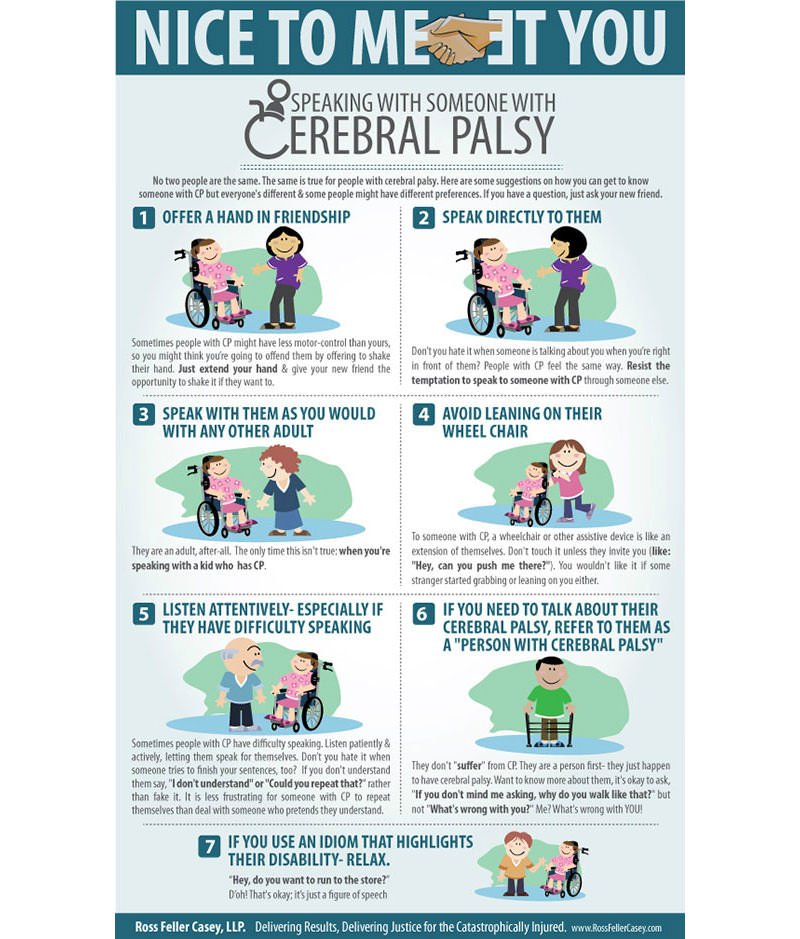
Cerebral Palsy is a neurological disorder that affects muscle coordination, movement, and posture. It is caused by damage to the developing brain, usually occurring before or during birth. While the exact causes of cerebral palsy may vary, some common risk factors include premature birth, low birth weight, infections during pregnancy, and lack of oxygen during delivery.
Types of Cerebral Palsy
There are several different types of cerebral palsy, depending on which parts of the body are primarily affected. Spastic cerebral palsy is the most common type, characterized by stiff and jerky movements. Athetoid or dyskinetic cerebral palsy involves involuntary movements that can affect the entire body. Ataxic cerebral palsy affects balance and coordination, causing unsteady movements. Mixed type cerebral palsy involves a combination of these symptoms.
Physical Support
Assistive Devices
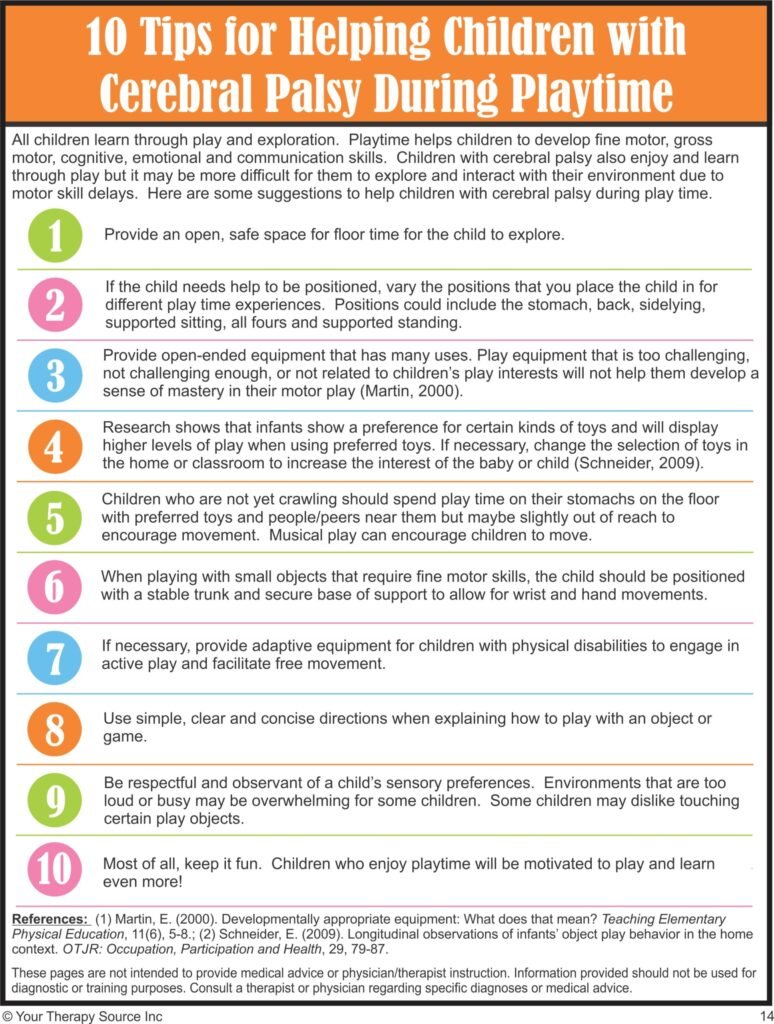
Assistive devices can play a crucial role in supporting individuals with cerebral palsy. These devices can include wheelchairs, walkers, canes, and crutches, depending on the person’s specific needs. They help improve mobility and provide stability, allowing individuals to move around more freely and independently.
Physical Therapy
Physical therapy is a cornerstone of cerebral palsy management. It focuses on improving strength, flexibility, and coordination through targeted exercises and movements. Physical therapists work closely with individuals with cerebral palsy to develop personalized treatment plans designed to enhance motor skills and function and alleviate pain or discomfort.
Exercise and Mobility
Regular exercise is essential for individuals with cerebral palsy to maintain and improve their physical health. It helps strengthen muscles, improves cardiovascular fitness, and promotes mobility. Engaging in activities such as swimming, yoga, and adapted sports can also have a positive impact on overall well-being and enhance social interactions.
Orthotics and Braces
Orthotics and braces are external devices that provide additional support and stability for individuals with cerebral palsy. These devices can help improve balance, correct alignment, and alleviate pain or discomfort. Orthopedic specialists can recommend and fit individuals for custom-made braces tailored to their specific needs.
Emotional Support
Building Confidence
Building confidence is crucial for individuals with cerebral palsy to navigate the challenges they face. Encouragement, praise, and support from family, friends, and caregivers play a significant role in fostering self-esteem. Celebrating achievements, both big and small, can help individuals with cerebral palsy develop a positive self-image and believe in their abilities.
Addressing Mental Health
Individuals with cerebral palsy may experience mental health challenges such as anxiety or depression. It is essential to address these concerns promptly and seek professional help when needed. Therapists or counselors can provide valuable guidance and support to individuals with cerebral palsy and their loved ones, helping them navigate any emotional or psychological difficulties.
Encouragement and Empathy
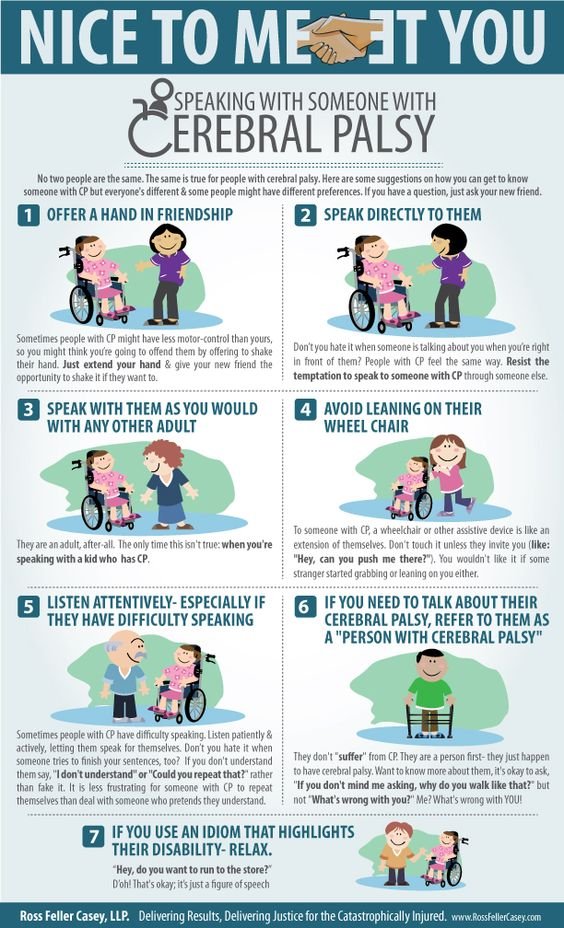
Providing emotional support involves showing empathy and understanding towards individuals with cerebral palsy. Listening to their concerns, validating their experiences, and offering words of encouragement can make a significant difference in their overall well-being. Encouraging open communication and creating a safe and supportive environment allows individuals to express their feelings and needs freely.
Daily Living Assistance
Assisting with Basic Tasks
Helping with basic tasks is an integral part of supporting individuals with cerebral palsy in their daily lives. It may involve assisting with personal care, such as dressing, grooming, and feeding. Providing physical aid when necessary enables individuals to maintain their independence and enhances their overall quality of life.
Adaptive Equipment
Adaptive equipment plays a crucial role in facilitating independence and participation in daily activities. From specialized utensils and dressing aids to modified tools for writing or typing, a wide range of adaptive equipment is available. These devices are specifically designed to accommodate the unique needs and challenges of individuals with cerebral palsy, making tasks more manageable and enjoyable.
Home Modifications
Modifying the home environment can significantly enhance accessibility and safety for individuals with cerebral palsy. Installing ramps, grab bars, and handrails can aid mobility and prevent accidental falls. Rearranging furniture and creating open spaces can allow for smooth movement with assistive devices. Adapting the bathroom with accessible fixtures and ensuring pathways are clear of obstacles are essential considerations.
Communication Strategies
Augmentative and Alternative Communication
Augmentative and Alternative Communication (AAC) systems are designed to support individuals with cerebral palsy in expressing their thoughts and needs. AAC encompasses methods such as sign language, picture communication boards, and speech-generating devices. These tools provide a means of communication for individuals who have difficulty speaking or understanding verbal language.
Facilitating Speech Therapy
Speech therapy can be highly beneficial for individuals with cerebral palsy, helping them improve their communication skills and speech clarity. Speech therapists work closely with individuals to address speech difficulties and develop techniques to enhance their ability to speak, articulate, and understand others. They may employ exercises, oral-motor training, and assistive technology to promote effective communication.
Education and Learning Support
Individualized Education Programs
Individualized Education Programs (IEPs) are specially designed educational plans tailored to meet the unique needs of students with cerebral palsy. IEPs outline specific goals, accommodations, and support services to ensure optimal educational opportunities and success. Collaborating with teachers, special education professionals, and therapists can help create an inclusive and supportive learning environment for individuals with cerebral palsy.
Supportive Learning Environments
Creating supportive learning environments involves fostering inclusion and understanding among peers and educators. Educating classmates about cerebral palsy can promote acceptance and empathy, reducing any stigmatization or discrimination. Providing additional resources, such as assistive technology, adaptive seating, and specialized educational materials, can further facilitate learning and participation.
Utilizing Assistive Technology
Harnessing the power of assistive technology can greatly enhance educational experiences for individuals with cerebral palsy. Computers, tablets, and specialized software or apps can aid in communication, reading, writing, and organization. Accessible materials, such as audiobooks or braille resources, can ensure individuals have equal access to educational content. Assistive technology evaluations and support from specialists can guide the selection and implementation of appropriate tools.
Inclusion and Social Interactions
Promoting Inclusive Communities
Promoting inclusive communities involves creating environments that value and respect the diversity of individuals with cerebral palsy. Encouraging inclusive practices in schools, workplaces, and social settings helps foster acceptance and equal opportunities. Organizing awareness campaigns, inclusivity workshops, and community events can raise awareness and promote inclusive attitudes.
Developing Social Skills
Developing social skills is vital for individuals with cerebral palsy to form meaningful connections and build friendships. Encouraging social interactions and providing opportunities for socialization, such as extracurricular activities and clubs, can help individuals gain confidence and develop social skills. Role-playing, communication exercises, and social skills training can further support the development of effective social interactions.
Recreation and Leisure Activities
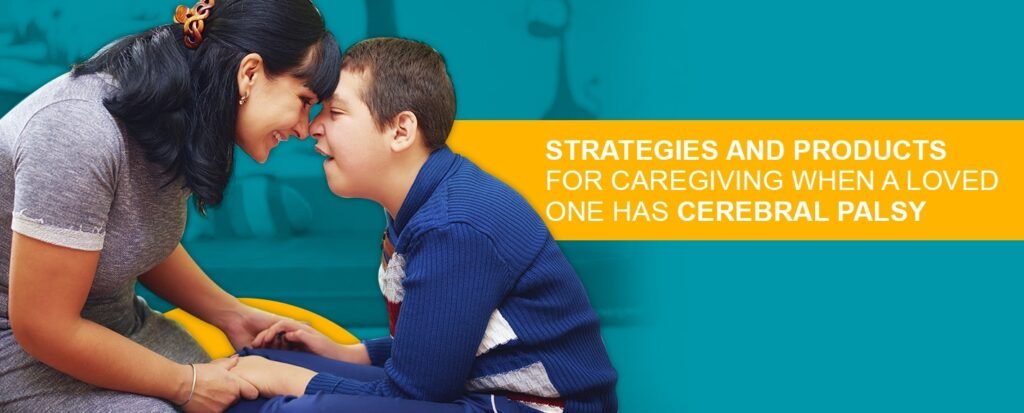
Participating in recreational and leisure activities is essential for the overall well-being and enjoyment of individuals with cerebral palsy. Engaging in adapted sports, art classes, music therapy, or other hobbies can provide opportunities for self-expression, physical fitness, and socialization. It is important to ensure that these activities are inclusive and accessible, allowing individuals with cerebral palsy to fully participate and enjoy themselves.
Advocating for Rights and Access
Navigating Accessibility Challenges
Cerebral palsy presents unique challenges related to accessibility, including physical barriers and societal attitudes. Advocate for the rights of individuals with cerebral palsy by encouraging accessible infrastructure, transportation, and public spaces. Raise awareness about the importance of ramps, elevators, accessible parking, and inclusive design to ensure equal access for all.
Securing Accommodations
Securing accommodations is essential to ensure equal opportunities and access to education, employment, and public services. Work with educational institutions, workplaces, and relevant authorities to ensure appropriate accommodations are in place. This can include requesting assistive technology, modified schedules, accessible materials, and reasonable adjustments to the physical environment.
Joining Supportive Networks
Joining supportive networks can provide valuable resources, guidance, and opportunities for individuals with cerebral palsy and their loved ones. Local and online support groups, advocacy organizations, and social media communities connecting individuals with cerebral palsy can provide a platform to share experiences, exchange information, and find emotional support. Being part of a supportive network can help navigate challenges and foster a sense of belonging.
Promoting Independence
Encouraging Self-Help Skills
Encouraging the development of self-help skills empowers individuals with cerebral palsy to take control of their daily routines and tasks. Encourage individuals to participate in activities such as dressing, feeding, and grooming to the best of their abilities. Providing appropriate assistive devices and adaptive tools can further support independence, ensuring individuals can actively engage in their own care.
Developing Self-Advocacy
Developing self-advocacy skills is essential for individuals with cerebral palsy to effectively communicate their needs, rights, and preferences. Encourage individuals to express their opinions, make choices, and participate in decision-making processes. Empower individuals to speak up for themselves and seek support when necessary, fostering confidence and self-determination.
Transitioning to Adulthood
Supporting individuals with cerebral palsy through the transition to adulthood involves planning and preparing for future goals and aspirations. Collaborate with educators, vocational rehabilitation services, and disability service providers to develop a comprehensive transition plan. This plan can address areas such as education, employment, independent living skills, healthcare management, and social integration.
Caregiver Support
Taking Care of Yourself
As a caregiver, it is crucial to prioritize self-care and seek support to maintain your own well-being. Caregiving can be physically and emotionally demanding, and it is essential to set boundaries and take time for yourself. Seek respite care or assistance from family, friends, or caregiving support services to ensure that you have the energy and resources to provide the best care possible.
Seeking Support from Professionals and Support Groups
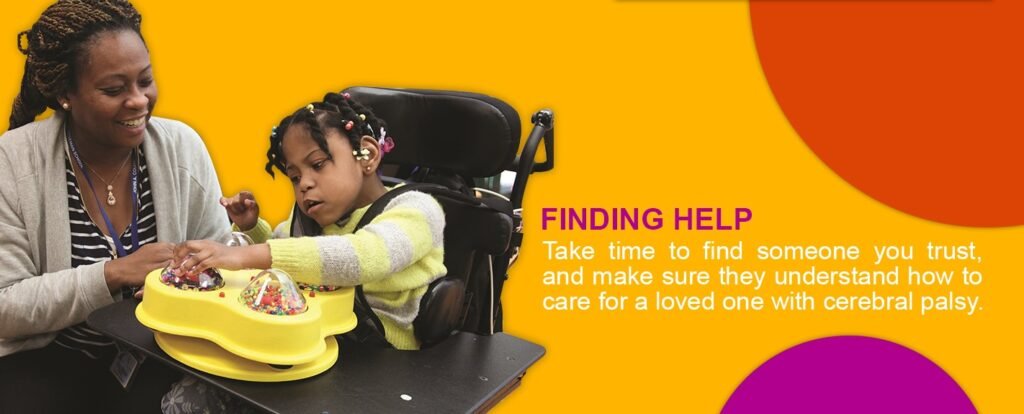
Seeking support from professionals and support groups can provide valuable guidance, resources, and emotional support. Therapists, support groups, and online communities can offer advice, share experiences, and provide a sense of solidarity. Remember that you are not alone, and reaching out for help can help you navigate the challenges of caregiving more effectively.
In conclusion, supporting individuals with cerebral palsy involves a comprehensive approach that addresses physical, emotional, educational, social, and advocacy needs. By understanding the condition, providing physical and emotional support, assisting with daily living, promoting effective communication, facilitating inclusive environments, advocating for rights, promoting independence, and seeking caregiver support, individuals with cerebral palsy can thrive and lead fulfilling lives.