
Are you curious to learn about the latest advancements in the treatment of cerebral palsy? Look no further! In this article, we will explore the exciting breakthroughs in the field of cerebral palsy research. From innovative therapies to cutting-edge technologies, these promising updates offer hope and opportunities for those affected by this neurological condition. So, grab a cup of tea and get ready to dive into the world of cerebral palsy treatment advancements that could potentially transform the lives of millions.
Introduction
Welcome to this comprehensive article on the advancements in the treatment of cerebral palsy. Cerebral palsy is a condition that affects a person’s movement, muscle tone, and posture. It is caused by damage to the developing brain, usually before birth, during birth, or in the early years of life. In this article, we will explore the current challenges in cerebral palsy treatment, as well as the promising research and innovations that are transforming the lives of individuals with cerebral palsy.
Overview of Cerebral Palsy
What is Cerebral Palsy?
Cerebral palsy is a group of disorders that affect a person’s ability to move and maintain balance and posture. It is caused by abnormal brain development or damage to the brain that occurs before, during, or shortly after birth. Although cerebral palsy is a lifelong condition, the severity and symptoms vary from person to person.
Causes of Cerebral Palsy
The exact causes of cerebral palsy are still not fully understood. However, it is believed that a combination of factors can contribute to the development of this condition. These factors include genetic mutations, maternal infections during pregnancy, oxygen deprivation during birth, and traumatic brain injury in infancy or early childhood.
Types of Cerebral Palsy
There are several types of cerebral palsy, and each type is classified based on the area of the brain that is affected and the symptoms that manifest. The most common types of cerebral palsy include spastic cerebral palsy, dyskinetic cerebral palsy, ataxic cerebral palsy, and mixed cerebral palsy.
Prevalence of Cerebral Palsy
Cerebral palsy is one of the most common childhood motor disability worldwide, affecting approximately 17 million people globally. The prevalence of cerebral palsy varies across countries, with an estimated prevalence of 1 in 323 children in the United States.
Current Challenges in Cerebral Palsy Treatment
Limited Treatment Options
One of the major challenges in cerebral palsy treatment is the limited number of effective treatment options available. Traditional treatments focus on managing symptoms rather than addressing the underlying cause of the condition. This has led to a need for more innovative and targeted therapeutic approaches.
Symptom Management
Individuals with cerebral palsy often face challenges with muscle control, coordination, and movement. Current treatments aim to address these symptoms through physical therapy, occupational therapy, and medication. However, these treatments may not fully alleviate symptoms and can only offer temporary relief.
Quality of Life Issues
Cerebral palsy also affects individuals’ quality of life in various ways. People with cerebral palsy may experience difficulties with communication, social interaction, and daily activities. Improved treatment options are needed to address these quality of life issues and enable individuals with cerebral palsy to reach their full potential.
Advances in Early Detection and Diagnosis
Early Signs and Symptoms
Early detection of cerebral palsy is crucial for early intervention and treatment. Recognizing the early signs and symptoms can help healthcare providers and parents identify cerebral palsy at an earlier stage. Common early signs and symptoms include delayed milestones (such as sitting up, crawling, or walking), abnormal muscle tone, and poor coordination.
Screening Techniques
Several screening techniques have been developed to assist in the early detection of cerebral palsy. These techniques include the General Movements Assessment (GMA), which assesses the quality of spontaneous movements in infants, and the Hammersmith Infant Neurological Examination (HINE), which evaluates neurological development in infants.
Diagnostic Tools
In addition to screening techniques, diagnostic tools such as brain imaging scans, genetic testing, and neurological examinations play a vital role in confirming a diagnosis of cerebral palsy. These tools help healthcare providers understand the underlying causes and type of cerebral palsy, which in turn guides the development of personalized treatment plans.
Preventive Measures and Treatments During Pregnancy
Prenatal Care and Education
Providing comprehensive prenatal care and education is essential in preventing cerebral palsy. Prenatal care involves regular check-ups with healthcare providers, monitoring the mother’s health, and identifying and managing any potential risk factors that may contribute to cerebral palsy.
Predictive Testing
Predictive testing, such as genetic testing and preimplantation genetic diagnosis, can help identify any genetic mutations or abnormalities that may increase the risk of cerebral palsy. This information enables parents and healthcare providers to make informed decisions regarding preventive measures and interventions.
Preventing Brain Damage in Infants
Efforts to prevent cerebral palsy in infants include ensuring a safe and healthy birthing process. This may involve monitoring fetal well-being during labor, preventing birth asphyxia, and providing immediate medical interventions if complications arise during delivery.
Potential Therapies for Intrauterine Intervention
Research is underway to investigate potential therapies for intrauterine intervention to prevent or minimize brain damage in infants at high risk of developing cerebral palsy. These therapies involve administering neuroprotective drugs or stem cells directly to the fetus, with the aim of promoting brain development and reducing the likelihood of cerebral palsy.
Innovative Therapies for Infants and Young Children
Constraint-Induced Movement Therapy
Constraint-induced movement therapy (CIMT) is an innovative treatment approach that aims to improve limb function and mobility in children with cerebral palsy. This therapy involves restraining the unaffected limb(s) to encourage the use and development of the affected limb(s). By focusing on intensive training, CIMT can help children with cerebral palsy gain better control and coordination of their movements.
Neuroplasticity Techniques
Neuroplasticity refers to the brain’s ability to adapt and reorganize itself in response to new experiences and learning. Various neuroplasticity techniques, such as repetitive task-specific training and transcranial magnetic stimulation (TMS), are being explored to promote neural rewiring and improve motor function in individuals with cerebral palsy.
Robotic-Assisted Therapy
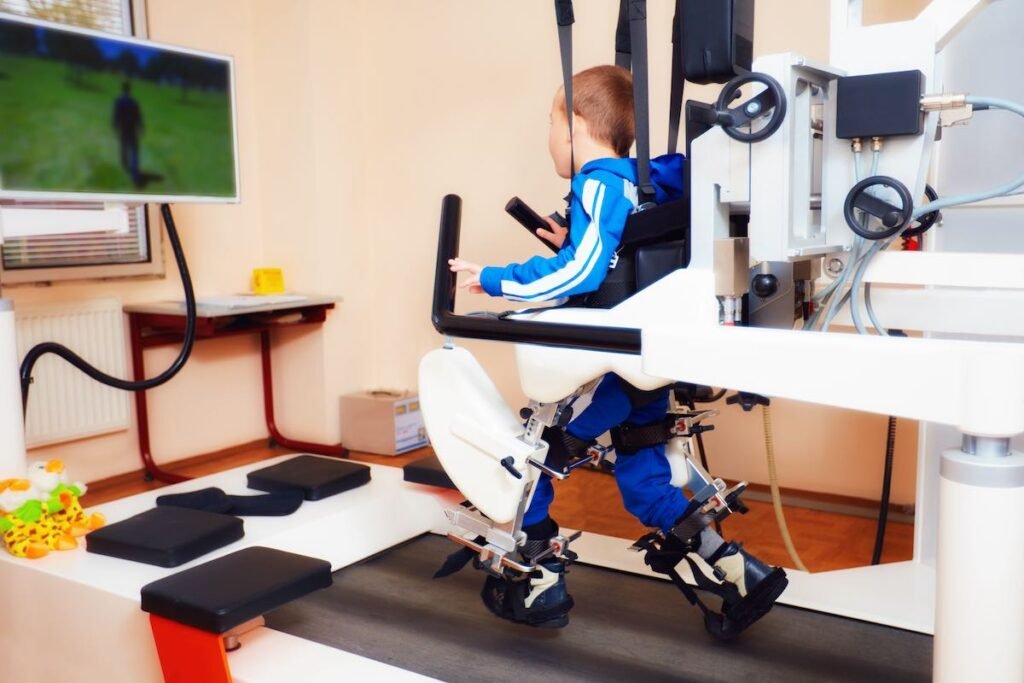
Robotic-assisted therapy uses robotic devices to support and assist individuals with cerebral palsy in their rehabilitation. These devices can help with repetitive movements, balance training, and strengthening exercises, providing a more targeted and intensive therapy approach.
Virtual Reality Rehabilitation
Virtual reality (VR) rehabilitation is a novel approach that combines technology and therapy to improve motor skills and function in individuals with cerebral palsy. By creating immersive and interactive virtual environments, VR therapy offers a motivating and engaging platform for individuals to practice movements and improve their motor abilities.
Surgical Interventions for Cerebral Palsy
Selective Dorsal Rhizotomy
Selective dorsal rhizotomy (SDR) is a surgical procedure that involves selectively cutting sensory nerve fibers in the spinal cord to reduce muscle stiffness and spasticity. This procedure can significantly improve mobility and reduce pain in individuals with cerebral palsy, especially those with severe spasticity.
Intrathecal Baclofen Therapy
Intrathecal baclofen therapy (ITB) involves the delivery of a muscle relaxant medication called baclofen directly into the spinal fluid via a catheter and pump system. ITB has shown promising results in reducing spasticity and improving motor function in individuals with cerebral palsy, especially those who are unresponsive to oral medications.
Deep Brain Stimulation
Deep brain stimulation (DBS) is a neurosurgical procedure that involves placing electrodes into specific areas of the brain to modulate abnormal brain activity. DBS has shown potential in improving motor function and reducing dystonia in individuals with dyskinetic cerebral palsy.
Advancements in Pharmacological Treatment
Botulinum Toxin Injections
Botulinum toxin injections, commonly known as Botox injections, are used to temporarily relax muscles affected by spasticity and reduce muscle stiffness. This treatment can improve range of motion and functional abilities in individuals with cerebral palsy.
Muscle Relaxants and Antispastic Medications
Muscle relaxants and antispastic medications, such as diazepam and dantrolene, may be prescribed to manage spasticity and improve muscle control in individuals with cerebral palsy. These medications help reduce muscle tone and stiffness, allowing for better movement and function.
Neuroprotective Drugs
Neuroprotective drugs aim to protect and preserve the integrity of the brain cells in individuals with cerebral palsy. These drugs may help minimize the extent of brain damage and promote better neurological outcomes. Research is ongoing to identify and develop potential neuroprotective drugs for cerebral palsy.

Augmentative and Alternative Communication
Speech and Language Therapy
Speech and language therapy plays a crucial role in helping individuals with cerebral palsy overcome communication challenges. Therapists work with individuals to improve their speech production, language skills, and use of augmentative and alternative communication (AAC) devices.
Assistive Technology
Assistive technology encompasses a wide range of devices and tools that can support individuals with cerebral palsy in their daily lives. These technologies include mobility aids, communication devices, adaptive switches, and computer-based assistive devices, which enable individuals to perform tasks they otherwise would not be able to do independently.
Augmentative and Alternative Communication Devices
Augmentative and alternative communication (AAC) devices, such as speech-generating devices and eye-tracking systems, are used to assist individuals with cerebral palsy who have severe speech impairments. These devices allow individuals to express themselves and communicate effectively, enhancing their overall quality of life.
Emerging Technologies in Cerebral Palsy Rehabilitation
Exoskeletons and Orthoses
Exoskeletons and orthoses are wearable devices designed to support and assist individuals with cerebral palsy in their movement. These devices provide a structural framework, improve gait patterns, and enhance functional abilities, helping individuals with cerebral palsy regain autonomy and independence.
Brain-Computer Interfaces
Brain-computer interfaces (BCIs) enable communication and control of external devices using brain signals. BCIs have the potential to revolutionize cerebral palsy rehabilitation by allowing individuals to interact with their environment and control assistive devices solely through their brain activity.
Stem Cell Therapy
Stem cell therapy is an area of active research in cerebral palsy treatment. Stem cells, with their regenerative properties, have the potential to repair damaged brain tissue and promote neurological recovery in individuals with cerebral palsy. While still experimental, early studies have shown promising results.
Gene Therapy
Gene therapy aims to correct or modify specific genes associated with cerebral palsy to restore proper brain function. By targeting the underlying genetic causes of cerebral palsy, gene therapy holds the potential for long-term and targeted treatment approaches.
In conclusion, the field of cerebral palsy treatment has seen significant advancements in recent years. From early detection and diagnosis to innovative therapies and surgical interventions, researchers and healthcare professionals are working tirelessly to improve the lives of individuals with cerebral palsy. By addressing the current challenges and harnessing emerging technologies, we are moving closer to a future where individuals with cerebral palsy can lead fulfilling and independent lives.