
You’re invited to learn about the symptoms and diagnosis of Chikungunya Virus Disease. This article will provide you with a comprehensive overview of this mosquito-borne illness, including its common symptoms and the methods used to diagnose it. Whether you’re experiencing persistent joint pain or simply want to educate yourself on this global health issue, this article is here to help you understand the symptoms and diagnosis of Chikungunya Virus Disease. So, let’s get started and empower ourselves with knowledge.
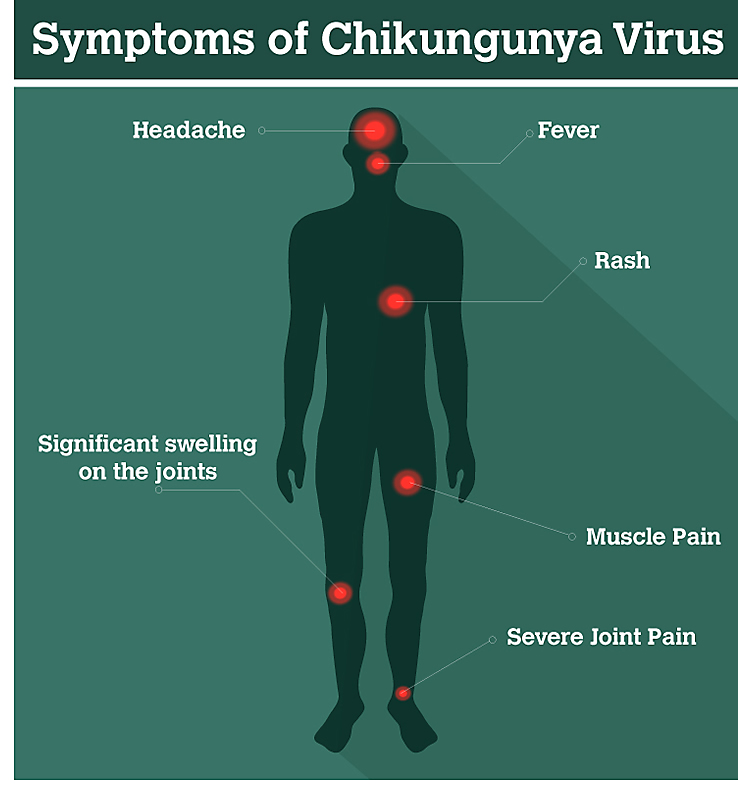
Symptoms of Chikungunya Virus Disease
Chikungunya Virus Disease, or simply Chikungunya, is a viral infection transmitted to humans through the bites of infected mosquitoes, primarily the Aedes species. This illness is characterized by a wide range of symptoms, which can vary in severity from person to person. Recognizing these symptoms can be crucial in seeking the appropriate medical attention and receiving timely treatment.
Fever
One of the most common symptoms of Chikungunya is the onset of a high fever. This fever can develop rapidly and often reaches temperatures of 102°F (39°C) or higher. It usually lasts for a few days, but it can persist for up to a week. Along with fever, individuals might also experience chills and sweating, leading to feelings of discomfort and overall malaise.
Joint Pain
Another hallmark symptom of Chikungunya is joint pain, also known as arthralgia. This symptom tends to be severe and can affect multiple joints throughout the body, such as the wrists, knees, ankles, and fingers. The pain is typically bilateral, meaning it affects both sides of the body equally. The intensity of the joint pain can vary, ranging from mild to debilitating, often hindering mobility and normal daily activities.
Muscle Pain
In addition to joint pain, Chikungunya can also cause muscle pain, referred to as myalgia. Like joint pain, muscle pain can be quite intense, leading to significant discomfort. The muscles most commonly affected are those in the back, shoulders, and limbs. The pain might be accompanied by muscle weakness, making movements challenging and painful.
Headache
Headaches are a common symptom experienced by individuals infected with the Chikungunya virus. These headaches can range in intensity from mild to severe and are often associated with the fever and overall illness. The pain might be localized or can be felt throughout the head, sometimes radiating to the neck and behind the eyes. Rest and adequate hydration are essential to managing these headaches.
Nausea
Feeling nauseous and experiencing bouts of vomiting is another symptom that can be encountered during the course of Chikungunya infection. Nausea might occur as a result of the virus affecting the gastrointestinal system. The combination of nausea, vomiting, and fever can lead to dehydration, emphasizing the importance of rehydration through fluids and electrolytes.
Fatigue
Chikungunya can cause extreme fatigue, leaving individuals feeling weak and exhausted. This excessive tiredness can persist for a prolonged period, even after other symptoms of the illness have improved. Adequate rest is crucial during this time to allow the body to recover and regain strength.
Rash
A characteristic rash is often observed in individuals suffering from Chikungunya. This rash typically starts on the trunk of the body and can spread to the limbs and face. It is typically maculopapular, meaning it consists of small, red, raised bumps on the skin. The rash can be itchy and uncomfortable, adding to the overall discomfort experienced during the illness.
Swelling
In some cases, Chikungunya can lead to swelling, known as edema, particularly in the hands and feet. This swelling can be accompanied by redness and warmth in the affected areas. The swelling might make it difficult to wear shoes or perform everyday activities that require fine motor skills.
Conjunctivitis
Chikungunya can also affect the eyes, leading to conjunctivitis or “pink eye.” Conjunctivitis is characterized by redness and inflammation of the conjunctiva, the thin, transparent layer of tissue covering the front of the eye. It can cause eye pain, itchiness, excessive tearing, and sensitivity to light. Proper eye care and hygiene are important during this time to prevent further complications.
Digestive Symptoms
While less common, Chikungunya can also result in digestive symptoms such as diarrhea and abdominal pain. These symptoms can contribute to feelings of discomfort and can worsen dehydration. Monitoring fluid intake and maintaining good hygiene practices are essential in managing these symptoms effectively.
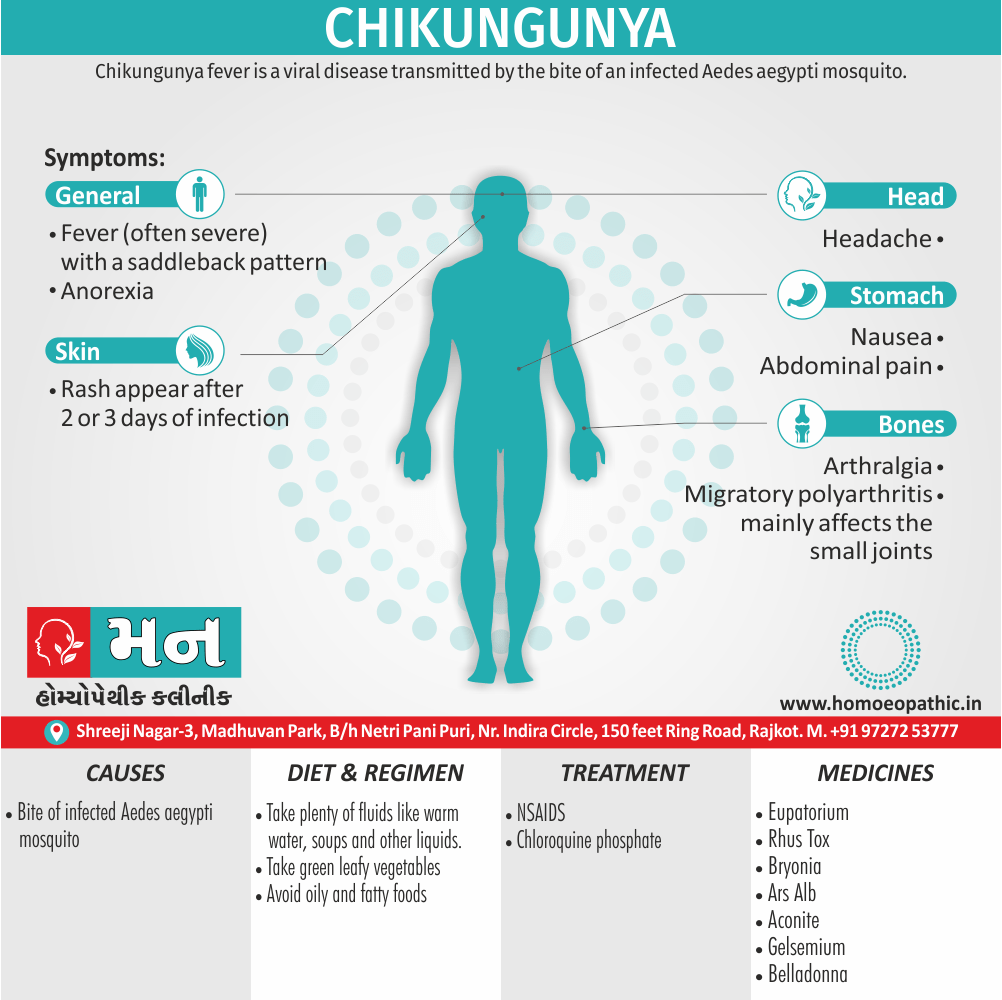
Diagnosis of Chikungunya Virus Disease
Diagnosing Chikungunya requires a careful assessment of the patient’s medical history, a physical examination, and laboratory tests to confirm the presence of the virus in their body.
Medical History
To begin the diagnostic process, healthcare professionals will typically inquire about the patient’s symptoms, including the onset, duration, and severity of the various manifestations associated with Chikungunya. They may also ask about recent travel history to areas known for Chikungunya outbreaks or potential exposure to infected individuals or mosquitoes.
Physical Examination
During the physical examination, healthcare providers will thoroughly assess the patient’s physical condition. They will examine the joints for swelling, tenderness, and limitation in range of motion. Skin rashes, muscle tenderness, and signs of conjunctivitis may also be evaluated. The physical examination aims to identify characteristic findings that align with a potential Chikungunya infection.
Laboratory Tests
Laboratory tests are essential to confirm the diagnosis of Chikungunya virus disease definitively. Blood tests, such as the polymerase chain reaction (PCR) test and serologic tests, can detect the presence of the virus or the antibodies produced by the body’s immune response to the virus. These tests help differentiate Chikungunya from other similar conditions and provide valuable information for effective management and surveillance of the disease.
In conclusion, being aware of the symptoms associated with Chikungunya Virus Disease is important for individuals and healthcare professionals alike. Recognizing the combination of fever, joint pain, muscle pain, headache, nausea, fatigue, rash, swelling, conjunctivitis, and digestive symptoms can assist in early detection and prompt medical intervention. If you suspect you may have been infected with the Chikungunya virus, it is advisable to seek medical attention and follow the appropriate diagnostic procedures to ensure appropriate care and management of the disease.
