
Imagine this scenario: you’re taking a leisurely vacation in a tropical paradise, enjoying the serene waters and exquisite seafood. Suddenly, you feel an intense wave of nausea and strange numbness creeping through your body. Unbeknownst to you, you’ve fallen victim to a little-known but alarming toxin called Ciguatera Fish Poisoning, or CFP. In this article, we will shed light on this mysterious condition, explore its causes and symptoms, and provide essential information that will help you stay safe during your next seaside adventure.
What is Ciguatera Fish Poisoning?
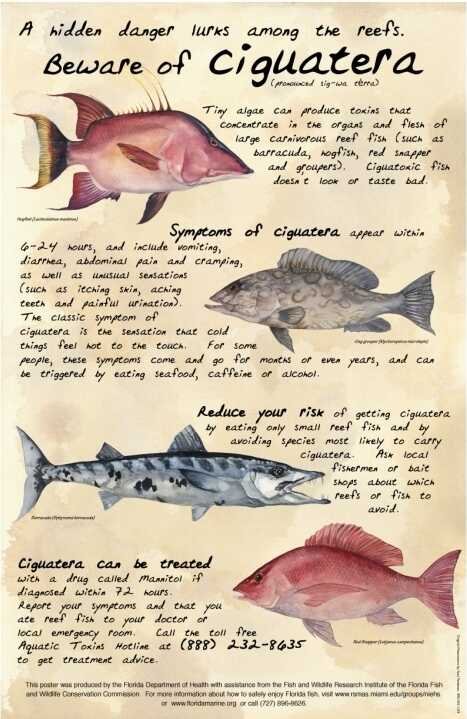
Ciguatera Fish Poisoning (CFP) is a type of foodborne illness caused by consuming fish contaminated with ciguatoxins. These toxins are produced by certain types of microalgae that thrive in warm coastal waters, particularly in tropical and subtropical regions. When larger predatory fish feed on the smaller fish that have accumulated ciguatoxins in their tissues, the toxins can bioaccumulate and become more concentrated in the larger fish. As a result, consuming contaminated fish can lead to ciguatera fish poisoning in humans.
Causes of Ciguatera Fish Poisoning
Ciguatoxins
Ciguatoxins are potent neurotoxins produced by certain species of dinoflagellates. These tiny, single-celled algae are responsible for causing harmful algal blooms, also known as “red tides,” in marine environments. When the algae produce ciguatoxins, they can be consumed by small fish, which are then eaten by larger predatory fish. The accumulation of ciguatoxins in the food chain is what ultimately leads to ciguatera fish poisoning in humans who consume contaminated fish.
Reef Fish Consumption
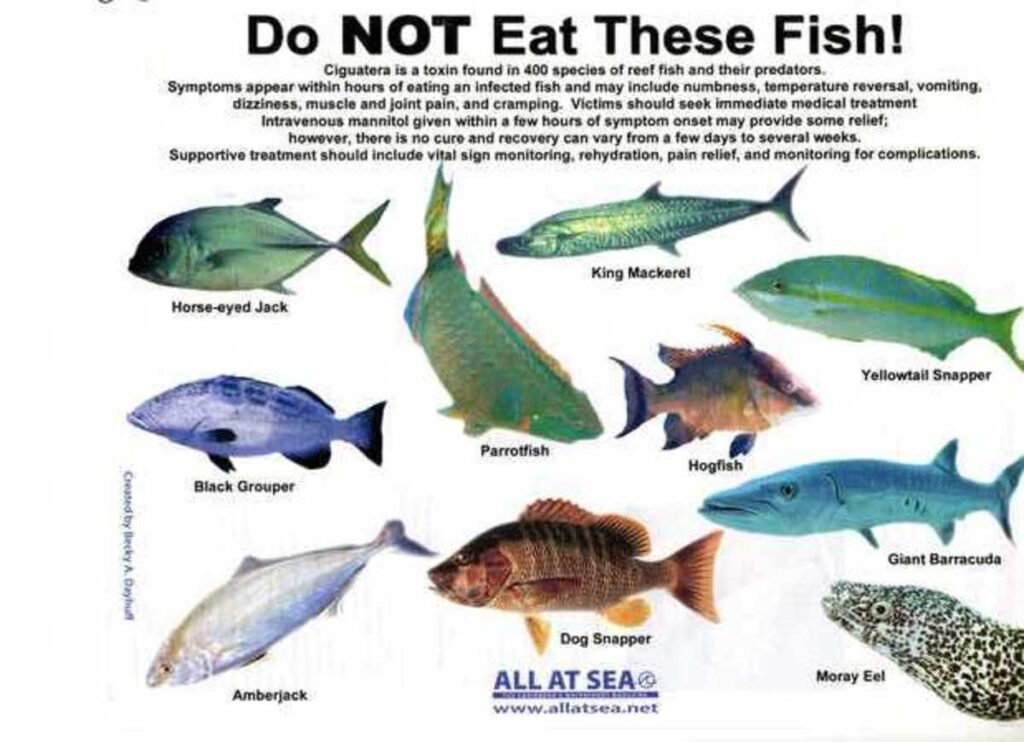
One of the main causes of ciguatera fish poisoning is the consumption of reef fish. Reef fish, such as grouper, snapper, barracuda, amberjack, and king mackerel, are known to be particularly susceptible to ciguatera toxin accumulation. These fish are often consumed by locals and tourists alike in tropical and subtropical regions where ciguatera poisoning is more prevalent. Therefore, it is important to be aware of the risk associated with consuming certain types of reef fish in these areas.
Bioaccumulation in Fish
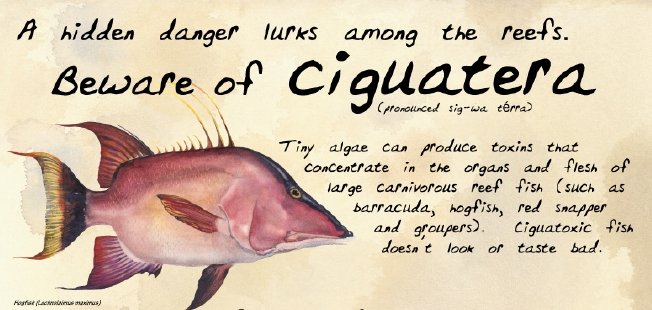
Bioaccumulation is the process by which ciguatoxins build up in the tissues of fish. As small fish consume the ciguatoxin-producing algae, they accumulate a certain level of ciguatoxins in their bodies. When larger predatory fish feed on these smaller fish, they also ingest the toxins, which then accumulate at higher concentrations in their tissues. This bioaccumulation leads to an increased risk of ciguatera fish poisoning in humans who consume these contaminated fish. It is important to note that the level of ciguatoxins in fish cannot be detected by visual inspection or based on the appearance of the fish.
Symptoms of Ciguatera Fish Poisoning
Ciguatera fish poisoning can cause a wide range of symptoms, which can vary in severity from mild to severe. The onset of symptoms usually occurs within a few hours after consuming contaminated fish. The symptoms are mainly categorized into gastrointestinal, neurological, cardiovascular, and other symptoms.
Gastrointestinal Symptoms
Gastrointestinal symptoms are among the most common symptoms of ciguatera fish poisoning. These can include nausea, vomiting, diarrhea, stomach cramps, and abdominal pain. These symptoms can be quite distressing but are generally self-limiting and resolve within a few days.
Neurological Symptoms
Neurological symptoms are another characteristic feature of ciguatera fish poisoning. These can include a variety of sensations such as tingling and numbness in the hands, feet, and mouth, as well as a burning sensation and general weakness. Muscle aches and joint pain are also reported. In some cases, individuals may experience changes in their perception of temperature, where cold objects feel hot and hot objects feel cold. Neurological symptoms can be prolonged and may last for weeks or even months.
Cardiovascular Symptoms
Ciguatera fish poisoning can also affect the cardiovascular system. Symptoms can include low blood pressure, a slowed heart rate, and irregular heart rhythms. These symptoms are generally transient and resolve on their own, but medical evaluation is necessary to ensure appropriate management.
Other Symptoms
In addition to the main symptom categories mentioned above, ciguatera fish poisoning can also present with a range of other symptoms. These include headache, dizziness, fatigue, anxiety, depression, and in rare cases, respiratory problems. It is important to note that symptoms can vary from person to person, and some individuals may experience a combination of different symptoms.
Diagnosis of Ciguatera Fish Poisoning
Diagnosing ciguatera fish poisoning can be challenging, as there is no specific laboratory test or imaging study that can definitively diagnose the condition. Diagnosis is usually made based on the clinical presentation, medical history, physical examination findings, and ruling out other possible causes of symptoms.
Clinical Presentation
The clinical presentation of ciguatera fish poisoning often includes a history of recent consumption of fish, followed by the onset of characteristic symptoms described earlier. The timing of symptom onset after fish consumption can provide valuable clues for diagnosis.
Medical History
Taking a detailed medical history is vital in the diagnosis of ciguatera fish poisoning. The healthcare provider will inquire about recent fish consumption, the type of fish consumed, the duration and progression of symptoms, and any other relevant information that may aid in establishing the diagnosis.
Physical Examination
During the physical examination, the healthcare provider will assess for any neurological abnormalities, such as muscle weakness or sensory changes. The cardiovascular system will also be evaluated for any irregularities in heart rate or blood pressure. These findings, when combined with the clinical history, can help support the diagnosis.
Laboratory Tests
Laboratory tests are primarily used to rule out other possible causes of symptoms, as there are no specific tests to confirm ciguatera fish poisoning. Blood tests may be ordered to assess for other potential causes of gastrointestinal or neurological symptoms. Imaging studies, such as CT scans or MRIs, may be performed if there is a concern for other underlying conditions. However, these tests will not directly confirm ciguatera fish poisoning.

Treatment of Ciguatera Fish Poisoning
Currently, there is no specific antidote or targeted treatment for ciguatera fish poisoning. The management mainly focuses on supportive care and alleviating symptoms.
Supportive Care
Supportive care is essential in the treatment of ciguatera fish poisoning. This involves managing the specific symptoms experienced by the individual. For example, antiemetic medications may be prescribed to help reduce nausea and vomiting. Pain relievers, such as nonsteroidal anti-inflammatory drugs (NSAIDs), may be recommended to lessen muscle and joint pain. Adequate hydration is also important to replenish fluids lost through vomiting or diarrhea.
Toxin Elimination
To eliminate the ciguatoxins from the body, some experts recommend the use of certain medications, such as mannitol, which may help enhance the excretion of toxins. However, the efficacy of toxin elimination treatments remains uncertain, and their use should be discussed with a healthcare professional.
Nonsteroidal Anti-inflammatory Drugs (NSAIDs)
Nonsteroidal anti-inflammatory drugs, such as ibuprofen or naproxen, may provide relief from the muscular and joint pain associated with ciguatera fish poisoning. These medications can help reduce inflammation and alleviate discomfort. However, it is important to follow the recommended dosage and duration of use.
Prevention of Ciguatera Fish Poisoning
Preventing ciguatera fish poisoning primarily involves avoiding the consumption of high-risk fish, practicing proper fish handling and preparation techniques, and increasing awareness and education about the condition.
Avoidance of High-Risk Fish
To reduce the risk of ciguatera fish poisoning, it is advisable to avoid consuming high-risk fish species, such as barracuda, grouper, red snapper, amberjack, and king mackerel. These fish are more likely to be contaminated with ciguatoxins, especially in the tropical and subtropical regions where ciguatera poisoning is more prevalent.
Proper Fish Handling and Preparation
Proper fish handling and preparation can help minimize the risk of ciguatera fish poisoning. Fresh fish should be sourced from reputable suppliers who adhere to proper handling and storage practices. It is important to ensure that fish is stored at appropriate temperatures to prevent bacterial growth. Thorough cooking of fish is crucial, as ciguatoxins are heat-stable and cannot be destroyed by cooking. Cooking can, however, help kill other potential harmful bacteria or parasites that may be present.
Awareness and Education
Raising awareness and providing education about ciguatera fish poisoning is vital in preventing the illness. It is important for both locals and tourists in tropical and subtropical regions to be aware of the risk factors, symptoms, and preventive measures associated with ciguatera fish poisoning. Education campaigns, signage, and information provided by healthcare professionals can help in promoting awareness and reducing the incidence of ciguatera fish poisoning.
High-Risk Fish Species
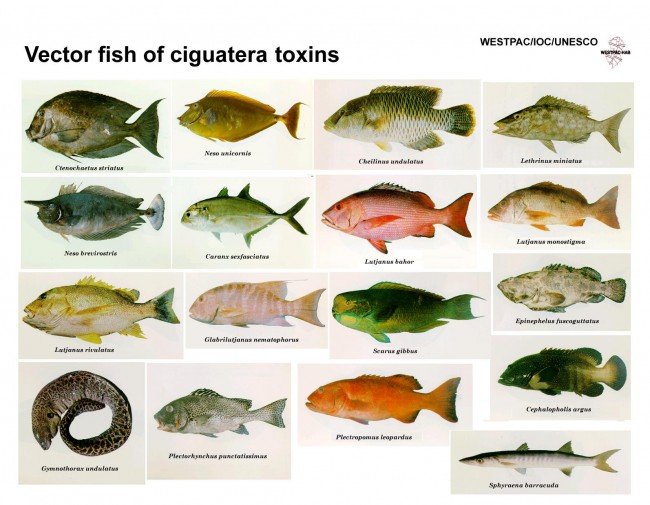
Certain fish species are more likely to be contaminated with ciguatoxins, making them high-risk for ciguatera fish poisoning. These include:
Barracuda
Barracuda is a predatory fish that feeds on smaller fish and can accumulate high levels of ciguatoxins in its tissues. As a result, consuming barracuda carries a higher risk of ciguatera fish poisoning.
Grouper
Grouper is another reef fish that is frequently associated with ciguatera fish poisoning. Its consumption should be approached with caution, especially in regions where ciguatera poisoning is known to occur.
Red Snapper
Red snapper is a popular fish species consumed in many parts of the world. However, it is important to be aware that red snapper can also be a source of ciguatera fish poisoning.
Amberjack
Amberjack is a large game fish that is commonly caught for sport or commercial purposes. Due to its predatory behavior and position in the food chain, amberjack can accumulate ciguatoxins and pose a risk of ciguatera fish poisoning.
King mackerel
King mackerel, also known as kingfish, is a migratory fish found in both tropical and temperate waters. It is known to harbor ciguatoxins and should be avoided or consumed with caution to minimize the risk of ciguatera fish poisoning.
Fish-Handling and Preparation Tips
To minimize the risk of ciguatera fish poisoning, it is important to follow proper fish-handling and preparation guidelines. These tips can help reduce the chance of consuming fish contaminated with ciguatoxins.
Source the Fish from a Reputed Supplier
When purchasing fish, it is advisable to choose a reputable supplier who follows proper handling and storage practices. They should be able to provide information about the source and freshness of the fish, ensuring a lower risk of ciguatera fish poisoning.
Proper Freezing
Freezing fish at sufficiently low temperatures can help kill or inactivate certain parasites that may be present. It is recommended to freeze fish at a temperature of -4°F (-20°C) or colder for at least 24 hours. This can be an additional measure to reduce the risk of ciguatera fish poisoning, although it does not eliminate ciguatoxins.
Thorough Cooking
Thoroughly cooking fish is crucial to minimize the risk of ciguatera fish poisoning. Ciguatoxins are heat-stable and cannot be destroyed by cooking. However, cooking fish at high temperatures can help kill potential harmful bacteria or parasites that may be present. Fish should be cooked until it reaches an internal temperature of 145°F (62.8°C), as recommended by the U.S. Food and Drug Administration (FDA).
Frequent Locations with Ciguatera Fish Poisoning
Ciguatera fish poisoning is more prevalent in specific geographic regions due to the presence of ciguatoxin-producing microalgae and the consumption of high-risk fish. Some frequent locations associated with ciguatera fish poisoning include the Pacific Ocean, Caribbean Sea, and Indian Ocean. These tropical and subtropical areas provide optimal conditions for the growth of ciguatoxin-producing algae and the accumulation of ciguatoxins in fish populations.
Research and Advances
Efforts are underway to advance the understanding, detection, and management of ciguatera fish poisoning. Ongoing research aims to enhance the detection of ciguatoxins in fish and develop more accurate and rapid diagnostic tests. Additionally, researchers are exploring the possibility of developing a vaccine against ciguatera fish poisoning, which could potentially provide immunity or reduce the severity of symptoms in individuals exposed to ciguatoxins. Alternative treatments, such as the use of certain medications or natural remedies, are also being investigated to alleviate the symptoms associated with ciguatera fish poisoning.
In conclusion, ciguatera fish poisoning is a foodborne illness caused by consuming fish contaminated with ciguatoxins. The toxins are produced by certain types of microalgae and can accumulate in larger predatory fish, leading to a risk of poisoning in humans. The symptoms of ciguatera fish poisoning can vary in severity and affect the gastrointestinal, neurological, cardiovascular, and other systems. Diagnosis relies on clinical presentation, medical history, physical examination, and ruling out other potential causes. Treatment mainly involves supportive care and symptom management. Prevention entails avoiding high-risk fish, practicing proper fish handling and preparation techniques, and increasing awareness and education. By following these guidelines, individuals can reduce the risk of ciguatera fish poisoning and ensure the safe enjoyment of seafood in tropical and subtropical regions.